16 vs 18 Gauge Earring: Troubleshooting Fit, Pain, and Migration
Struggling with piercing irritation or migration? Our expert guide on 16 vs 18 gauge earring sizes solves fit issues, pain, and the cheese cutter effect.

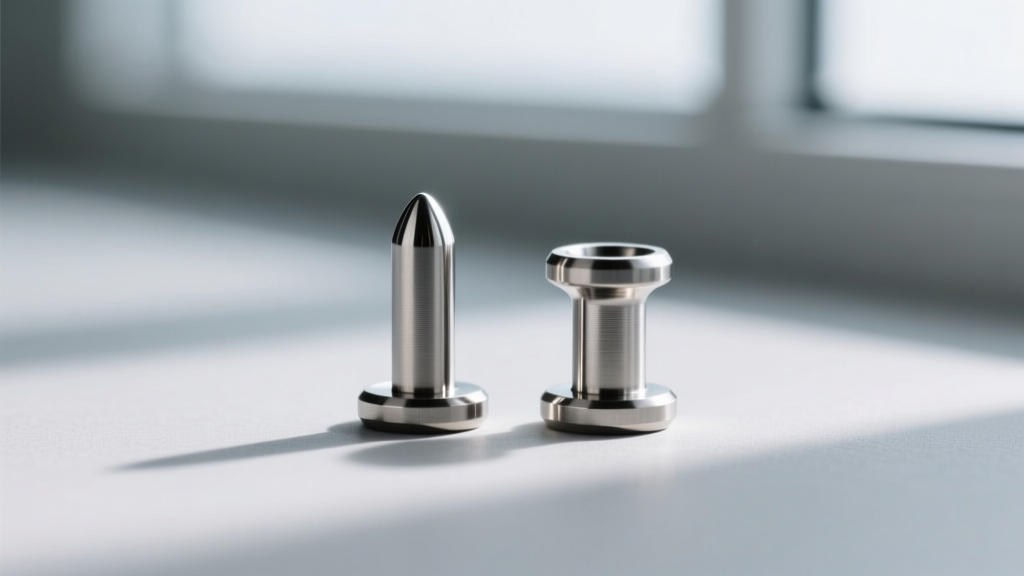
The Core Problem: Why Gauge Size Dictates Piercing Health
If you have ever purchased a beautiful pair of earrings online only to find that the post feels painfully tight, or conversely, that it slides around loosely and causes irritation bumps, you have encountered the fundamental dilemma of piercing gauges. The debate of 16 vs 18 gauge earring sizing is one of the most common troubleshooting issues we see in the body modification and jewelry community. While a fraction of a millimeter might seem insignificant to the naked eye, inside the delicate ecosystem of a healing or mature fistula (the piercing channel), that difference dictates the health, comfort, and longevity of your piercing.
Many commercial jewelry brands and mall kiosks default to 18-gauge or even 20-gauge earrings to save on precious metal costs and cater to older, outdated piercing gun standards. However, professional piercers overwhelmingly advocate for 16-gauge as the baseline for earlobe and cartilage health. In this comprehensive troubleshooting guide, we will break down the exact physics, biological responses, and practical solutions for navigating gauge discrepancies, ensuring your ear jewelry remains comfortable and your tissue stays healthy.
The Exact Measurements: 16 vs 18 Gauge Earring Dimensions
Before troubleshooting specific pain points, it is crucial to understand the exact dimensional differences between these two standard sizes. The gauge system is inverse; the higher the number, the thinner the wire. Below is the definitive measurement chart used by professional piercers globally.
| Gauge Size | Millimeters (mm) | Inches | Common Use Cases |
|---|---|---|---|
| 18 Gauge (18g) | 1.02 mm | 0.040" | Standard gun piercings, delicate nose studs, lightweight wire hoops |
| 16 Gauge (16g) | 1.29 mm | 0.051" | Professional needle piercings (lobes, helix, tragus, conch), labret studs |
As you can see, the difference is roughly 0.27 millimeters. While this seems microscopic, a 16g earring has approximately 26% more surface area and structural integrity than an 18g earring. According to the Association of Professional Piercers (APP), this additional surface area is vital for distributing the weight of the jewelry and preventing tissue rejection or migration.
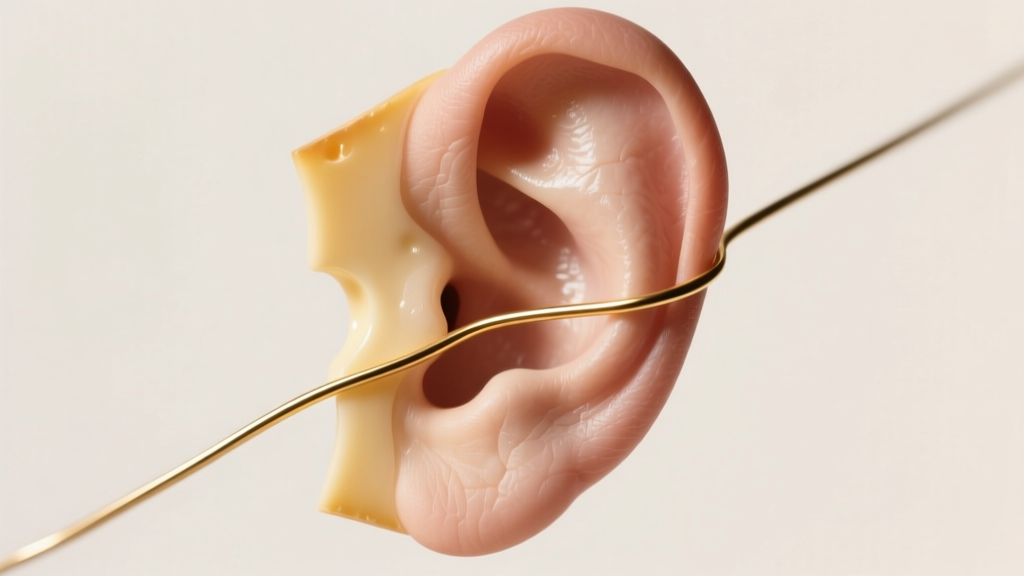
Troubleshooting Scenario A: The "Cheese Cutter" Effect
The Symptom: Your earlobe piercing is slowly migrating downward, the hole appears to be elongating into a slit, or you experience a sharp, slicing pain when wearing heavy dangle or drop earrings.
The Diagnosis: You are experiencing the "cheese cutter effect." This occurs when a heavy earring is suspended on a thin wire, typically 18-gauge or 20-gauge. In physics, pressure is equal to force divided by area. Because an 18g wire has a very small surface area resting against the bottom of your fistula, the downward force of a heavy brass or steel dangle earring concentrates all that pressure onto a tiny strip of skin. Over time, this literally slices through the tissue, much like a wire cheese cutter slicing through a block of cheddar.
The Solution:
- Upsize the Gauge: Switch to a 16-gauge (or even 14-gauge) earring. The thicker 1.29mm post distributes the weight of the dangle over a wider area of tissue, drastically reducing localized pressure.
- Reduce the Weight: If you must wear 18g jewelry, ensure the dangle component is made from ultra-lightweight materials like hollow acrylic, carved wood, or thin titanium, rather than solid brass or glass.
- Use a Support Chain: For elaborate 18g ear cuffs or chains, ensure the weight is distributed across the cartilage rather than hanging entirely from the lobe fistula.
Troubleshooting Scenario B: The Piston Effect and Irritation Bumps
The Symptom: You have a fully healed lobe piercing that was done by a professional with a needle (meaning your fistula is naturally 16g). You buy an 18g earring from a boutique, insert it, and within a week, you develop an angry, red irritation bump (hypertrophic scarring) next to the hole.
The Diagnosis: This is the "piston effect." Because your 16g hole is 0.27mm wider than the 18g post, the jewelry has excess room to move. Every time you talk, chew, or sleep, the thinner earring wobbles back and forth inside the fistula like a piston in an engine. This constant micro-friction introduces bacteria, disrupts the delicate epithelial lining of the piercing channel, and triggers an immune response that manifests as an irritation bump. Furthermore, the gap between the skin and the jewelry acts as a trap for dead skin cells and sebum, leading to localized infections.
The Solution: Never intentionally downsize a healed needle piercing to a thinner gauge for daily wear. If you absolutely must wear a specific 18g heirloom or diamond stud, use a silicone O-ring or a specialized earring back that creates a snug seal against the post to eliminate the wobble. However, the gold standard is to have a jeweler or professional piercer swap the post to a custom-fitted 16g labret or pin.
Troubleshooting Scenario C: Forcing a 16g into an 18g Fistula
The Symptom: You are attempting to insert a 16g earring into an older piercing that was done with a piercing gun (which typically uses 18g or 20g studs). You feel sharp resistance, pain, and notice minor bleeding or tearing upon insertion.
The Diagnosis: You are attempting to stretch a mature, unyielding fistula without proper preparation. Piercing guns cause blunt force trauma that creates dense, rigid scar tissue. Forcing a 1.29mm piece of metal through a 1.02mm scarred channel causes micro-tears in the tissue, which can lead to blowouts (where the tissue pushes outward and heals in a protruding ring) or severe hypertrophic scarring.
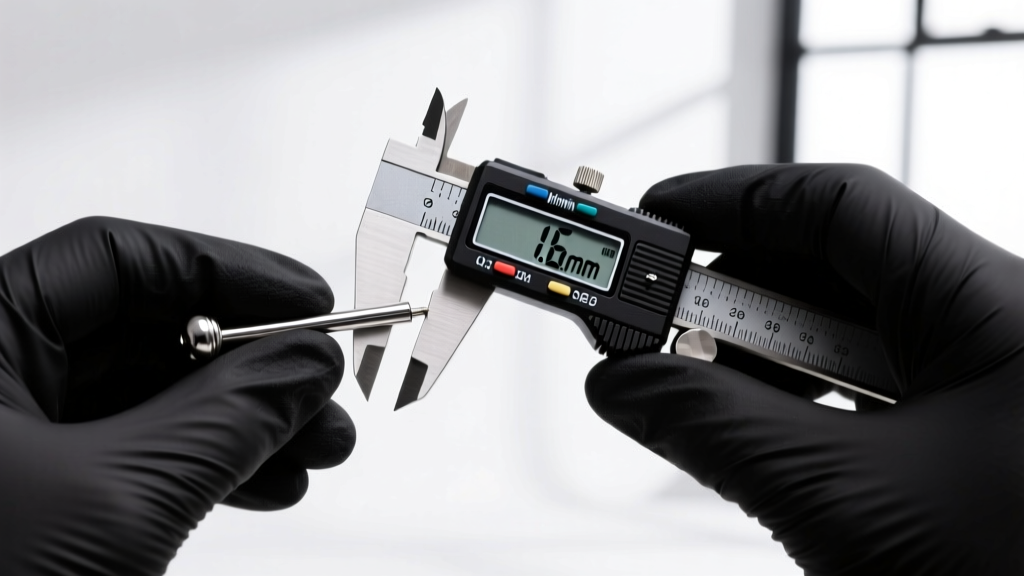
Material Upgrades: When Gauge Isn't the Only Problem
Sometimes, what feels like a "tight fit" or "painful insertion" is actually a severe contact dermatitis reaction to nickel or low-grade alloys. When troubleshooting the 16 vs 18 gauge earring dilemma, you must also evaluate the metal. If you are stretching or healing a piercing, always opt for ASTM F-136 Implant-Grade Titanium. Unlike standard surgical steel, which contains up to 10% nickel, F-136 titanium is completely nickel-free, highly polished to a mirror finish (reducing friction during insertion), and biocompatible. If a 16g titanium post slides in easier than an 18g steel post, your issue was metal allergy and surface drag, not just gauge size.
Step-by-Step Guide to Safely Transitioning Gauges
If you need to transition an 18g piercing to a 16g earring to stop the cheese cutter effect or to wear higher-quality body jewelry, follow this protocol recommended by dermatological and piercing experts, as noted by Healthline for safe tissue management:
- Warm the Tissue: Take a warm shower or apply a warm, sterile saline compress to the earlobe for 5 minutes. Heat increases blood flow and makes the collagen in the fistula more pliable.
- Lubricate: Apply a drop of pure, unrefined jojoba oil or a water-based lubricant to the 16g earring post. Never use petroleum jelly, as it traps bacteria.
- Use a Taper (If Necessary): If the 16g post does not slide in with gentle, steady pressure, do not force it. Visit a professional piercer who can use a sterile delrin taper to gradually guide the tissue to the new size without tearing.
- Monitor for 48 Hours: Treat the newly stretched piercing as if it were fresh. Cleanse twice daily with sterile 0.9% saline solution and avoid sleeping on that side for at least one week to prevent pressure-induced swelling.
Expert Verdict: Which Gauge Should You Choose?
When resolving the 16 vs 18 gauge earring debate, the context of your piercing dictates the correct choice. If you are wearing heavy statement pieces, dangles, or sleeping in your jewelry, 16-gauge is the undisputed champion. It provides the structural integrity required to prevent migration, eliminates the cheese cutter effect, and offers a vastly superior selection of high-end, implant-grade body jewelry.
Reserve 18-gauge exclusively for lightweight, delicate studs, temporary fashion jewelry, or specific cartilage placements where a professional piercer has intentionally established a smaller fistula. By matching your jewelry gauge to the biomechanical demands of your ear, you eliminate the root causes of irritation bumps, tearing, and migration, ensuring your piercings remain a beautiful, pain-free accessory for life.


