What to Do When Earring is Infected: Budget Care Guide
Discover what to do when earring is infected without overspending. Compare home remedies, medical costs, and the value of hypoallergenic upgrades.

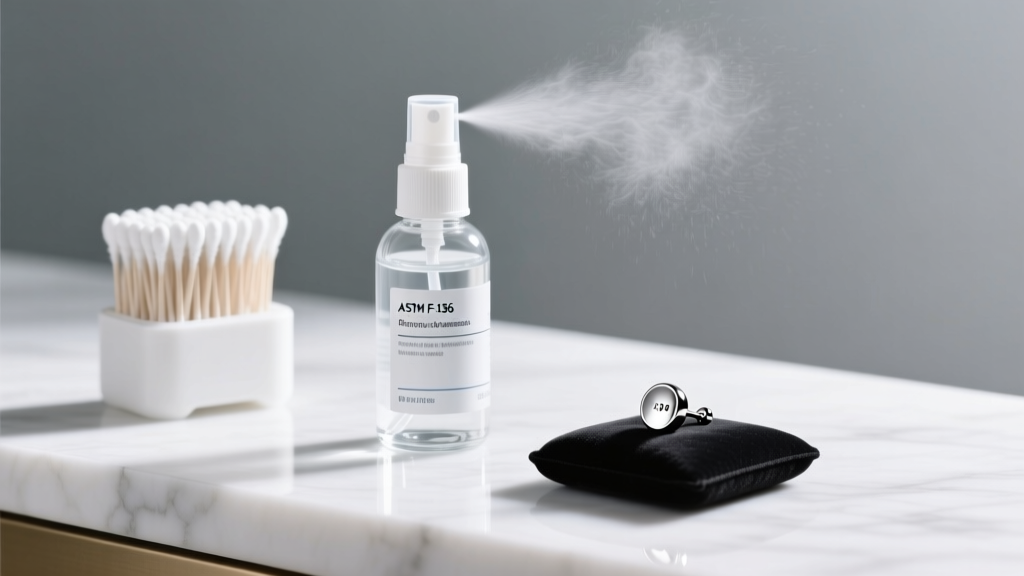
Waking up to a swollen, tender, and weeping ear piercing is a universal panic moment. For budget-conscious jewelry lovers, the immediate fear is often twofold: the physical discomfort and the looming financial drain of unnecessary medical visits or ruined jewelry. Knowing exactly what to do when earring is infected is not just a matter of health; it is a critical exercise in financial triage. In 2026, with urgent care copays rising and the market flooded with misleading "hypoallergenic" marketing, making the wrong move can turn a minor irritation into a costly medical emergency.
This guide breaks down the true cost of treating an ear infection, separates genuine bacterial infections from cheap-metal contact dermatitis, and provides a high-value, low-cost action plan to save your piercing and your wallet.
The True Cost of an Ear Infection: Budget Breakdown
Before reaching for the phone to book a doctor, you need to understand the financial landscape of piercing complications. Many people rush to the emergency room for minor irritations, resulting in massive, avoidable bills. Conversely, ignoring a cartilage infection to save money can lead to permanent ear deformity (cauliflower ear) and thousands in surgical costs.
| Intervention Level | Estimated Cost (2026) | When to Use |
|---|---|---|
| At-Home Saline Triage | $5 - $12 | Mild redness, clear/white lymph fluid, minor swelling on the lobe. |
| Professional Piercer Consult | $0 - $25 | Jewelry is too tight, angle is wrong, or you suspect contact dermatitis. |
| Urgent Care / Telehealth | $50 - $150 | Spreading redness, yellow/green pus, localized heat on the lobe. |
| Emergency Room Visit | $500 - $2,000+ | Cartilage involvement, systemic fever, red streaks, facial swelling. |
The Budget Takeaway: Your first line of defense should always be a $8 bottle of sterile saline and a consultation with an Association of Professional Piercers (APP) certified professional. Most "infections" are actually irritation bumps or allergic reactions that require zero medical intervention.
Immediate Triage: What to Do When Earring is Infected
If you suspect a genuine bacterial infection, your immediate actions dictate the financial and physical outcome. Follow this low-cost, high-efficacy protocol:
1. Do NOT Remove the Jewelry
The most common and costly mistake is taking the earring out. If the piercing hole closes over an active infection, it traps the bacteria inside, forming an abscess. An abscess requires surgical lancing by a doctor, instantly escalating your budget from an $8 saline bottle to a $150 urgent care bill. Leave the jewelry in to allow the wound to drain.
2. Upgrade to Sterile Saline (0.9% Sodium Chloride)
Stop using rubbing alcohol, hydrogen peroxide, or DIY sea salt soaks. These are outdated, harsh, and damage regenerating tissue, prolonging the healing time. Purchase a pressurized can of sterile 0.9% sodium chloride wound wash with no additives. Spray the front and back of the piercing twice daily.
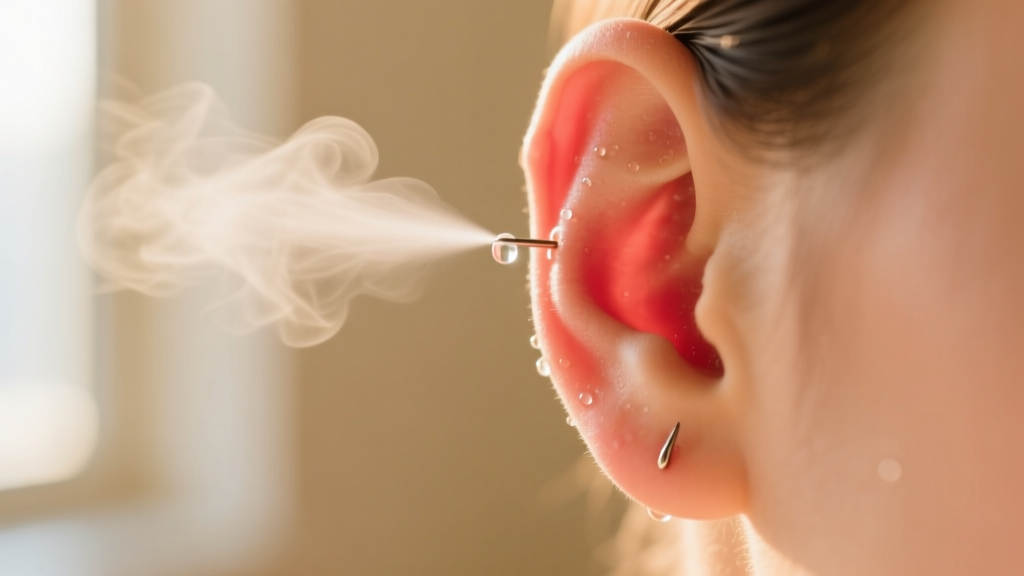
3. Practice L.I.T.H.A. (Leave It The Hell Alone)
Constantly touching, twisting, or cleaning the earring introduces new bacteria from your hands and causes micro-trauma to the fistula (the piercing channel). Touch your jewelry only when actively spraying it with saline.
4. Check Your Post Length
Swelling requires space. If you are wearing a standard 6mm (1/4 inch) post and your ear is swollen, the jewelry is acting like a tourniquet, trapping bacteria and lymph fluid. Visit a reputable piercer to have them swap the top for an 8mm or 10mm post to accommodate the swelling. This minor service usually costs under $15 and prevents severe complications.
The Hidden Culprit: Assessing Your Jewelry's Value
According to the Mayo Clinic, nickel allergy is one of the most common causes of contact dermatitis, which perfectly mimics a bacterial infection. If your ear is red, itchy, weeping clear fluid, and slightly swollen, you likely do not have an infection; you have a nickel allergy. Treating an allergy with antibiotics is a waste of money and fails to solve the root problem.
Material Upgrade Cost-Benefit Analysis
Cheap jewelry is a false economy. Buying a $10 pair of "surgical steel" earrings from a mall kiosk often leads to weeks of irritation, costing you time, money on useless creams, and potential medical bills.
- 316L Surgical Steel ($5 - $15): Contains 8-10% nickel. The polishing process traps nickel in the microscopic pores of the metal. When exposed to the saline environment of a healing piercing, nickel leaches out, causing severe dermatitis. Budget Verdict: Avoid for fresh or irritated piercings.
- ASTM F-136 Implant-Grade Titanium ($25 - $45): The gold standard for body jewelry. It is entirely nickel-free, biocompatible, and features a mirror finish that harbors no bacteria. Budget Verdict: High upfront cost, but prevents hundreds of dollars in medical and replacement costs.
- 14k or 18k Solid Gold ($80 - $200+): Excellent for healed piercings, but alloyed metals can sometimes cause reactions in highly sensitive individuals during the initial healing phase. Budget Verdict: Save for after the piercing is 100% healed.
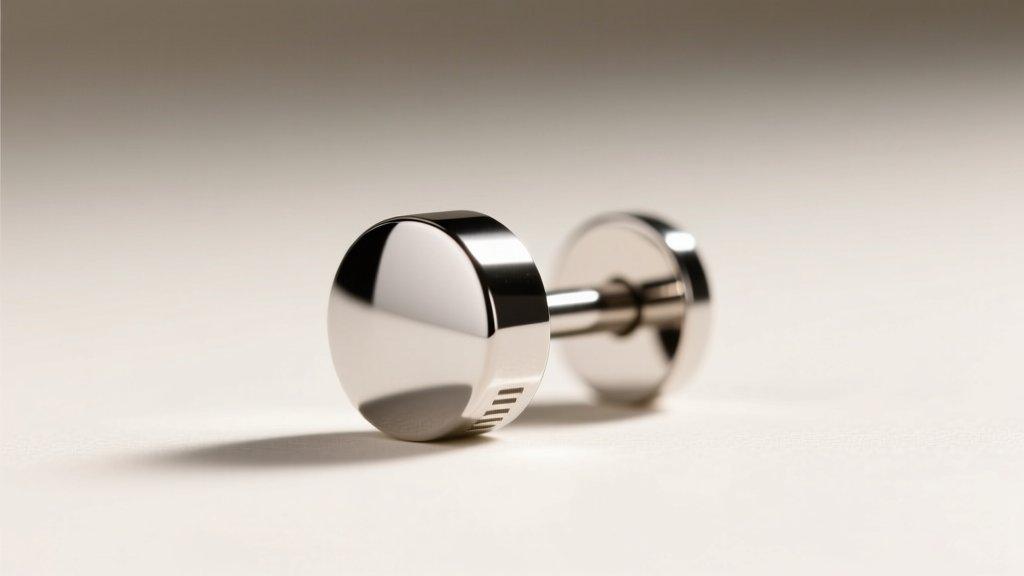
Investing $35 in a high-quality titanium flat-back labret from a reputable brand like NeoMetal or BVLA is a financial shield against chronic irritation. If you are experiencing persistent "infections" that never quite clear up, the highest-value move you can make is to swap your jewelry for implant-grade titanium.
When to Stop DIY and Spend on Medical Care
While budget management is crucial, your health is the ultimate priority. The American Academy of Dermatology warns that certain piercing complications require immediate professional medical intervention. You must abandon the home-care budget and seek a doctor if you experience any of the following red flags:
Cartilage Infections are Medical Emergencies: The cartilage in the upper ear lacks its own blood supply, meaning your body's immune system cannot easily fight off bacteria there. An infection here (perichondritis) can rapidly destroy the cartilage, leading to permanent disfigurement. If your upper ear is red, hot, and throbbing, go to Urgent Care or the ER immediately for prescription oral antibiotics.
Additionally, seek medical care if the earring is completely embedded in the skin (requiring surgical removal), if you develop a fever over 100.4°F (38°C), or if red streaks begin radiating outward from the piercing site, which indicates systemic blood poisoning (sepsis).
Long-Term Value: Preventing Future Financial Drain
The most cost-effective way to handle an infected earring is to ensure it never happens in the first place. Value in body jewelry is defined by longevity and biocompatibility. Always insist on seeing the mill certificate or packaging that verifies your jewelry is ASTM F-136 titanium or ASTM F-138 steel (though titanium is vastly superior for sensitive ears). Ensure your piercer uses single-use, sterilized needles rather than piercing guns, which cause blunt-force trauma and cannot be properly autoclaved. By prioritizing material science and professional technique over cheap, fast-fashion jewelry, you protect both your body and your bank account from the hidden costs of poor piercing practices.


