How to Clean and Maintain Pearl Skull Earrings Safely
Learn how to safely clean and maintain pearl skull earrings. Expert tips on preserving delicate nacre and intricate metal details without causing damage.

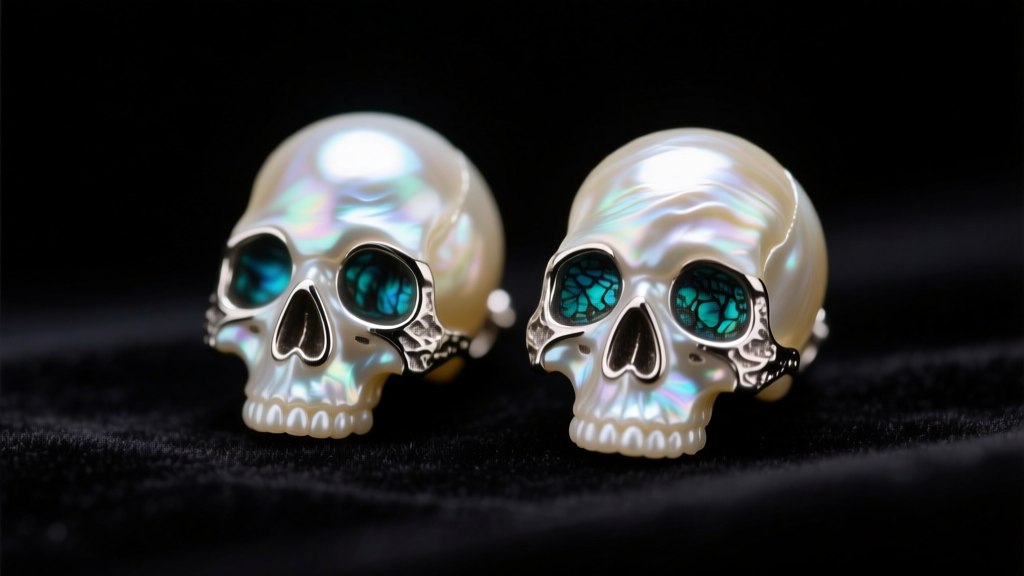
The Unique Anatomy of Pearl Skull Earrings
Pearl skull earrings represent a striking juxtaposition in jewelry design: the soft, luminous elegance of organic nacre combined with the dark, intricate, and often metallic motifs of a skull. While visually stunning, this hybrid construction creates a significant challenge for long-term maintenance. You are essentially caring for two vastly different materials that react to their environment in opposing ways. The pearl is an organic gemstone composed of aragonite platelets and conchiolin, making it highly sensitive to acids, abrasion, and dehydration. The skull component—typically crafted from sterling silver, gold, or brass—is prone to tarnishing, oxidation, and trapping debris in its microscopic crevices (such as eye sockets and teeth). To maintain the structural integrity and aesthetic brilliance of your pearl skull earrings, you must adopt a dual-pronged care routine that respects the vulnerabilities of both materials.
The Chemistry of Nacre and Metal: Why Standard Cleaning Fails
Most commercial jewelry cleaners are formulated for hard, inorganic gemstones like diamonds or sapphires, which rank at a 9 or 10 on the Mohs hardness scale. Pearls, however, rank between 2.5 and 4.5. The luster of a pearl—its orient and overtone—is created by light refracting through dozens of microscopic layers of aragonite. When exposed to harsh chemicals, these layers are etched, resulting in a permanent chalky appearance. According to the Gemological Institute of America (GIA), the organic protein binder in pearls, conchiolin, is highly susceptible to degradation from ammonia, bleach, and ultrasonic cavitation. Conversely, the metallic skull requires active intervention to remove silver sulfide (tarnish) caused by atmospheric hydrogen sulfide. Using a silver dip will instantly strip the pearl's nacre, while using only a damp cloth will leave the skull's crevices oxidized and dull.
What to Avoid: The Fast Track to Ruined Nacre
Before attempting to clean your earrings, it is critical to understand the common pitfalls that permanently damage pearl and metal combinations. Avoid the following at all costs:
- Ultrasonic Cleaners: The high-frequency sound waves create microscopic vacuum bubbles that implode against the jewelry. This cavitation will shatter the aragonite crystals of the pearl and can shake the pearl loose from its skull-cap glue mount.
- Steam Cleaners: Sudden thermal shock can cause the pearl to crack, and intense heat will melt or weaken the epoxy adhesives used to bind the pearl to the metal skull base.
- Ammonia and Bleach: These alkaline agents dissolve the conchiolin matrix, turning the pearl yellow and brittle.
- Toothpaste or Baking Soda: These common DIY abrasives contain silica and calcium carbonate particles that will scratch the pearl's surface and leave a stubborn, chalky residue packed inside the skull's engraved details.
Step-by-Step Cleaning Routine for Pearl and Metal
To safely clean your pearl skull earrings without compromising either material, follow this meticulous, step-by-step protocol. This method ensures the pearl is gently cleansed while allowing for targeted metal polishing.
- Dry Dusting: Begin by wiping the entire earring with a clean, lint-free microfiber cloth. This removes surface oils, dead skin cells, and cosmetic residue that can act as an abrasive during the wet cleaning phase.
- Prepare a Neutral Bath: Mix two cups of distilled water (tap water contains chlorine and fluoride that can spot the metal) with three drops of pH-neutral liquid castile soap or baby shampoo. Avoid dish soaps, which often contain degreasers that strip the pearl's natural moisture.
- Targeted Pearl Wiping: Dip a soft cotton swab or a lint-free sponge into the soapy solution, wring it out until it is merely damp, and gently roll it over the surface of the pearl. Never submerge the earring, as water can seep into the drill hole and compromise the internal structure or the adhesive.
- Targeted Metal Cleaning: For the metal skull, use a separate, slightly wetter cotton swab to clean the broader metal surfaces. If the skull features deep engravings or oxidized detailing, proceed to the deep cleaning steps below.
- Rinsing: Wipe the pearl and metal with a fresh cloth dampened only with distilled water to remove any soap film.
- Air Drying: Lay the earrings flat on a dry microfiber towel in a well-ventilated area. Never hang them while wet, as the weight of the water can stretch silk threads or weaken glue bonds.
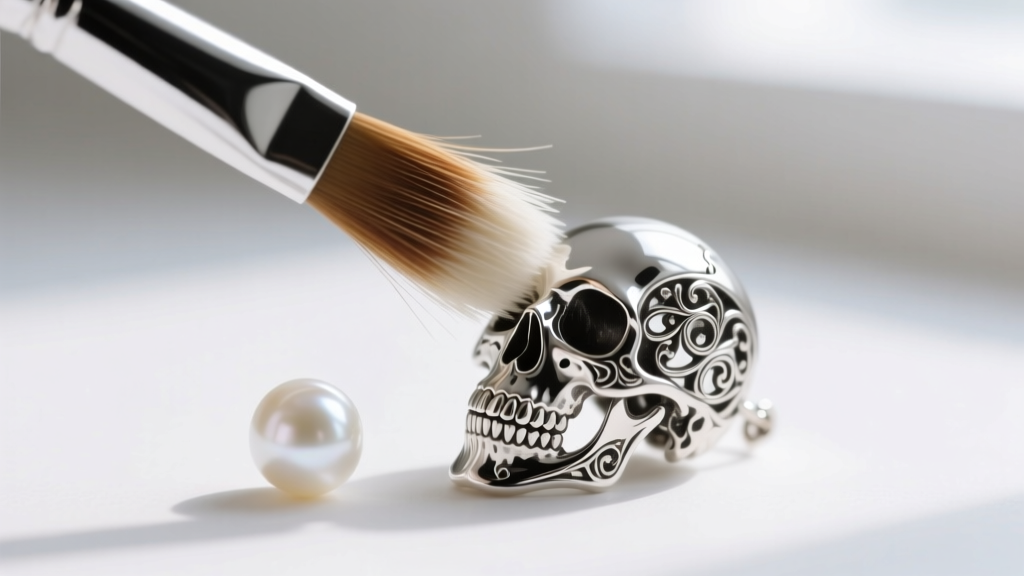
Deep Cleaning the Metal Skull Crevices
The intricate details of a skull earring—such as the sutures of the cranium, the nasal cavity, and the teeth—are magnets for sebum, lotion, and environmental dust. When polishing the metal, you must isolate the pearl to prevent chemical cross-contamination.
For sterling silver skulls, use a specialized silver polishing cloth (impregnated with micro-abrasives and anti-tarnish agents). Fold the cloth to create a sharp edge, or use a wooden toothpick wrapped in a thin layer of the polishing cloth to reach into the eye sockets and teeth. According to The Assay Office, gentle mechanical friction is the safest way to remove silver sulfide without relying on harsh liquid chemical dips. If the skull is made of gold or platinum, a soft horsehair detailing brush can be used to flick debris out of the crevices after the damp-wiping stage. Always brush away from the pearl to prevent dislodged grit from scratching the nacre.
Comparison Chart: Safe vs. Unsafe Cleaning Agents
| Cleaning Agent | Effect on Pearl (Nacre) | Effect on Metal Skull | Verdict |
|---|---|---|---|
| pH-Neutral Castile Soap | Safe; gently lifts oils | Safe; removes surface grime | Highly Recommended |
| Silver Dip (Thiourea) | Destructive; strips luster | Excellent; removes tarnish | Avoid (unless pearl is removed) |
| Ultrasonic Cavitation | Catastrophic; shatters nacre | Good; cleans crevices | Never Use |
| Isopropyl Alcohol | Damaging; dehydrates pearl | Safe; removes adhesive residue | Avoid on hybrid pieces |
| Impregnated Silver Cloth | Damaging; leaves chemical residue | Excellent; polishes safely | Use only on metal, shield pearl |
The Storage Paradox: Moisture vs. Tarnish
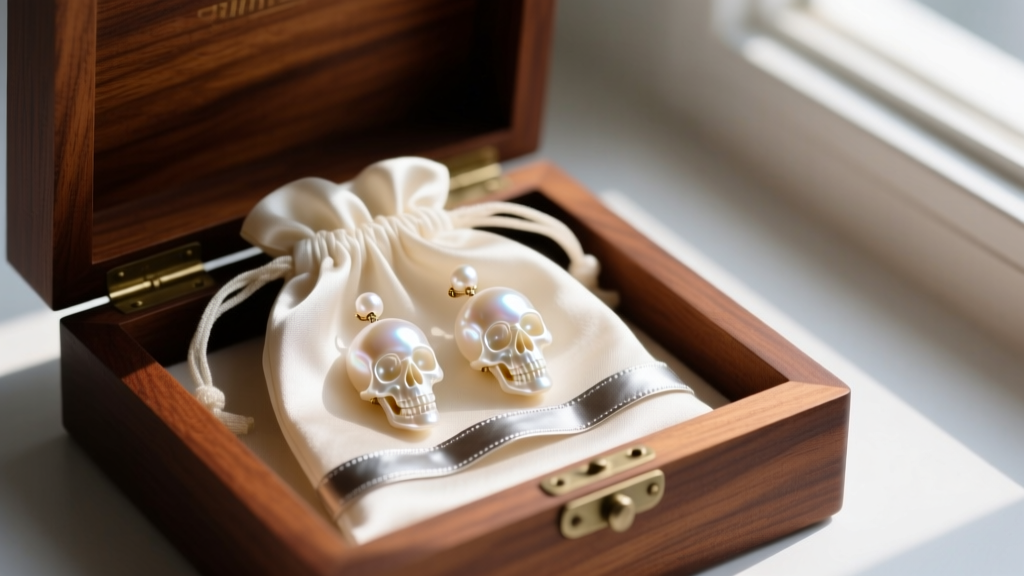
Storing pearl skull earrings presents a unique horological paradox. Pearls are organic and require a slight amount of ambient humidity to prevent the conchiolin from drying out, which leads to micro-fractures and peeling. Therefore, storing them in an airtight plastic ziplock bag is detrimental. Conversely, sterling silver tarnishes rapidly when exposed to atmospheric moisture and sulfur compounds. To resolve this, store your earrings in a breathable, natural-fabric pouch (like untreated silk or unbleached cotton). Place a specialized, non-sulfur anti-tarnish paper strip (such as Pacific Silvercloth or 3M Anti-Tarnish strips) inside the pouch to absorb corrosive gases without altering the humidity levels required by the pearl. Furthermore, always store the earrings in a dedicated compartment where the metal skull cannot rub against the pearl. Even though silver is relatively soft, repeated friction against a pearl will eventually wear down the nacre layers.
Hardware and Glue Maintenance
The structural integrity of pearl skull earrings heavily relies on their hardware. Many stud variations utilize a "cup and peg" design, where a metal pin is inserted into a drilled hole in the pearl and secured with jeweler's epoxy. Over time, exposure to hairspray, perfume, and natural body oils can degrade the adhesive bond. Inspect the base of the pearl where it meets the skull cap every six months. If you notice any wiggle or a visible gap, stop wearing the earring immediately to prevent the pearl from falling out and suffering a catastrophic impact fracture. Do not attempt to re-glue the pearl using cyanoacrylate (Super Glue), as it cures into a brittle plastic that will not withstand the shear forces of daily wear and can permanently cloud the pearl's surface. Instead, take the piece to a professional jeweler who can carefully clean the drill hole with a micro-bur and re-set the pearl using a flexible, jewelry-grade two-part epoxy.
Conclusion
Caring for pearl skull earrings requires a departure from standard jewelry maintenance routines. By understanding the delicate chemistry of organic nacre and the oxidative tendencies of sculpted metals, you can preserve the striking contrast that makes these pieces so captivating. Stick to pH-neutral cleaning agents, utilize targeted mechanical polishing for the skull's crevices, and respect the storage paradox to ensure your earrings remain a pristine fusion of elegance and edge for decades to come.


