Green Quartz Earrings Buying Guide: What to Look For
Discover how to choose the perfect green quartz earrings. Learn about prasiolite treatments, color grading, metal pairings, and pricing in our expert guide.

The Allure of Green Quartz in Fine Jewelry
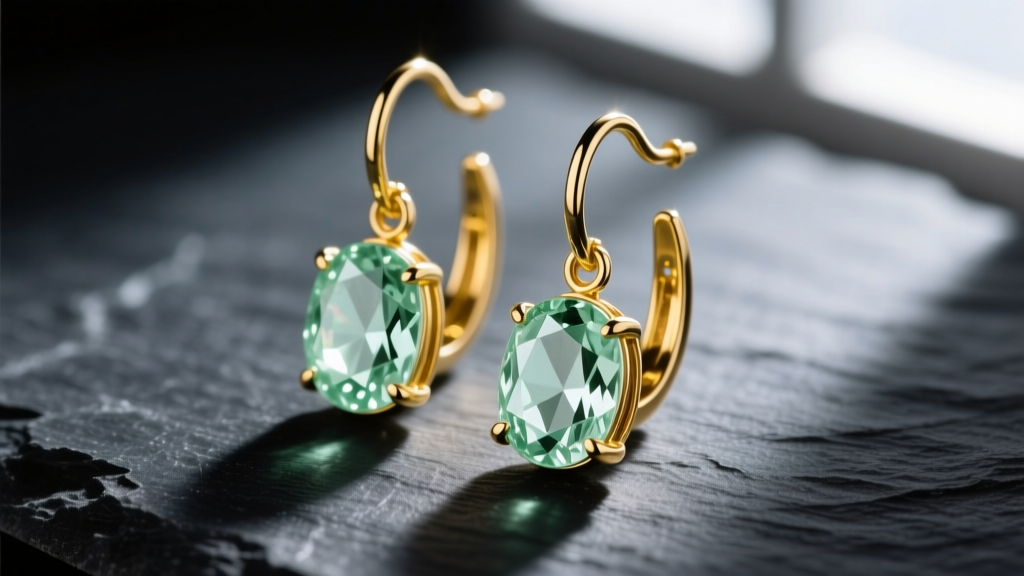
As botanical and earthy tones continue to dominate the 2026 jewelry landscape, green quartz earrings have emerged as a sophisticated, accessible luxury for collectors and everyday wearers alike. Unlike the vivid, high-priced allure of emeralds or tsavorite garnets, green quartz offers a softer, more ethereal aesthetic that bridges the gap between casual daywear and elegant evening styling. However, navigating the market for these gemstones requires a discerning eye. The term 'green quartz' is frequently used as a catch-all in commercial jewelry, masking a complex reality of natural rarities, heat-treated alternatives, and synthetic imitations. Whether you are hunting for delicate mint-green studs or dramatic olive-toned chandelier drops, understanding the gemological nuances, structural durability, and optimal metal pairings is essential. This comprehensive buying guide will equip you with the exact specifications and expert insights needed to curate a high-quality green quartz earring collection.
Natural vs. Heat-Treated: Understanding Prasiolite
The most critical factor when purchasing green quartz earrings is distinguishing between natural green quartz and its much more common counterpart, prasiolite. According to the Gemological Institute of America (GIA), true natural green quartz is exceptionally rare. When it does occur in nature, it is typically very pale, slightly cloudy, and owes its faint green hue to microscopic fibrous inclusions of amphibole minerals like actinolite.
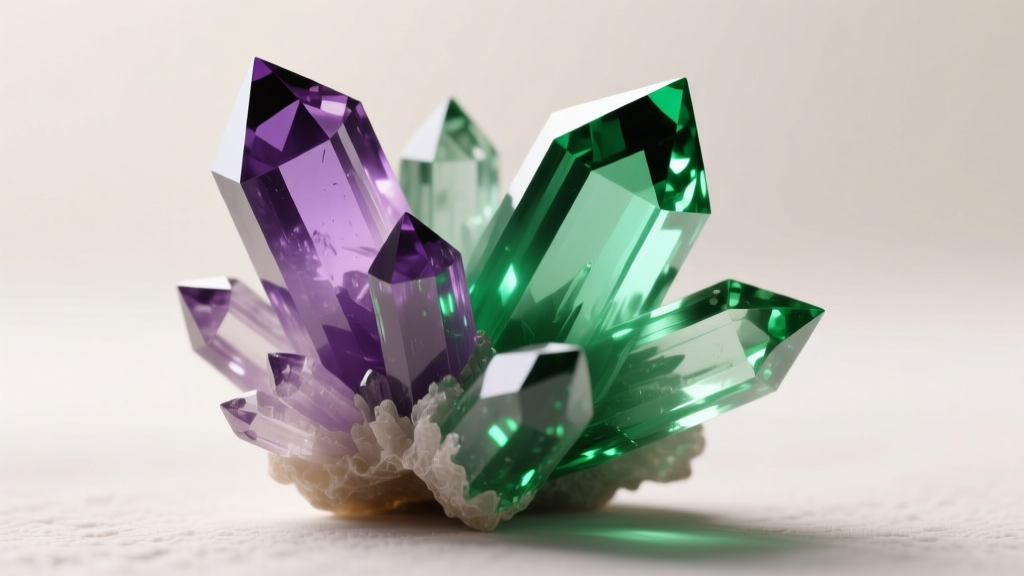
Conversely, over 95% of the transparent, vividly colored green quartz on the market is actually prasiolite—a gemstone created by heat-treating specific varieties of amethyst or smoky quartz to approximately 500°C. This thermal process alters the iron impurities within the crystal lattice, resulting in a stable, transparent green hue. While heat treatment is a widely accepted and permanent practice in the gemological community, it should be disclosed by reputable jewelers. The Mindat mineralogy database notes that the geographical origin of the original amethyst (often from the Montezuma region in Brazil) dictates the depth of the resulting green color. When buying, always ask for a gemological disclosure; if a seller claims their deeply saturated, flawless green quartz is '100% natural and untreated,' approach with extreme skepticism.
Color Grading: From Mint to Deep Forest
Unlike diamonds, which are graded on a strict absence of color, green quartz is valued for its hue, tone, and saturation. The market generally categorizes these earrings into three distinct color profiles:
- Mint Green: Light, airy, and slightly yellowish-green. This pastel shade is highly sought after for spring and summer collections and pairs beautifully with white gold.
- Olive / Sage: A medium-toned, earthy green with subtle brown or gray undertones. Olive prasiolite offers a vintage, antique feel and is incredibly flattering against warm skin tones.
- Forest / Deep Green: The rarest and most valuable saturation. Achieving a deep, emerald-like green requires exceptional raw amethyst material. Be wary of stones that look unnaturally dark, as they may be dyed rather than heat-treated.
The Impact of Lighting on Green Tones
Green quartz exhibits pleochroic tendencies, meaning it can show slightly different color intensities depending on the angle of observation and the light source. Always evaluate green quartz earrings under both natural daylight and warm indoor lighting. Fluorescent lighting can wash out mint tones, making them appear nearly colorless, while incandescent light will amplify the yellow undertones in olive stones.
Evaluating Cut, Clarity, and Carat Weight
Because green quartz (prasiolite) is typically eye-clean, any visible inclusions should be considered a flaw that significantly reduces the stone's value. The refractive index of quartz (1.544 - 1.553) is relatively modest, meaning it lacks the intense brilliance of a diamond or cubic zirconia. Therefore, the cut is paramount. Precision faceting—such as step cuts, emerald cuts, or intricate fantasy cuts—is required to maximize light return and prevent the stone from looking 'sleepy' or flat.
For cabochon earrings, look for a smooth, symmetrical dome with a high polish. In terms of carat weight, quartz is relatively lightweight (specific gravity of 2.65), allowing for larger, statement-making drop earrings without causing earlobe fatigue. However, if you are purchasing heavy drops exceeding 15 carats per stone, ensure the earring posts are crafted in a thicker 18-gauge wire rather than the standard 20-gauge to prevent bending and ensure structural integrity.
| Variety | Origin / Process | Color Profile | Price Range (Per Carat) | Best Earring Style |
|---|---|---|---|---|
| Natural Green Quartz | Rare, untreated | Pale, slightly cloudy | $50 - $150 | Cabochon studs |
| Prasiolite (Treated) | Heat-treated Amethyst | Mint to deep olive | $15 - $60 | Faceted drops |
| Aventurine (Quartzite) | Natural, mica inclusions | Opaque, sparkly green | $5 - $20 | Beaded hoops |
Metal Pairings: Maximizing the Green Hue
The metal setting acts as a mirror, reflecting its color back into the gemstone and fundamentally altering its appearance. Choosing the right metal for your green quartz earrings is a strategic decision:
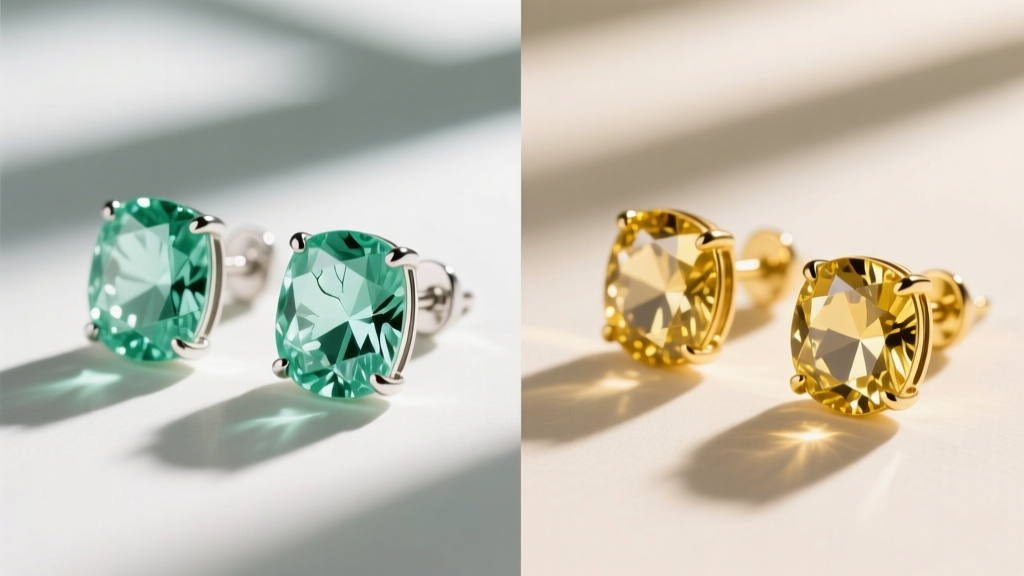
- Yellow Gold (14k or 18k): Enhances the warmth of olive and sage green quartz, creating a rich, botanical aesthetic. This is the premier choice for vintage-inspired or Art Deco designs.
- White Gold and Platinum: Provides a crisp, modern contrast that makes mint green stones pop. The cool undertones of the metal neutralize any yellowish tints in the stone, resulting in an icy, refreshing look.
- Rose Gold: Creates a striking, complementary color contrast. The pinkish-copper tones of rose gold sit opposite green on the color wheel, making the green quartz appear more vibrant and saturated.
Face Shapes and Earring Silhouettes
Beyond the gemstone itself, the silhouette of the earring must harmonize with your facial structure to achieve a balanced, flattering look.
- Round Faces: Opt for elongated green quartz dangles or linear drop earrings. The vertical lines help to lengthen the face and draw the eye downward, avoiding large, circular hoops that can emphasize roundness.
- Square Faces: Soften strong jawlines with curved silhouettes. Green quartz huggies, oval cabochon studs, or teardrop-shaped chandelier earrings introduce gentle curves that balance angular features.
- Heart-Shaped Faces: Choose earrings that are wider at the bottom to balance a narrower chin. Triangle-shaped prasiolite drops or clustered green quartz studs work exceptionally well.
- Oval Faces: The universal face shape can pull off virtually any style, from geometric green quartz ear cuffs to classic round studs.
Care, Maintenance, and Failure Modes
Quartz ranks at a 7 on the Mohs hardness scale, making it highly resistant to scratching and suitable for daily wear. However, it is susceptible to hard knocks that can cause chipping along the girdle. When storing your earrings, keep them in a soft microfiber pouch away from harder gems like sapphires or diamonds.
Expert Warning: Prolonged exposure to direct, intense ultraviolet light (such as leaving your jewelry on a sunny windowsill for months) can cause heat-treated prasiolite to fade, sometimes reverting to a pale yellow or grayish tone. Always store your green quartz earrings in a dark, temperature-controlled jewelry box when not in use.
For cleaning, avoid ultrasonic cleaners, especially if the stones have been fracture-filled or if the setting includes secondary accent stones like opals or emeralds. Instead, use a soft-bristled brush, warm water, and a mild, phosphate-free dish soap. Rinse thoroughly and dry with a lint-free cloth to maintain the high polish of both the gemstone and the metal setting.
Final Verdict: Building Your Green Quartz Collection
Green quartz earrings represent a brilliant intersection of affordability, durability, and high-fashion aesthetics. By prioritizing transparent disclosures regarding heat treatments, selecting precision cuts that maximize light return, and pairing the stones with complementary metals, you can acquire pieces that look far more expensive than their price tags suggest. Whether you prefer the subtle, earthy charm of olive cabochons or the vibrant, modern edge of faceted mint drops, green quartz offers a versatile and enduring addition to any fine jewelry wardrobe.


