Troubleshooting James Avery Heart Earrings: Repair & Care Guide
Learn how to troubleshoot James Avery heart earrings. Expert fixes for bent posts, stubborn tarnish, stiff hinges, and lost backs to restore jewelry.

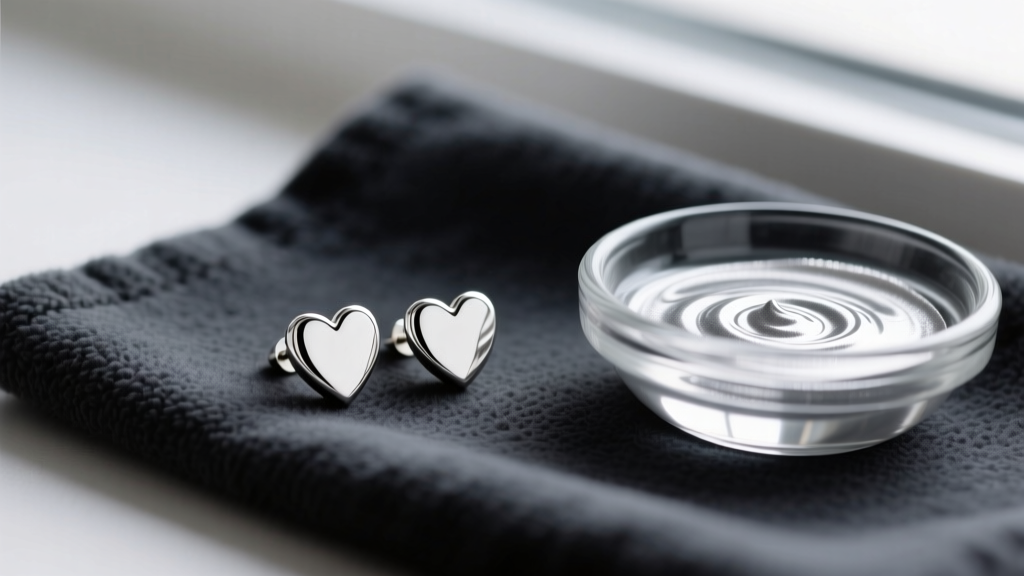
James Avery heart earrings are iconic staples in jewelry collections, celebrated for their distinctive textures, meaningful motifs, and exceptional craftsmanship. However, daily wear exposes these pieces to environmental stressors, chemical reactions, and physical impacts that can lead to tarnishing, bent posts, and stiff hinges. Whether you own the classic Puffed Heart studs, the Open Heart hoops, or the intricate Heart Cross designs, understanding the metallurgy and mechanics of your jewelry is essential for proper maintenance.
This comprehensive troubleshooting guide addresses the most common failure modes of James Avery heart earrings, providing actionable, expert-level solutions to restore your pieces without compromising their structural integrity or intentional patina.
The Anatomy of James Avery Heart Earrings
Before attempting any repairs, it is crucial to understand the materials and construction methods used by James Avery. The vast majority of their silver heart earrings are cast in 925 sterling silver, an alloy comprising 92.5% pure silver and 7.5% copper. The copper adds necessary tensile strength but is also the primary catalyst for oxidation and tarnishing. Earring posts are typically crafted in 20-gauge (0.81mm) or 18-gauge (1.02mm) wire, soldered to the back of the heart motif using a high-temperature silver solder.
Furthermore, James Avery frequently employs intentional oxidation—a chemical darkening process using liver of sulfur—to accentuate the deep grooves, candelabra trademarks, and textured surfaces of their heart designs. Recognizing the difference between unintentional surface tarnish and intentional patina is the first step in proper troubleshooting.
Troubleshooting Matrix: Quick Diagnostics
Use the matrix below to quickly identify the issue affecting your heart earrings and determine the appropriate intervention strategy.
| Symptom | Root Cause | Risk Level | Recommended Action |
|---|---|---|---|
| Post bends easily during insertion | Sterling silver softness / 20G gauge tolerance | Moderate | Straighten with nylon-jaw pliers; avoid metal-on-metal contact. |
| Recessed areas turn bright white | Chemical dip cleaners stripping intentional patina | High (Aesthetic) | Professional re-oxidation by a jeweler; avoid liquid dips. |
| Hoops hinge feels stiff or gritty | Sebum and lotion buildup in the barrel hinge gap | Low | Ultrasonic soak or warm soapy bath; micro-oil application. |
| Earring back slides off too easily | Worn friction back or stretched post notch | High (Loss Risk) | Replace with La Pousette secure backs or silicone stoppers. |
Deep Dive: Fixing Bent Sterling Silver Posts
A bent earring post is arguably the most frequent issue encountered with sterling silver studs. Because pure silver is too soft for jewelry, the 7.5% copper alloy in sterling silver provides durability, but a 20-gauge (0.81mm) post remains highly susceptible to bending when pressure is applied at an awkward angle during insertion or removal.
Gauge Tolerances and Straightening Techniques
When a post bends, the crystalline structure of the metal undergoes work-hardening. If you attempt to bend it back and forth with your fingers or standard steel jewelry pliers, you will induce metal fatigue, inevitably causing the post to snap at the solder joint—the weakest point due to the heat-affected zone from manufacturing.
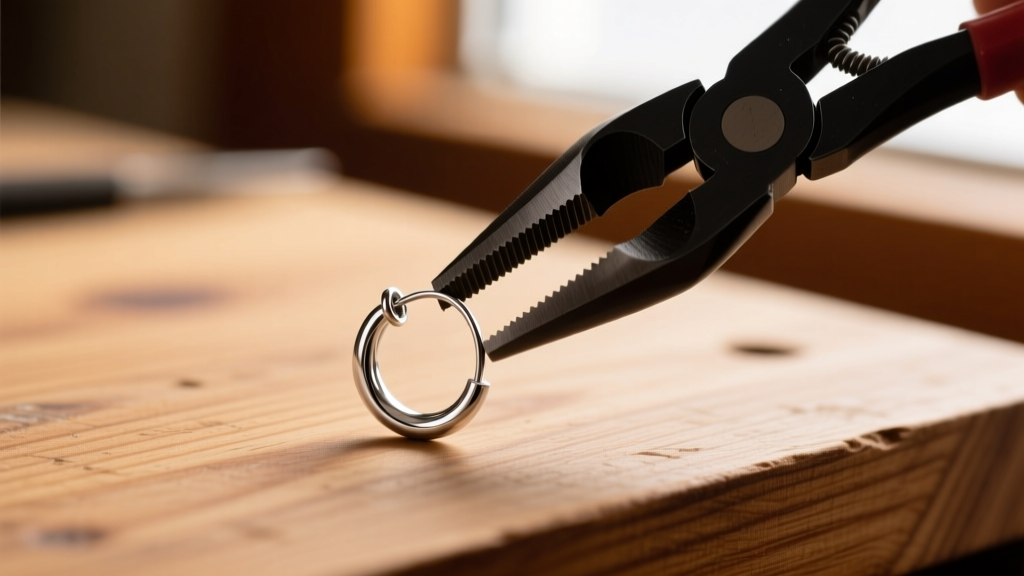
The Expert Fix: Never use bare steel pliers on sterling silver; the steel will gouge the softer silver, creating micro-abrasions that trap dirt and accelerate localized tarnishing. Instead, use nylon-jaw chain-nose pliers. Grip the base of the post firmly near the solder joint to prevent torque from transferring to the joint itself. Apply slow, steady, unidirectional pressure to coax the post back to a 90-degree alignment. If the post has been bent and straightened multiple times and feels brittle, take it to a local bench jeweler to have the post annealed (heat-treated to soften the metal) or completely re-soldered.
Solving the Tarnish vs. Patina Dilemma
Silver does not rust; it reacts with sulfur compounds in the environment (such as hydrogen sulfide in the air or sulfur in sweat) to form silver sulfide (Ag2S), which manifests as a yellow, brown, or black film. However, James Avery utilizes controlled sulfur exposure to create the dark, antique-looking contrast in the crevices of their heart earrings.
Chemical Cleaning vs. Mechanical Polishing
The most catastrophic mistake an owner can make is submerging textured James Avery heart earrings in liquid silver dip cleaners (which typically contain thiourea and mild acids). These solutions instantly strip all silver sulfide—including the intentional, factory-applied patina. The result is a flat, overly bright earring that loses its three-dimensional depth and signature aesthetic.
Expert Rule of Thumb: Never use liquid dip cleaners, baking soda paste, or aluminum foil electrolysis baths on James Avery jewelry. These methods cannot differentiate between environmental tarnish and artistic oxidation, stripping both indiscriminately. For authoritative guidance on preserving treated metals, consult the Gemological Institute of America's silver care guidelines.
The Expert Fix: Rely on mechanical polishing using a treated micro-abrasive cloth (such as a Sunshine cloth). Gently rub only the raised, high-polish surfaces of the heart earring. Use a dry, soft-bristled makeup brush to dust out the recessed, oxidized areas without disturbing the darkened finish. For heavy grime, a drop of mild dish soap and lukewarm water, agitated with a baby toothbrush, is the safest approach approved by the official James Avery care instructions.
Hinge and Clasp Failures on Heart Hoops
James Avery heart hoops and huggies rely on precision-soldered barrel hinges and click-shut locking mechanisms. Over time, the microscopic 0.5mm gap in the hinge becomes a trap for dead skin cells, sebum, cosmetics, and environmental dust. This biological sludge hardens, causing the hinge to feel stiff, gritty, or entirely seized.
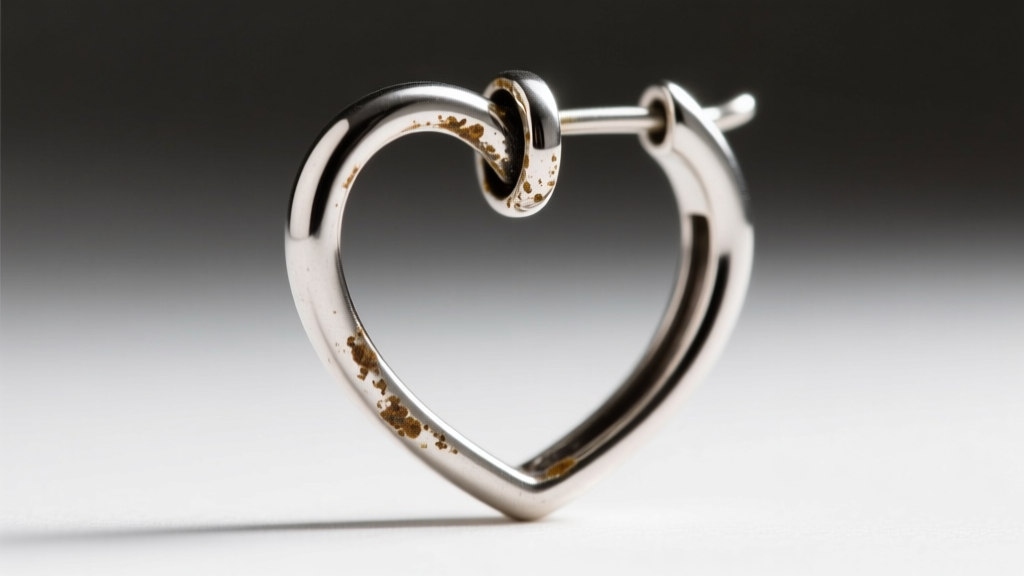
The Expert Fix: Do not force the hinge open or closed, as this can bend the internal pin or snap the receiving catch. Prepare a soaking solution of warm water and a few drops of degreasing dish detergent. Let the earrings soak for 15 minutes to rehydrate the debris. Use a soft toothbrush to gently sweep the hinge line. Rinse thoroughly and dry completely with compressed air or a hairdryer on a cool setting. Finally, apply a microscopic drop of synthetic watch oil (like Moebius 9010) to the hinge pin using a fine needle. Avoid household oils like WD-40, which contain solvents that can degrade skin over time and attract more dust.
Upgrading Earring Backs for Security
Standard friction backs (butterfly clasps) rely on a small dimple in the metal to grip the groove on the earring post. Over years of use, the tension in the friction back's loops relaxes, and the groove on the sterling silver post can wear down, leading to a high risk of losing the earring.
For valuable James Avery heart studs, upgrade to La Pousette backs or high-quality silicone stoppers. La Pousette backs feature a mechanical locking mechanism that clicks securely behind the post groove, requiring a deliberate pinch to release. If your post lacks a deep enough groove to catch a secure back, a bench jeweler can use a bead-setting tool to press a new, deeper notch into the 20-gauge wire in seconds.
Preventative Maintenance Schedule
To minimize the need for troubleshooting, implement this simple maintenance routine for your heart earrings:
- Weekly: Wipe the high-polish surfaces with a dry, untreated microfiber cloth to remove acidic skin oils before they can etch the silver.
- Monthly: Inspect the earring posts for micro-bends and check the tension of your friction backs. Replace loose backs immediately.
- Bi-Annually: Perform a gentle wash with mild dish soap and a soft brush to clear debris from hinges and textured crevices.
- Storage: Store earrings in anti-tarnish flannel pouches or sealed plastic bags with 3M anti-tarnish strips to absorb ambient sulfur compounds.
By understanding the specific metallurgical properties and design intentions behind James Avery heart earrings, you can confidently troubleshoot common issues, ensuring your jewelry remains secure, vibrant, and structurally sound for decades of daily wear.


