How to Clean, Restore, and Fix Kate Spade Silver Earrings
Discover expert troubleshooting for Kate Spade silver earrings. Learn how to safely remove tarnish, fix broken posts, and prevent green skin.

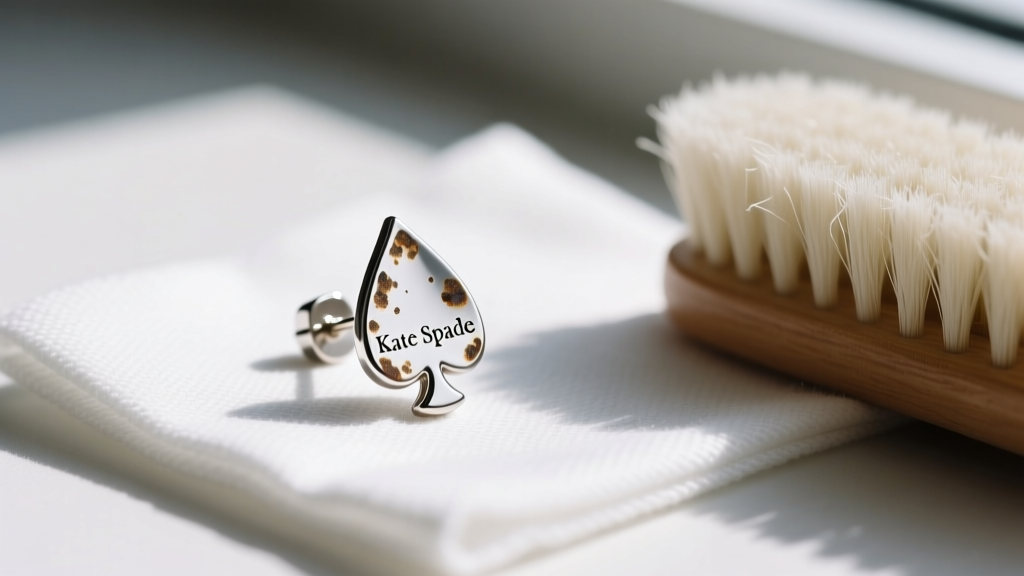
Kate Spade silver earrings are a staple in many jewelry collections, beloved for their whimsical motifs, signature spade logos, and versatile elegance. However, as fashion-forward pieces, they present unique maintenance challenges. Whether you own a pair of delicate silver-plated floral drops or solid sterling silver huggies, daily wear exposes them to humidity, skin oils, and cosmetics that accelerate tarnishing and mechanical wear.
If your favorite pair has turned black, lost a post, or is leaving a green mark on your earlobe, do not throw them away. This comprehensive troubleshooting guide will walk you through the exact material science, cleaning protocols, and repair techniques needed to restore your Kate Spade earrings to their original brilliance.
Identifying Your Metal: Solid Sterling vs. Silver-Plated
Before applying any cleaning solution, you must identify the exact metallurgy of your earrings. The Federal Trade Commission (FTC) mandates strict guidelines for precious metal stamping, which provides your first clue.
The .925 Sterling Silver Line
If your earrings are stamped with ".925" or "Sterling," they are part of Kate Spade's fine jewelry collection. These are solid alloys containing 92.5% pure silver and 7.5% copper. The copper adds durability but is also the primary culprit for oxidation and tarnish when exposed to sulfur compounds in the air.
Silver-Plated Brass and Base Metals
The majority of Kate Spade's fashion jewelry, including the iconic initial studs and novelty spade motifs, are crafted from brass or base metal and electroplated with a microscopic layer of silver (typically 0.5 to 1.5 microns thick). Warning: Using harsh abrasives or chemical silver dips on plated jewelry will strip the silver layer entirely, permanently exposing the yellow brass underneath.
The Tarnish Troubleshooting Protocol
Silver tarnish is not dirt; it is a chemical reaction. Hydrogen sulfide in the atmosphere reacts with silver to form silver sulfide, a dark brown or black compound. The removal method depends entirely on your metal type.
For Silver-Plated Kate Spade Earrings
Because the silver layer is exceptionally thin, you must rely on gentle surfactants rather than chemical reduction.
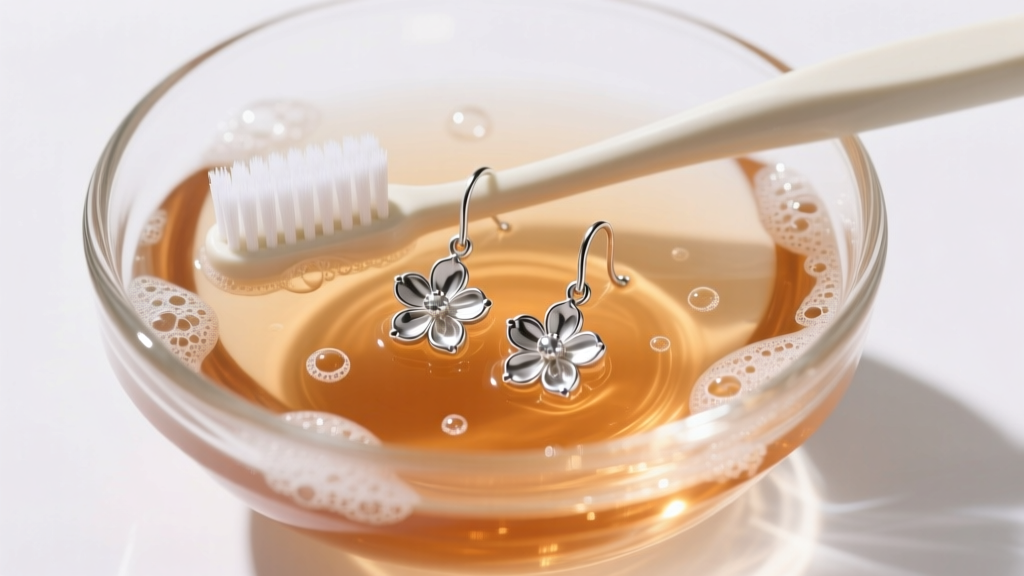
- The Mild Surfactant Bath: Mix three drops of phosphate-free dish soap (like Dawn) into a bowl of distilled water. Tap water contains chlorine and minerals that can cause water spots on plating.
- Agitation: Submerge the earrings for exactly 3 minutes. Use a baby toothbrush with extra-soft bristles to gently sweep the crevices of the spade logo or enamel inlays.
- Drying: Pat dry with a lint-free microfiber cloth. Never air-dry, as water evaporation leaves mineral deposits that mimic tarnish.
Expert Warning: Never use baking soda paste or standard toothpaste on silver-plated Kate Spade earrings. Baking soda has a Mohs hardness of 2.5, which is hard enough to micro-scratch and wear through a 1-micron silver plating layer.
For Solid .925 Sterling Silver Earrings
For solid sterling pieces, you can utilize an ion-exchange reaction to reverse the tarnish without removing any base metal.
- Line a glass bowl with aluminum foil (shiny side up).
- Place the sterling earrings on the foil.
- Sprinkle 1 tablespoon of baking soda and 1 teaspoon of salt over the jewelry.
- Pour boiling water into the bowl until the earrings are submerged. The chemical reaction will transfer the sulfur from the silver to the aluminum foil.
- Remove with wooden tongs after 5 minutes, rinse in distilled water, and buff.
Troubleshooting Mechanical Failures: Posts and Hinges
Fashion jewelry is often mass-produced with soldered friction posts that are prone to mechanical failure. Standard Kate Spade stud posts are typically 20-gauge (0.81mm) or 18-gauge (1.0mm).
The Snapped Post Dilemma
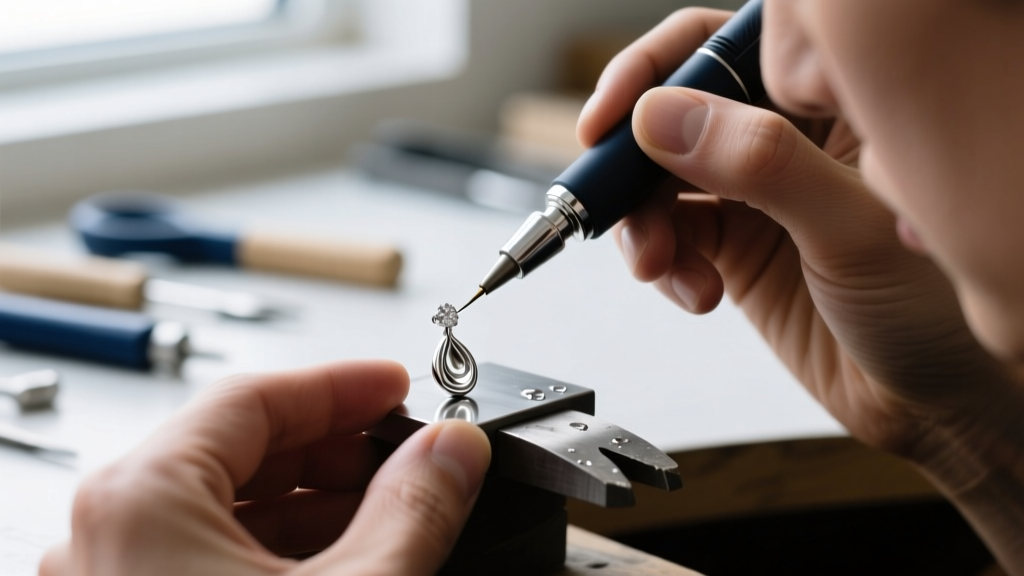
If the metal post snaps cleanly off the back of the earring, the solder joint has failed. While a professional jeweler can laser-weld a new sterling silver post onto the piece, the repair typically costs between $35 and $60. Given that most Kate Spade fashion studs retail between $38 and $58, this repair is rarely cost-effective.
The Upcycling Solution: Take the broken stud to a jeweler and have them solder a sterling silver jump ring and bail to the top. You can now wear your favorite Kate Spade motif as a pendant on a lightweight 18-inch chain, preserving the sentimental value without the high repair cost.
Loose Friction Backs and Lost Earrings
The "butterfly" friction backs included with these earrings often wear out. The tiny notches on the post become smoothed down over time, causing the back to slide off. Instead of replacing the earring, upgrade to silicone O-ring friction backs or LaPourelle locking earring backs, which grip the post via a patented internal clutch mechanism, securing a 20G post with up to 5 lbs of pull-force resistance.
Solving Contact Dermatitis and "Green Ear"
According to the Gemological Institute of America (GIA), pure silver is hypoallergenic. Therefore, if your Kate Spade earrings are causing itching or leaving a green stain, you are reacting to the alloy metals beneath the surface.
The Green Stain (Copper Chloride Reaction)
A green mark on the earlobe is not an allergy; it is a chemical reaction between the copper in the brass core (or the 7.5% copper in sterling silver) and the chlorides in your sweat. This is incredibly common in humid climates or during workouts.
- Short-term fix: Paint the earring post with a thin layer of clear polyurethane nail polish to create a physical barrier between the metal and your skin. Reapply every two weeks.
- Long-term fix: Purchase medical-grade silicone earring barrier sleeves (like Skintights) that slide over the post before insertion.
The Itchy Lobe (Nickel Allergy)
If your earlobes become red, swollen, and itchy, you may be reacting to trace nickel found in the base metal alloys or the solder used in plated fashion jewelry. The only permanent solution is to have a jeweler electroplate the posts and backs with rhodium, a precious metal from the platinum group that is 100% nickel-free and highly resistant to tarnish.
Preventative Storage Matrix
Proper storage is the most effective troubleshooting tool. Cardboard jewelry boxes contain sulfur-based acids from the paper bleaching process, which actively accelerate tarnishing. Use the following matrix to optimize your storage environment:
| Storage Method | Effectiveness | Best For | Cost Estimate |
|---|---|---|---|
| Pacific Silvercloth Pouches | Exceptional | Solid .925 Sterling Huggies & Hoops | $12 - $18 |
| Ziploc Bags + Silica Gel Packets | High | Silver-Plated Enamel Studs | $0.50 per bag |
| Anti-Tarnish 3M Strips | Moderate | Large Jewelry Boxes / Drawers | $8 for a 12-pack |
| Standard Cardboard Box | Detrimental | None (Causes rapid sulfur tarnish) | N/A |
When to Retire the Piece
Not all damage can be reversed. If your silver-plated Kate Spade earrings exhibit "pitting" (tiny craters in the metal caused by corrosive cosmetics like hairspray or chlorine) or if the base metal is flaking through the plating in large patches, the structural integrity of the plating is gone. At this stage, chemical restoration is impossible. Retire the piece, and use the knowledge gained here to properly maintain your next pair of silver earrings from day one.


