The Pearl Earrings Theory: Nacre & Metal Properties
Explore the pearl earrings theory, comparing nacre thickness, luster grades, and hypoallergenic metal settings for lasting organic gemstone jewelry.

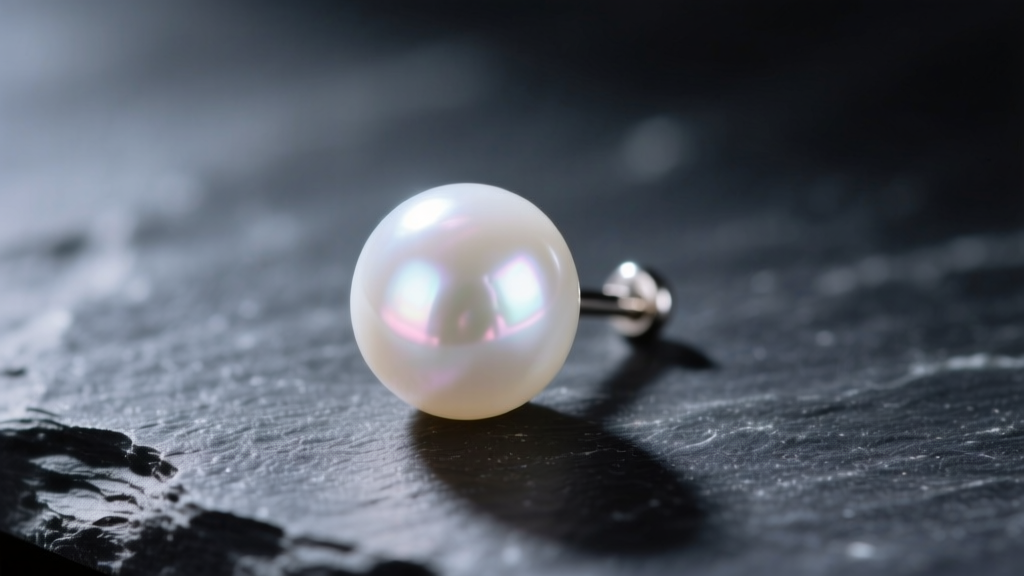
Defining the Pearl Earrings Theory: Organic Meets Metallurgy
In the world of fine jewelry, the pearl earrings theory is an advanced stylistic and gemological framework that evaluates how the organic properties of a pearl interact with the inorganic metallurgical characteristics of its setting. Unlike faceted gemstones such as diamonds or sapphires, pearls are biological creations composed of calcium carbonate (aragonite) and an organic protein called conchiolin. This unique composition means that a pearl earring's longevity, luster, and structural integrity are not determined by the gemstone alone, but by the precise synergy between the nacre quality and the metal alloy cradling it.
Understanding this theory is critical for anyone investing in pearl studs, drops, or cartilage pieces. A mismatch between a delicate freshwater pearl and a high-tension, poorly finished prong setting can lead to catastrophic nacre chipping. Conversely, pairing a heavy South Sea pearl with a weak, low-karat gold post can result in bending, tearing, and eventual loss of the gem. By examining the material science behind these organic gems, we can make highly informed, data-driven decisions about which pearl earrings will endure a lifetime of wear.
Nacre Thickness & Luster: The Core Material Metrics
The soul of any pearl earring lies in its nacre—the microscopic layers of aragonite platelets secreted by the mollusk. The Gemological Institute of America (GIA) emphasizes that nacre thickness directly dictates both the optical performance (luster and orient) and the physical durability of the pearl. Thin-nacre pearls, often harvested prematurely in mass-market operations, possess a chalky appearance and are highly susceptible to peeling or delaminating from their internal bead nucleus.
Akoya vs. South Sea vs. Freshwater: A Data Comparison
To apply the pearl earrings theory practically, one must understand the baseline material metrics of the three primary earring pearl types. Below is a comparative breakdown of their structural properties and market positioning.
| Pearl Type | Avg. Nacre Thickness | Luster Profile | Mohs Hardness | Price Range (Studs) |
|---|---|---|---|---|
| Hanadama Akoya | 0.40mm - 0.60mm | Mirror-like, sharp reflections | 2.5 - 3.0 | $400 - $1,200 |
| White South Sea | 2.00mm - 4.00mm | Satin, deep glowing orient | 2.5 - 3.0 | $1,500 - $5,000+ |
| Edison Freshwater | 1.50mm - 3.00mm | Metallic, high-contrast | 2.5 - 3.5 | $200 - $800 |
| Standard Akoya | 0.10mm - 0.30mm | Chalky to moderate | 2.5 - 3.0 | $50 - $250 |
When selecting studs for daily wear, the Hanadama Akoya or Edison Freshwater varieties offer the best intersection of durability and optical brilliance. Standard Akoya pearls with less than 0.3mm of nacre should be avoided for everyday earrings, as friction from hair and clothing will eventually wear the nacre down to the shell bead nucleus.
The Metallurgical Half: Setting Materials & Failure Modes
The second pillar of the pearl earrings theory addresses the metal setting. Because pearls rank at a mere 2.5 to 4.5 on the Mohs hardness scale, they are easily scratched by hardened steel or rough alloy finishes. Furthermore, pearls are highly porous and chemically sensitive. The American Gem Society warns that exposing pearls to harsh jewelry chemicals can permanently etch their surface.
Best Metals for Pearl Settings
- 14k or 18k Yellow/White Gold: The industry standard. 18k gold offers a richer color that complements the warm overtones of cream or golden South Sea pearls, while 14k provides slightly higher tensile strength for securing heavy drop earrings.
- Platinum (950 Pt): Ideal for high-value pearl pieces. Platinum's density allows for secure, low-profile bezel or martini settings that protect the pearl's drill hole from accumulating oils and debris.
- Implant-Grade Titanium (ASTM F-136): The ultimate choice for fresh piercings or sensitive cartilage. Titanium is entirely nickel-free and will not trigger galvanic reactions that could degrade the pearl's conchiolin matrix.
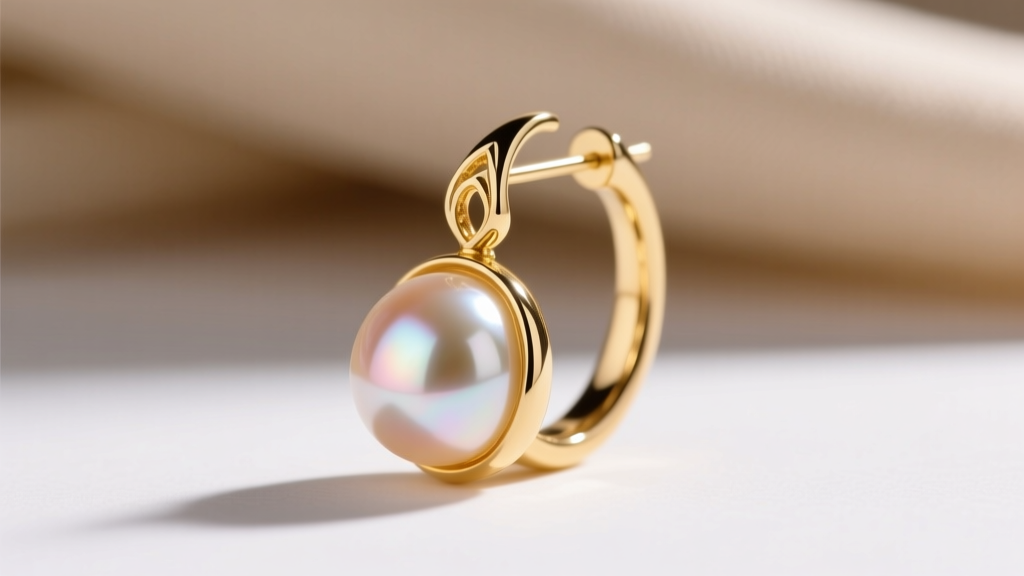
Critical Failure Mode: The Rhodium Plating Risk
A major pitfall in mass-produced pearl jewelry is the practice of rhodium dipping white gold settings after the pearl has been set. The chemical baths and mild electrical currents used in rhodium plating can strip the pearl's natural luster and cause microscopic pitting. Always verify with a jeweler that a pearl earring was set post-plating, or opt for naturally white metals like platinum or palladium to avoid chemical exposure entirely.
Piercing Placement: Lobe vs. Cartilage Considerations
Material properties must also be mapped to human anatomy. The pearl earrings theory extends to how the weight and gauge of the earring interact with specific piercing sites. Earlobes consist of dense, fibrous tissue capable of supporting substantial weight, making them the ideal canvas for heavy 12mm South Sea drops or chandelier designs that can weigh up to 15 grams per ear. Standard lobe posts are typically 20-gauge (0.81mm) or 18-gauge (1.02mm).
Cartilage piercings (such as the helix, conch, or tragus), however, lack the same structural density and are highly prone to migration and irritation bumps if subjected to excess weight or improper angles. For cartilage, pearl earrings must be lightweight (under 3 grams) and feature a shorter, thicker post—usually 16-gauge (1.29mm) to 14-gauge (1.60mm)—to prevent the 'cheese-cutter effect,' where a thin wire slowly slices through the healing fistula. Flat-back titanium labrets with a bezel-set 5mm Akoya pearl are the gold standard for cartilage safety.
Care & Preservation: Preventing Nacre Delamination
Because pearls are organic, their care regimen is vastly different from crystalline gems. The conchiolin protein that binds the aragonite platelets together is highly vulnerable to dehydration and acidic environments. Human sweat, which has a pH ranging from 4.5 to 7.0, can slowly dissolve the pearl's surface if not wiped away after wear.
Never use ultrasonic or steam cleaners on pearl earrings. The high-frequency cavitation and intense heat will shatter the nacre layers and melt the epoxy often used to secure the pearl to its metal post. Instead, clean your earrings using a lint-free microfiber cloth lightly dampened with distilled water. Store them in a soft silk pouch, completely separated from diamonds or sapphires, which will easily gouge the soft organic surface. By respecting the delicate material science of these gems, your pearl earrings will maintain their legendary luster for generations.


