Troubleshooting Silver Western Earrings: Tarnish & Repairs
Learn how to clean, repair, and troubleshoot common issues with silver western earrings, from turquoise inlays to heavy tarnish.
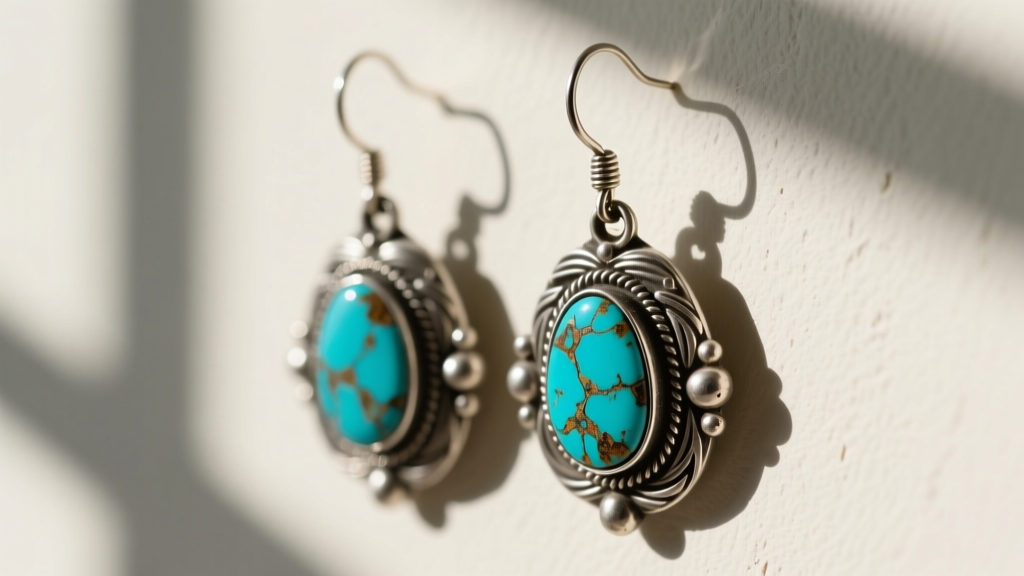
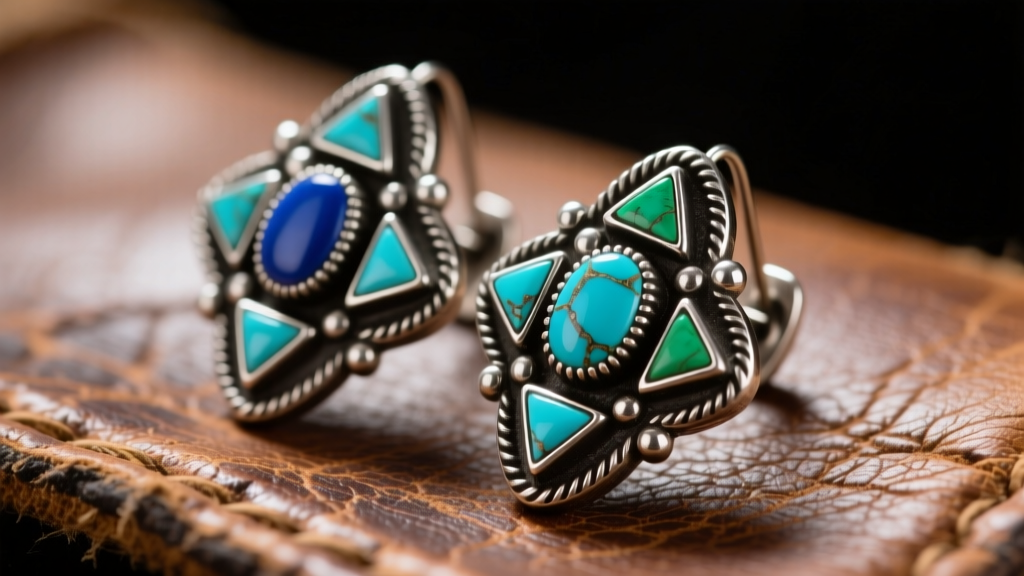
The Unique Anatomy of Silver Western Earrings
Western jewelry is more than a stylistic choice; it is a tradition of wearable art characterized by heavy stamping, repoussé metalwork, and vibrant stone inlays. However, the very techniques that make silver western earrings so visually striking also make them uniquely vulnerable to specific types of damage. Unlike minimalist modern studs, western designs often feature intricate bezel settings, intentional oxidation (antiquing), and heavy concho or feather drops that place immense stress on earring posts.
Most authentic pieces are crafted from .925 sterling silver (92.5% silver, 7.5% copper) or traditional coin silver (90% silver, 10% copper). The copper alloy provides the necessary hardness for detailed stamping but is also the culprit behind rapid tarnishing and structural fatigue at solder joints. Understanding the metallurgy and lapidary specifics of your earrings is the first step in effective troubleshooting.
Troubleshooting Table: Common Failures & Solutions
Before attempting any at-home fixes, accurately diagnose the issue. Below is a decision matrix for the most frequent problems encountered with western-style silver jewelry.
| Problem | Root Cause | Actionable Solution | Estimated Repair Cost (2026) |
|---|---|---|---|
| Snapped Earring Post | Stress fracture at the solder joint due to heavy drop weight. | Professional laser welding; standard torch soldering risks melting adjacent stones. | $45 - $85 |
| Loose Turquoise/Coral Cabochon | Bezel wire worn thin or bent outward from impact. | Bench jeweler re-burnishing; do not use glue. | $30 - $60 |
| Green Skin Discoloration | Copper in the sterling alloy reacting to sweat and cosmetics. | Coat the post in clear jewelry shield or upgrade to a platinum-plated post. | $15 (DIY) / $40 (Jeweler) |
| Loss of Intentional Oxidation | Aggressive polishing removing the dark patina in stamped crevices. | Professional re-oxidation using liver of sulfur. | $25 - $50 |
Step-by-Step Tarnish Removal for Stamped Designs
Tarnish on western silver is a double-edged sword. While surface tarnish (silver sulfide) dulls the shine, the dark oxidation nestled inside stamped crevices provides the contrast necessary to highlight the design. Using commercial silver dips will strip this intentional antiquing, leaving the earring looking flat and cheap.
The Aluminum Foil & Baking Soda Method
For plain silver areas or pieces without porous stones, an electrochemical reaction is the safest way to remove tarnish without abrasive scratching.
- Line a glass bowl with aluminum foil (shiny side up).
- Place the earrings on the foil, ensuring the silver touches the metal.
- Sprinkle 2 tablespoons of baking soda and 1 tablespoon of sea salt over the jewelry.
- Pour boiling water into the bowl until the earrings are submerged. You will see bubbles and smell sulfur.
- After 3 minutes, remove with wooden tongs, rinse in distilled water, and pat dry with a microfiber cloth.
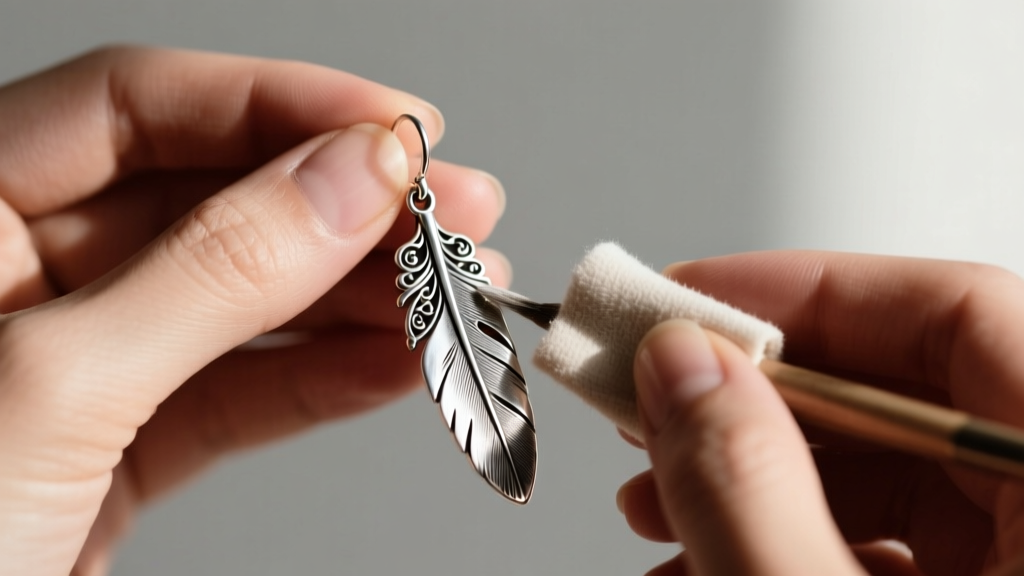
Silversmith Warning: Never submerge natural turquoise, malachite, or coral in hot water or chemical baths. These stones are highly porous and will absorb the solution, leading to irreversible cracking and discoloration. For stone-set pieces, use a dry polishing cloth only on the exposed silver.
Fixing Loose Stone Inlays
Turquoise, lapis lazuli, and coral are the lifeblood of western jewelry. However, turquoise ranks only 5 to 6 on the Mohs hardness scale, and coral is a mere 3 to 4. Over time, the silver bezel wire holding these cabochons can pull away from the stone due to temperature fluctuations or minor impacts.
If you notice your stone rattling or shifting, do not attempt to secure it with cyanoacrylate (Super Glue) or jeweler's epoxy. Adhesives will seep into the porous stone, permanently ruining its matrix and color. Instead, wrap the earring in a soft cloth to prevent further loss and take it to a bench jeweler. They will use a specialized tool called a bezel pusher to gently burnish the silver wire back over the stone's edge. According to the Gemological Institute of America (GIA), proper mechanical setting is the only safe method for securing porous gemstones.
Reshaping Bent Silver Conchos and Feather Dangles
Western dangle earrings, particularly those featuring elongated silver feathers or wide concho discs, are prone to bending. Because sterling silver is relatively soft, dropping an earring or sleeping in it can easily warp the metal.
To fix minor warping at home:
- Place the earring on a clean, flat steel bench block.
- Use a rawhide or nylon jewelry mallet—never a metal hammer, which will mar the silver.
- Gently tap the warped areas, working from the center outward to flatten the metal without stretching it.
- If the piece has heavy stamping, place it on a soft leather sandbag instead of a steel block to prevent crushing the 3D repoussé details.
Verifying Authenticity: Is Your Silver Real?
The market is flooded with counterfeit western jewelry marketed as "Tibetan Silver" or "Alpaca Silver," which contain zero actual silver and are often dangerous nickel alloys that cause severe contact dermatitis. If you are troubleshooting an earring that refuses to polish or causes rashes, verify its authenticity.
- The Magnet Test: Real sterling silver is paramagnetic (non-magnetic). If a neodymium magnet snaps to your earring, it is steel or iron plated with a silver-colored alloy.
- The Ice Test: Silver has the highest thermal conductivity of any common metal. Place an ice cube on the silver concho; it should begin melting almost instantly, far faster than on glass or base metal.
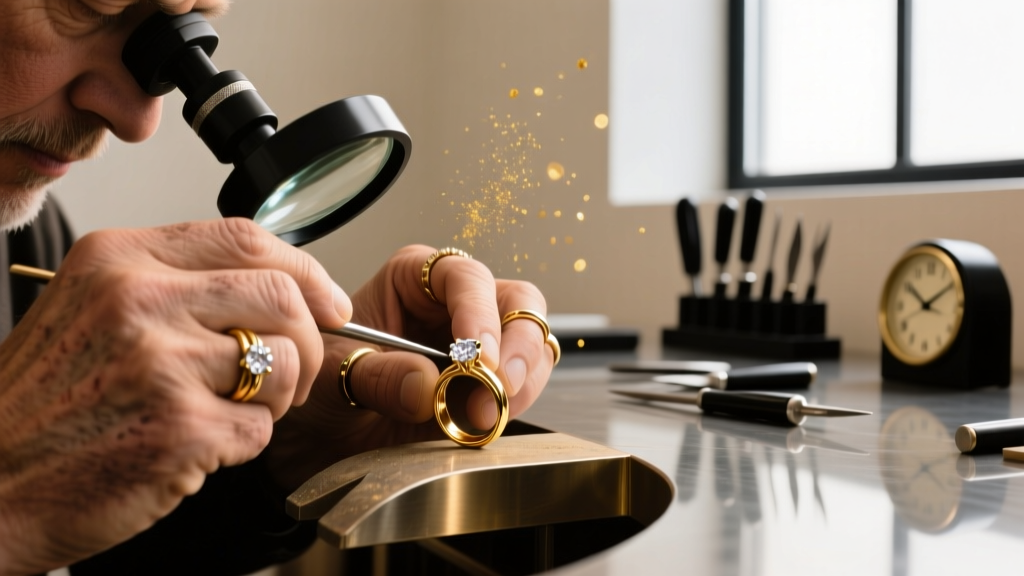
- Hallmark Inspection: Use a jeweler's loupe to inspect the back of the post or the edge of the concho. Look for ".925", "Sterling", or a specific Native American artisan hallmark. Avoid pieces stamped "EPNS" (Electroplated Nickel Silver) or "IS" (International Silver), which indicate plating over base metals.
For further guidance on identifying genuine precious metals and gemstones, the American Gem Society provides excellent consumer resources on avoiding fraudulent jewelry.
Preventative Maintenance & Storage Hacks
The best troubleshooting strategy is prevention. Sulfur and moisture are the primary enemies of sterling silver. To keep your western earrings in pristine condition:
- Anti-Tarnish Strips: Store your earrings in an airtight ziplock bag with a 3M anti-tarnish strip. These strips absorb airborne sulfur compounds before they can react with the copper in your silver.
- Silica Gel Packets: Drop a desiccant packet into your jewelry box to control ambient humidity, which accelerates the tarnishing process.
- The "Last On, First Off" Rule: Always put your silver earrings on after applying hairspray, perfume, and lotions. The alcohols and chemicals in cosmetics can degrade the polish on turquoise and accelerate silver oxidation.
By understanding the specific material properties of your jewelry, you can ensure that your silver western earrings remain a vibrant, structurally sound part of your wardrobe for decades to come.


