Troubleshooting World Market Earrings: Skin Reactions & Care
Learn how to troubleshoot World Market earrings. Fix green skin, nickel allergies, bent posts, and tarnish with expert jewelry care hacks.

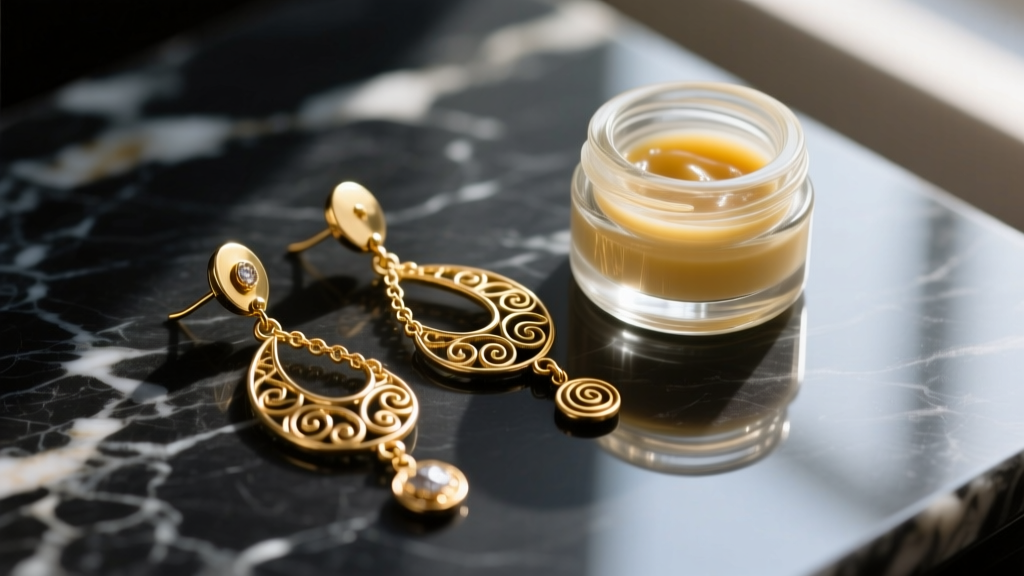
World Market earrings are beloved for their eclectic, globally inspired designs and accessible price points. Whether you are drawn to their hammered brass hoops, resin-inlaid drops, or bohemian beaded dangles, these statement pieces offer incredible style versatility. However, as any avid jewelry collector knows, affordable fashion jewelry often comes with a hidden cost: rapid tarnishing, structural fragility, and severe skin reactions.
In 2026, the democratization of jewelry means more consumers are mixing fine metals with fashion pieces. But when your favorite pair of World Market earrings leaves your earlobes itching, stained green, or structurally compromised, you need actionable solutions. This comprehensive troubleshooting guide dives deep into the metallurgy, structural engineering, and chemical realities of fashion jewelry, providing expert-level fixes to extend the life and wearability of your favorite pieces.
The Metallurgy of Fashion Jewelry: What Are You Actually Wearing?
To troubleshoot World Market earrings, you must first understand their base composition. Unlike fine jewelry crafted from solid 14k gold or platinum, fashion earrings typically rely on base metal alloys with a micro-thin surface plating.
- Brass & Bronze Bases: An alloy of copper and zinc. Highly malleable and excellent for casting intricate, hammered designs, but highly reactive to human sebum and oxygen.
- Nickel Silver (German Silver): Despite the name, this contains zero silver. It is a copper-nickel-zinc alloy prized for its bright, silvery finish, but it is a primary culprit for contact dermatitis.
- Flash Plating: The 'gold-tone' or 'silver-tone' finish is usually achieved via electroplating a layer of metal that is less than 0.5 microns thick. Once this microscopic barrier wears away, the reactive base metal is exposed to your skin.
Troubleshooting Skin Reactions: Green Stains vs. Allergies
The most common complaint with World Market earrings is skin irritation. However, treating the problem requires identifying whether you are experiencing a chemical oxidation reaction or an immune response.
The 'Green Ear' Oxidation Problem
If your earlobes turn green or black, you are not necessarily having an allergic reaction. This is a chemical reaction between the copper in the brass base metal and the acids, salts, and moisture in your sweat. The resulting compound, copper chloride, transfers to the skin.
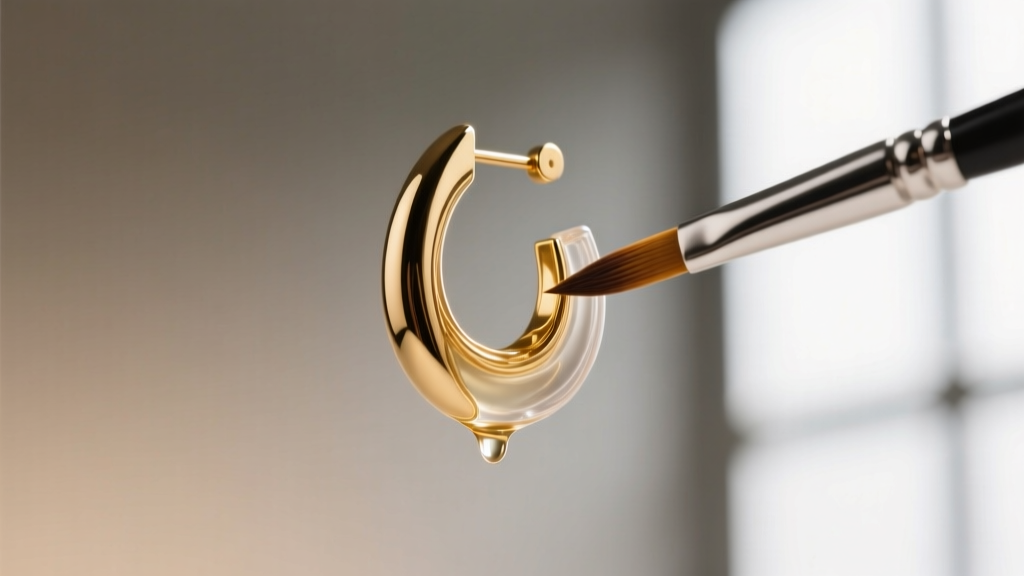
The Fix: The internet often suggests painting the earring post with clear nail polish. While this works temporarily, standard nitrocellulose-based polishes degrade rapidly when exposed to skin oils, usually chipping within three to four wears. For a permanent barrier, apply a specialized polyurethane-based jewelry sealant or a nano-ceramic coating. These formulas cure into a hardened, biocompatible shield that withstands friction and sebum.
Allergic Contact Dermatitis (Nickel Allergy)
If your ears become red, swollen, itchy, or develop a weeping rash, you are likely experiencing allergic contact dermatitis triggered by nickel. According to the American Academy of Dermatology, nickel allergy is one of the most common causes of allergic contact dermatitis worldwide, affecting up to 36% of women.
The Fix: Barrier sprays will eventually wear off on the high-friction post area. The ultimate troubleshooting hack is to bypass the World Market post entirely. Use a pair of flush cutters to carefully snip off the base metal post. Then, use a two-part jeweler's epoxy (like E6000) to attach a sterile, 18-gauge titanium or niobium fishhook wire to the earring backing. Alternatively, purchase 'post-to-hook' earring converters made from surgical steel, allowing you to slide the fashion earring into a hypoallergenic sleeve.
Structural Failures: Bent Posts and Loose Clasps
Fashion earrings frequently suffer from structural failures due to the wire gauges used in mass manufacturing. Understanding wire gauge thickness is critical for troubleshooting physical damage.
| Wire Gauge | Diameter (mm) | Common Usage | Tensile Vulnerability |
|---|---|---|---|
| 22-Gauge | 0.64mm | Ultra-lightweight fashion studs, cheap fishhooks | Extremely high; bends with minimal lateral pressure |
| 20-Gauge | 0.81mm | Standard World Market / Fashion earring posts | High; prone to warping when pushed through dense lobes |
| 18-Gauge | 1.02mm | Fine jewelry posts, high-quality hoops | Low; maintains structural integrity under daily stress |
| 16-Gauge | 1.29mm | Cartilage piercings, heavy statement hoops | Very low; highly rigid |
When a 20-gauge World Market post bends, attempting to straighten it with standard steel pliers will mar the plating and create microscopic stress fractures, leading to a clean snap. The Expert Fix: Always use nylon-jaw pliers. The soft nylon grips the metal firmly enough to bend it back into alignment without scratching the flash plating or compromising the metal's crystalline structure.
Tarnish Removal and Preventative Storage Protocols
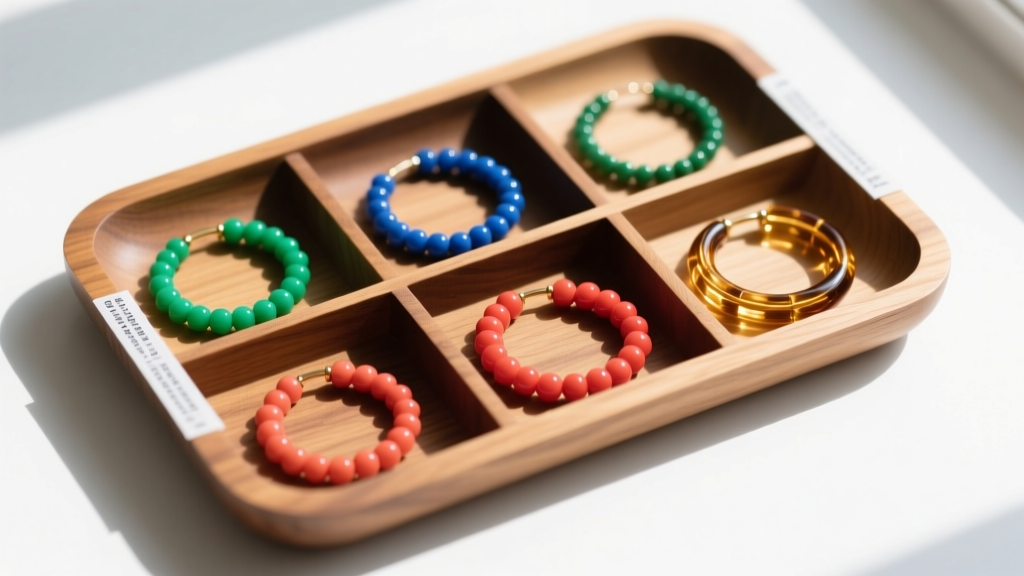
World Market frequently incorporates mixed media—such as carved wood, dyed resin, turquoise howlite, and glass beads—into their earring designs. This makes standard jewelry cleaning methods incredibly dangerous.
The Danger of Ultrasonic Cleaners and Silver Dips
Never place mixed-media fashion earrings in an ultrasonic cleaner. The high-frequency cavitation bubbles will shatter glass beads, strip the dye from resin, and instantly peel away the 0.5-micron gold flash plating. Similarly, commercial 'silver dip' liquids contain harsh thiourea chemicals that will permanently cloud porous stones like howlite and dyed agate.
The Safe Cleaning Protocol:
- Create a solution of distilled water and a single drop of ammonia-free, phosphate-free dish soap.
- Using a baby-soft toothbrush, gently agitate only the metal components, avoiding the porous beads.
- Rinse quickly under cold distilled water (tap water contains chlorine and minerals that accelerate brass tarnishing).
- Dry immediately with a microfiber cloth.
Sealing the Metal
To prevent future tarnish, apply a micro-thin layer of Renaissance Wax (a micro-crystalline wax developed by the British Museum) to the brass and gold-tone components. This creates an oxygen-blocking barrier that preserves the high-shine finish without leaving a sticky residue. For authoritative guidance on preserving mixed-media jewelry, refer to the Gemological Institute of America's jewelry care guidelines.
Weight Distribution: Solving the 'Stretched Lobe' Problem
World Market's bohemian dangles and oversized geometric hoops are visually stunning but often lack ergonomic weight distribution. A heavy brass earring resting entirely on a 20-gauge post acts as a lever, slowly stretching the piercing fistula and causing the earlobe to droop or tear over time.
Troubleshooting Heavy Dangles:
- Jumbo Silicone Backs: Discard the standard metal butterfly backs. Replace them with flat, jumbo silicone ear backs. The wider surface area distributes the gravitational pull across a broader section of the posterior earlobe.
- Ear Support Patches: For oversized statement pieces, apply an invisible, medical-grade adhesive earlobe support patch to the back of your ear. The patch features a reinforced center hole that bears the weight of the earring post, completely relieving pressure on the piercing itself.
- Chain Connectors: If you have multiple lobe piercings, use a delicate gold-filled chain to connect the heavy dangle to a higher stud. This transfers the structural load to the upper, thicker cartilage-adjacent tissue of the earlobe.
Summary Checklist for Fashion Earring Wearability
You do not need to stop buying the eclectic, affordable styles you love. By treating fashion jewelry with the same metallurgical respect as fine jewelry, you can mitigate its inherent flaws. Keep your nylon-jaw pliers, polyurethane sealants, and titanium converter hooks in your jewelry toolkit. With these troubleshooting protocols, your favorite World Market earrings will remain vibrant, comfortable, and structurally sound for years to come.


