Troubleshooting Nelly Earrings: Fixing Cloudy Y2K Diamond Studs
Learn how to troubleshoot and fix common issues with Nelly earrings, from cloudy Y2K diamond studs to loose pavé stones and base metal allergies.

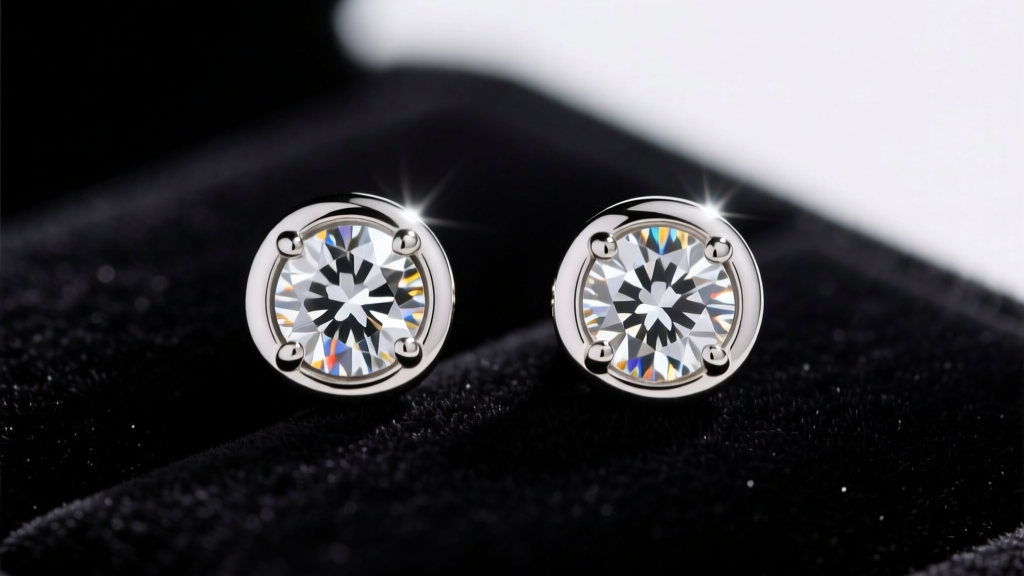
The 2026 Revival: Why Your Nelly Earrings Are Losing Their Sparkle
The resurgence of early 2000s hip-hop fashion has pushed archival and reproduction "Nelly earrings"—the iconic, oversized diamond studs and heavily iced-out hoops popularized during the Air Force Ones era—back to the top of the 2026 trend cycle. However, whether you are wearing authentic vintage pieces from 2003 or modern lab-grown diamond replicas, these statement earrings are highly prone to specific structural and aesthetic failures. Diamonds are oleophilic (oil-attracting), and the dense pavé settings on iced hoops trap microscopic debris. If your Nelly earrings are looking cloudy, dull, or irritating your skin, the issue is rarely the diamond itself, but rather a failure in maintenance, setting integrity, or base metal plating.
Diagnostic Chart: Identifying Your Earring Failure Point
Before attempting any repairs, you must accurately diagnose the failure. Use this troubleshooting matrix to identify the root cause of your earring's deterioration.
| Symptom | Probable Cause | DIY Fix | Pro Intervention | Est. Cost |
|---|---|---|---|---|
| Overall cloudiness / yellow tint | Sebum, lotion, and soap film buildup on the pavilion | Ammonia-based soak & soft brush | Professional steam cleaning | $0 - $25 |
| Dull, milky, or "dead" sparkle | Fracture-filled diamond (Yehuda treatment) degradation | None (avoid ultrasonics) | Re-filling by a specialist | $50 - $150 |
| Rattling sound or snagging | Worn pavé beads or lifted prongs | Stop wearing immediately | Bench jeweler prong tightening | $35 - $85 |
| Green skin / contact dermatitis | Rhodium flash-plating worn off, exposing brass/nickel | Clear nail polish (temporary) | Re-plating in thick rhodium | $40 - $90 |
Troubleshooting Cloudiness: Beyond the Basic Wipe
The most common complaint with vintage Nelly diamond studs is a persistent cloudy or milky appearance. Diamonds have a natural affinity for grease. Over time, facial oils, heavy moisturizers, and airborne cooking oils coat the pavilion (the bottom cone of the diamond), blocking light return and making even a VVS1 clarity stone look like cloudy glass.
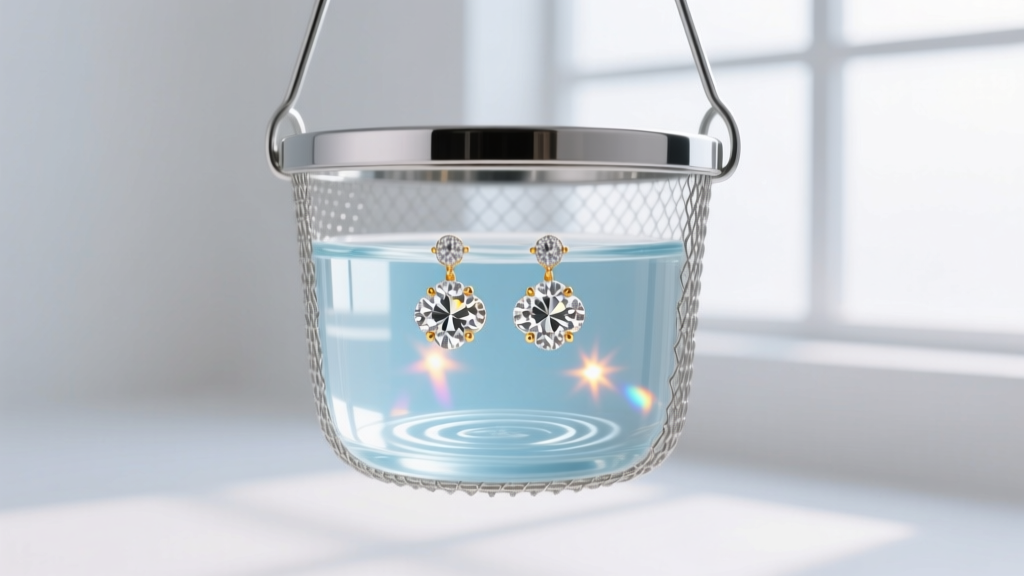
The Ammonia Soak Method
To restore brilliance, you need a degreasing agent. Mix one part mild household ammonia with six parts warm distilled water. Let the earrings soak for 15 minutes. Use a baby-soft toothbrush to gently agitate the pavilion side. According to the Gemological Institute of America (GIA), this is the safest and most effective home cleaning method for untreated diamonds and platinum or high-karat gold settings.
The Ultrasonic Trap
Many owners of iced-out Y2K hoops immediately drop them into an ultrasonic cleaner. This is a critical mistake. A significant portion of early 2000s "Nelly style" diamond jewelry utilized clarity-enhanced diamonds, specifically fracture-filled stones (often Yehuda-treated). Ultrasonic vibrations and harsh chemicals will melt or cloud the glass-like filler, permanently ruining the stone. Furthermore, the high-frequency vibrations can shake loose already-weakened pavé beads on iced hoops.
Fixing Loose Pavé and Prong Failures on Iced Hoops
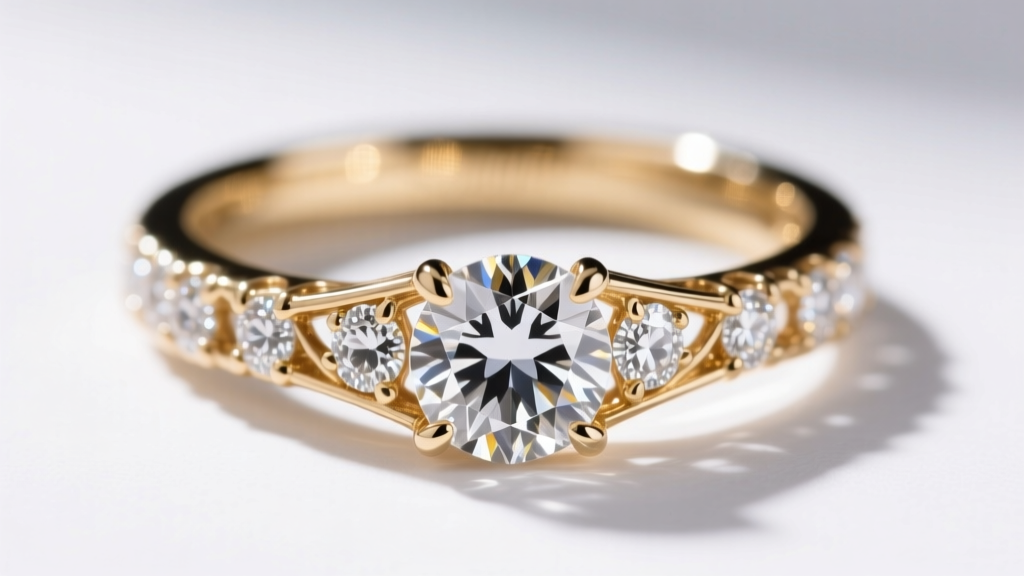
The signature "Nelly" iced-out hoop relies on dozens of tiny diamonds set closely together. In vintage pieces, the metal holding these stones (the beads or micro-prongs) wears down from friction against hair, hoodies, and headphones. If you hear a faint rattle, or if the earring catches on your clothing, a stone is on the verge of falling out.
The 10x Loupe Test
Invest in a 10x triplet jeweler's loupe. Inspect the setting under direct, bright LED light. You are looking for:
- Lifted Prongs: The metal hook is no longer resting flush against the diamond's crown.
- Worn Beads: In bead-set pavé, the tiny metal spheres pushed over the diamond's girdle have flattened or sheared off.
- Cracked Girdles: The diamond itself has a chip along its widest edge, usually caused by a hard impact against a doorframe or mirror.
If you spot a lifted prong, do not attempt to push it back down with household pliers. Gold and platinum work-harden when bent; applying uneven pressure will snap the prong entirely. Take the piece to a bench jeweler who can use a micro-welder or specialized prong pusher to re-seat the stone safely.
Solving the Base Metal Allergy Problem
A massive issue in the 2026 market for reproduction Nelly earrings is skin sensitization. Many affordable "iced" hoops and studs are cast in brass or low-grade silver alloys containing nickel, then flash-plated with a microscopic layer of rhodium to mimic white gold or platinum.
Flash plating is typically only 0.1 to 0.5 microns thick. Within weeks of daily wear, the friction from the earring post and the hoop's hinge wears through the rhodium, exposing the nickel-heavy base metal to your earlobe. This results in severe contact dermatitis, weeping piercings, and the dreaded green/black skin staining.
The Re-Plating Solution
If your earrings are structurally sound but causing allergic reactions, do not throw them away. A local jeweler can strip the remaining plating, polish the base metal, and apply a heavy 2.0-micron layer of rhodium. This creates a durable, hypoallergenic barrier that will last for years. For the earring posts specifically, ask the jeweler to laser-weld a solid 14k or 18k white gold post onto the hoop, entirely eliminating the nickel contact point at the piercing site. The Jewelers of America recommends regular professional polishing and re-plating for all rhodium-finished jewelry to maintain both aesthetics and skin safety.
When to Abandon DIY: Bench Jeweler Interventions
While cleaning and visual inspections are easily done at home, certain failures require professional equipment. You must visit a bench jeweler if:
- The Post is Bent or Snapped: Soldering a new post requires a laser welder to avoid melting the surrounding diamond settings with a traditional torch.
- The Hinge is Loose: Iced hoops utilize complex hidden box clasps with safety catches. If the clasp fails to "click," the internal spring or tongue is worn and must be replaced.
- Stones are Missing: Sourcing melee diamonds (typically 1.0mm to 1.5mm in Y2K pavé) that perfectly match the color and clarity of the original vintage stones requires a jeweler's master parcel of calibrated diamonds.
By understanding the specific anatomy and failure points of Nelly earrings, you can preserve these iconic pieces of hip-hop jewelry history, ensuring they remain as brilliant in 2026 as they were when they first defined a generation's style.


