How Do You Disinfect Earrings? Material-Specific Guide
Learn exactly how do you disinfect earrings based on metal grades and gemstones. Expert protocols for titanium, gold, and porous stones.

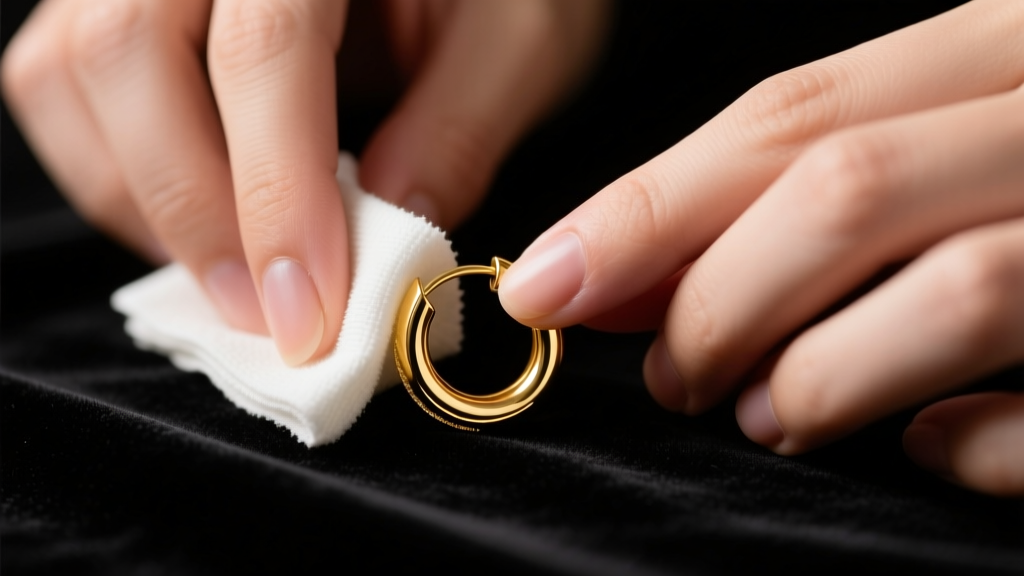
When asking how do you disinfect earrings, most mainstream style guides offer superficial advice: wipe them with rubbing alcohol and call it a day. However, from a metallurgical and gemological perspective, this blanket approach is a recipe for destroyed finishes, dissolved gemstones, and compromised structural integrity. True disinfection requires an understanding of material science, biofilm removal, and chemical contact times.
Whether you are managing a fresh cartilage piercing, rotating a collection of vintage drops, or prepping heirloom studs for a second wearer, the protocol changes drastically based on the ASTM grade of the metal and the Mohs hardness (and porosity) of the stones. This expert deep dive breaks down the clinical realities of earring disinfection.
The Chemistry of Disinfection: Why 70% Beats 99%
A common misconception in jewelry care is that higher concentrations of isopropyl alcohol (IPA) yield better sanitization. According to the Centers for Disease Control and Prevention (CDC), 70% isopropyl alcohol is vastly superior to 99% for disinfecting non-porous surfaces, including metals.
The presence of water in the 70% solution is critical. Water acts as a catalyst, slowing down the evaporation rate and allowing the alcohol enough contact time to penetrate the cell walls of bacteria and denature their proteins. Conversely, 99% IPA evaporates almost instantly and coagulates the outer cell membrane of pathogens, creating a protective shield that leaves the interior of the bacteria intact. When disinfecting solid metals, always opt for 70% IPA and ensure a minimum contact time of 5 minutes.
Metallurgical Compatibility: What Your Earrings Are Actually Made Of
The phrase "gold earrings" or "titanium earrings" hides a complex alloy reality. How do you disinfect earrings safely depends entirely on their elemental breakdown.
Implant-Grade Titanium (ASTM F-136) & Niobium
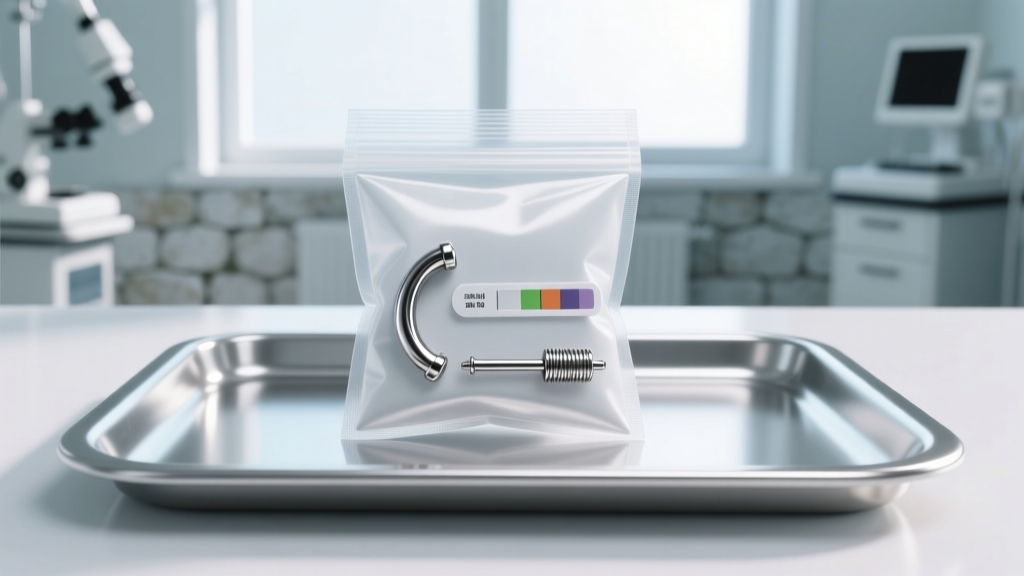
Implant-grade titanium is the gold standard for body jewelry. It is highly inert, non-porous, and completely resistant to galvanic corrosion. You can safely disinfect ASTM F-136 titanium and pure niobium using 70% IPA, UV-C light chambers, or even pressurized steam autoclaving at 121°C (250°F). These methods will not degrade the metal or compromise its mirror finish.
Solid Gold Alloys (14k, 18k) & Platinum
Pure 24k gold is too soft for most earring posts and hooks, meaning jewelers alloy it with copper, silver, and zinc. 14k gold contains only 58.5% pure gold. While brief exposure to 70% IPA is generally safe for solid gold and platinum, prolonged soaking can cause the copper alloys to oxidize, leading to a dull, reddish tarnish. Platinum, being a much denser and more inert metal, tolerates harsh chemical disinfectants and ultrasonic cleaners without issue.
Plated, Vermeil, and Filled Metals
If your earrings are gold-plated brass or sterling silver vermeil, never use alcohol or ultrasonic cleaners. The chemical solvents will break down the microscopic adhesion layer between the base metal and the plating. Furthermore, the high-frequency cavitation of an ultrasonic cleaner will literally blast the thin gold layer off the brass core. For these materials, mechanical cleaning with a mild, pH-neutral Castile soap and warm water is the only safe disinfection method.
The Danger Zone: Organics and Porous Gemstones
The gemological rules of disinfection are unforgiving. The Gemological Institute of America (GIA) strictly warns against using harsh chemicals on organic and porous gems. The porosity of a stone dictates its chemical vulnerability, regardless of its Mohs hardness.
- Pearls and Mother of Pearl: Composed of calcium carbonate (nacre). Alcohol and acidic cleaners will dissolve the nacre, stripping the pearl of its luster and causing irreversible etching.
- Opals: Opals contain up to 20% water. Exposing them to alcohols or sudden temperature changes (like an ultrasonic cleaner's heat) causes "crazing"—a network of microscopic internal fractures that ruins the stone's structural integrity and play-of-color.
- Turquoise, Lapis Lazuli, and Amber: Highly porous. They will absorb chemical disinfectants, leading to permanent discoloration and chemical degradation.
Disinfectant Compatibility Matrix
Use this reference table to determine the safest disinfection method for your specific earring materials.
| Material / Gemstone | 70% Isopropyl Alcohol | UV-C Light Chamber | Ultrasonic Cleaner | Autoclave (121°C) |
|---|---|---|---|---|
| Implant-Grade Titanium | Safe (5 min soak) | Safe | Safe | Safe |
| Solid 14k/18k Gold | Safe (Brief wipe) | Safe | Safe (No soft gems) | Not Recommended |
| Gold-Plated / Vermeil | Damages Plating | Safe | Strips Plating | Melts/Damages |
| Diamonds / Sapphires | Safe | Safe | Safe | Safe |
| Pearls / Opals / Amber | Destroys Surface | Safe (Brief) | Causes Fractures | Destroys Stone |
The Two-Step Clinical Disinfection Workflow
To properly answer how do you disinfect earrings, you must separate cleaning (removing physical debris) from disinfecting (killing pathogens). Chemical disinfectants cannot penetrate biofilms—a sticky matrix of sebum, dead skin cells, and bacteria that accumulates on earring posts and clasps.
Step 1: Mechanical Debridement
Before applying any chemical, you must remove the biofilm. Use a soft-bristled, baby-size toothbrush and a few drops of pH-neutral liquid soap (like Dr. Bronner's) in warm water. Gently scrub the earring post, the butterfly back, and the crevices of the setting. Rinse thoroughly with distilled water to prevent hard water mineral deposits from clouding the metal.
Step 2: Chemical Contact Time
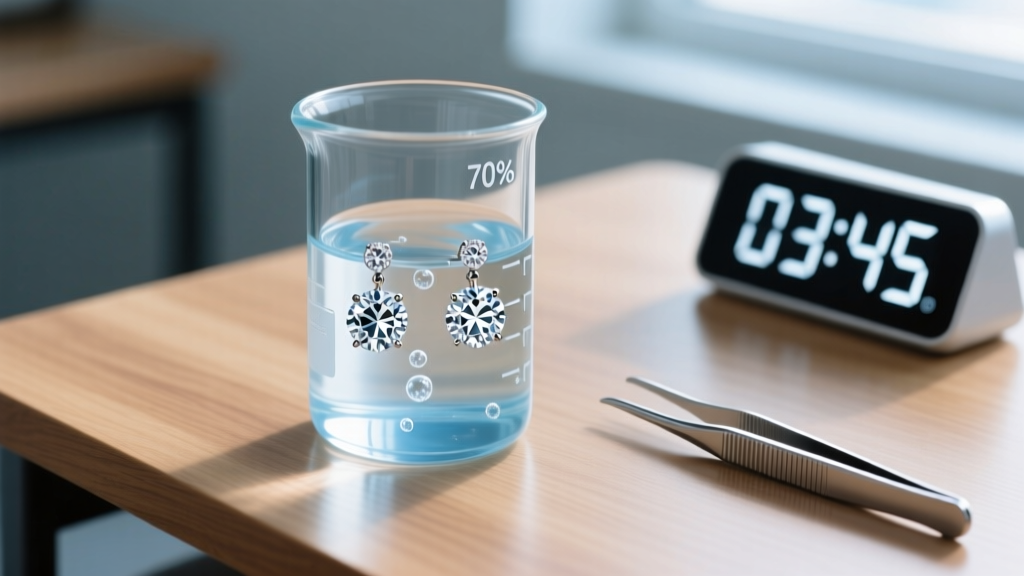
Once the physical debris is removed, submerge the metal and non-porous gemstones in a glass beaker of 70% isopropyl alcohol. According to guidelines referenced by the Mayo Clinic regarding piercing aftercare and jewelry hygiene, allowing the alcohol to remain in contact with the surface for a full 5 to 10 minutes is necessary to neutralize common skin pathogens like Staphylococcus aureus. Remove with sterile tweezers and allow to air dry on a clean paper towel.
Troubleshooting Common Disinfection Failures
Even with careful protocols, issues can arise if the jewelry's true composition is unknown.
- The "Green Tarnish" Failure: If you soak your earrings in alcohol and the metal turns dark or leaves a green residue, they are not solid gold. They are likely brass or copper alloys with a microscopic gold flash plating that has worn away. Discard the chemical and switch to dry UV-C sanitization.
- Cloudy Gemstones: If a diamond or emerald becomes cloudy after an ultrasonic cleaning or alcohol soak, it is likely a "fracture-filled" stone. Many commercial emeralds are treated with cedar oil or epoxy resins to hide natural inclusions. Solvents dissolve these fillers, leaving the stone looking white and fractured. These must only be cleaned with a damp microfiber cloth.
- Loose Prongs: Repeated use of ultrasonic cleaners can vibrate the microscopic prongs holding your gemstones loose. Always check the security of your settings with a jeweler's loupe before and after mechanical cleaning.
"True jewelry hygiene is not about the harshness of the chemical, but the precision of the application. Matching the disinfectant to the metallurgical and gemological profile of the piece ensures both biological safety and the longevity of the jewelry."
Understanding the science behind your jewelry transforms a risky guessing game into a precise, repeatable protocol. By respecting material boundaries and utilizing proper contact times, you can safely disinfect any piece in your collection without sacrificing its structural or aesthetic integrity.


