Fixing Heavy Fall Earrings: Comfort & Style Hacks 2026
Troubleshoot heavy fall earrings with expert hacks for lobe support, snag-free backs, and hypoallergenic metals to keep your autumn style pain-free.

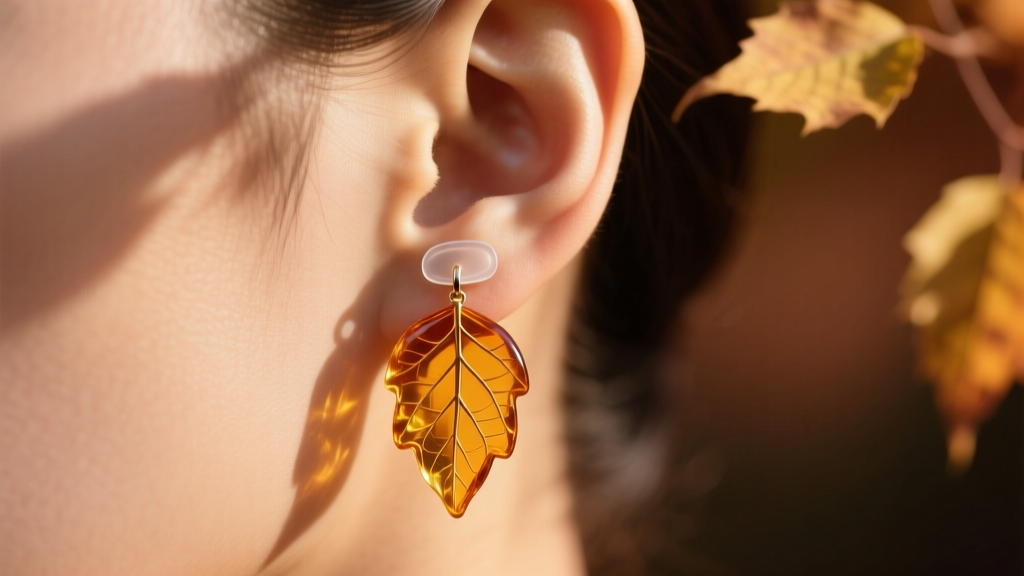
The transition into autumn brings a distinct shift in jewelry trends. For 2026, statement fall earrings are dominating the scene, characterized by oversized resin botanical motifs, heavy mixed-metal acorn drops, and elaborate wire-wrapped smoky quartz dangles. While these pieces are visually stunning and perfectly capture the seasonal aesthetic, their increased weight and complex geometries introduce a host of biomechanical and wardrobe-related problems. From lobe sagging and cartilage compression to severe snagging on wool garments, wearing seasonal statement jewelry requires strategic troubleshooting.
As jewelry specialists, we see countless clients dealing with the physical toll of heavy autumn accessories. Below, we break down the most common issues associated with fall earrings and provide actionable, expert-level solutions to keep your piercings healthy and your style intact.
The "Cheese Cutter" Effect: Troubleshooting Lobe Sag and Tearing
The most frequent complaint we encounter with heavy fall earrings is the "cheese cutter" effect. This occurs when a heavy earring is suspended from a thin post or wire. The downward gravitational force concentrates all the shear stress onto a tiny surface area of the earlobe tissue. Over time, this stretches the piercing channel, leading to permanent sagging, micro-tears, and in severe cases, complete lobe splitting.
Hardware Solutions for Weight Distribution
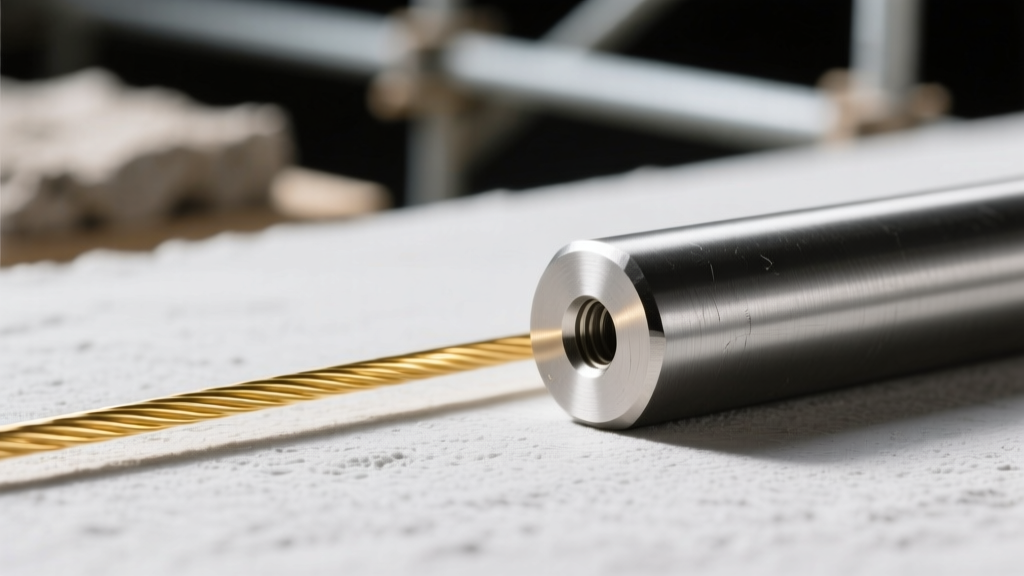
- Upgrade the Gauge: Standard fashion earrings are typically 20-gauge (0.81mm) or 22-gauge (0.64mm). For any fall earring exceeding 15 grams, you must upgrade to a thicker post. Look for 18-gauge (1.02mm) or, ideally, 16-gauge (1.29mm) wires. The increased surface area distributes the weight more evenly across the lower hemisphere of the piercing channel.
- Utilize Silicone Support Patches: Products like LobeWonder or BlingDots are medical-grade, hypoallergenic silicone patches that adhere to the back of the earlobe. They feature a precision-cut slit that reinforces the tissue, preventing the earring from drooping forward and pulling on the front of the piercing.
- Switch to Omega Backs: For heavy drop earrings, standard friction posts (butterfly backs) dig into the neck and fail to support the front. Omega backs feature a hinged, curved paddle that rests flush against the rear of the earlobe, acting as a wide counterweight to stabilize heavy front-facing motifs.
The Wardrobe War: Preventing Snags on Wool Scarves and Turtlenecks
Fall fashion relies heavily on textured layers—chunky knit scarves, cashmere turtlenecks, and wool coats. Intricate fall earrings, particularly those with branch-like extensions, open wirework, or French wire hooks, act as magnets for loose threads. A sudden snag can result in lost jewelry or, worse, traumatic avulsion of the earlobe.
Securing Your Seasonal Statements
To troubleshoot snagging, you must eliminate the "catch points" at the back of the ear. French wire hooks (fishhooks) leave a sharp, exposed wire tip pointing directly into your hair and scarves.
"Never wear open French wire hooks with high-collared wool garments. The static electricity generated by synthetic-blend scarves actively attracts lightweight wire hooks, pulling them upward and out of the lobe."
| Backing Type | Snag Risk | Best For | Troubleshooting Tip |
|---|---|---|---|
| French Wire Hook | High | Lightweight silk/summer wear | Add a silicone stopper cap to the exposed tip. |
| Standard Friction Post | Medium | Everyday studs | Replace with La Pousette locking backs. |
| Leverback | Low | Medium-weight dangles | Ensure the hinge tension is tight; bend slightly if loose. |
| Continuous Hoop | Very Low | Huggies and cartilage | Use a flat-nose plier to ensure the post clicks firmly into the tube. |
Seasonal Allergy Flare-Ups: Decoding Autumn Novelty Alloys
The market is flooded with inexpensive, seasonal novelty jewelry every autumn. These fast-fashion fall earrings are frequently cast from zinc alloys or brass and flash-plated with a thin layer of gold or copper to mimic warm autumn tones. As the plating wears off against the skin's natural acidity, underlying metals—particularly nickel—are exposed, triggering severe contact dermatitis.
Material Verification and Mitigation
According to the American Academy of Dermatology, nickel allergy is the most common cause of allergic contact dermatitis, affecting up to 18% of the population. The popular "hack" of painting earring posts with clear nail polish is strongly discouraged by professionals; the polish chips rapidly, traps moisture and bacteria against the open wound, and introduces new acrylate allergens.
The Expert Fix: Invest in verified, body-safe materials for your seasonal motifs. The Association of Professional Piercers (APP) recommends ASTM F136 implant-grade titanium or pure Niobium for reactive skin. Both metals can be anodized to achieve the deep bronzes, coppers, and golds associated with fall aesthetics without introducing reactive alloys. If you must wear a sentimental or vintage seasonal piece, have a local jeweler fabricate custom 14k solid gold or titanium post adapters that can be laser-welded or securely epoxied to the back of the heavy motif.
Cartilage Compression: Adjusting for Hats and Earmuffs
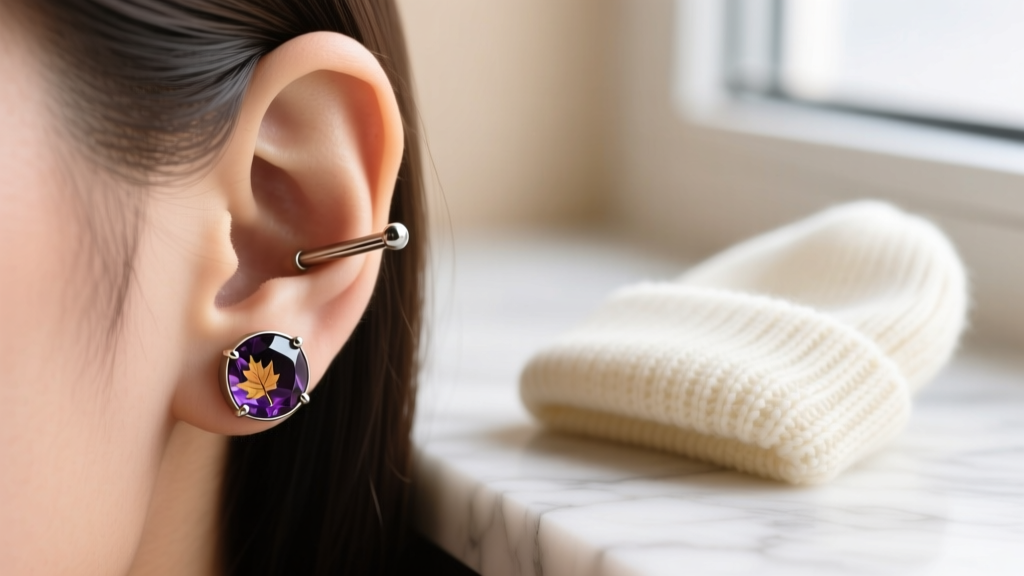
Cartilage piercings (helix, conch, tragus) are highly susceptible to pressure-induced migration. When you pair rigid, oversized fall hoops or protruding gemstone studs with tight knit beanies, headbands, or earmuffs, the constant friction and compression can cause the jewelry to tilt. Over weeks of daily autumn wear, this uneven pressure forces the piercing channel to migrate outward, eventually leading to rejection.
Low-Profile Alternatives for Cold Weather
- Threadless Flat-Backs: Swap standard butterfly-backed cartilage studs for threadless flat-back labrets. The flat titanium disc sits flush against the inside of the ear, eliminating the sharp post that digs into your neck when wearing a beanie.
- Recessed Clicker Hinges: If you prefer hoops, avoid large-diameter seamless rings that catch on hat brims. Opt for small-diameter (8mm-10mm) segment clicker rings where the hinge and clasp are recessed into the metal, creating a perfectly smooth outer surface that glides under winter headwear without snagging.
- End Size Reduction: Downsize your decorative ends. A 6mm gemstone will catch on a wool beanie; a 2mm or 3mm bezel-set smoky quartz or tiger eye end provides the autumn color palette while maintaining a low-profile, snag-free silhouette.
Diagnostic Troubleshooting Chart
Use this quick-reference matrix to diagnose and resolve your specific fall earring issues.
| Symptom / Problem | Root Cause | Hardware Solution |
|---|---|---|
| Earring droops forward | Top-heavy motif / thin post | Apply silicone lobe patches; switch to Omega backs. |
| Lobe feels sore / stretched | Shear stress from excessive weight | Upsize to 16G (1.2mm) post; limit wear time to 4 hours. |
| Constant snagging on scarves | Exposed wire tips / open hooks | Convert to La Pousette locking backs or leverbacks. |
| Itchy, flaking piercing channel | Nickel exposure from flash plating | Replace post with ASTM F136 Titanium or Niobium. |
| Cartilage piercing feels tender | Compression from beanies / hats | Switch to flat-back labrets with 2mm low-profile ends. |
Final Thoughts on Autumn Jewelry Care
Fall earrings should be a celebration of the season's rich textures and colors, not a source of daily physical discomfort. By understanding the biomechanics of weight distribution, upgrading your backing hardware, and strictly controlling the metallurgy of your jewelry, you can troubleshoot the inherent flaws of seasonal statement pieces. Prioritize structural integrity and skin-safe materials, and your autumn wardrobe will be as comfortable as it is stylish.


