Flag Earrings Guide: How to Choose and Style Patriotic Jewelry
Discover how to choose, style, and care for flag earrings. Our beginner-friendly guide covers materials, gauge sizes, and placement tips.

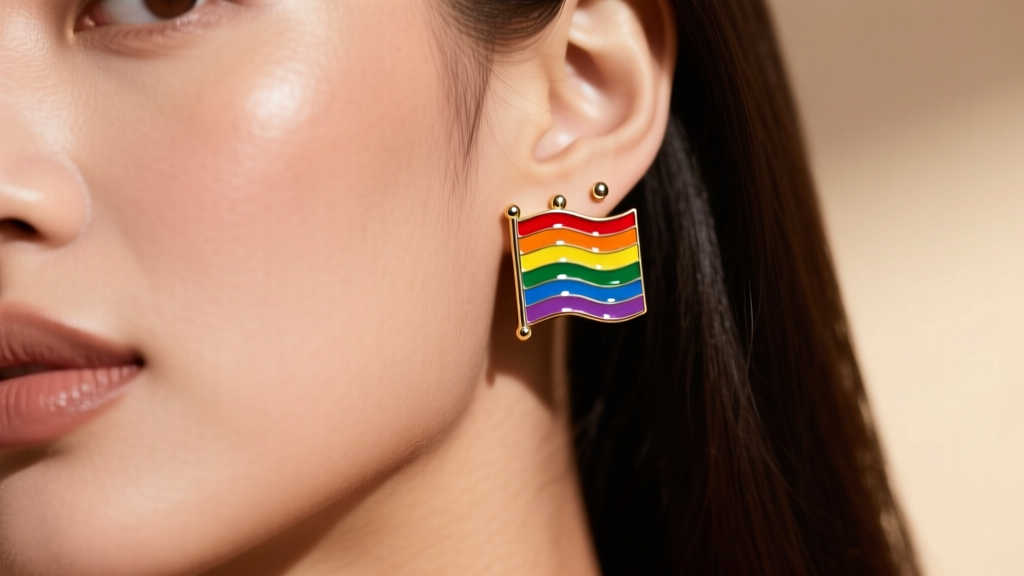
What Are Flag Earrings? Beyond the Basics
Flag earrings are a versatile category of jewelry that allows wearers to express national pride, cultural heritage, sports team loyalty, or personal identity. While beginners often picture simple, stamped-metal studs, the modern flag earring market encompasses everything from micro-pavé gemstone drops to minimalist cartilage huggies. Whether you are celebrating your ancestry, showing support at a Pride parade, or cheering on your country at the Olympics, understanding the anatomy and material grades of these earrings is crucial for both comfort and longevity.
For beginners, the biggest mistake is prioritizing the visual design over the metal composition and earring backing. A beautiful flag motif will quickly become unwearable if the post causes contact dermatitis or if the gauge size is incorrect for your specific piercing. This guide breaks down everything you need to know to build a safe, stylish, and meaningful flag earring collection.
The Three Main Material Categories
Flag earrings are primarily manufactured using three distinct techniques, each with its own price point, durability, and aesthetic appeal.
1. Soft Enamel (Epoxy Resin)
Soft enamel earrings feature metal lines that are slightly raised above the colored resin fill. This creates a textured, tactile surface. They are highly affordable (typically ranging from $5 to $15) and offer vibrant, opaque colors. However, the epoxy resin is prone to scratching and can yellow over time if exposed to prolonged UV light or harsh chemicals.
2. Hard Enamel (Cloisonné)
Hard enamel, or cloisonné, involves filling the metal recesses with colored glass or enamel powder, which is then fired at high temperatures and polished flat. The result is a smooth, flush surface that is highly resistant to scratching. Expect to pay between $15 and $45 for high-quality hard enamel flag studs. When shopping, always verify that the metal base is hypoallergenic, as cheap cloisonné sometimes uses nickel-silver bases.
3. Gemstone and Precious Metal Inlay
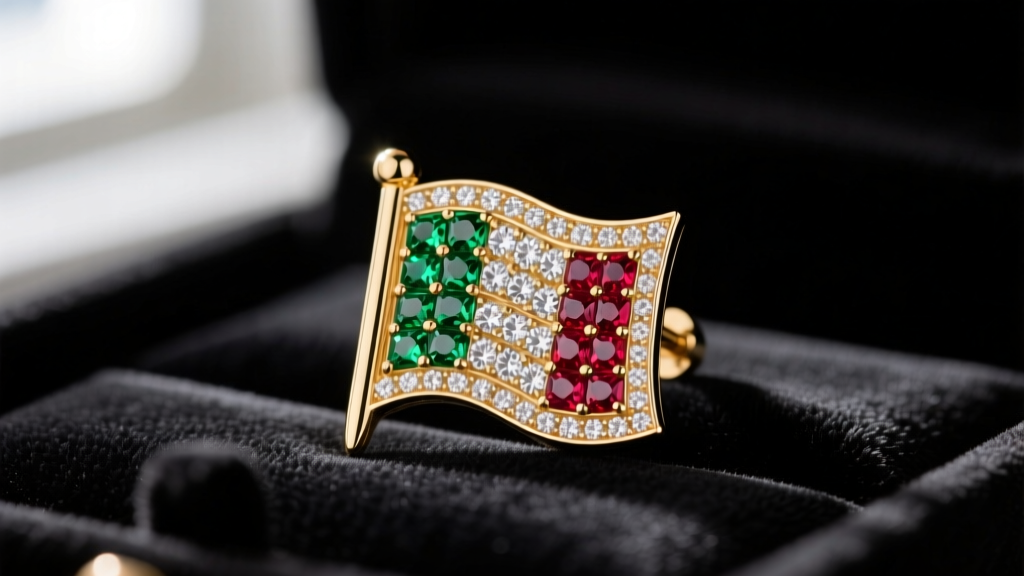
For a luxurious, subtle approach, high-end jewelers craft flag earrings using micro-pavé gemstones or precious metal inlays. For example, an Italian flag earring might feature green emeralds, white diamonds, and red rubies set in 14k gold. These pieces range from $150 to over $1,000. According to the Gemological Institute of America (GIA), micro-pavé settings require careful maintenance to prevent microscopic stones from loosening over time.
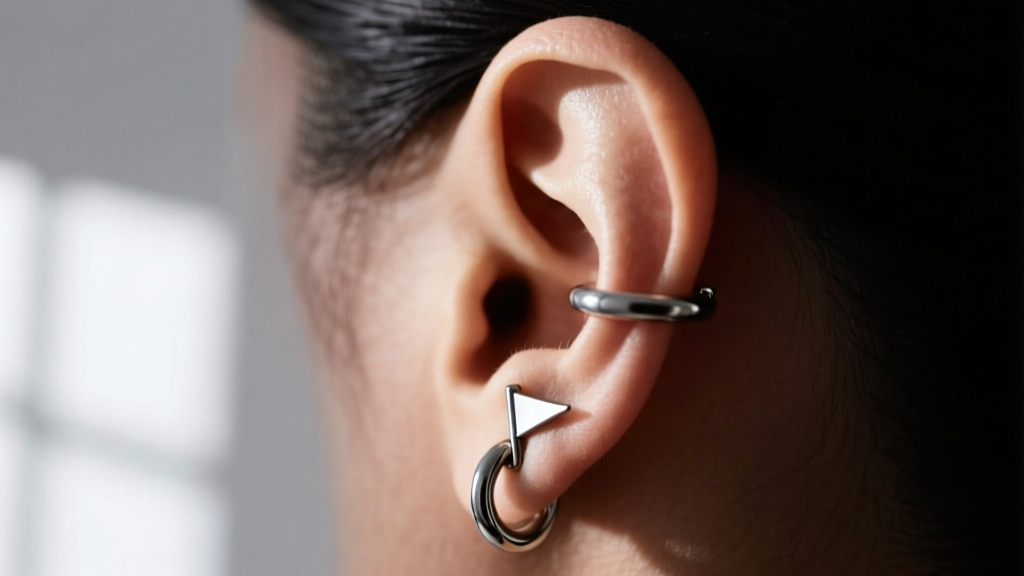
Choosing the Right Backing and Gauge Size
The most critical technical aspect of buying any earring, including flag motifs, is matching the gauge (thickness) and backing to your piercing placement. Wearing a 20-gauge stud in a 16-gauge cartilage piercing can cause the hole to shrink or lead to irritation bumps.
| Piercing Location | Standard Gauge Size | Millimeter (mm) | Recommended Backing / Style |
|---|---|---|---|
| Standard Earlobe | 20G or 18G | 0.81mm - 1.02mm | Butterfly clutch, friction back, or fishhook (for dangles) |
| Cartilage (Helix/Forward Helix) | 16G or 18G | 1.29mm - 1.02mm | Flat back (labret) or seamless clicker huggie |
| Tragus / Conch | 16G | 1.29mm | Flat back (labret) with a 3mm-4mm flag charm top |
If you have sensitive skin or a known nickel allergy, the Association of Professional Piercers (APP) strongly recommends avoiding cheap alloy bases. Instead, look for flag earrings that explicitly state the post is made from implant-grade titanium (ASTM F136), niobium, or solid 14k/18k gold. Many enamel flag earrings use surgical steel, which is acceptable for healed lobes but can still contain trace amounts of nickel that irritate fresh or sensitive piercings.
Styling Framework: Matching Flag Earrings to Your Vibe
Styling flag earrings requires balancing the boldness of the motif with your personal aesthetic and face shape. Here is a beginner-friendly framework for selecting the right silhouette.
The Minimalist Approach (Studs and Huggies)
If you work in a conservative environment or prefer subtle jewelry, opt for 4mm to 6mm hard-enamel studs or micro-pavé gemstone flags. These sit flush against the earlobe and read as a simple pop of color from a distance. For cartilage piercings, a 10mm huggie hoop with a tiny, dangling 5mm flag charm offers movement without overwhelming the ear.
The Statement Approach (Dangles and Drops)
For festivals, sports events, or cultural celebrations, dangle earrings are ideal. When choosing dangles, consider your face shape:
- Round Faces: Choose angular, rectangular flag drops that elongate the jawline. Avoid wide, circular flag hoops.
- Square Faces: Opt for curved, teardrop-shaped flag dangles or oval hoops with flag enamel accents to soften sharp jawlines.
- Oval Faces: You can pull off almost any silhouette, from geometric flag studs to long, cascading chain dangles.
Caring for Enamel and Gemstone Flags
Proper maintenance ensures your flag earrings retain their vibrant colors and structural integrity.
Expert Care Tip: Never put soft or hard enamel earrings in an ultrasonic jewelry cleaner. The high-frequency vibrations can cause the enamel to crack or separate from the metal base. Instead, use a soft microfiber cloth and a drop of mild dish soap to gently wipe away oils and lotions.
For gemstone flag earrings, avoid exposing them to chlorine or saltwater, which can degrade the porous structure of stones like emeralds or turquoise (often used for green or blue flag stripes). Always store dangle earrings in a compartmentalized box to prevent the fishhooks from tangling and bending.
Frequently Asked Questions
Can I sleep in my flag stud earrings?
It is not recommended to sleep in standard butterfly-back studs, as the prongs can dig into the skin behind your ear, causing pressure sores. If you must sleep in your earrings, switch to a flat-back labret post with a secure screw-on flag top. Flat backs sit flush against the skin and eliminate nighttime poking.
Are clip-on flag earrings a good alternative for unpierced ears?
Yes, but the quality of the clip mechanism matters. Look for screw-back or padded paddle clip-ons. Cheap tension clips will cause earlobe pain within 30 minutes. Many independent jewelers on platforms like Etsy offer custom clip-on conversions for hard-enamel flag studs, usually adding $5 to $10 to the base price.
How do I prevent the metal lines on enamel flags from tarnishing?
Tarnish occurs when the base metal (often brass or copper) reacts with moisture and sulfur in the air. To prevent this, store your enamel earrings in an airtight ziplock bag with an anti-tarnish silica strip when not in use. If the gold or silver plating on the metal lines begins to wear off, a jeweler can re-plate the piece, provided the heat of the process won't damage the enamel fill.


