Most Expensive Earrings: 2026 High Jewelry Auction & Trend Analysis
Discover the most expensive earrings dominating 2026 high jewelry auctions. Analyze rare diamond trends, carat premiums, and investment-grade ear styles.

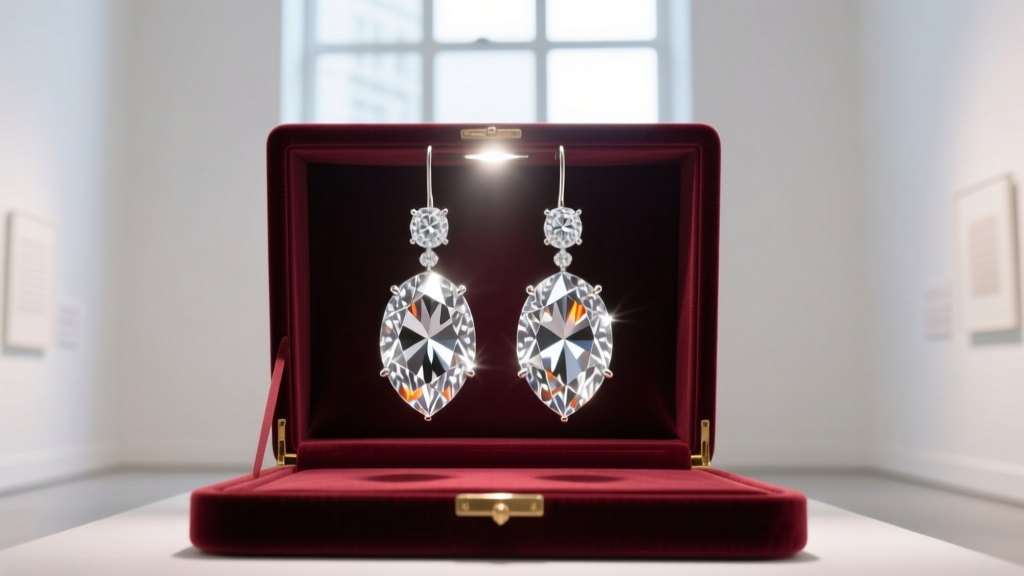
The Pinnacle of Ear Adornment: 2026 Market Overview
In the upper echelons of the high jewelry market, earrings have transcended their traditional role as red-carpet accessories to become highly liquid, portable asset classes. As we navigate the 2026 auction season, the demand for investment-grade ear jewelry has surged, driven by ultra-high-net-worth individuals (UHNWI) seeking tangible stores of value. The most expensive earrings in the world are not merely defined by their carat weight; they are distinguished by exceptional gemological rarity, historic provenance, and masterful structural engineering. Understanding the mechanics behind these eight-figure masterpieces requires a deep dive into gemological grading, auction house dynamics, and the bespoke metallurgy required to support massive stones on the human ear.
Deconstructing the Most Expensive Earrings in History
To understand current market valuations, we must examine the historical benchmarks that have redefined the ceiling for ear jewelry. The secondary market for high jewelry is heavily concentrated, with a mere fraction of a percent of all mined gemstones ever qualifying for premier auction houses like Sotheby's and Christie's. Below is a breakdown of the most significant earring sales that continue to influence 2026 pricing models.
| Earring Name / Moniker | Auction House & Year | Realized Price | Key Gemological Feature |
|---|---|---|---|
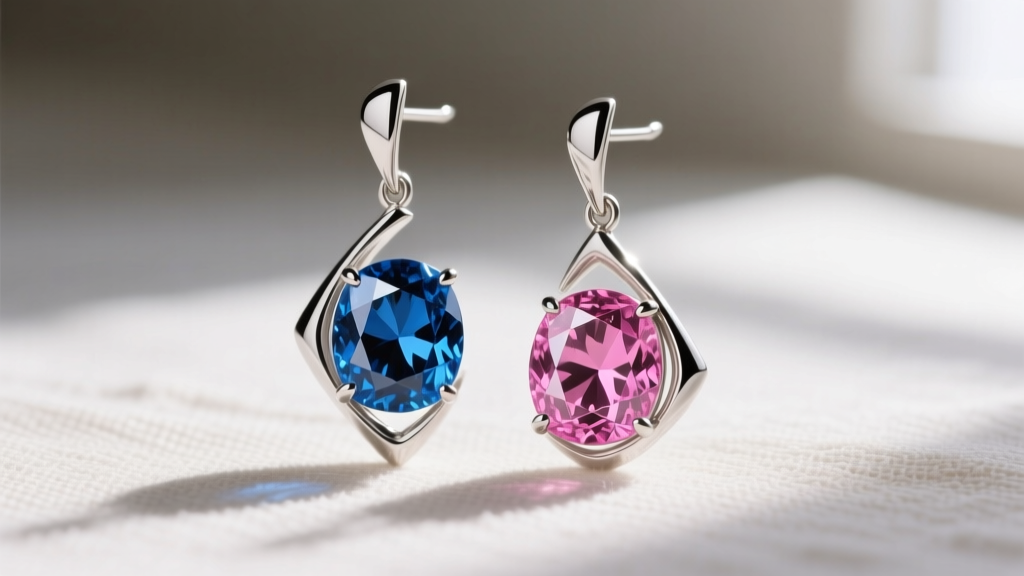
| The Apollo and Artemis | Sotheby's (2017) | $57.4 Million | 14.54ct Fancy Vivid Blue & 16.00ct Fancy Intense Pink |
| The Memory of Autumn Leaves | Sotheby's (2017) | $14.5 Million | 14.50ct & 16.21ct Fancy Intense Yellow-Orange |
| Marie Antoinette's Pearl Drops | Sotheby's (2018) | $2.3 Million (Pair) | Historic natural saltwater pearls, royal provenance |
| The Grand Mazarin Style Drops | Christie's (2022) | $11.2 Million | Matched D-Flawless Type IIa Pear-Shape Diamonds |
The 2017 sale of the Apollo and Artemis diamonds remains the undisputed zenith of the category. According to the Sotheby's Apollo and Artemis Archive, the sheer statistical impossibility of finding two large-carat fancy colored diamonds of complementary hues and matching cut precision is what drove the price past $57 million. In 2026, collectors are no longer just buying stones; they are acquiring statistical anomalies.
2026 Trend Analysis: What Drives Eight-Figure Ear Prices?
The Matched-Pair Rarity Multiplier
In the realm of the most expensive earrings, the "matched-pair multiplier" is a critical pricing concept. Finding a single 10-carat Fancy Vivid Blue diamond is exceptionally rare. Finding a second 10-carat stone with identical color saturation, clarity, and fluorescence characteristics to serve as its mirror image is nearly impossible. Consequently, the price per carat for a matched pair does not simply double; it often triples or quadruples compared to a single stone of the same grade. In 2026, we are seeing a distinct shift toward intentional asymmetry among top collectors, where a Fancy Vivid Blue is paired with a Fancy Vivid Pink or Red. This bypasses the matched-pair bottleneck while maintaining an astronomical aggregate valuation based on the rarity of the individual stones.
The Type IIa Imperative
For colorless diamond earrings to command prices exceeding $1 million per carat, they must possess a Type IIa classification. As detailed by GIA Research on Type IIa Diamonds, these stones are chemically pure, lacking measurable nitrogen or boron impurities. This results in unparalleled optical transparency. In the current market, a D-Flawless Type I diamond will fetch a premium price, but a D-Flawless Type IIa diamond operates in an entirely different financial stratosphere, often reserved for royal commissions and sovereign wealth fund acquisitions.
Engineering Heavy Earrings: Metallurgy and Ear-Lobe Tension
One of the most overlooked aspects of ultra-expensive earrings is the structural engineering required to wear them. When a single earring features a 15-carat pear-shaped diamond (weighing approximately 3 grams) surrounded by a pavé halo and a platinum setting, the total weight can easily exceed 12 grams. A standard 18k gold or platinum post will inevitably cause the earlobe to droop. This drooping alters the angle of the stone relative to light sources, severely diminishing the diamond's brilliance and fire.
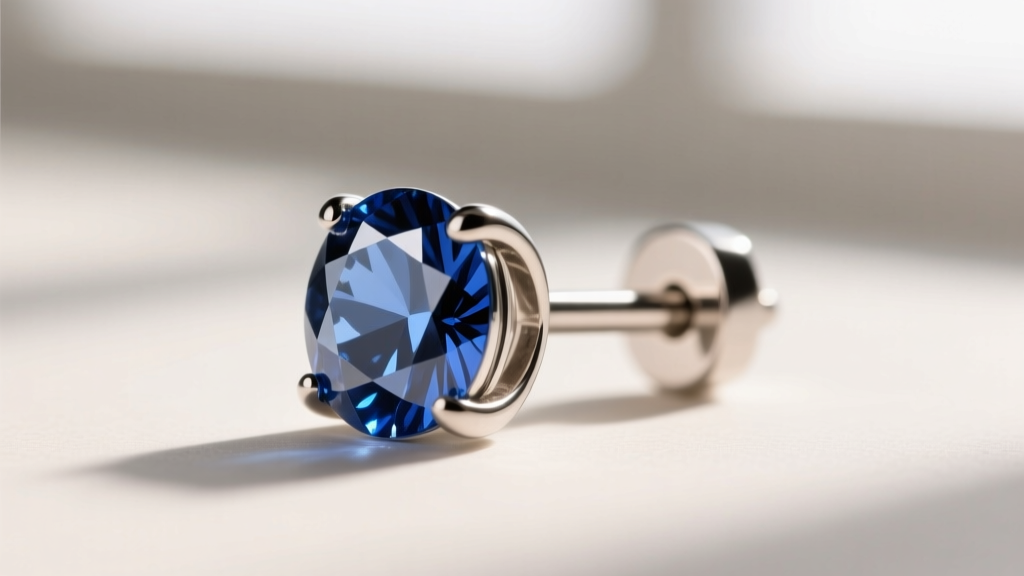
To combat this, high jewelers in 2026 are increasingly utilizing aerospace-grade titanium (specifically Grade 5 Ti-6Al-4V) for the internal armature and posts of heavy drop earrings. Titanium offers the tensile strength of steel at roughly 45% less weight. By milling the structural cage from titanium and merely cladding the visible exterior in platinum or rhodium-plated 18k white gold, master jewelers can reduce the overall weight of a chandelier earring by up to 60%. Furthermore, bespoke ear cuffs and secondary lobe-support chains are now integrated into the design of the most expensive earrings, distributing the kinetic load across the cartilage and upper helix to preserve the structural integrity of the earlobe over decades of wear.
Authentication and the Provenance Premium
When evaluating high-value ear jewelry, the paperwork is as critical as the gemstones. The most expensive earrings are never sold without a constellation of reports from the world's most respected gemological laboratories.
- GIA (Gemological Institute of America): The absolute standard for diamond grading, specifically for identifying Type IIa status and precise color grading in the Fancy spectrum.
- SSEF (Swiss Gemmological Institute): Highly sought after for colored gemstones. An SSEF report confirming that a sapphire is an untreated Kashmir origin stone can add millions to the final hammer price.
- Gübelin Gem Lab: Crucial for determining the geographic origin of emeralds and rubies, with untreated Colombian and Burmese stones commanding the highest premiums.
"In the ultra-luxury sector, a missing origin report from a legacy laboratory like SSEF or Gübelin can reduce a colored gemstone earring's auction valuation by up to 40%, regardless of its visual beauty. Provenance and verifiable lack of thermal treatment are the true drivers of liquidity." — SSEF Gemstone Reports Guidelines
The Future of High Jewelry Ear Trends
As we look toward the latter half of the 2020s, the divergence between the luxury jewelry market and the ultra-high-end investment market is stark. While lab-grown diamonds have captured the accessible luxury and bridal sectors, the market for the most expensive earrings remains fiercely anchored in natural, earth-mined anomalies. The finite nature of large-carat Fancy Vivid diamonds and untreated Kashmir sapphires ensures their status as heirloom assets. For the discerning collector, the focus has shifted from mere brand names to the raw, unrepeatable data of the gemstone's crystal lattice, ensuring that the highest tier of ear adornment remains one of the most exclusive and resilient asset classes in the world of fine art and jewelry.


