A Beginner's Guide to Buying Cameo Earrings From Italy
Learn how to identify, buy, and style authentic cameo earrings from Italy. Discover shell carving, Torre del Greco heritage, and pricing tips.

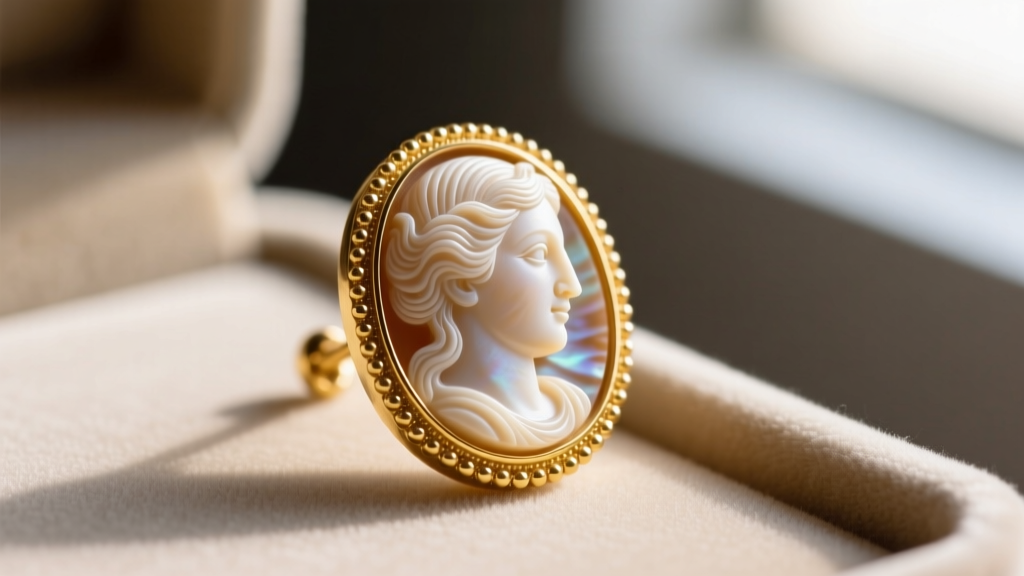
There is an undeniable romance attached to wearing a piece of history. As we navigate the jewelry landscape in 2026, the demand for traceable, artisan-crafted heritage pieces has never been higher. Among the most coveted of these are cameo earrings from Italy, specifically those originating from the coastal town of Torre del Greco. However, for a beginner, the market can be a minefield of laser-etched imitations, resin molds, and overpriced tourist traps.
This comprehensive guide will walk you through the exact materials, carving techniques, hardware requirements, and pricing structures you need to know before investing in authentic Italian cameo earrings.
The Heritage of Torre del Greco: The Cameo Capital
To understand the value of Italian cameos, you must understand their geographic and historical roots. Torre del Greco, a town situated near Naples and the shadow of Mount Vesuvius, has been the global epicenter of cameo carving since the 15th century. According to Encyclopedia Britannica, the region's artisans originally utilized the volcanic ash and local coral, eventually transitioning to imported shells and agates as global trade routes expanded.
Authentic Italian cameos are not merely stamped or molded; they are subtractive sculptures. A master carver (known as an incisore) uses specialized steel burins to painstakingly carve away layers of material, revealing a lighter relief figure against a darker background. This tradition is passed down through generations, meaning a genuine piece from Torre del Greco carries centuries of muscle memory and artistic lineage in its grooves.
Shell vs. Stone: Decoding Cameo Materials
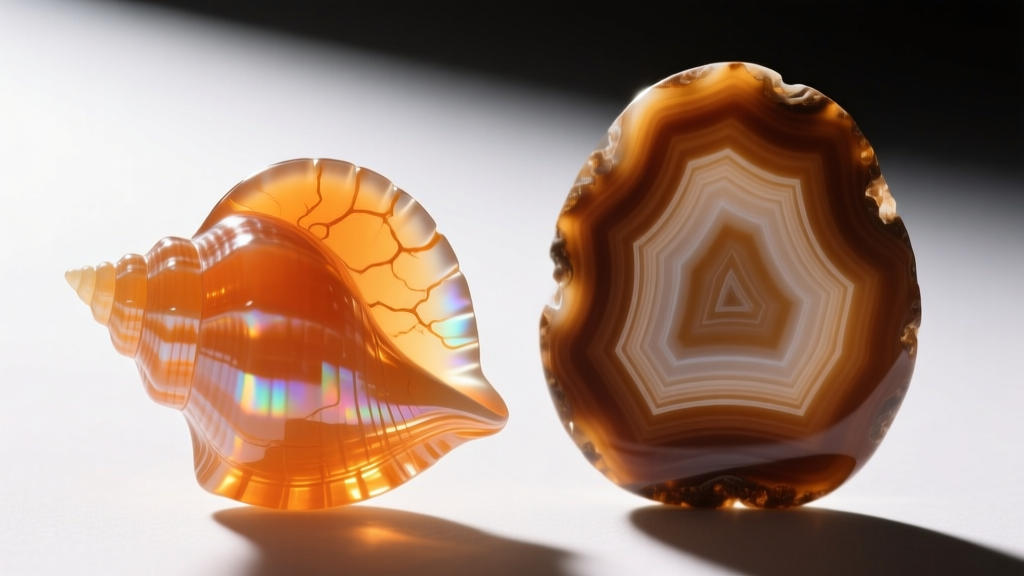
When shopping for cameo earrings from Italy, you will primarily encounter two distinct materials: marine shell and banded agate. Understanding the difference is critical for both aesthetics and durability.
1. Marine Shell (The Classic Choice)
The vast majority of modern Italian shell cameos are carved from the Cassis rufa (Bullmouth Helmet) or the Cypraecassis rufa. These shells are prized for their natural bi-coloration—a creamy white outer layer resting over a vibrant orange, peach, or deep brown inner layer. Shell is relatively soft (Mohs hardness of 2.5 to 3), making it easier to carve into highly detailed, delicate profiles. However, this softness also means shell cameos require protective bezel settings and careful handling to avoid chipping.
2. Sardonyx Agate (The Heirloom Standard)
For a more durable and luxurious option, carvers use banded sardonyx agate. Sourced primarily from Brazil and Uruguay, the stone features stark, naturally occurring bands of white and deep brown or black. Agate is significantly harder (Mohs 6.5 to 7), requiring diamond-tipped tools and vastly more time to carve. As noted by the Victoria and Albert Museum, stone cameos have historically been reserved for royalty and high nobility due to the immense labor required to produce them.
| Feature | Bullmouth Helmet Shell | Sardonyx Agate Stone |
|---|---|---|
| Background Color | Orange, Peach, or Brown | Deep Brown, Black, or Grey |
| Mohs Hardness | 2.5 - 3.0 (Soft) | 6.5 - 7.0 (Hard) |
| Carving Detail | Extremely High (Fine hair strands) | Moderate to High (Bolder features) |
| Weight | Lightweight | Heavy / Dense |
| Temperature | Warm to the touch | Cold to the touch |
How to Spot Authentic Italian Cameos (And Avoid Fakes)
The rise of CNC milling and laser-etching has flooded the market with counterfeit cameos. Here is a practical, four-step framework to verify authenticity when buying cameo earrings from Italy:
- The Translucency Test: Hold a shell cameo up to a strong light source. Genuine shell will exhibit a warm, glowing translucency, much like a fingernail. Molded glass or resin will either be entirely opaque or possess a uniform, artificial cloudiness.
- Examine the Undercutting: Use a jeweler's loupe (10x magnification) to look at the edges of the carved profile. Hand-carved cameos feature 'undercutting'—where the carver digs beneath the figure to create deep shadows and separate the subject from the background. Laser-etched or molded fakes have uniform, shallow depths with sloped, rounded edges.
- The Pin Test (For Stone):strong> If you are buying a sardonyx cameo, gently touch the surface with a steel pin. Agate is harder than steel; the pin will glide without leaving a mark. If the material is soft resin or plastic, the pin will scratch or dent it.
- Check the Backing: Authentic Italian shell cameos are carved from the curved lip of the shell. Therefore, the back of the cameo should be slightly concave (curved inward). If the back is perfectly flat, it is likely a synthetic mold or a laser-cut slab.
Hardware and Gauge Considerations for Earrings
One of the most common failure modes for beginners buying cameo earrings is ignoring the hardware. Cameos—especially stone ones—are dense and front-heavy. Standard 20-gauge or 22-gauge friction posts with butterfly backs are entirely insufficient and will cause the earring to droop, eventually stretching your earlobe piercing or snapping the post.
Recommended Hardware Specifications
- For Shell Cameo Studs: Look for 18-gauge (1.0mm) posts paired with secure screw-backs or large, flat disc friction backs to distribute the weight across the earlobe.
- For Stone Cameo Drops: Due to the heavy nature of agate, avoid standard French wire hooks. Instead, opt for 16-gauge (1.2mm) or 18-gauge leverback or locking ear wires. The mechanical lock ensures the heavy stone will not slip out of your ear if caught on a sweater.
- Bezel Settings: Always choose cameos set in a full metal bezel (14k or 18k gold). Prong settings leave the fragile edges of the shell or stone exposed to catastrophic chipping upon impact.

Pricing Guide: What Should You Expect to Pay?
Authentic hand-carved cameo earrings from Italy are an investment in artisan labor. If you see a pair of 'Italian shell cameos' selling for $30, you are looking at laser-etched mass production. Here is a realistic pricing matrix for authentic, hand-carved pieces in the current market:
Shell Cameo Studs (8mm - 12mm): $150 – $350
Shell Cameo Drops in 14k Gold: $400 – $800
Sardonyx Agate Studs (10mm - 15mm): $600 – $1,200
Sardonyx Agate Drops in 18k Gold: $1,500 – $3,500+
Prices scale exponentially with size and the intricacy of the carving. A cameo featuring a full mythological scene with multiple figures will command a massive premium over a simple classical female profile.
Styling Your Italian Cameos for Modern Wear
The biggest hesitation beginners face is the fear that cameos look 'costumey' or overly Victorian. The secret to styling cameo earrings from Italy in 2026 is contrast. Avoid pairing them with other vintage, ornate jewelry.
Instead, treat your cameos as the focal point of a minimalist outfit. A pair of warm, peach-toned shell cameo drops looks exceptionally striking against a crisp, oversized white linen button-down or a sleek black turtleneck. For a more edgy, contemporary approach, pair traditional sardonyx agate cameos with modern, asymmetric gold ear cuffs on the opposite ear. By isolating the cameo and letting its sculptural quality shine, you bridge the gap between historical artifact and modern high fashion.