Gift Guide: Flat Backs & How to Take Out Earrings With a Flat Back
Discover the ultimate flat back earring gift guide, including material grades, sizing, and how to take out earrings with a flat back safely.

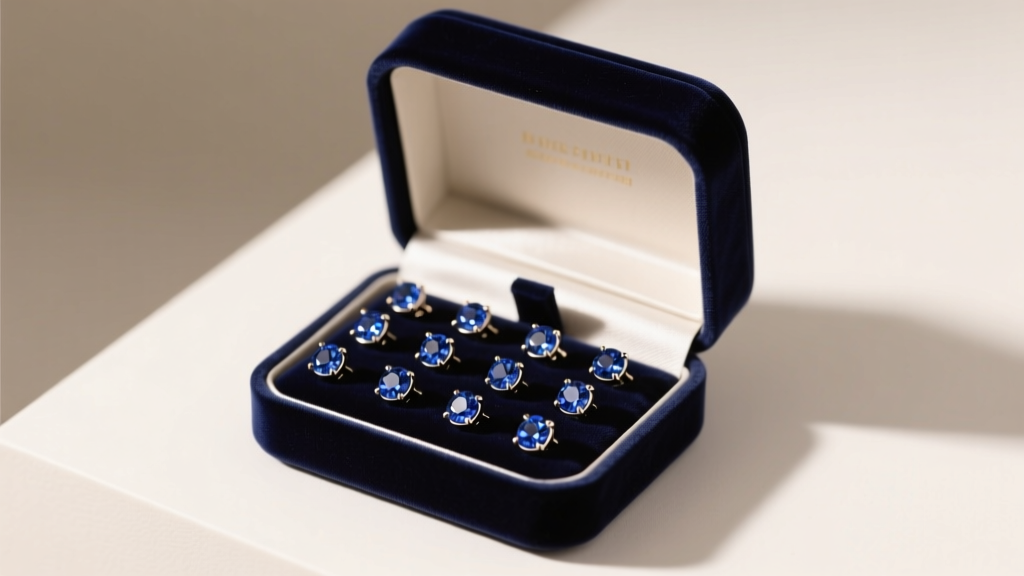
Gifting fine jewelry is a timeless gesture, but as we navigate the evolving landscape of personal adornment in 2026, the modern jewelry enthusiast craves pieces that seamlessly blend aesthetics with anatomical comfort. Enter the flat back earring—often referred to as a labret stud. Whether intended for a freshly pierced helix, a delicate tragus, or a standard lobe upgrade, flat backs have become the undisputed champions of snag-free, sleep-friendly jewelry. However, gifting these specialized pieces requires a nuanced understanding of piercing anatomy, metallurgy, and mechanics. Furthermore, the recipient must know exactly how to take out earrings with a flat back without damaging their delicate fistula tissue.
This comprehensive guide bridges the gap between the gifter’s desire for a meaningful present and the recipient’s need for practical, safe wear. We will explore occasion-matching, material grades, precise sizing, and expert removal techniques.
The Rise of Flat Back Earrings as the Ultimate Jewelry Gift
Unlike traditional butterfly-back studs that feature sharp posts and bulky clasps, flat back earrings utilize a smooth, disc-shaped backing that rests flush against the skin. This design eliminates the dreaded 'poke' behind the ear, making them the superior choice for cartilage piercings and active lifestyles. When selecting a gift, prioritizing biocompatible materials is non-negotiable. According to the Association of Professional Piercers (APP), the gold standards for body jewelry are implant-grade titanium (ASTM F136) and nickel-free 14k or 18k solid gold. Avoid surgical steel or silver-plated options, as they can cause contact dermatitis and tarnish quickly.
Matching Flat Back Styles to Gifting Occasions
Not all flat backs are created equal, and matching the style to the occasion elevates the gifting experience. Use the framework below to select the perfect piece.
| Occasion | Recommended Material | Style / Gemstone | Estimated Price Range |
|---|---|---|---|
| Piercing Milestone (1 Year) | ASTM F136 Titanium | Bezel-set synthetic opal or diamond | $45 - $120 |
| 18th / 21st Birthday | 14k Solid Yellow Gold | Prong-set birthstone or cluster design | $150 - $350 |
| Valentine's Day / Anniversary | 18k Solid Rose Gold | Heart-shaped ruby or sapphire | $200 - $500+ |
| Holiday / Stocking Stuffer | Implant-Grade Titanium | High-polish plain disc or matte finish | $30 - $60 |
The Gifter’s Checklist: Threadless vs. Internally Threaded
Before purchasing, you must determine the connection type your recipient prefers. Flat backs generally come in two secure formats:
- Threadless (Push-Pin): The decorative front features a slightly bent pin that inserts into the hollow post. Tension holds it in place. This is the most popular choice for high-end cartilage jewelry because it allows for easy swapping of tops without removing the post.
- Internally Threaded: The screw threads are located on the inside of the post, and the decorative front screws into it. This ensures no sharp threads pass through the piercing channel, protecting the tissue.
Expert Warning: Never gift externally threaded jewelry (where the screw is on the post itself). The threads act like a cheese grater on the delicate fistula lining, causing micro-tears and irritation bumps.
The Recipient's Manual: How to Take Out Earrings With a Flat Back
Once the gift is unwrapped and worn, the inevitable question arises: how to take out earrings with a flat back safely? The removal process depends entirely on the connection type. Share these instructions with your recipient to ensure they maintain their piercing health.
Method 1: Removing Threadless (Push-Pin) Flat Backs
Threadless jewelry relies on tension, not twisting. Pulling straight out without breaking the tension can damage the piercing.
- Wash and Dry: Thoroughly wash hands and ensure fingers are completely dry. Moisture causes slipping.
- Grip Securely: Pinch the flat back disc firmly between the thumb and index finger of one hand. With the other hand, grip the decorative front.
- The 'Push and Bend' Technique: Push the front and back together slightly to compress the pin, then gently bend the front piece at a 45-degree angle. The tension will release, and the pin will slide out smoothly.
Method 2: Unscrewing Internally Threaded Flat Backs
Internally threaded pieces require a counter-clockwise twist, but grip is everything.
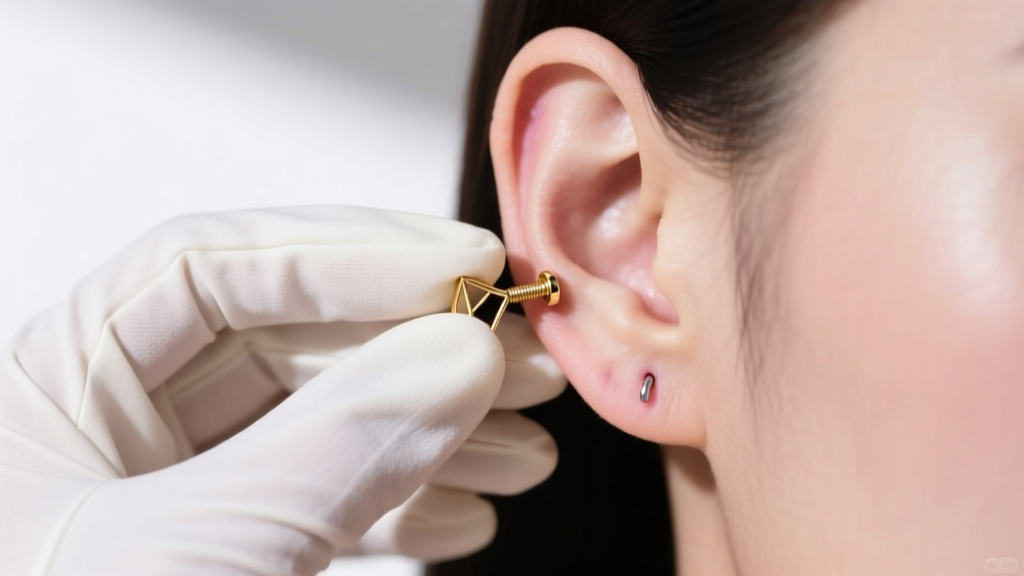
- Stabilize the Back: Reach behind the ear and hold the flat disc completely still. If the disc spins, the earring will not unscrew.
- Twist the Front: Grip the decorative front and twist counter-clockwise (lefty-loosey).
- Use Grip Aids: If the metal is slippery, wrap a small piece of latex or nitrile glove material around the front and back for enhanced traction.
Troubleshooting Stuck Flat Backs (Expert Tips)
If the earring refuses to budge, do not force it with pliers, which can crush the metal and permanently trap the jewelry. Instead, try these professional troubleshooting steps:
- The Warm Soak: Dried lymph fluid and sebum can act like cement. Soak a cotton pad in warm sterile saline and hold it against the jewelry for 5 minutes to dissolve crusties.
- Rubber Gloves: Translucent nitrile medical gloves provide immense grip. The rubber catches the microscopic grooves of the metal, allowing you to apply torque without slipping.
- Seek a Professional: If the piece remains stuck, visit a reputable piercer. They possess specialized tools, such as rubber-tipped hemostats, to safely extract stubborn jewelry without traumatizing the ear.
Sizing Matters: Gauge and Length Specifications
A flat back earring is only comfortable if the dimensions match the recipient's anatomy. Gifting a piece with the wrong post length will result in either irritation (too long) or embedding (too short).
- 18-Gauge (1.0mm): Standard for traditional lobe piercings and some delicate nostril piercings.
- 16-Gauge (1.2mm): The universal standard for helix, tragus, forward helix, and conch piercings.
- 14-Gauge (1.6mm): Often used for thicker cartilage areas or specific industrial anchor points.
Post lengths typically range from 1/4 inch (6mm) for fully healed, thin lobes, to 5/16 inch (8mm) for standard cartilage, and 3/8 inch (10mm) for fresh piercings or thicker ear anatomy. If gifting for an unmeasured ear, a 5/16 inch (8mm) post in 16-gauge is the safest middle-ground for cartilage, which a piercer can easily downsize later.
Essential Aftercare & Maintenance Gifts to Pair
To transform a simple jewelry gift into a complete care package, pair the flat back earrings with high-quality maintenance tools. This demonstrates a deep consideration for the recipient's piercing longevity.
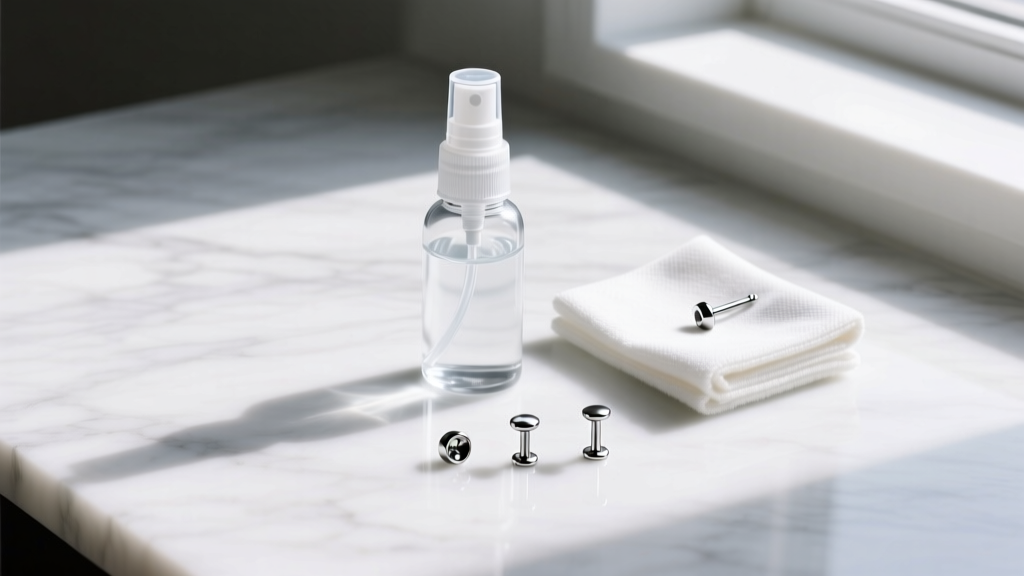
- Sterile Saline Wound Wash: Essential for daily cleaning. Ensure the only ingredients are 0.9% sodium chloride and water. Avoid brands with added fragrances or preservatives.
- Microfiber Jewelry Polishing Cloth: Perfect for gently wiping away oils and lotions from gold and titanium settings without scratching delicate gemstones.
- Silicone Travel Case: A multi-compartment, antimicrobial silicone case allows the recipient to safely store spare posts, flat backs, and O-rings when traveling.
Final Thoughts on Gifting Cartilage & Lobe Staples
Flat back earrings represent a shift toward mindful, anatomical jewelry design. By selecting implant-grade materials, understanding the mechanics of threadless and internally threaded connections, and providing clear instructions on how to take out earrings with a flat back, you are gifting far more than just a beautiful accessory. You are providing a comfortable, long-lasting staple piece that honors the recipient's unique anatomy and personal style. For further reading on safe jewelry standards and metal grades, consult the guidelines provided by ASTM International and your local APP-certified piercer.


