Best Flat Pearl Earrings: 2026 Budget & Value Guide
Discover the true value of flat pearl earrings in 2026. We break down pricing tiers, pearl grades, metal types, and how to spot overpriced fakes.

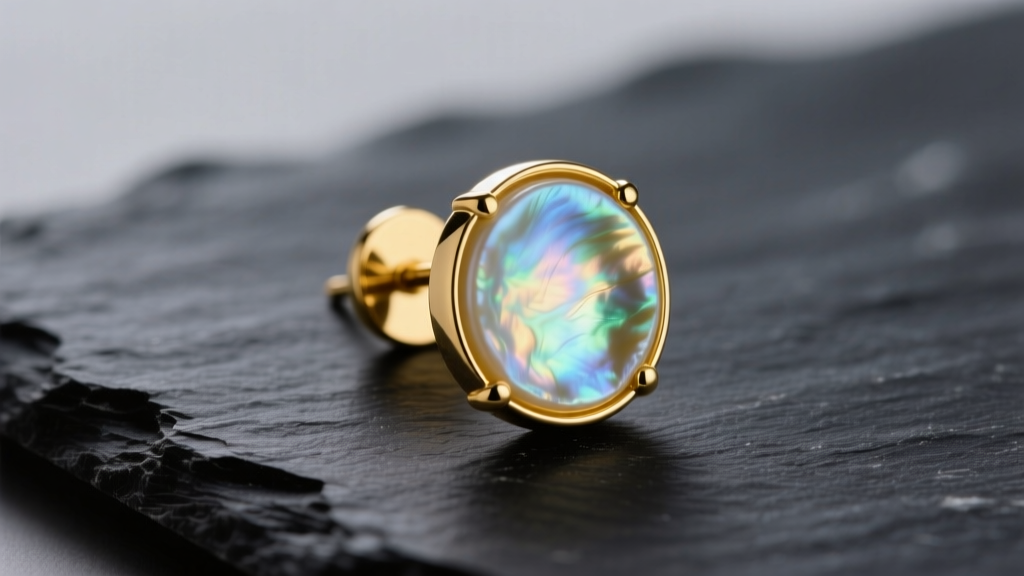
Flat pearl earrings have evolved from vintage curiosities into a cornerstone of modern minimalist and cartilage styling. Whether you are looking at Mabe pearls, freshwater coin pearls, or flat-back stud settings, these low-profile designs offer unmatched comfort and a sleek, contemporary aesthetic. However, the 2026 jewelry market is flooded with confusing pricing, misleading material claims, and disguised synthetics. As a consumer, how do you differentiate between a $30 bargain and a $300 rip-off?
In this comprehensive budget and value assessment, we deconstruct the anatomy of flat pearl earrings, analyze current market pricing tiers, and expose the hidden manufacturing flaws that determine whether your jewelry will last a lifetime or degrade in a matter of months.
The Anatomy of Flat Pearl Earrings: What Are You Actually Buying?
When jewelers and trend forecasters refer to 'flat pearls,' they are typically categorizing three distinct structural types. Understanding which type you are purchasing is the first step in assessing its true market value.
- Mabe Pearls (Cultured Blister Pearls): These are saltwater pearls cultured against the inner wall of the oyster shell, resulting in a naturally flat back and a domed, highly iridescent front. They are lightweight and typically range from 10mm to 15mm in diameter.
- Freshwater Coin Pearls: Nucleated with flat, disc-shaped shells, these pearls grow in a coin-like formation. They are often used in bezel or cup settings and offer a more organic, asymmetrical flat profile.
- Flat-Front or Flat-Back Studs: This refers to the setting rather than the pearl itself. A standard round pearl is either sliced to create a flat face, or a half-drilled round pearl is glued to a flat metal pad on the earring post to sit flush against the earlobe or cartilage.
For lobe piercings, standard post gauges are 20g (0.81mm) or 18g (1.02mm). If you are purchasing flat pearl ends for threaded cartilage jewelry (like flat-back labrets), you will typically need 16g (1.29mm) or 14g (1.63mm) internally threaded posts.
2026 Pricing Tiers: Where Does Your Budget Fit?
The price variance in flat pearl earrings is staggering. A pair of 12mm Mabe studs can cost anywhere from $40 to over $600. Below is a data-driven breakdown of what you should expect to pay based on material grades and pearl origins in the current market.
| Tier | Price Range (Pair) | Pearl Type & Grade | Metal & Setting | Value Verdict |
|---|---|---|---|---|
| Budget | $15 - $45 | Shell pearls (coated glass) or low-grade freshwater coins with heavy blemishes. | Gold-plated brass or stainless steel; glued flat-back pads. | Poor longevity. High risk of allergic reactions and glue failure. |
| Mid-Range | $60 - $150 | Genuine freshwater Mabe or coin pearls; good luster, minor surface imperfections. | Solid 10k/14k gold or high-quality 14k gold-filled; secure cup settings. | Excellent everyday value. Best balance of cost and authentic materials. |
| Premium | $180 - $450+ | Saltwater Mabe (Cortez or Japanese); exceptional luster, thick nacre (>0.8mm). | Solid 14k or 18k gold; prong-set or precision-bezel settings. | Investment grade. Heirloom quality with superior structural integrity. |
If a retailer is charging premium prices ($200+) for freshwater pearls without providing explicit nacre thickness and luster grading, you are overpaying for the brand name rather than the intrinsic value of the materials.
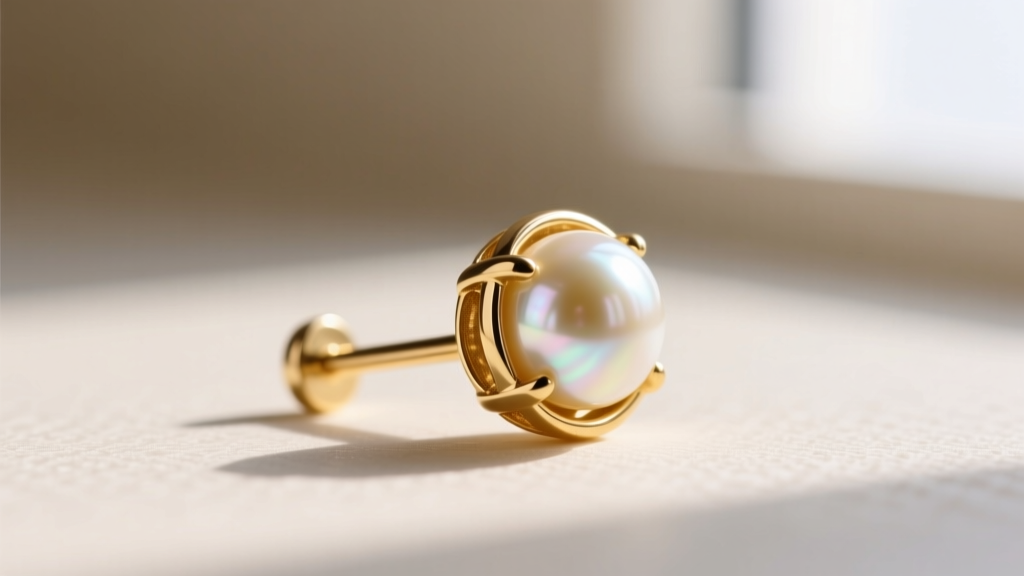
Nacre, Luster, and Backing: The Hidden Value Drivers
To accurately assess the value of flat pearl earrings, you must look beyond the surface. The Gemological Institute of America (GIA) emphasizes that luster and nacre thickness are the most critical determinants of a pearl's durability and beauty.
Evaluating Nacre Thickness on Mabe Pearls
Because Mabe pearls are cultured with a large, half-sphere nucleus, the nacre layer can sometimes be dangerously thin. A high-value Mabe pearl must have a nacre thickness of at least 0.8mm. If the nacre is thinner (often seen in budget tiers), the pearl will exhibit a dull, chalky appearance and is highly susceptible to peeling or cracking when subjected to the pressure of a tight earring backing. Always ask the jeweler for the nacre thickness specification before purchasing premium Mabe earrings.
The Luster Test
Luster refers to the sharpness of light reflection on the pearl's surface. High-value flat pearls will reflect a crisp, distinct image of your face or a light source. If the reflection is blurry or muted, the pearl has low luster, indicating either poor culturing conditions or a thin nacre layer. According to the American Gem Society, luster is the single most important factor in determining a pearl's overall market value, superseding even shape and color.
The Metal Matrix: Post and Setting Grades
The metal composition of the earring post and the 'cup' that holds the pearl is just as critical as the pearl itself, especially for flat-back designs that sit flush against the skin.
Solid Gold (14k and 18k): The gold standard for value. 14k gold (58.5% pure gold) offers the best balance of durability and hypoallergenic properties for posts that endure friction. 18k gold (75% pure) is richer in color but slightly softer, making it better suited for the setting cup rather than the post itself.
Gold Vermeil and Gold-Filled: Vermeil consists of sterling silver plated with at least 2.5 microns of gold. While acceptable for budget-conscious buyers, vermeil flat-back cups are a structural risk. Sweat and skin oils can pool in the flat cup, degrading the plating over time. Once the silver is exposed, it can tarnish and stain the porous nacre of the pearl from the inside out.
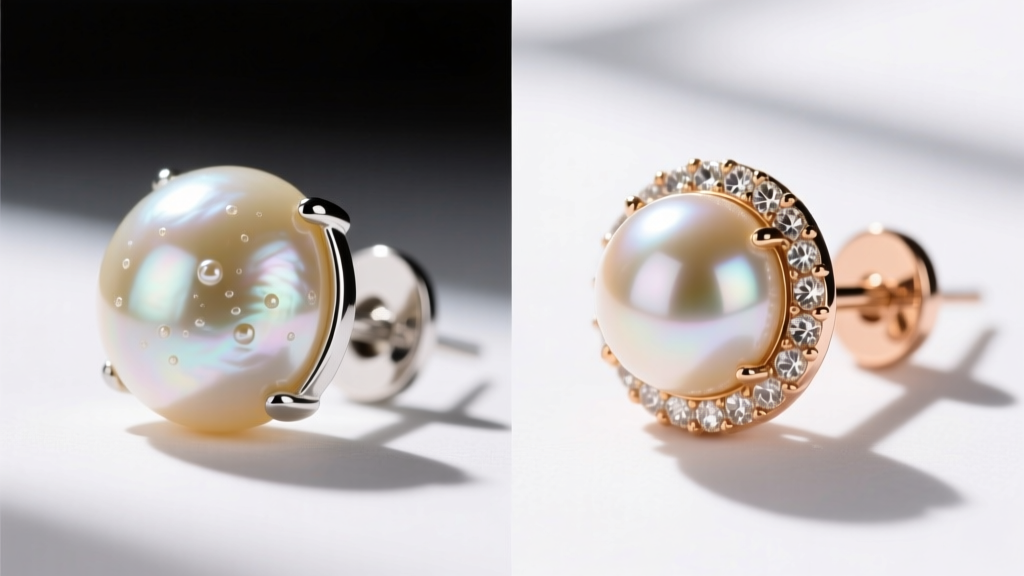
Red Flags: When 'Bargain' Flat Pearls Cost You More
When conducting a value assessment, spotting manufacturing red flags can save you from wasting money on jewelry destined for the trash. Here are the most common failure modes in flat pearl earrings:
Expert Insight: Never purchase flat-back pearls that are secured with standard cyanoacrylate (super glue) or hot glue. High-value flat pearls are either set in a metal cup with a two-part jeweler's epoxy, or they are mechanically secured via prongs or a bezel. If you can see a thick, cloudy ring of adhesive around the base of the pearl, walk away.
The 'Shell Pearl' Deception
Many budget brands use the term 'shell pearl' to describe their products, leading consumers to believe they are buying natural or cultured pearls. In the jewelry industry, 'shell pearl' is a widely recognized euphemism for a manufactured bead made of crushed shell powder or glass, coated in a synthetic pearlescent lacquer. These have virtually zero resale or intrinsic value and will scratch and peel within months of daily wear.
Friction Backs vs. Screw Backs
Because flat pearl earrings (especially Mabe and coin styles) are often top-heavy or wide, standard butterfly friction backs frequently fail, leading to lost earrings. A high-value flat pearl earring over $100 should feature either secure screw-backs, locking La Pousette backs, or a flat-back labret post if designed for cartilage wear. Paying a premium for a heavy Mabe pearl only to lose it due to a cheap $0.10 friction backing is a massive failure in overall value engineering.
Final Verdict: Maximizing Your Investment
Navigating the market for flat pearl earrings in 2026 requires a shift in perspective: you are not just buying a gemstone; you are investing in a micro-engineered piece of structural jewelry. For everyday wearers, the mid-range tier ($60–$150) offers the highest return on investment, providing genuine freshwater pearls set in solid 14k gold cups that resist tarnish and glue degradation.
By demanding transparency regarding nacre thickness, insisting on secure mechanical or high-grade epoxy settings, and avoiding the 'shell pearl' marketing trap, you can build a collection of flat pearl earrings that offer both timeless elegance and undeniable financial value.


