Fred Diamond Earrings: Material Properties & Luxury Comparisons
Explore the metallurgy and gemology behind Fred diamond earrings. We compare 18k gold, steel cables, and diamond settings to luxury alternatives.

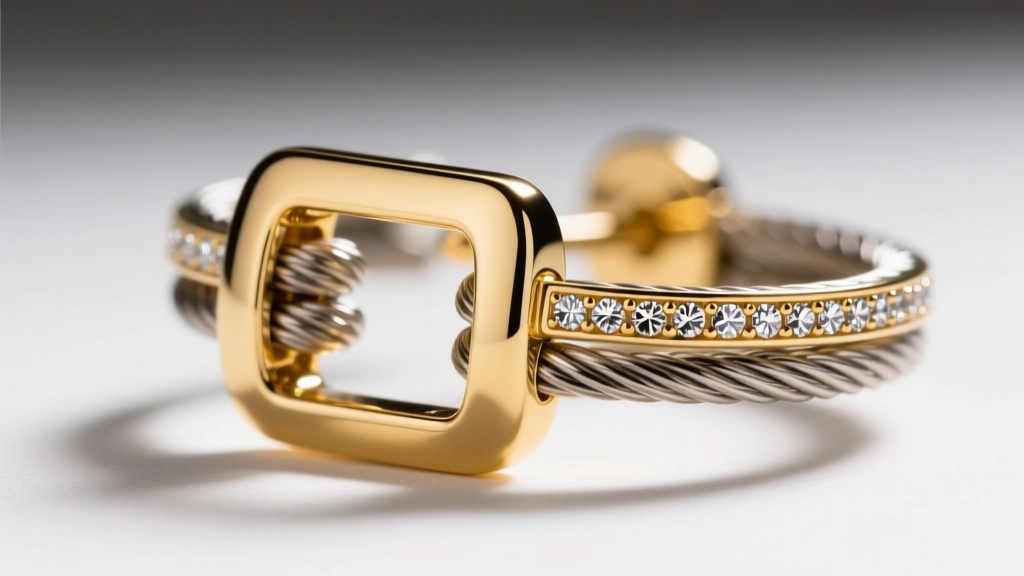
The Metallurgy of Fred Paris: 18K Gold and Steel Synergy
When evaluating high-end jewelry, the structural integrity of the materials is just as critical as the aesthetic design. As of 2026, luxury buyers are increasingly scrutinizing the exact alloy compositions and mechanical properties of their investments. Fred diamond earrings, particularly those from the iconic Force 10 and Chance Infinie collections, represent a fascinating study in mixed-material engineering. Unlike traditional fine jewelers that rely exclusively on precious metals, Fred Paris masterfully integrates 18-karat gold with marine-grade stainless steel cables, creating a unique metallurgical profile.
Fred utilizes 18K gold, which consists of 75% pure gold and 25% alloying metals. The specific alloy composition dictates not only the color but the Vickers hardness (HV) of the metal. For their yellow gold pieces, the alloy typically includes a precise ratio of silver and copper, yielding a hardness of approximately 125 HV. This provides enough malleability for intricate buckle clasps while resisting everyday deformation. Their rose gold variants increase the copper content to roughly 20%, which marginally increases tensile strength but introduces a higher risk of surface oxidation if exposed to harsh chlorides.
The true material differentiator, however, is the woven steel cable. Fred uses a highly polished, marine-grade 316L stainless steel. This austenitic chromium-nickel alloy is renowned for its exceptional corrosion resistance and high tensile strength. While the 18K gold components of the earring may scratch or dent under severe impact, the steel cable boasts a tensile strength exceeding 500 MPa, meaning it will not snap or stretch under normal wear conditions. This juxtaposition of soft, precious gold and industrial-strength steel requires precise mechanical tolerances at the junction points to prevent galvanic corrosion and friction wear.
Diamond Quality and Setting Security in High-End Earrings
The gemological standards applied to Fred diamond earrings align with top-tier luxury benchmarks. The brand typically sources diamonds in the F-G color range (colorless to near-colorless) with VS (Very Slightly Included) clarity. Because earrings are generally viewed from a distance of a few feet, prioritizing color and cut over flawless clarity is a smart material strategy that maximizes light return without inflating the price point for invisible internal characteristics. For a deeper understanding of how these grades impact brilliance, the Gemological Institute of America (GIA) provides comprehensive grading frameworks that explain why cut quality ultimately dictates a diamond's fire and scintillation.
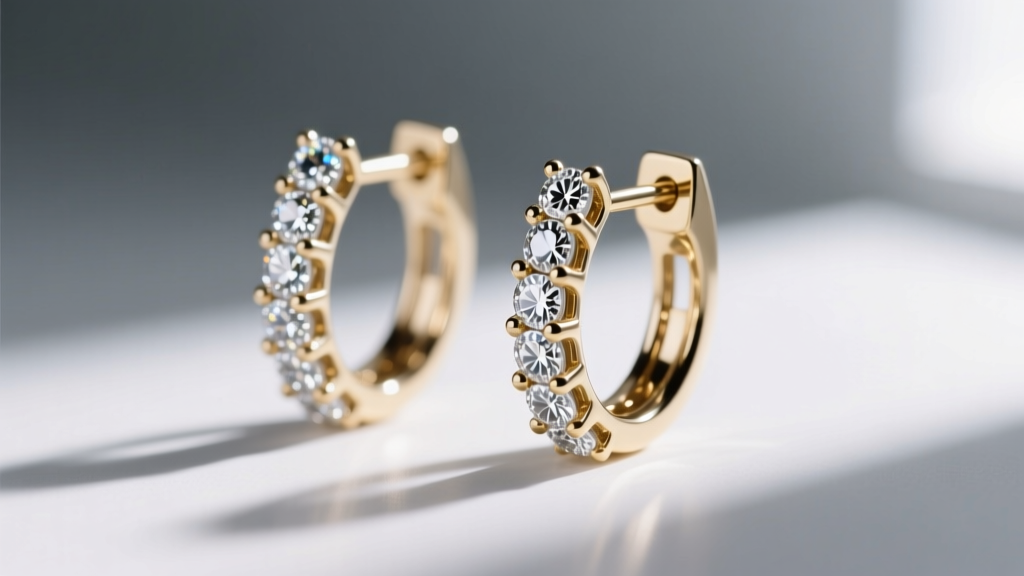
The setting architecture is where material science directly impacts longevity. Many Fred diamond earrings utilize micro-pavé settings, where tiny diamonds are held in place by microscopic beads of gold raised from the surrounding metal. In 18K white gold, these prongs are relatively soft compared to platinum. Over a period of three to five years of daily wear, the friction from hair, clothing, and cleaning can wear down these micro-prongs.
Prong Shear and Failure Modes
- Micro-Pavé Prong Wear: The most common failure mode in 18K gold pavé is prong shear. Because the beads are less than 0.5mm thick, abrasive contact can flatten them, leading to stone loss.
- Bezel Setting Security: For larger center stones, Fred often employs bezel or half-bezel settings. A full 18K gold bezel offers superior impact protection compared to prongs, distributing force evenly across the diamond's girdle.
- Thermal Expansion Mismatches: Diamonds have a near-zero coefficient of thermal expansion, while gold expands and contracts with temperature changes. High-quality setting ensures the metal grips the stone securely across all temperature ranges without cracking the diamond's girdle.
Material Comparison: Fred Paris vs. Traditional Luxury Brands
To understand the true material value of Fred diamond earrings, we must compare their primary materials against other standard luxury earring metals. Below is a technical comparison of the metallurgical properties you will encounter in the high-end earring market.
| Material | Purity / Grade | Vickers Hardness (HV) | Density (g/cm³) | Allergenic Potential | Best Use Case |
|---|---|---|---|---|---|
| Fred 18K Yellow Gold | 75% Au, 25% Ag/Cu | ~125 HV | 15.5 | Very Low | Lobe studs, intricate clasps |
| 316L Steel Cable | Marine Grade | ~220 HV | 8.0 | Low (Contains Nickel) | Hoops, structural cables |
| Platinum 950 | 95% Pt, 5% Ru/Ir | ~135 HV | 21.4 | None | Heavy diamond settings, heirloom pieces |
| 14K Gold | 58.5% Au | ~140 HV | 13.0 | Moderate (Alloy dependent) | Everyday durable hoops |
| Grade 5 Titanium | Ti-6Al-4V | ~350 HV | 4.4 | None | Fresh cartilage piercings, lightweight drops |
As highlighted by Jewelers of America, understanding metal density and hardness is crucial for consumers. While platinum is denser and heavier than Fred's 18K gold, it is actually more malleable, meaning it will scratch easily but lose less metal mass over time. Conversely, Fred's 18K gold will show surface scratches but maintains its structural rigidity better than pure platinum. The inclusion of 316L steel in Fred's designs drastically reduces the overall weight of large hoop earrings, making them significantly more comfortable for stretched or sensitive earlobes compared to solid 18K gold hoops of the same diameter.
Wearability: Lobe vs. Cartilage Performance
The anatomical placement of an earring dictates the required material properties and gauge thickness. Fred diamond earrings are primarily engineered for standard lobe piercings, which typically accommodate 20-gauge (0.81mm) or 18-gauge (1.02mm) posts. The butterfly backings used on their studs are usually crafted from matching 18K gold, providing a secure friction fit. However, the weight of a solid gold buckle clasp combined with a steel cable can create a pendulum effect, which is highly desirable for lobe dangles but problematic for cartilage.
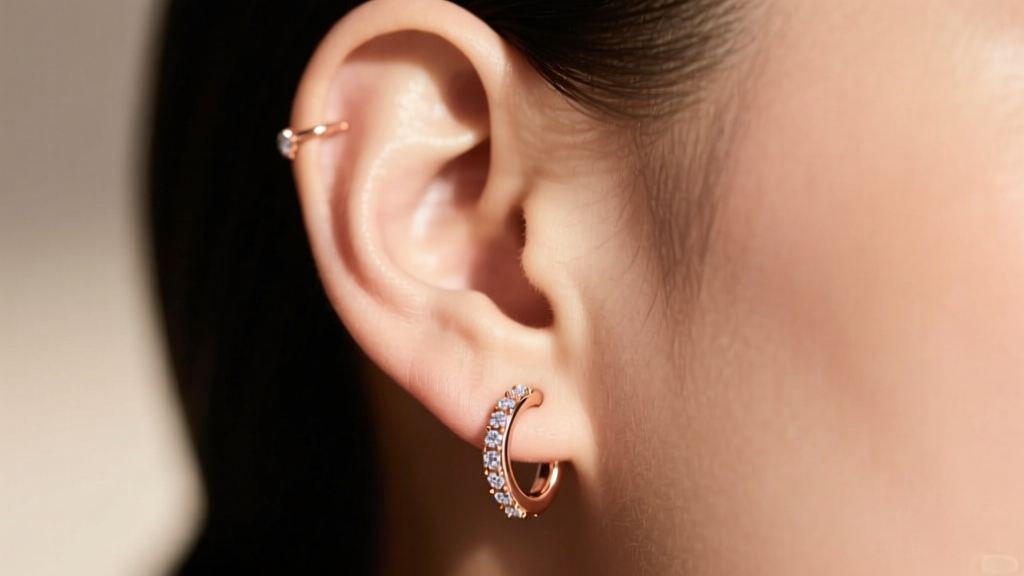
When adapting luxury pieces for cartilage piercings (such as the helix, tragus, or conch), material weight and post gauge become critical. Cartilage tissue is avascular and heals slowly, requiring lightweight, hypoallergenic materials like implant-grade titanium to prevent migration and rejection. While Fred's 18K gold is generally biocompatible, the heavier weight of their signature designs can cause 'cheese-cutter' migration in delicate cartilage piercings if the post is too thin. If you are purchasing luxury diamond earrings for cartilage, opt for their smaller huggie styles or bezel-set studs, and ensure the post is at least 18-gauge (1.02mm) to distribute the weight evenly across the fistula.
Maintenance and Long-Term Material Degradation
Preserving the material integrity of mixed-metal and diamond jewelry requires specific care protocols. The intersection of 18K white gold and steel cables in Fred earrings presents a unique maintenance challenge. White gold is naturally a pale yellowish-gray alloy that is electroplated with rhodium to achieve a bright, reflective white finish. Over time, the friction from the steel cable rubbing against the gold clasp will accelerate the wear of this rhodium plating, revealing the underlying alloy.
Polishing and Ultrasonic Cleaning Realities
Many consumers mistakenly believe that ultrasonic cleaners are safe for all diamond jewelry. While ultrasonic waves are excellent for removing sebum and lotion from the pavilions of diamonds, they can be disastrous for micro-pavé settings. The high-frequency vibrations can loosen the microscopic gold beads holding the diamonds, especially if the metal has already experienced minor wear. For Fred diamond earrings featuring intricate cable weaves and pavé diamonds, the safest cleaning method involves a soft-bristled brush, warm distilled water, and a mild, phosphate-free dish soap. Avoid harsh chemical dips, as they can degrade the polish on the steel cables and strip the rhodium from white gold components prematurely.
Final Verdict on Material Investment
Fred diamond earrings offer a compelling case study in how unconventional material pairings can elevate luxury jewelry. By combining the timeless prestige and warm luster of 18-karat gold with the industrial resilience of marine-grade steel, Fred Paris creates pieces that are not only visually striking but structurally innovative. While buyers must be mindful of the specific maintenance requirements for micro-pavé diamonds and rhodium-plated white gold, the overall material quality ensures these earrings remain durable, comfortable, and highly resistant to catastrophic failure. For those seeking luxury earrings that break away from traditional all-gold monotony while maintaining elite gemological standards, the material engineering behind Fred's collections represents a sound and stylish investment.


