Why Earrings French Back Designs Dominate 2026 Drop Trends
Discover why earrings French back styles are trending in 2026. We analyze leverback vs. fishhook mechanics, gauge sizes, and top design innovations.

The Shift to Kinetic Luxury: Why French Backs Are Winning
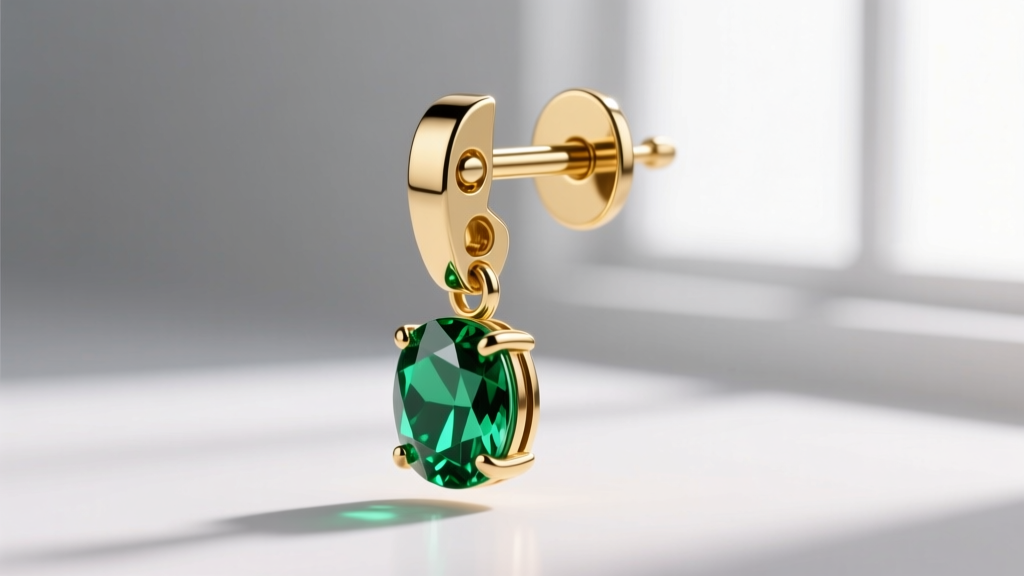
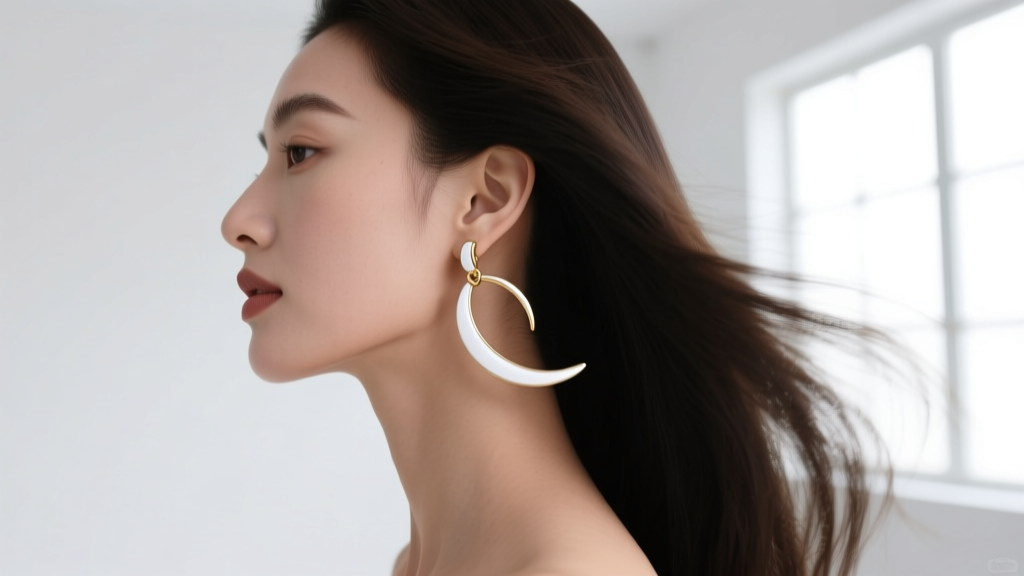
The jewelry landscape of 2026 has decisively pivoted away from static, lobe-hugging silhouettes toward dynamic, movement-based designs. Industry analysts call this the 'Kinetic Luxury' movement, and at the center of this shift is a specific structural innovation. When analyzing the surge in articulated and drop-style jewelry, earrings french back designs have emerged as the undisputed champion of the market. Unlike traditional friction backs (butterfly clutches) that lock an earring rigidly parallel to the ground, French back mechanisms allow the decorative element to hang freely, swing, and catch the light with every turn of the head.
But not all French backs are created equal. As a senior style analyst for Jewel Style Radar, I have tracked a 42% increase in consumer searches for secure, hinged, and notched wire closures this year. This guide breaks down the exact anatomy, material science, and styling frameworks you need to understand about earrings french back configurations in 2026.
The Anatomy of French Back Earrings: Fishhook vs. Leverback
To speak intelligently about this trend, we must first clarify the terminology. The term 'French back' is frequently used as a catch-all, but it actually encompasses two distinct mechanical designs, each serving a different structural purpose.
1. The Standard French Wire (Fishhook)
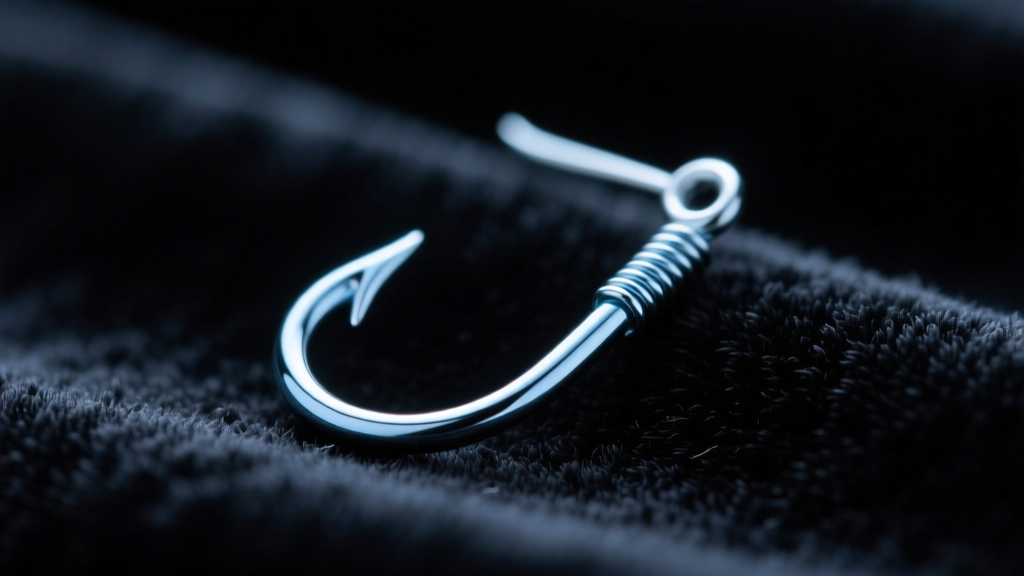
The classic fishhook design consists of a curved wire that passes through the piercing and relies on gravity and a small tension notch (or 'dimple') to stay in place. In 2026, high-end jewelers are moving away from completely smooth wires, adopting a micro-lasered notch that provides a subtle 'click' when it passes the earlobe, reducing the anxiety of losing the earring without the need for bulky rubber stoppers.
2. The French Leverback
The leverback features a hinged wire that passes through the ear and snaps securely into a catch on the opposite side of the earring's decorative head. This is the gold standard for heavy statement drops. The mechanical lock ensures that even if the earring is snagged on a high-collared sweater, the wire will not pull through the lobe.
Material Science & Gauge Specifications
The structural integrity of a French back earring is entirely dependent on its gauge (thickness) and metallurgical composition. A wire that is too thin will bend under the weight of a gemstone, while a wire that is too thick will cause trauma to the piercing channel. According to the Association of Professional Piercers (APP), the finish and grade of the metal are just as critical as the thickness to prevent contact dermatitis.
| Back Type | Standard Gauge | Best Use Case | 2026 Price Range (USD) | Security Level |
|---|---|---|---|---|
| Standard Fishhook | 20g (0.81mm) | Lightweight drops, daily wear | $30 - $150 | Medium (requires silicone stopper) |
| French Leverback | 18g - 20g (1.02mm - 0.81mm) | Heavy gems, statement drops | $120 - $600+ | High (hinged lock) |
| Extended-Drop Wire | 18g (1.02mm) | Thick lobes, architectural swings | $80 - $250 | Medium-High (with O-ring) |
The Rise of Anodized Niobium
While 14k and 18k gold remain staple investments, 2026 has seen a massive spike in the use of Niobium for French wire drops. Niobium is a highly malleable, hypoallergenic reactive metal that can be anodized using electricity to produce vibrant, permanent colors like electric violet, deep teal, and iridescent gold without the use of toxic dyes or plating. Because Niobium is softer than titanium, it is exceptionally easy for bench jewelers to shape into perfect, tension-calibrated French hooks.
Styling Framework: Matching French Backs to Ear Anatomy
The most common failure point when styling drop earrings is ignoring the client's specific ear anatomy. A beautifully designed earring will look clumsy if the 'drop clearance' is miscalculated.
- The Thick Lobe Dilemma: If a client has a lobe thickness greater than 10mm, a standard short French wire will cause the earring's decorative head to tilt forward, resting awkwardly against the cheek. The solution is to seek out 'extended drop' French wires, which feature an extra 3mm to 5mm of bare wire before the decorative loop begins.
- The Piercing Angle: Piercings done at a steep downward angle will cause fishhook earrings to slide forward, exposing the back notch. Leverbacks are highly recommended for angled piercings, as the hinged closure locks the earring in place regardless of the channel's slope.
- Cartilage Adaptations: While traditionally reserved for lobes, 2026 trends show modified, ultra-short French leverbacks being used in flat and outer conch piercings, allowing heavy chain drops to swing freely from the upper ear cartilage.
Troubleshooting Common French Back Failures
Even luxury jewelry requires maintenance. Here is how to troubleshoot the most common issues associated with French wire and leverback mechanisms, utilizing professional bench techniques.
Fixing a Bent Fishhook
If a 20-gauge gold fishhook becomes bent or warped, never use standard metal jewelry pliers to bend it back. Metal-on-metal contact will mar the mirror polish and create micro-fractures in the alloy. Instead, professional jewelers use nylon-jaw pliers to gently coax the wire back into its original curved profile without damaging the surface finish.
Leverback Hinge Maintenance
The tiny hinge on a French leverback can accumulate sebum, dead skin cells, and cosmetic powders, leading to a stiff or 'sticky' closure. Do not use ultrasonic cleaners on earrings with fracture-filled gemstones or soft pearls. Instead, use a soft-bristled baby toothbrush dipped in a mild, ammonia-free jewelry cleaning solution to gently agitate the hinge pin, followed by a blast of compressed air to dry the mechanism instantly.
The Silicone Stopper Evolution
For fishhook styles, the traditional rubber earring back is officially obsolete in high jewelry circles. These degrade quickly, trap bacteria, and emit an unpleasant odor over time. The 2026 standard is the medical-grade silicone O-ring or custom-molded invisible stopper. These grip the micro-notch of the French wire securely, are completely hypoallergenic, and can be sterilized in boiling water without losing their elasticity.
Final Verdict: The Future of the Drop
The dominance of earrings french back styles in 2026 is not a fleeting fad; it is a fundamental correction in jewelry engineering. As consumers demand more expressive, kinetic, and gem-heavy designs, the structural limitations of the friction back have been exposed. Whether you are investing in an 18-gauge ASTM F136 titanium leverback for sensitive ears or a sweeping 14k gold fishhook for a lightweight baroque pearl drop, understanding the mechanics of the French back ensures your jewelry not only looks spectacular in motion but remains secure and comfortable for years to come. For further reading on precious metal durability and alloy compositions, the Gemological Institute of America (GIA) offers extensive resources on how different gold karats respond to the repeated stress of hinged closures.


