2026 Fusion Earrings Trend: Mixed Metals & Hybrid Ear Styles
Explore the 2026 fusion earrings trend. Discover expert insights on mixed-metal metallurgy, hybrid structural designs, and styling.

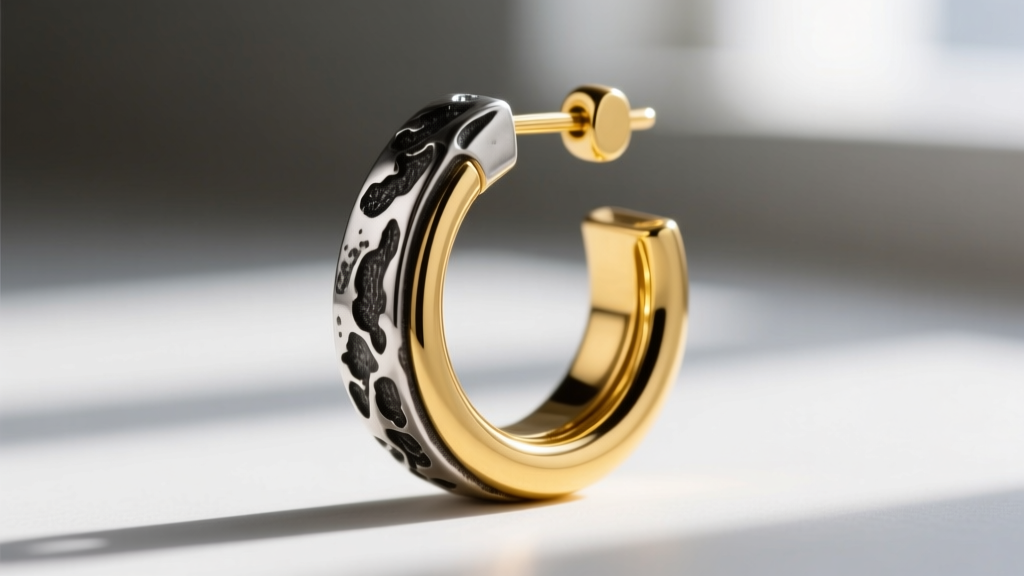
The Anatomy of the 2026 Fusion Earring Movement
In the contemporary jewelry landscape, the term "fusion" has evolved far beyond simple two-tone plating. As we navigate the 2026 style cycle, fusion earrings represent a sophisticated intersection of metallurgical alchemy and structural hybridization. This trend is defined by the deliberate, permanent joining of disparate metals—such as 18k yellow gold and oxidized Argentium silver—as well as the architectural blending of distinct earring silhouettes, like the integration of a traditional lobe stud with a tension-based cartilage cuff via a solid, articulated bridge.
For collectors and stylists, understanding this trend requires looking past the surface aesthetic and examining the engineering, material grades, and wearability factors that separate high-end fusion pieces from mass-market imitations. This analysis breaks down the technical and stylistic elements driving the fusion earring movement this year.
Material Alchemy: Silver, Gold, and Alternative Alloys
The hallmark of a true fusion earring is the seamless integration of metals with different melting points, oxidation rates, and galvanic properties. According to the Gemological Institute of America (GIA), mixing gold alloys with silver requires precise eutectic soldering techniques to prevent structural weakness at the joint.
In 2026, leading designers are favoring Argentium silver over traditional sterling silver for the cool-toned halves of their fusion pieces. Argentium contains germanium, which drastically reduces tarnish and eliminates the need for rhodium plating. When fused with 14k or 18k gold, the contrast between the warm, untarnished gold and the bright, cool Argentium creates a striking visual depth.
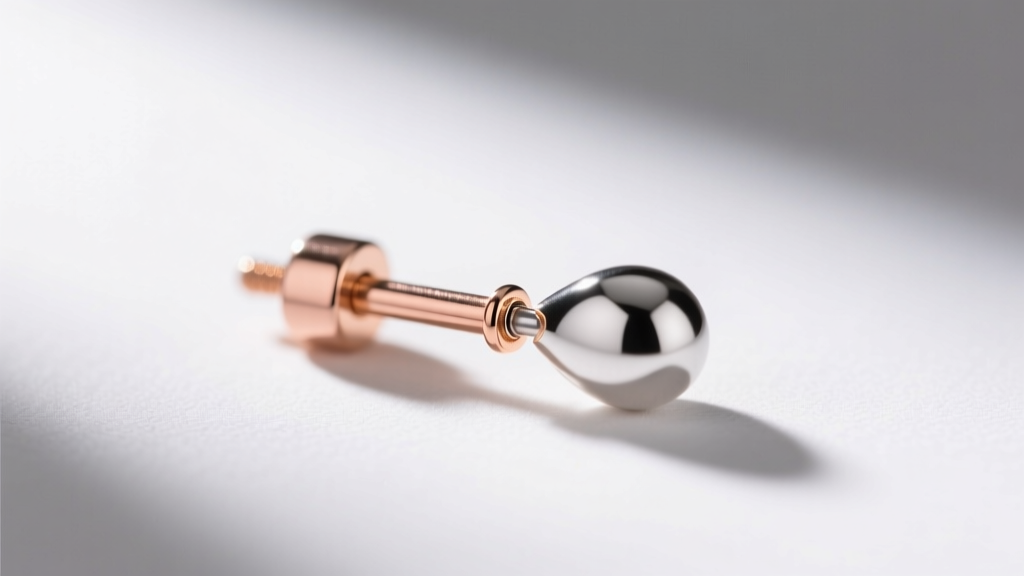
The Galvanic Corrosion Risk
A critical failure mode in poorly manufactured mixed-metal jewelry is galvanic corrosion. When two dissimilar metals are in constant contact with an electrolyte (like human sweat), the more reactive metal corrodes. To combat this, premium fusion earrings utilize a microscopic palladium or platinum barrier layer at the solder joint, or they rely on high-karat gold (18k+) and high-purity Argentium to minimize the electrochemical potential difference. Always inspect the junction point of a mixed-metal earring; it should appear as a crisp, intentional line or interlocking geometric puzzle, never a muddy, blurred solder blob.
Structural Hybrids: When Studs Meet Ear Cuffs
Beyond mixed metals, "fusion" in 2026 heavily refers to structural hybrids. The most prominent silhouette is the lobe-to-helix fusion climber. Unlike delicate chain connectors that drape between piercings, structural hybrids use a rigid, continuous wire or forged metal ribbon that originates at the lobe and sweeps upward, terminating in a non-pierced tension cuff at the helix or scapha.
- The Forged Ribbon Technique: High-end brands use a single piece of 14k gold wire, flattening it at the helix to create a wider surface area for the cuff, while maintaining a rounded 18-gauge profile for the lobe post. This prevents metal fatigue and snapping.
- Tension Calibration: The ear cuff portion must exert exactly 1.5 to 2.5 Newtons of pressure. Too loose, and the hybrid piece will rotate; too tight, and it will restrict blood flow or cause cartilage soreness after 4 hours of wear.
- Articulated Joints: Mid-tier brands often use micro-hinges to connect a stud to a cuff. While more forgiving for different ear shapes, these hinges are prone to seizing if exposed to lotions or ultrasonic cleaners.
Tension and Gauge: The Engineering Behind the Fusion
Understanding gauge sizes is non-negotiable when investing in structural fusion earrings. A standard lobe piercing accommodates a 20-gauge (0.81mm) or 18-gauge (1.02mm) post. However, the structural integrity of a rigid hybrid earring demands an 18g or even 16-gauge (1.29mm) post to support the weight and leverage of the attached cuff. If a brand uses a flimsy 22-gauge post to save on gold weight, the entire piece will warp under the tension of the cartilage cuff, eventually snapping at the solder point.
Price Point & Market Analysis: Are Fusion Pieces Worth the Premium?
Fusion earrings command a price premium due to the doubled material costs and the intensive labor required for multi-metal soldering and tension calibration. Below is a breakdown of the 2026 market tiers.
| Market Tier | Price Range (USD) | Typical Materials | Structural Integrity & Gauge |
|---|---|---|---|
| Mass Market / Fast Fashion | $35 - $85 | Brass base with flash gold/silver plating | 20g-22g posts; high failure rate at joints |
| Bridge / Contemporary Fine | $140 - $350 | Recycled 14k gold & oxidized sterling silver | 18g posts; reliable soldering, basic tension cuffs |
| High Fine / Designer | $800 - $2,500+ | 18k gold, Argentium, platinum barriers | 16g-18g forged posts; custom-tensioned cuffs |
"The true value of a fusion earring lies not just in the karat weight, but in the architectural foresight of the jeweler. A poorly balanced hybrid will warp the earlobe; a masterfully forged one feels weightless." — Contemporary Jewelry Design Quarterly
Styling Framework: Balancing Asymmetry and Mixed Tones
Because fusion earrings inherently combine warm and cool tones, they act as a "bridge" piece in an ear curation, allowing the wearer to mix silver and gold seamlessly across both ears. Here is a strategic framework for styling these pieces in 2026:

1. The Anchor and Orbit Method
Use a heavy, mixed-metal fusion huggie in the primary lobe piercing as your "anchor." Because it contains both gold and silver, you can then populate your upper cartilage (helix, forward helix, tragus) with a mix of solid gold and solid silver studs without the curation looking mismatched. The fusion piece ties the disparate metals together.
2. Face Shape Considerations
Structural fusion climbers that sweep upward from the lobe to the mid-helix create a strong vertical line. This is highly flattering for round and oval face shapes, as it elongates the profile. For square or angular jawlines, opt for fusion drop earrings where a silver geometric shape is fused to a curved gold teardrop, introducing softening curves to the lower half of the face.
Care and Maintenance for Multi-Metal Ear Curations
Maintaining fusion earrings requires a departure from standard jewelry cleaning routines. The Silver Institute notes that while silver requires regular polishing, the methods used can inadvertently damage adjacent gold or gemstone settings.
- Avoid Ultrasonic Cleaners: The high-frequency vibrations of ultrasonic baths can fracture the microscopic solder joints in structural hybrid earrings, especially those with tension-based cuffs or micro-hinges.
- Targeted Polishing: Use a dual-sided polishing cloth. Use the treated inner layer strictly on the silver portions to remove sulfur-induced tarnish, and the soft outer layer to buff the gold. Never apply liquid silver dip to a fusion piece, as the harsh chemicals can etch the gold alloy and strip any intentional oxidation from the silver.
- Tension Checks: Every three months, gently squeeze the cartilage cuff portion of a hybrid earring to ensure it hasn't stretched. If it loses its grip, a professional jeweler can easily re-tension the metal using nylon-jaw pliers without damaging the finish.
As the boundaries between traditional jewelry categories continue to blur, fusion earrings stand out as a testament to modern engineering and boundary-pushing design. By prioritizing material integrity, precise gauge sizing, and intentional styling, you can master this complex trend with confidence and sophistication.


