Mastering Gauge Earrings Sizes: The Ultimate Style & Fit Guide
Explore how gauge earrings sizes dictate style, comfort, and material integrity in 2026. Expert analysis on micro, standard, and heavy gauges.

The Intersection of Anatomy and Aesthetics
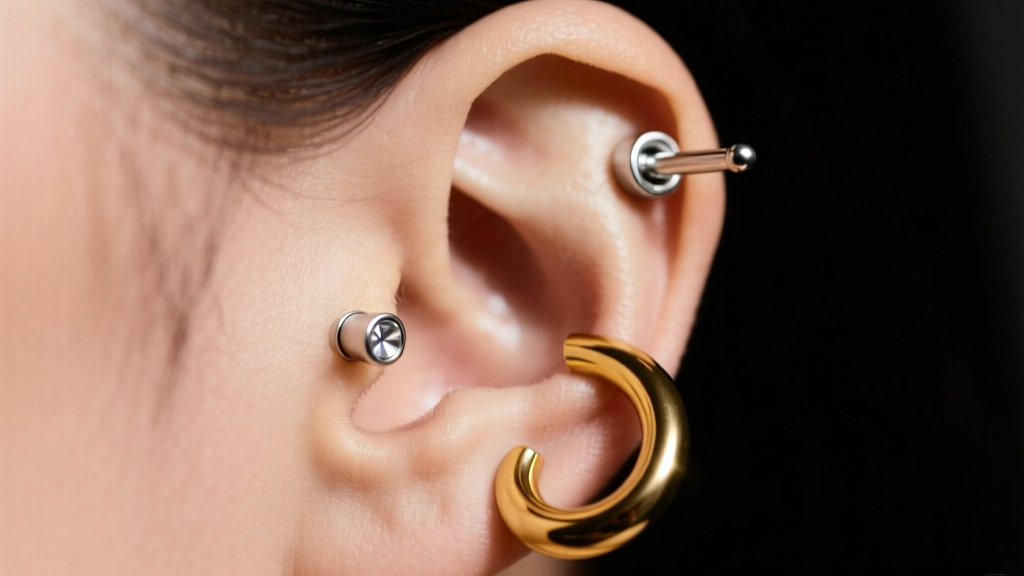
In the contemporary jewelry landscape, understanding gauge earrings sizes is no longer just a medical necessity for healing piercings; it is a foundational pillar of personal style. As we navigate the trends of 2026, the thickness of your earring post or wire fundamentally alters the drape, structural integrity, and visual weight of your jewelry. While standard department store earrings hover around a flimsy 20-gauge or 22-gauge, the high-end and custom jewelry markets have decisively shifted toward thicker, more substantial pieces that offer both premium aesthetics and long-term tissue health.
For style enthusiasts and collectors, mastering gauge sizes means unlocking a broader spectrum of design possibilities. A delicate 20-gauge threadless end offers a 'whisper' aesthetic, while a bold 14-gauge gold huggie provides a luxurious, grounded presence. This guide breaks down the inverse logic of wire gauges, analyzes current style trends across the sizing spectrum, and provides actionable frameworks for selecting the right thickness based on material grades and piercing placement.
Decoding the Inverse Logic of Wire Gauges
Before diving into style applications, it is crucial to understand the counterintuitive numbering system of wire gauges. In the Standard Wire Gauge (SWG) system used for body jewelry, the higher the gauge number, the thinner the wire. A 22-gauge wire is exceptionally fine (0.6mm), while a 0-gauge piece is remarkably thick (8.0mm). This inverse relationship often trips up newcomers, leading to ill-fitting purchases or unintended stretching of the piercing channel.
According to the Association of Professional Piercers (APP), the initial piercing gauge dictates the baseline for all future jewelry. However, intentional upsizing (stretching) or downsizing (within safe limits) has become a major stylistic tool in modern ear curation.
The 2026 Gauge Trend Matrix
To visualize how different thicknesses align with current fashion movements, we have mapped the most common gauge earrings sizes to their corresponding style archetypes and market trends.
| Gauge Size | Millimeter (mm) | Style Archetype | 2026 Trend Status | Common Jewelry Types |
|---|---|---|---|---|
| 22g - 20g | 0.6mm - 0.8mm | The 'Whisper' Micro-Aesthetic | Niche / Delicate Layering | Threadless ends, micro-prong studs, fine fishhooks |
| 18g | 1.0mm | The Classic Standard | Stable / Cartilage Default | Seamless rings, standard labrets, clickers |
| 16g | 1.2mm | The Structural Sweet Spot | Rising / Premium Cartilage | Flat-back labrets, medium huggies, daith clickers |
| 14g | 1.6mm | The Bold Lobe Statement | Dominant / High-End Lobes | Thick huggies, heavy gemstone clusters, shield earrings |
| 12g - 8g | 2.0mm - 3.2mm | The Transitional Stretch | Emerging / Edgy Minimalism | Thick glass crescents, heavy metal eyelets |
| 6g - 0g | 4.0mm - 8.0mm | The Heavy Canvas | Established / Artisan Focus | Carved stone plugs, wooden tunnels, silicone retainers |
The Micro-Aesthetic: Styling with 22g to 20g
The 'barely there' aesthetic continues to thrive in 2026, driven by the desire for hyper-delicate, celestial-inspired ear curation. Gauge earrings sizes in the 22g to 20g range are the undisputed kings of this micro-trend. At 0.6mm to 0.8mm, these wires disappear into the skin, allowing the gemstone or decorative end to appear as though it is floating directly on the ear.
Material Constraints: Working at this micro-level requires strict material awareness. High-karat gold (18k or higher) is exceptionally soft. A 20-gauge 18k gold post will easily bend or warp if slept on, potentially causing the gemstone setting to misalign and lose tension. For 20g jewelry, implant-grade titanium (ASTM F-136) is vastly superior. It offers the necessary rigidity to hold a threadless end securely in place without bowing. Expect to pay between $35 and $85 for premium 20g titanium threadless ends from brands like BVLA or Maria Tash.
The 14g Revolution: Why Thicker is Better for Lobes
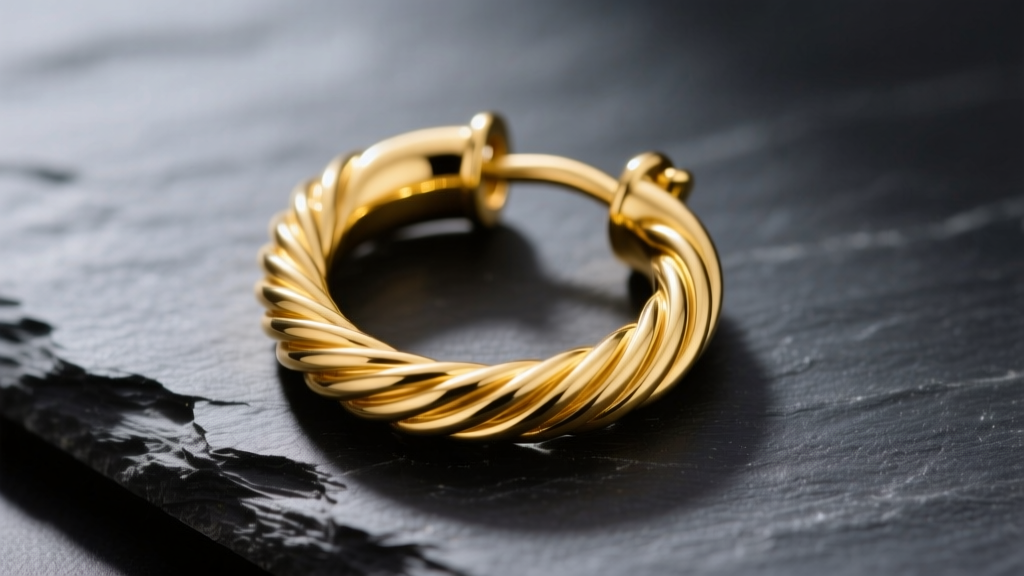
Perhaps the most significant shift in mainstream ear styling over the last few years is the mass migration from standard 18g/20g lobe piercings to 14g (1.6mm). While traditional mall kiosks and department stores still default to thin, flimsy wires, high-end piercing studios and luxury jewelers now heavily advocate for 14g as the new gold standard for lobe piercings.
Combating the 'Cheese Cutter Effect'
The primary driver for this trend is anatomical preservation. Thin wires (20g or 18g) bearing heavy weight—such as a large diamond cluster or a solid gold drop earring—create high pressure per square millimeter on the piercing fistula. Over time, this causes the jewelry to slowly migrate downward, slicing through the tissue in a phenomenon known in the industry as the 'cheese cutter effect.' By upsizing to 14g, the surface area distributing the weight is doubled, virtually eliminating migration risk while providing a luxurious, substantial feel that thin wires simply cannot replicate.
Furthermore, 14g allows for more robust jewelry mechanics. Clicker clasps on huggie hoops, for instance, require a certain thickness to house the hinge and locking mechanism securely. A 14-gauge solid gold huggie ($150–$450) feels like a piece of fine horology compared to the fragile, easily bent hinges found on 20-gauge alternatives.
Heavy Gauges and the Artisan Stretch (10g to 00g)
For those who have intentionally stretched their lobes, or who utilize heavy gauges for cartilage statements like conch piercings, the styling paradigm shifts entirely. In the 8g to 00g range, the jewelry is no longer just an accessory; it is an architectural modification. The 2026 trend in heavy gauges leans heavily into organic, artisanal materials rather than mass-produced surgical steel.
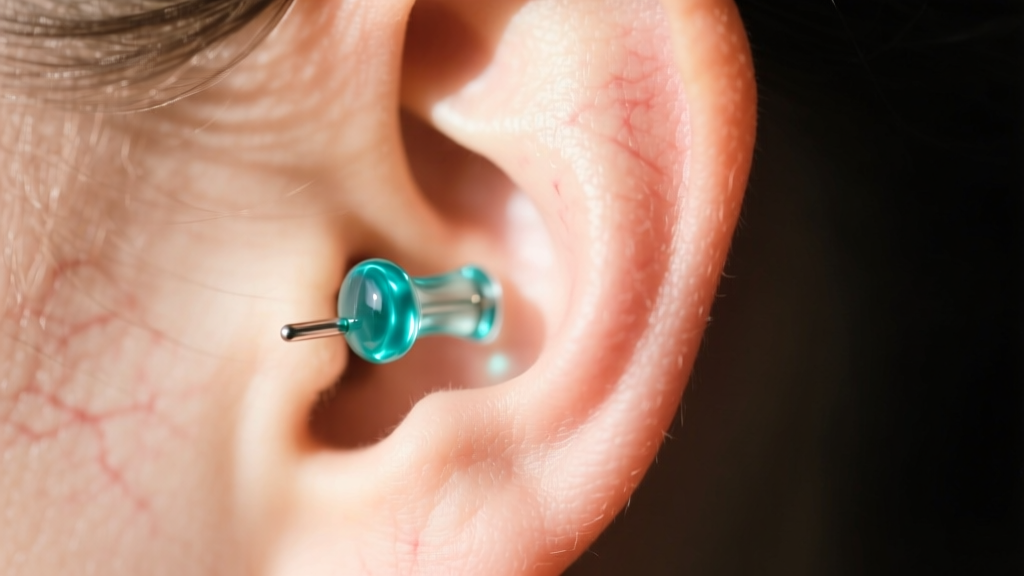
Glass and Stone Dominance: Borosilicate glass and carved natural stones are the premier materials for heavy gauge earrings sizes. Glass is non-porous, completely inert, and can be crafted into intricate crescent weights or double-flared eyelets that sit flush against the earlobe. Unlike metal, glass does not conduct cold temperatures, making it exceptionally comfortable for year-round wear. Custom glass plugs from artisan studios typically range from $45 to $120, offering a bespoke aesthetic that stamped metal tunnels cannot match.
Material Failure Modes by Gauge: A Buyer's Framework
Understanding how gauge interacts with material tensile strength is what separates novice buyers from seasoned collectors. Before purchasing, apply this failure-mode framework to your desired gauge and material combination:
- 18k/22k Gold at 20g-18g: High Failure Risk. Prone to bending, warping, and losing gemstone tension. Reserve strictly for lightweight, decorative threadless ends that will not be slept in.
- Implant-Grade Titanium at 16g-14g: Zero Failure Risk. The ultimate workhorse. ASTM F-136 titanium at these gauges will outlast the wearer. Ideal for everyday wear, active lifestyles, and heavy gemstone clusters.
- Sterling Silver at Any Gauge: Chemical Failure Risk. While structurally sound at 14g, silver oxidizes and tarnishes rapidly in the humid, enclosed environment of a piercing channel. The APP strongly advises against wearing silver in unhealed or freshly stretched piercings due to the risk of argyria (localized skin staining).
- Acrylic/Wood at Heavy Gauges (6g+): Biological Failure Risk. Porous materials harbor bacteria. While aesthetically pleasing for temporary wear, they should never be used for sleeping or in freshly stretched lobes. Always use glass or titanium as the base layer.
Strategic Sizing for Your Next Ear Project
When planning your next piercing or jewelry upgrade, do not simply accept the 'standard' size offered by a retail chain. Consult with an APP-certified piercer to discuss your long-term styling goals. If you envision wearing heavy, statement-making gold hoops or diamond clusters in your lobes, request an initial piercing at 16g or 14g. If you are building a delicate, multi-piercing constellation in your flat or helix cartilage, 18g or 16g titanium threadless systems will offer the perfect blend of structural security and micro-aesthetic beauty.
Ultimately, mastering gauge earrings sizes empowers you to curate an ear that is not only visually stunning but anatomically sound and built to last a lifetime. For more detailed material standards and safety guidelines, always refer to the APP's official jewelry guidelines before making significant investments in fine body jewelry.


