Gauges Earrings Sizes: 2026 Trend Analysis & Fit Guide
Explore the latest 2026 trends in gauges earrings sizes. Learn about mid-gauge aesthetics, safe stretching materials, and styling curated earlobes.

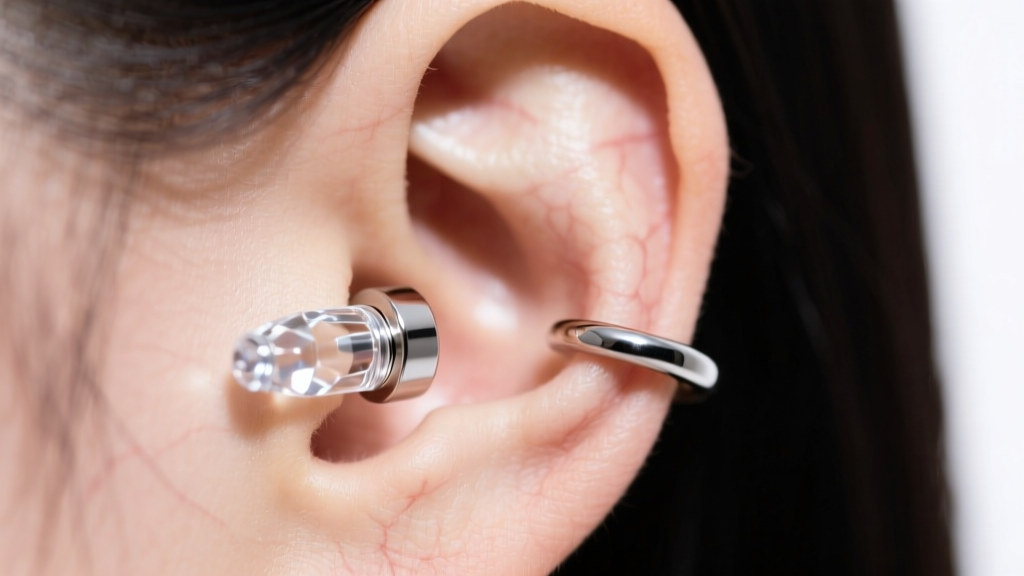
When analyzing the modern piercing landscape, understanding gauges earrings sizes is no longer just about basic lobe studs or standard cartilage hoops. The body modification and fine jewelry sectors have collided, creating a highly sophisticated market for stretched earlobes and heavy-gauge cartilage piercings. As we move through 2026, the aesthetic preferences surrounding ear stretching have undergone a massive paradigm shift. The era of chasing extreme, irreversible sizes is being replaced by a focus on tissue health, curated proportions, and artisanal material science. This comprehensive trend analysis breaks down the current landscape of gauge sizing, material safety, and the styling frameworks defining the year.
The 2026 Shift: From Extreme Stretching to Curated Mid-Gauges
Over the past decade, the cultural hallmark of ear stretching was often tied to achieving the largest possible diameter, frequently pushing past 00g (10mm) into fractional inch measurements. However, the 2026 trend cycle heavily favors the "curated lobe" aesthetic. Piercing enthusiasts and fine jewelry collectors are intentionally stopping their stretching journeys between 8g (3.2mm) and 2g (6.0mm).
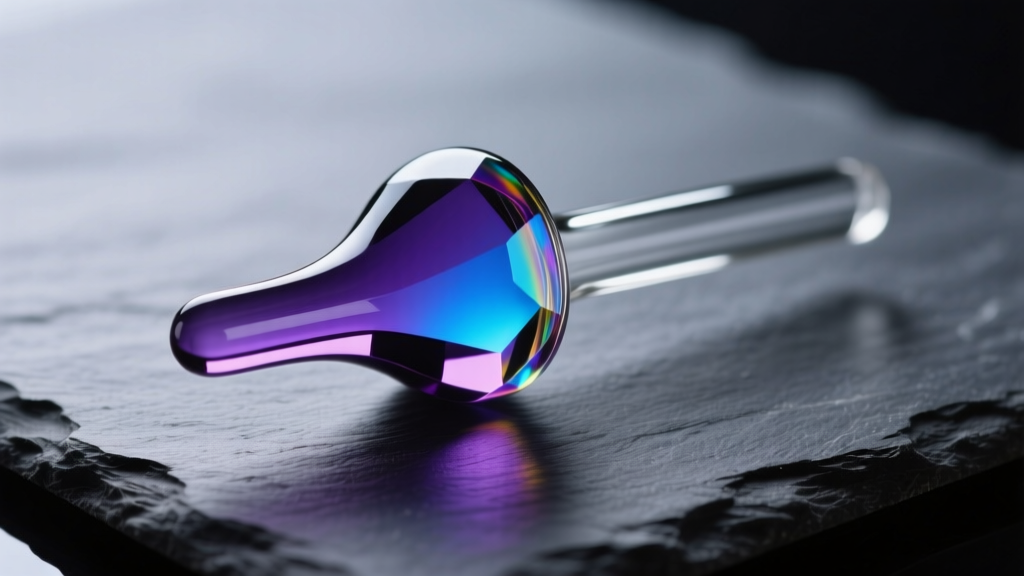
Why the shift toward mid-gauges? First, it preserves lobe elasticity. Stopping at 4g or 2g allows the earlobe to potentially shrink back closer to its original size if the wearer decides to downsize later in life. Second, the mid-gauge range unlocks access to the most highly sought-after artisan jewelry. Glass blowers and metalsmiths are focusing their most intricate dichroic fuming and gold-inlay techniques on the 6g to 2g range, creating a booming secondary market for high-end, collectible plugs and tunnels. The focus has moved from sheer size to the artistic quality of the jewelry and the anatomical harmony of the stretched lobe.
The Definitive Chart for Gauges Earrings Sizes
To navigate the market, one must understand the precise mathematical conversions and current trend statuses associated with each size. The gauge system is inversely proportional; the lower the number, the thicker the jewelry. Below is the essential sizing matrix for modern piercing enthusiasts.
| Gauge Size | Millimeter (mm) | Inch Equivalent | 2026 Trend Status & Best Application |
|---|---|---|---|
| 18g | 1.0mm | ~3/64" | Standard for vintage fine jewelry and delicate lobe threads. |
| 16g | 1.2mm | ~1/16" | The modern baseline for cartilage, helix, and tragus piercings. |
| 14g | 1.6mm | ~1/8" | Rising trend for conch and daith piercings to support heavy shields. |
| 12g | 2.0mm | ~5/64" | Transitional size; popular for masculine lobe aesthetics and thick hoops. |
| 8g | 3.2mm | ~1/8" | The entry-point for "curated lobes" and wearing solid glass plugs. |
| 4g | 5.0mm | ~3/16" | The 2026 aesthetic sweet spot; balances elasticity and visual presence. |
| 0g | 8.0mm | ~5/16" | Considered the "point of no return" for most; requires dedicated care. |
Material Science: What is Safe at Larger Gauges?
As the diameter of the piercing increases, the surface area of the jewelry resting against the fistula (the skin tunnel) expands exponentially. This makes material biocompatibility more critical than ever. According to the Association of Professional Piercers (APP), only specific materials should be worn in stretched lobes, particularly during the active stretching phase or when sleeping.
- Implant-Grade Titanium (ASTM F136): The absolute gold standard. It is lightweight, completely nickel-free, and can be mirror-polished to a surface finish of 0.2 microns or better, preventing bacterial adhesion.
- Niobium: Highly biocompatible and easily anodized to create vibrant colors without the use of toxic paints or platings.
- Borosilicate Glass: The premier choice for healed, stretched lobes. Glass is non-porous, hypoallergenic, and can be autoclaved. Its weight provides a gentle, natural massage to the lobe tissue.
The Silicone Tunnel Trap
A persistent failure mode in the stretching community is the use of silicone tunnels. While marketed as comfortable and easy to insert, silicone is highly porous and tacky. It traps dead skin cells and moisture against the fistula, frequently leading to contact dermatitis, severe odor, and bacterial infections. Furthermore, the friction of silicone can cause micro-tears during insertion, leading to blowouts (where scar tissue is forced out the back of the piercing). In 2026, reputable piercers universally condemn silicone for any stretching or long-term wear.
Cartilage Gauges: The 14g and 12g Conch Revolution
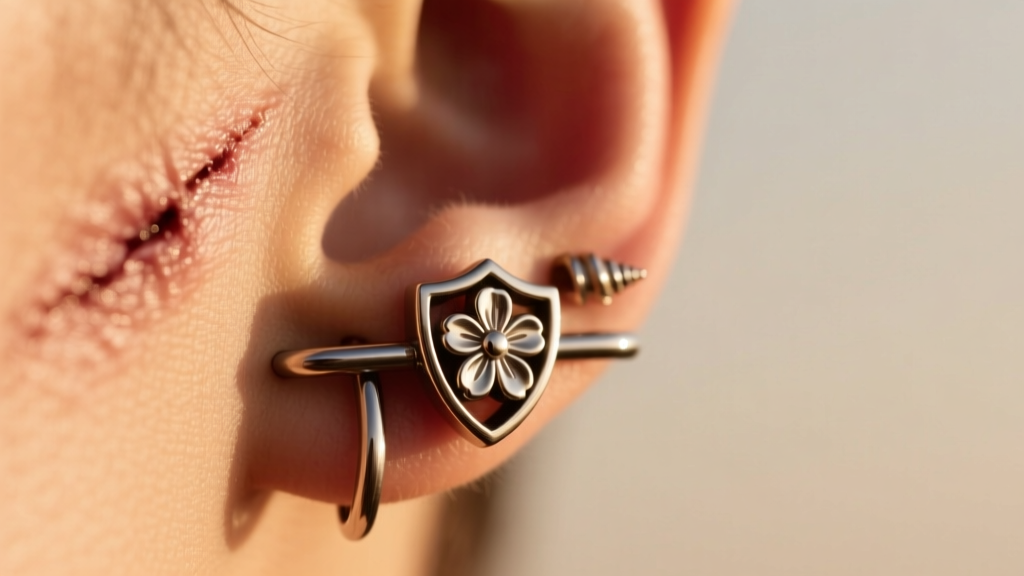
While lobe stretching dominates the conversation, a massive trend in 2026 is the up-sizing of inner ear cartilage piercings. Historically, conch, daith, and rook piercings were performed at 16g (1.2mm). Today, clients and piercers are opting for 14g (1.6mm) or even 12g (2.0mm) initial piercings.
This structural shift is driven by jewelry design. The market has seen an explosion of heavy, ornate titanium shields and intricate clickers designed for the conch. A standard 16g wire is often too thin to support the weight of these elaborate pieces, leading to the "cheese-cutter effect," where thin wire slowly migrates through the cartilage under heavy loads. By piercing at 14g or 12g, the fistula is robust enough to support substantial gold and titanium jewelry without risking migration or rejection. This has transformed the conch into a primary focal point for high-end body jewelry curation.
Sizing Up Safely: Taping vs. Tapers
How one achieves larger gauges earrings sizes is just as important as the final aesthetic. The traditional method of using acrylic or steel tapers to force jewelry through the fistula is increasingly viewed as outdated and dangerous. Tapers apply uneven, directional pressure, frequently causing blowouts and uneven stretching.
The professional standard in 2026 is the taping method using PTFE (polytetrafluoroethylene) bondage tape. This involves wrapping a single layer of PTFE tape around a healed, properly sized glass or titanium plug every 7 to 14 days. PTFE is biocompatible, incredibly slick, and allows for micro-increments of roughly 0.2mm per wrap. This slow, gradual approach allows the collagen and elastin fibers in the earlobe to remodel and grow new tissue, rather than simply tearing and forming scar tissue. For those with highly elastic, well-healed lobes, "dead stretching" (allowing the lobe to naturally accommodate the next size up via the weight of heavy glass jewelry) is also a highly recommended, zero-trauma methodology.
"Patience is the ultimate currency in ear stretching. Rushing a stretch by a single millimeter can result in a blowout that sets your journey back by six months. Let the tissue dictate the timeline, not the calendar." — Advanced Body Modification Guidelines, 2025 Edition
Sourcing Artisan Gauge Jewelry in 2026
The market for large-gauge jewelry has bifurcated into mass-produced basics and high-end artisan collectibles. Understanding where to source your pieces is vital for both style and tissue health.
- Mass-Market / Basics ($15 - $40): Brands like BodyArtForms and Urban Body Jewelry offer reliable, ASTM F136 titanium plugs and basic borosilicate glass retainers. These are excellent for sleeping, active lifestyles, and baseline maintenance.
- Mid-Tier Artisan ($50 - $120): Companies such as Gorilla Glass and Mumblebee produce incredible hand-blown dichroic glass, stone inlays, and suspended UV-reactive pieces. These are the workhorses of the curated lobe aesthetic.
- High-End Collectibles ($150 - $500+): Studios like Tawapa, SiniStere, and Onetribe create museum-quality pieces featuring hand-carved exotic woods, fossilized ivory alternatives, and precious metal inlays. These pieces are often released in limited "drops" and hold significant resale value in the secondary market.
As the boundaries between fine jewelry and body modification continue to dissolve, mastering gauges earrings sizes is essential for any serious collector. By prioritizing mid-gauge aesthetics, adhering to strict material safety protocols, and utilizing slow stretching methodologies, enthusiasts can cultivate a curated ear that is as healthy as it is visually striking. For further reading on safe stretching practices and tissue management, consult the educational resources provided by the Association of Professional Piercers.