Gay Men Earring Guide: Top Styles & Fits for 2026
Discover the definitive 2026 gay men earring buying guide. Explore modern queer aesthetics, gauge sizes, premium metals, and curated cartilage styles.

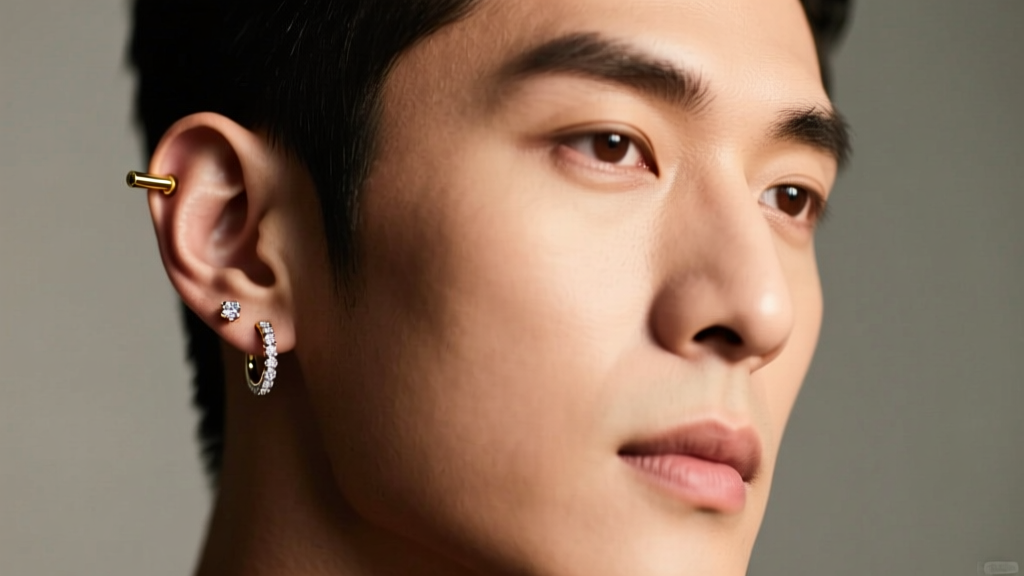
For decades, the concept of the "gay men earring" was reduced to a covert, binary code. In the 1980s and 1990s, a single piercing in the right ear served as a quiet signal of queer identity in a less accepting world. Today, in 2026, that outdated rulebook has been entirely rewritten. Modern queer men's jewelry is no longer about hiding in plain sight or adhering to rigid binary signals; it is about bold self-expression, architectural curation, and breaking traditional masculine norms. Whether you are building a curated ear party from scratch or upgrading a basic lobe piercing, understanding the technical nuances of high-end body jewelry is essential.
This comprehensive buying guide moves past generic fashion advice to give you the exact specifications, material grades, and structural insights needed to invest in pieces that look exceptional and heal flawlessly. From understanding the mechanics of threadless ends to selecting the correct gauge for your anatomy, here is everything you need to know about navigating the modern gay men earring landscape.
The Evolution of Queer Ear Curation
The contemporary queer aesthetic in men's jewelry borrows heavily from high fashion, streetwear, and fine jewelry, blending them into a cohesive "curated ear" look. The modern approach treats the ear as a canvas, utilizing a mix of lobe studs, helix hoops, and conch statement pieces. The focus has shifted from "which ear" to "what quality." Discerning buyers are moving away from mall-kiosk fashion jewelry and investing in bespoke, body-safe metals that offer both longevity and a premium visual weight.
Core Styles Defining the Modern Aesthetic
When building your collection, it is crucial to understand the functional and aesthetic differences between the primary earring styles available on the market today.
1. The Threadless Architectural Stud
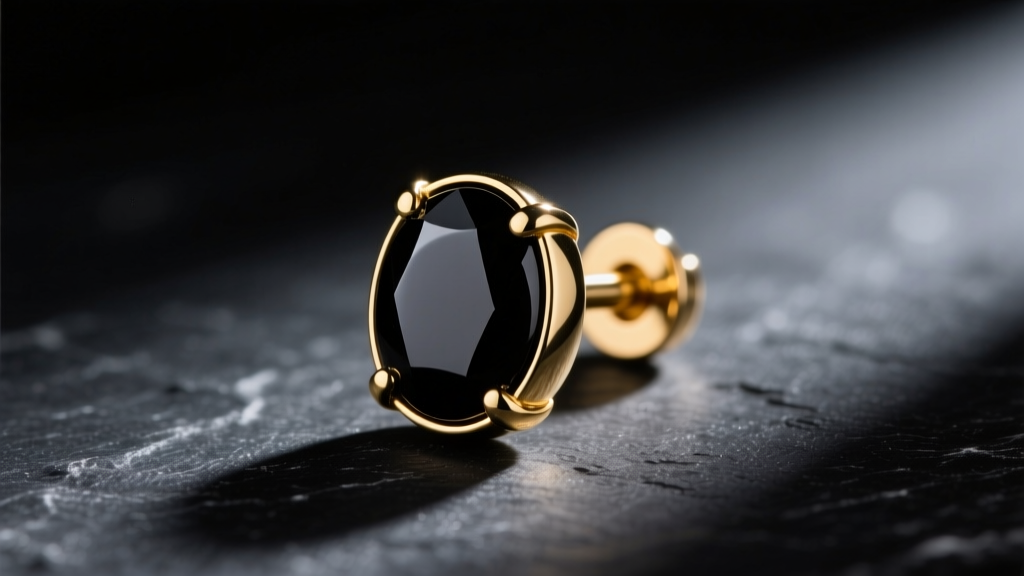
Threadless (or press-fit) jewelry is the gold standard for modern piercings. Unlike internally threaded jewelry where the ball screws onto the post, threadless ends feature a small pin that inserts into a hollow post. The secret to its security lies in the tension: you slightly bend the pin (usually at a 10 to 15-degree angle) before inserting it. This creates a spring-like tension that locks the end in place, making it virtually impossible to lose during sleep or athletic activities. For a masculine, architectural look, opt for bezel-set black onyx, matte gold geometric shapes, or minimalist titanium bars.
2. The Substantial Clicker Hoop
Hoops are a staple, but the thin, flimsy wire hoops of the past have been replaced by substantial "clickers." These feature a hinged segment that snaps securely into place with an audible click. For cartilage piercings like the helix or tragus, a 16-gauge clicker with a 3/8" (10mm) inner diameter provides a bold, structured look that frames the ear beautifully without catching on clothing. Look for designs with subtle pavé diamonds or oxidized silver detailing for a sophisticated edge.
3. Ear Cuffs and Faux Cartilage
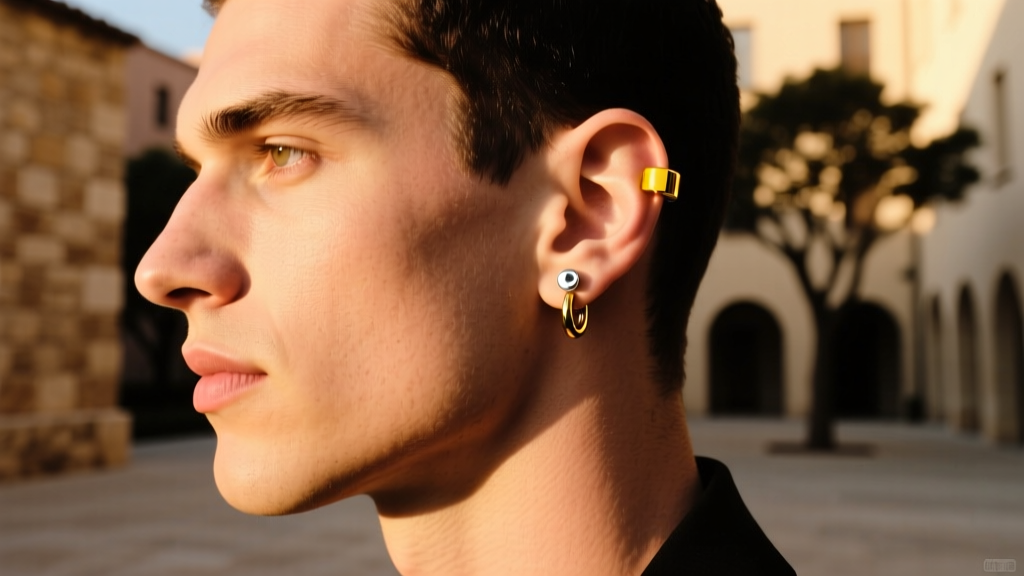
For those who want the curated look without the commitment of additional needle piercings, high-quality ear cuffs have evolved significantly. Modern cuffs utilize a tension-fit design over the thinnest part of the helix or conch. However, be cautious: cheap metal cuffs can cause pressure necrosis if worn too tightly for extended periods. Invest in adjustable, solid gold or titanium cuffs from reputable jewelers to ensure safe, comfortable wear.
Technical Specifications: Gauges, Metals, and Mechanisms
The biggest mistake men make when buying earrings is ignoring gauge sizes and metal grades. According to the Association of Professional Piercers (APP), wearing improper metals in fresh or sensitive piercings can lead to severe contact dermatitis and tissue rejection.
Understanding Gauge Thickness
Gauge refers to the thickness of the metal post. The higher the number, the thinner the wire. Standard "men's diamond studs" sold by commercial mall jewelers are often 20-gauge or 22-gauge. This is far too thin for daily wear; it creates a "cheese-cutter effect" that can migrate through the earlobe during physical activity. For a masculine, substantial look and optimal tissue health, you should size up.
| Piercing Location | Recommended Gauge | Standard Post Length / Diameter | Best Metal for Healing |
|---|---|---|---|
| Standard Earlobe | 18g or 16g | 1/4" (6mm) to 5/16" (8mm) | ASTM F136 Titanium or 14k Gold |
| Helix / Cartilage | 16g (Standard) | 1/4" (6mm) to 3/8" (10mm) | ASTM F136 Titanium |
| Conch | 16g or 14g | 1/4" (6mm) to 5/16" (8mm) | ASTM F136 Titanium or 14k Gold |
| Tragus | 16g | 1/4" (6mm) flat back | ASTM F136 Titanium |
Material Grades: What to Look For
When shopping, you will encounter various metal descriptions. Here is how to decode them:
- ASTM F136 Implant-Grade Titanium: The absolute best choice for sensitive ears, fresh piercings, and active lifestyles. It is completely nickel-free, lightweight, and will not tarnish.
- 14k or 18k Solid Gold: Ideal for fully healed piercings. Ensure it is nickel-free (alloyed with silver or copper). Avoid gold-plated or gold-vermeil brass, as the base metal will eventually cause allergic reactions once the plating wears off.
- "Surgical Steel": A deceptive marketing term. Most surgical steel contains nickel and is not suitable for long-term wear in sensitive piercings. Always opt for implant-grade titanium instead.
Pricing Tiers and Brand Recommendations
Investing in high-quality body jewelry requires understanding the market tiers. Here is a breakdown of what to expect in 2026, based on pricing and craftsmanship.
Entry-Level & Accessible ($40 - $120)
Brands like Gorjana and Mejuri offer accessible entry points into curated ear styling. While they excel in aesthetic designs like small huggies and minimalist studs, be vigilant about checking their metal compositions. Stick to their solid 14k gold lines rather than gold vermeil to ensure longevity and avoid skin irritation.
Mid-Tier & Specialist ($120 - $350)
This is the sweet spot for premium body jewelry. Brands like Maria Tash and Astrid & Miyu specialize in the curated ear aesthetic. Their pieces are designed specifically for piercing anatomy, offering precise post lengths and secure threading mechanisms. According to the Maria Tash Piercing Guide, precise fitting is crucial to avoid irritation bumps, making these specialist brands a worthy investment for cartilage projects.
Luxury & Custom Fine Jewelry ($350 - $1,500+)
For the ultimate collector, brands like BVLA (Body Vision Los Angeles) and LeRoi represent the pinnacle of body jewelry. These pieces are often machined from solid 14k or 18k gold, featuring genuine VS-clarity diamonds and custom-cut gemstones. They utilize advanced threadless or internally threaded mechanisms and are often purchased through high-end piercing studios rather than traditional retail stores.
Aftercare and Longevity for Active Lifestyles
Even the most expensive 18k gold earring will cause issues if not maintained properly. For active men who frequent gyms, pools, or outdoor environments, jewelry maintenance is non-negotiable.
- Cleaning: Use a sterile saline wound wash (0.9% sodium chloride) to clean the piercing site. Avoid harsh chemicals, alcohol, or tea tree oil, which can dry out the fistula (the piercing tunnel) and cause micro-tears.
- Threadless Maintenance: Every few months, remove your threadless ends and clean the inside of the post with a soft brush. Over time, dead skin cells and sebum can build up inside the shaft, making the jewelry difficult to remove or insert.
- Sleeping: If you are a side sleeper, invest in a travel pillow or a specialized piercing pillow with a hole in the center. Sleeping directly on a fresh or even healed cartilage piercing can alter the angle of the fistula over time, causing the jewelry to sit crookedly.
Final Thoughts on Curating Your Look
The modern gay men earring aesthetic is defined by intentionality. It is about rejecting the cheap, mass-produced accessories of the past in favor of architectural, body-safe pieces that reflect your personal style. By prioritizing correct gauge sizes, investing in ASTM F136 titanium or solid gold, and understanding the mechanics of threadless jewelry, you ensure that your curated ear is not only visually striking but also comfortable and built to last a lifetime. Whether you are stepping into a high-end piercing studio for a new helix placement or simply upgrading your daily lobe studs, let quality and anatomy dictate your choices.


