Emerald Diamond Stud Earrings: 2026 Value & Pricing Guide
Discover the true value of emerald diamond stud earrings in 2026. We break down pricing, carat weights, clarity grades, and lab-grown vs. natural costs.

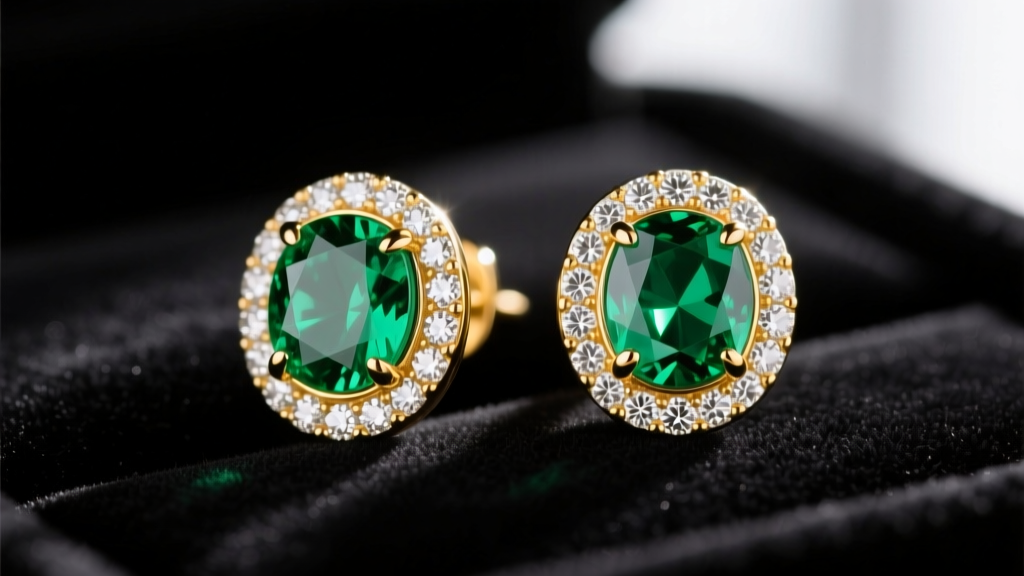
The 2026 Market Landscape for Emerald and Diamond Studs
Navigating the market for emerald diamond stud earrings requires a strategic approach, especially as we move through 2026. The intersection of classic green beryl and brilliant diamond accents creates a timeless aesthetic, but the underlying economics of these gemstones have shifted dramatically. Over the past few years, the proliferation of high-quality lab-grown diamonds has recalibrated consumer expectations, driving down the cost of diamond halos while natural emerald prices—particularly those from Colombian and Zambian origins—have remained resilient due to mining constraints and geopolitical factors.
For buyers seeking genuine value, understanding the difference between visual carat weight and actual gemological quality is paramount. A pair of studs might boast a massive 2.00 carat total weight (CTW), but if the emeralds are heavily fracture-filled with synthetic resins and the diamond halos consist of poorly cut, low-color melee stones, the intrinsic value is a fraction of the retail price. This guide dissects the exact metrics you need to evaluate budget, quality, and long-term value retention when investing in these vibrant ear staples.
Decoding the Price Matrix: Natural vs. Lab-Grown
When assessing the budget for emerald diamond stud earrings, you must separate the center stone from the diamond accents. In 2026, the diamond component of your earrings is where you can aggressively optimize your budget. Lab-grown melee diamonds (the small stones used in halos) have seen price reductions of over 40% since 2022, meaning you can opt for a dense, high-sparkle diamond halo without inflating your total cost.
| Configuration (Per Pair) | Natural Emerald + Natural Diamonds | Natural Emerald + Lab-Grown Diamonds | Value Retention Outlook |
|---|---|---|---|
| 1.00 CTW Solitaire (No Halo) | $1,800 - $3,200 | $1,800 - $3,200 | Moderate (Highly dependent on emerald origin) |
| 1.50 CTW with Diamond Halo | $3,500 - $5,500 | $2,200 - $3,400 | High (Best visual-to-cost ratio) |
| 2.00 CTW with Diamond Halo | $6,000 - $10,000+ | $3,800 - $5,500 | Low for Natural / High for Lab-Hybrid |
As illustrated above, pairing a natural, moderately treated emerald with a lab-grown diamond halo is the undisputed sweet spot for 2026 buyers. You retain the prestige and geological rarity of the natural center stone while leveraging modern diamond cultivation technology to maximize the earrings' overall footprint and brilliance.
Critical Value Factors: The 4Cs and Emerald Specifics
Diamond Halo vs. Solitaire Emerald
A solitaire emerald stud relies entirely on the saturation and tone of the green beryl. Because emeralds are not highly refractive like diamonds, a solitaire can sometimes appear dark or 'dead' in low lighting. Adding a diamond halo introduces vital light return. When evaluating the diamond halo, do not overpay for premium clarity. Melee diamonds (typically under 0.15 carats each) are too small to reveal SI1 or SI2 inclusions to the naked eye. Insist on G-H color and Very Good cut grades; this ensures the halo sparkles brilliantly without clashing with the warm, organic green of the emerald.
Emerald Clarity and Oil Treatments
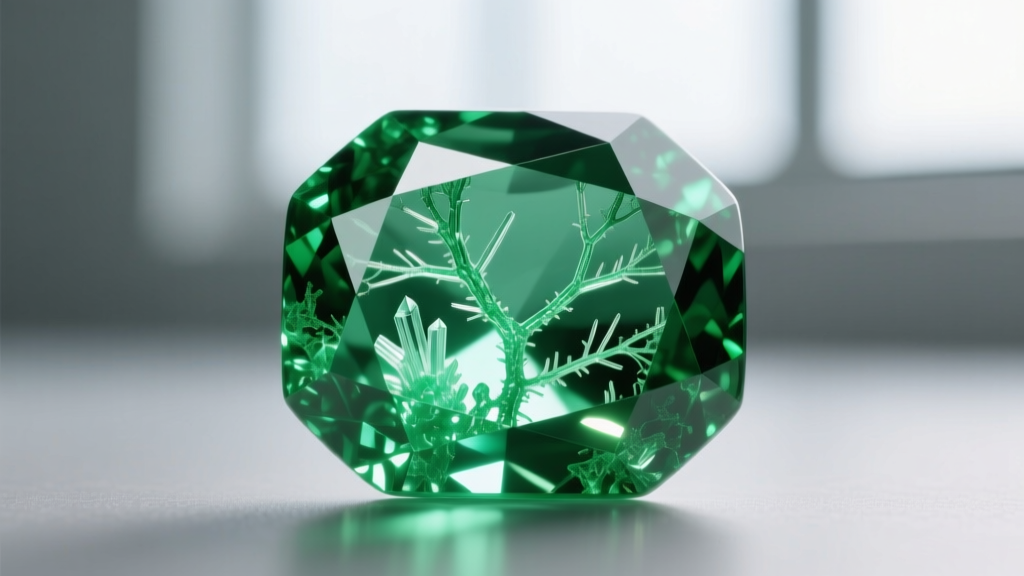
Emeralds are classified by the Gemological Institute of America (GIA) as Type III gemstones, meaning they are almost universally expected to have visible inclusions, known in the trade as 'jardin'. Because of these surface-reaching fractures, emeralds are routinely treated to improve clarity. However, the type of treatment dictates the value.
Expert Sourcing Rule: Only purchase emeralds with 'None', 'Minor', or 'Moderate' cedar oil treatments. Avoid any emerald described as 'fracture-filled with epoxy' or 'Opticon-treated'. Synthetic resins will permanently alter the stone's value, can turn yellow over time, and make future repolishing by a lapidary nearly impossible without destroying the stone.
Always request a report from a reputable lab (GIA, AGL, or Gubelin) for any emerald diamond stud earrings priced above $2,500. The International Colored Gemstone Association (ICA) strictly monitors treatment disclosures, but retail-level enforcement remains spotty without independent certification.
Setting Durability and Metal Choices for Daily Wear
A major failure point for budget-conscious buyers is ignoring the structural requirements of emerald settings. Emeralds rank 7.5 to 8 on the Mohs hardness scale, but their toughness is notoriously poor due to internal inclusions. A standard four-prong setting leaves the vulnerable corners of an emerald-cut or square stone exposed to chipping from accidental bumps against doorframes or countertops.
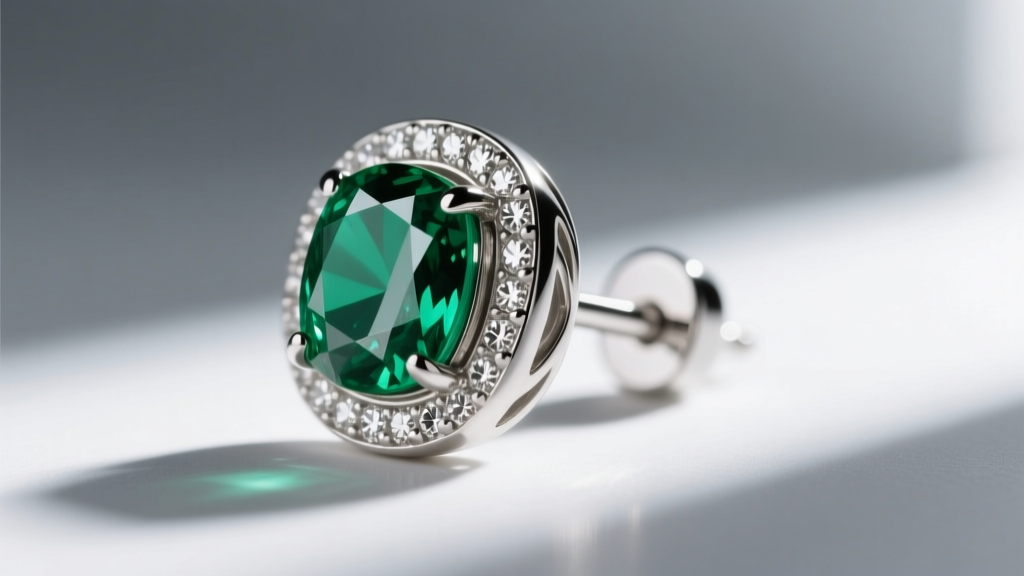
For daily wear, you must prioritize setting architecture over metal purity. While 18k yellow gold offers a richer color, it is softer and more prone to prong deformation. 14k gold provides superior tensile strength, ensuring the prongs grip the emerald securely for decades. If you prefer a white metal, platinum is mandatory for bezel or V-prong settings. Platinum's density and malleability allow jewelers to create ultra-secure corner protectors that will not snap under pressure, unlike cast white gold which can become brittle over time.
The Bezel Compromise
A full bezel setting offers maximum protection for the emerald but can block light from entering the pavilion, darkening the stone. The optimal compromise for 2026 designs is the half-bezel or corner-V-prong setting. This secures the weakest points of the emerald while leaving the long sides exposed to the diamond halo, maintaining maximum brilliance and color saturation.
Where to Buy: Retail Markup vs. Direct-to-Consumer
The retail markup on colored gemstone jewelry in traditional brick-and-mortar stores frequently exceeds 300%. When shopping for emerald diamond stud earrings, your budget is best served by Direct-to-Consumer (DTC) online jewelers who maintain virtual inventories and partner with global lapidaries. Brands like Brilliant Earth, James Allen, and Blue Nile allow you to filter loose emeralds by origin and treatment level, then select your preferred setting and diamond halo configuration. This modular approach prevents you from paying for 'brand prestige' and ensures every dollar is allocated to the actual gemological quality of the stones.
Final Verdict: Maximizing Your Budget
To achieve the highest value when purchasing emerald diamond stud earrings in 2026, target a 1.50 CTW configuration featuring natural, minor-oiled Zambian or Colombian emeralds set in 14k gold with V-prongs, surrounded by a lab-grown G-H color diamond halo. This specific combination delivers the luxurious, high-impact visual of a $6,000 heritage piece for roughly $2,500 to $3,000, ensuring your investment remains both structurally sound and financially prudent for years to come.


