Which Side Is the Gay Side for Earrings? History & Value Guide
Discover which side is the gay side for earrings, debunking outdated myths while assessing the true budget value of single vs. pair earring investments.


Decoding the Myth: Which Side Is the Gay Side for Earrings?
For decades, a persistent cultural whisper has asked: which side is the gay side for earrings? To understand the modern value of ear styling, we must first unpack the history of this outdated code. In the 1970s and 1980s, conservative societal norms forced LGBTQ+ individuals to rely on subtle visual cues to identify one another. The 'right ear' piercing became a widespread, albeit underground, signal. This was part of a broader lexicon of queer coding, much like the hanky code documented by cultural historians. Schoolyard rhymes like 'left is right, right is wrong' perpetuated a stigma that lingered well into the 1990s, heavily influencing how men and masculine-presenting individuals purchased and wore jewelry.
However, as we navigate 2026, the landscape of gender-neutral jewelry has been entirely dismantled and rebuilt. Pop culture icons, high fashion runways, and everyday street style have completely eradicated the 'gay ear' myth. Organizations like GLAAD and modern style authorities consistently affirm that jewelry has no inherent sexual orientation. Today, the question of which side to pierce is no longer about adhering to codes; it is a matter of facial symmetry, personal aesthetics, and, crucially, budget and value assessment. Clinging to outdated 'rules' limits your purchasing options and prevents you from maximizing the financial and aesthetic value of your jewelry wardrobe.
The Budget Implication: Singles vs. Pairs
The death of the 'gay ear' myth has given rise to a much more financially savvy approach to jewelry: the curated, asymmetrical ear. When consumers stop worrying about 'which side' is appropriate, they stop defaulting to buying symmetrical pairs. This shift fundamentally changes how you should assess the value of your earring purchases. Buying single earrings (often called 'singles' or 'curated pieces') allows for high-impact styling at a lower initial entry cost, but it requires a strategic approach to budget allocation.
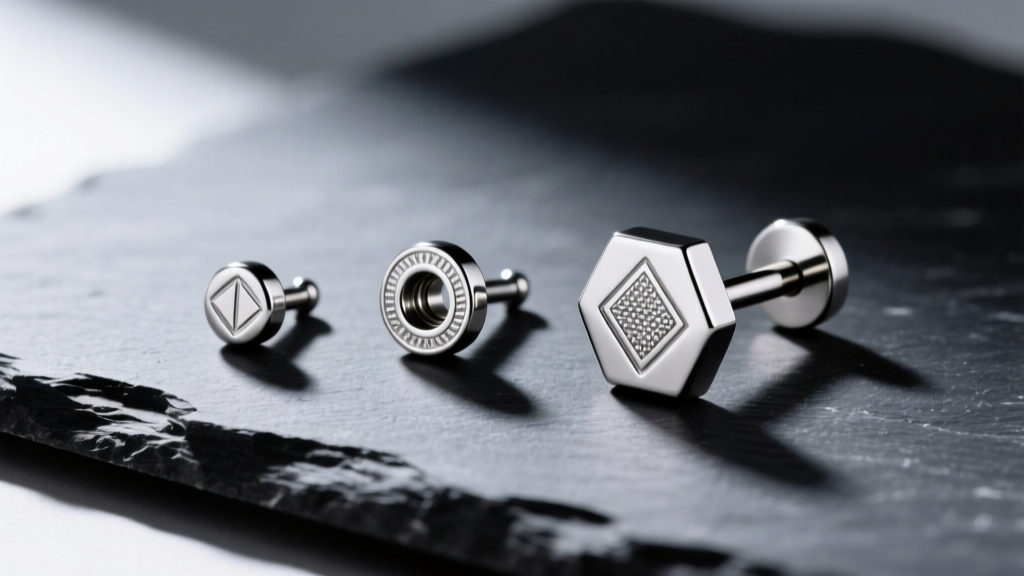
Cost-Benefit Analysis: Single vs. Pair Purchasing
From a retail perspective, manufacturing a single earring requires the same amount of labor, stone-setting, and quality control as manufacturing half a pair. Furthermore, brands incur the same packaging and shipping overhead. As a result, a single earring rarely costs exactly 50% of a pair's price. It usually hovers around 60% to 75%. Here is how the budget breaks down across popular materials in 2026:
| Material Grade | Avg. Price (Single) | Avg. Price (Pair) | Longevity & Value Rating |
|---|---|---|---|
| ASTM F136 Titanium | $25 - $45 | $45 - $75 | Excellent (Hypoallergenic, lifetime wear) |
| 316L Surgical Steel | $12 - $20 | $20 - $35 | Poor (High nickel release, allergy risk) |
| 14k Solid Gold | $120 - $250 | $220 - $450 | High (Retains value, requires care) |
| Gold Vermeil (Brass base) | $30 - $60 | $55 - $100 | Low (Plating wears off in 6-12 months) |
The Value Verdict: If you are building an asymmetrical look, investing in three high-quality titanium singles ($90 total) offers vastly superior long-term value and skin health compared to buying two pairs of gold vermeil ($120 total) that will inevitably tarnish and cause contact dermatitis.
Material Value Assessment: Investing in Your Lobes and Cartilage
When assessing the true cost of an earring, the purchase price is only one variable. The 'hidden cost' of cheap materials includes the price of allergy treatments, lost jewelry due to irritation bumps, and the need for frequent replacements. According to the Association of Professional Piercers (APP), the metallurgical composition of your jewelry dictates its biocompatibility and long-term value.
'Implant-grade titanium (ASTM F136) is the gold standard for initial piercings and sensitive ears. Unlike surgical steel, which contains up to 10% nickel, high-quality titanium is virtually nickel-free, eliminating the hidden medical and aesthetic costs of allergic reactions.'
The Hidden Costs of Incorrect Gauge Sizing
Another critical factor in earring value assessment is gauge sizing. Buying a beautiful 14k gold single is a complete waste of your budget if the post thickness does not match your piercing. Standard lobe piercings are typically done at 20-gauge (0.8mm) or 18-gauge (1.0mm). Cartilage piercings (helix, tragus, conch) are almost universally pierced at 16-gauge (1.2mm) or 14-gauge (1.6mm). Attempting to force an 18g stud into a 16g cartilage hole will cause micro-tears, leading to hypertrophic scarring. The cost of treating this scar tissue far outweighs the initial savings of buying the wrong jewelry.
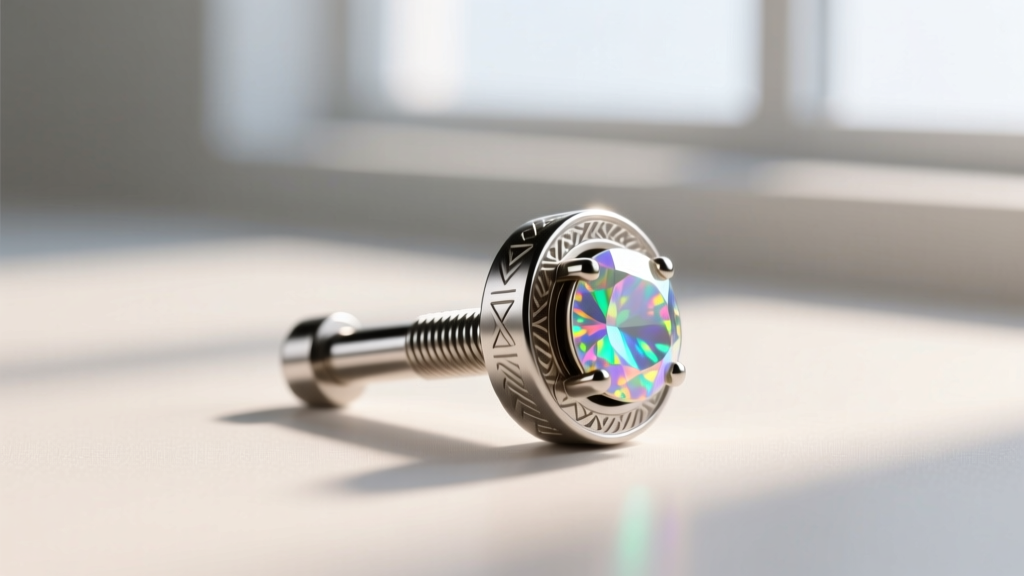
Building a High-Value, Code-Free Earring Wardrobe
Now that we have established that the 'gay side' is a relic of the past, how do you allocate your jewelry budget in 2026? Follow this actionable framework to maximize your return on investment:
- Audit Your Anatomy: Before buying, measure your existing piercings with a digital caliper. Knowing your exact gauge and required post length (e.g., 6mm for lobes, 8mm for helixes) prevents costly returns.
- Anchor with Titanium: Use ASTM F136 titanium for your foundational pieces (the studs you sleep in and wear daily). This protects your skin and preserves your budget for statement pieces.
- Splurge on Focal Points: Allocate the majority of your budget to one or two high-impact singles, such as a solid 14k gold conch cuff or a diamond-accented helix chain. Asymmetry draws the eye, meaning one expensive piece looks more intentional than five cheap ones.
- Embrace Mix-and-Match: Buy one high-quality pair of classic 14k gold huggies, and wear one on the left lobe and one on the right cartilage. This maximizes the utility of a single purchase across multiple piercings.
Final Verdict: Where Should You Put Your Money?
So, which side is the gay side for earrings? The only correct answer in 2026 is the side that best complements your facial structure and personal style. The historical codes that once dictated earring placement have been entirely replaced by a focus on curation, material integrity, and individual expression. By shifting your mindset from 'buying pairs to match' to 'investing in high-quality, biocompatible singles,' you unlock a more versatile, cost-effective, and visually striking jewelry wardrobe. Stop worrying about outdated myths, and start investing in implant-grade metals and precise gauge sizing. Your ears—and your wallet—will thank you.


