Georg Jensen Earrings Vintage Authentication: Step-by-Step Guide
Learn how to authenticate Georg Jensen earrings vintage pieces with our step-by-step hallmark guide, dating tips, and pricing insights for collectors.

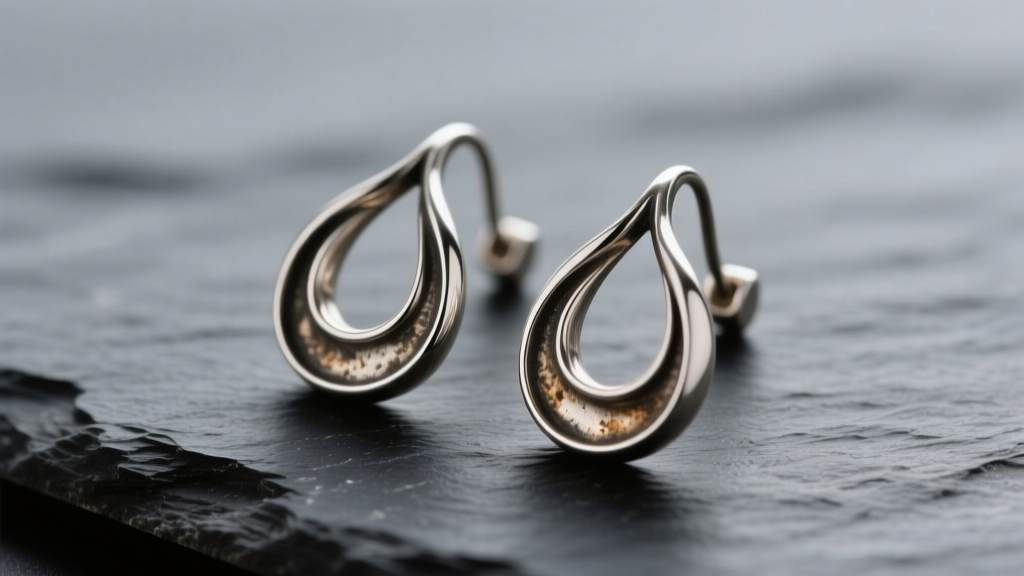
The Legacy of Danish Modernism in Earwear
Founded in 1904, the Georg Jensen silversmithy revolutionized jewelry design by merging masterful silversmithing with the organic, sculptural aesthetics of Danish Modernism. For collectors and enthusiasts in 2026, acquiring authentic Georg Jensen earrings vintage pieces is not just about owning a beautiful accessory; it is about securing a wearable artifact of mid-century design history. From the biomorphic curves of Henning Koppel to the fluid, ergonomic lines of Vivianna Torun Bülow-Hübe, vintage Jensen earwear remains highly coveted. However, the secondary market is flooded with convincing reproductions and franken-pieces. This comprehensive, step-by-step guide will teach you how to authenticate, date, and evaluate vintage Georg Jensen earrings with the precision of a seasoned appraiser.
Step 1: Decoding the Silver Hallmarks
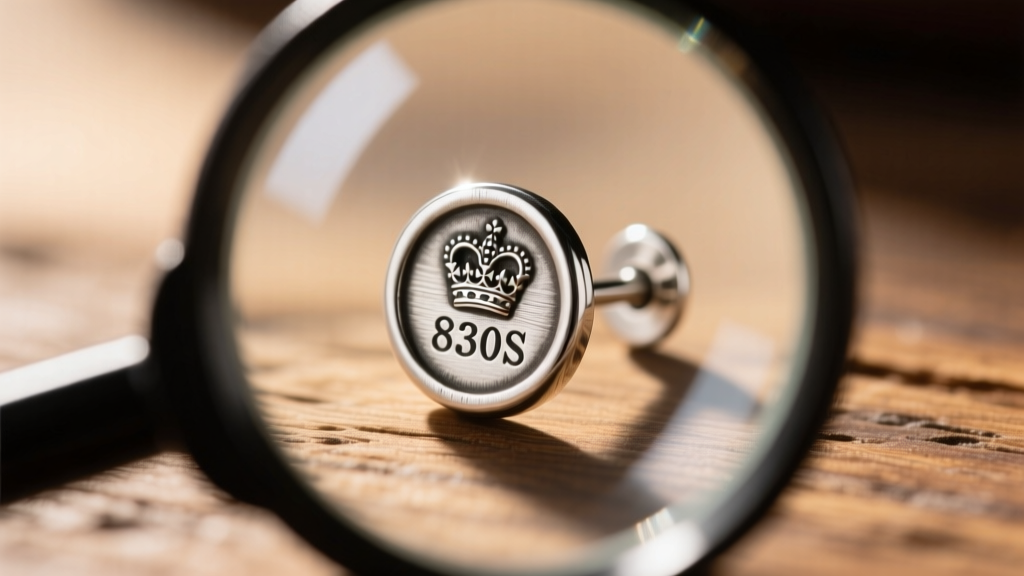
The most critical step in authenticating any Georg Jensen piece is examining the hallmarks. Jensen silver is renowned for its strict quality control, and the stamps on the reverse of the earring posts, clips, or earwires tell a precise story of the piece's origin and era. You will need a 10x or 20x jeweler's loupe to properly read these micro-stamps.
Historically, Denmark utilized an 830 silver standard (83% pure silver) rather than the 925 sterling standard common in the US and UK. It wasn't until the 1970s that the Jensen firm fully transitioned to 925S to align with international export markets. Therefore, finding an 830S stamp is often a strong indicator of a true mid-century vintage piece.
| Era | Mark Style | Silver Purity | Notable Features |
|---|---|---|---|
| 1904–1932 | Dotted oval / Script | 830S | Early Art Nouveau, Jensen's own designs |
| 1933–1944 | Block letters | 830S | Introduction of guest designers |
| 1945–1951 | Crown & Shield assay | 830S | Post-war biomorphic styles emerge |
| 1970–Present | Modern sans-serif | 925S | Shift to international sterling standard |
Alongside the "GEORG JENSEN" and "STERLING" or "830S" stamps, look for the Danish assay mark: a crown within a shield, accompanied by the word "DENMARK." According to the Lang Antiques University, the absence of the Denmark stamp on a piece claimed to be from the 1950s or 1960s is a major red flag, as export laws required clear country-of-origin markings during that boom period.
Step 2: Identifying the Designer and Era
Georg Jensen collaborated with over 90 designers throughout the 20th century. Authenticating the earrings requires matching the visual design language to the specific designer's known catalog and design numbers.
Henning Koppel and the Organic Modernist Era
Henning Koppel’s designs for Jensen in the 1950s and 60s are characterized by asymmetric, biomorphic shapes that mimic natural forms like leaves, tadpoles, and abstract water droplets. If you are examining a pair of vintage Koppel studs or drops, look for the specific design number stamped near the hallmark (e.g., Design 104 or Design 107). Koppel’s silver work is notably heavy and substantial; if the earrings feel unusually light or hollow, they are likely modern reproductions or fakes.
Vivianna Torun Bülow-Hübe and the Fluid Silver Movement
Torun’s work in the late 1960s and 1970s introduced a radically different aesthetic: fluid, continuous lines that often resembled Möbius strips or melting water. Her vintage earrings are masterclasses in ergonomic design, meant to follow the natural contour of the earlobe and jawline. Authentic Torun pieces will exhibit seamless transitions in the silver, with no visible soldering marks where the curves meet.
Step 3: Inspecting Craftsmanship and Earwire Gauges
Modern mass-produced jewelry often cuts corners on structural elements that are hidden from view. Vintage Georg Jensen earrings, however, exhibit masterful structural engineering. Pay close attention to the earwires and clipping mechanisms.
- Earwire Gauge: Vintage Jensen French hooks and leverbacks are typically forged from thick 18-gauge (1.02mm) or 19-gauge silver wire. This provides a substantial, secure feel in the piercing. Modern fakes often use flimsy 21-gauge or 22-gauge wire to save on silver costs.
- Omega Clips and Screw-Backs: For non-pierced vintage styles from the 1960s, examine the omega clip tension. Authentic Jensen clips feature a robust, spring-loaded hinge that snaps shut with a definitive, high-tolerance click. The paddle that rests against the ear is often slightly contoured for comfort, a detail rarely replicated in counterfeit pieces.
- Solder Joints: Using your loupe, inspect where the earwire meets the main body of the earring. Authentic Jensen craftsmanship features laser-sharp, seamless solder joints that are polished to blend perfectly with the surrounding silver.
Step 4: The Patina Rule – Why You Should Never Polish
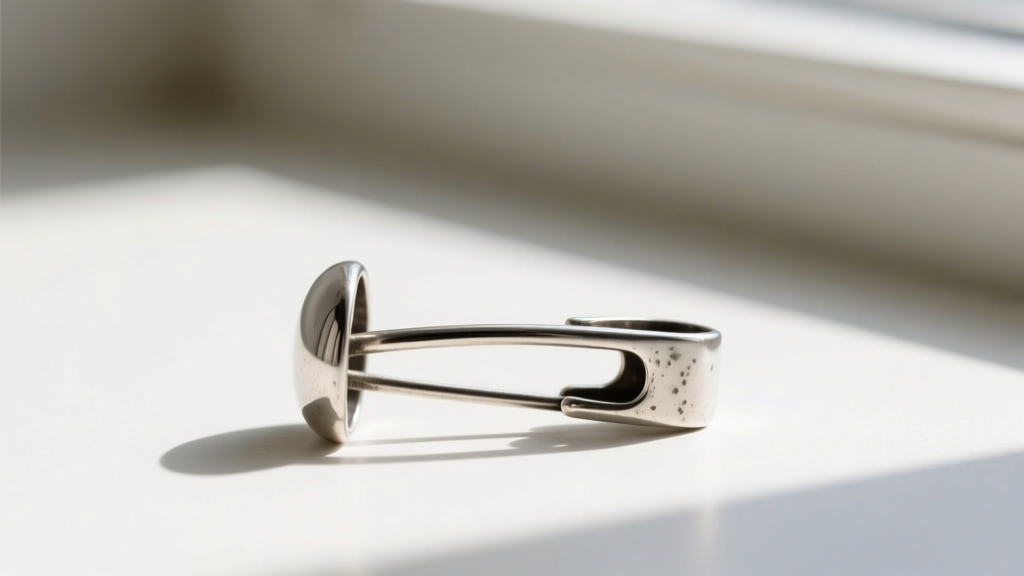
One of the most common mistakes novice collectors make is aggressively polishing their newly acquired Georg Jensen earrings vintage finds. The Jensen firm intentionally utilized a technique called "antiquing" or "oxidation" to darken the recessed areas of their sculptural designs. This contrast between the dark crevices and the high-polish raised surfaces is what gives Danish Modern jewelry its three-dimensional depth.
Expert Appraiser Tip: Stripping the original patina from a mid-century Henning Koppel or Bent Gabrielsen piece can reduce its collector value by 20% to 30%. Never use liquid silver dips or abrasive polishing wheels. If the high-relief areas are tarnished, gently buff only the raised surfaces with a dry, untreated microfibre cloth, intentionally leaving the dark oxidation in the recesses untouched.
Step 5: Valuation and Market Pricing in 2026
The market for vintage Danish silver has matured significantly, with institutional collectors and design museums driving up prices for rare, early-production pieces. When evaluating a potential purchase, use these baseline market tiers as a reference point:
- Entry-Level Vintage (1970s-1980s, 925S): Simple studs or small hoops by lesser-known guest designers typically range from $250 to $450 per pair.
- Mid-Century Modernist (1950s-1960s, 830S): Iconic Henning Koppel or Bent Gabrielsen designs in excellent condition with original patina command between $600 and $1,200.
- Museum-Grade / Rare Art Deco (1920s-1930s): Early pieces designed by Georg Jensen himself, or rare Johan Rohde designs featuring semi-precious stones like agate or lapis lazuli, frequently exceed $2,500 at auction.
For real-time auction data and historical hammer prices, collectors should regularly review the archives of Bruun Rasmussen Auctioneers, the premier Danish auction house that sets the global benchmark for Georg Jensen valuations.
Where to Buy Authentic Vintage Pieces Safely
When sourcing Georg Jensen earrings vintage styles, provenance is just as important as the physical hallmarks. Avoid unverified sellers on general marketplaces who cannot provide high-resolution macro photos of the stamps. Instead, seek out specialized vintage jewelry dealers who offer a lifetime authenticity guarantee. Reputable sources include established members of the Antiques Roadshow appraisal network, dedicated Danish Modern galleries, and vetted auction houses. Always request a detailed condition report that notes any repairs to the earwires, as re-soldered posts can compromise both the structural integrity and the historical value of the silver.


