The 2026 Gift Guide: Earring Ideas for Multiple Piercings
Discover the best earring ideas for multiple piercings in our 2026 gift guide. Curated sets, styling tips, and specs for every ear anatomy.

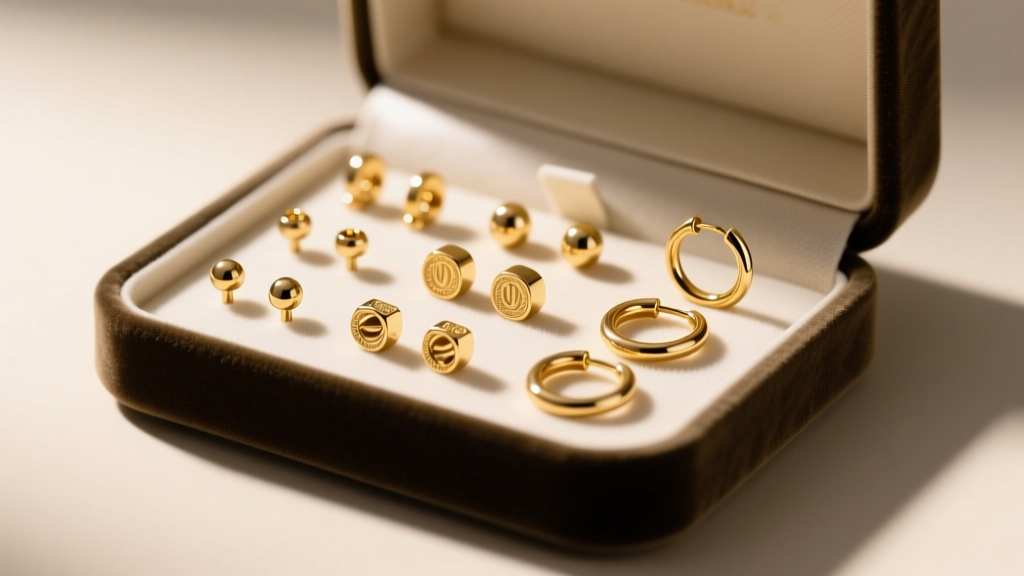
The Art of the Curated Ear: Why Multi-Piercing Gifts Shine
Gifting jewelry to someone with a curated ear requires far more than simply picking a single pretty stud. It demands an understanding of ear anatomy, precise gauge sizes, and aesthetic balance. As we move through 2026, the trend of the 'curated ear'—a deliberate, artistic arrangement of multiple lobe and cartilage piercings—has evolved from a niche subculture into a mainstream expression of personal style. If you are shopping for a jewelry enthusiast, finding the right earring ideas for multiple piercings can feel overwhelming. Do you buy a matching set? Do you mix metals? What gauge is their tragus?
This comprehensive gift guide cuts through the guesswork. We will explore the technical specifications, styling frameworks, and occasion-based recommendations you need to select high-quality, hypoallergenic jewelry that will elevate their existing piercing stack. Whether you are shopping for a milestone birthday, an anniversary, or a holiday surprise, understanding the mechanics of body jewelry is the key to a successful gift.
Mapping the Piercing Zones: Anatomy and Gauge Specs
Before purchasing any jewelry, you must know where the recipient's piercings are located and, crucially, what gauge (thickness) they require. Gifting a 16-gauge helix hoop to someone with an 18-gauge piercing will result in a frustrating return trip to the store. According to the Association of Professional Piercers (APP), standard jewelry thicknesses vary significantly by anatomy.
Lobe and Upper Lobe Combinations
Standard lobe piercings are typically done at 20-gauge (0.8mm) or 18-gauge (1.0mm). However, many curated ear enthusiasts stretch their lobes or have them pierced initially at 16-gauge (1.2mm) to accommodate heavier, more ornate pieces. When gifting for lobes, a 'constellation' arrangement of three or more studs is highly popular. Opt for a mix of sizes: a 4mm gemstone for the primary lobe, a 3mm for the second, and a delicate 2mm bezel-set stud for the third.
Cartilage, Helix, and Forward Helix
Cartilage piercings are almost universally pierced at 16-gauge (1.2mm) or 14-gauge (1.6mm) to ensure stability and minimize the 'cheese-cutter effect' (where thin jewelry slowly migrates through the tissue). Forward helix stacks—usually consisting of three closely spaced piercings near the face—look stunning with graduating threadless ends or tiny clicker hoops.
Tragus and Conch
The tragus (the small flap of cartilage in front of the ear canal) and the conch (the large inner cup of the ear) require specialized jewelry. Tragus piercings usually require labret studs (flat-back posts) to avoid scratching the ear canal or catching on headphones. Conch piercings can accommodate large, statement-making hoops or intricate cluster studs. Both are generally 16-gauge.

Top Earring Ideas for Multiple Piercings by Occasion
Matching the jewelry to the occasion elevates the emotional impact of your gift. Below is a decision framework to help you select the perfect configuration based on the event and the recipient's style profile.
| Occasion | Piercing Focus | Jewelry Type | Material Recommendation | Est. Price Range |
|---|---|---|---|---|
| Milestone Birthday | Conch or Lobe Stack | Prong-set diamond cluster or opal cabochon | 14k or 18k Solid Gold | $250 - $800+ |
| Anniversary | Helix & Tragus | Matching threadless ends with birthstones | ASTM F136 Titanium with PVD coating | $120 - $300 |
| Graduation / Career | Upper Lobe & Rook | Minimalist geometric clickers and subtle studs | Niobium or 14k White Gold | $80 - $200 |
| Holiday / Stocking | Ear Cuff (No piercing needed) | Huggie-style ear cuffs or chain drapes | Sterling Silver or Gold Vermeil | $40 - $90 |
Material Grades & Technical Specs: The Expert's Guide
When buying earring ideas for multiple piercings, material quality is non-negotiable. The ear cartilage is highly susceptible to irritation bumps and contact dermatitis if exposed to poor-quality alloys. Here is what you need to look for when reading product descriptions.
ASTM F136 Implant-Grade Titanium
This is the gold standard for body jewelry, especially for newer or sensitive piercings. It is entirely nickel-free, lightweight, and highly biocompatible. Brands like BVLA and Anatometal use this material for their posts, often anodizing them to create vibrant, safe colors without using paint or plating that could flake off inside the piercing channel.
14k and 18k Nickel-Free Gold
For luxury gifts, solid gold is the ultimate choice. However, you must verify that the gold is alloyed for body jewelry (often referred to as 'nickel-free' or 'cadmium-free'). Yellow, rose, and white gold are all acceptable, provided they are at least 14k. Anything lower (like 10k) contains too many base metals and risks causing allergic reactions.
The Threading Mechanism: Threadless vs. Internally Threaded
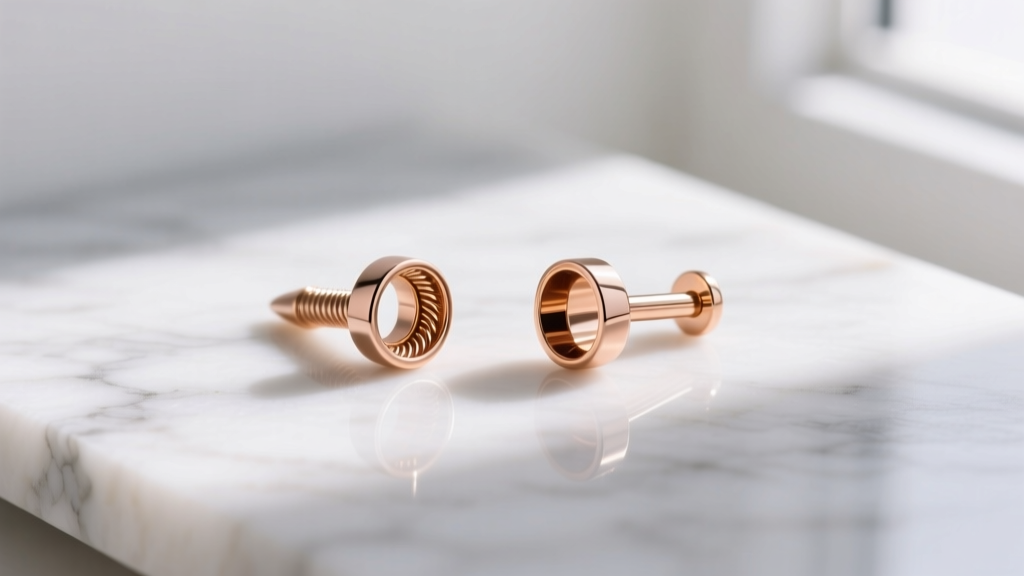
Never gift externally threaded jewelry (where the screw is on the post that passes through the flesh). The threads act like a file, tearing the delicate fistula tissue upon insertion. Instead, look for internally threaded jewelry (the screw is on the decorative end) or threadless (push-pin) jewelry. Threadless jewelry, which uses tension to hold the decorative end inside the hollow post, is currently the most popular choice among professional piercers for its security and ease of use.
Styling Framework: The Rule of Thirds and Balance
A curated ear is not just about having many piercings; it is about visual harmony. If you are gifting a set of three or more pieces, consider how they will interact on the ear. Professional piercers often use the 'Rule of Thirds' to balance the ear.
- The Focal Point: Choose one area to be the star. This is usually the conch or the primary lobe. A larger, intricate piece like a floral cluster or a shield-style clicker works best here.
- The Supporting Cast: The surrounding piercings (like the forward helix or upper lobes) should feature smaller, simpler studs that complement the focal point without competing for attention. Match the gemstone shape or metal color to tie the look together.
- The Anchor: Hoops or huggies placed in the lower lobes or helix act as visual anchors, framing the face and drawing the eye back to the center of the ear.
If you are unsure of the recipient's exact aesthetic, a 'mix-and-match' curation box featuring two 3mm bezel-set studs, one 4mm prong-set gem, and a small 8mm huggie hoop allows them to style their own ear stack.
Trusted Brands for Curated Ear Gifts
To ensure you are getting authentic materials and precise machining, stick to reputable body jewelry manufacturers. Maria Tash is renowned for luxury, diamond-forward designs and specialized angled studs that sit flush against the ear's unique contours. For high-end, customizable body jewelry, BVLA offers unparalleled gemstone quality and precision-machined gold and titanium ends. For more accessible but highly reliable options, brands like Junipurr Jewelry and Buddha Jewelry Organics offer excellent threadless ends and clickers in the $50 to $150 range.
Gifting Logistics: Studio Vouchers vs. Physical Jewelry
One of the greatest risks when gifting earring ideas for multiple piercings is buying a piece that simply does not fit the recipient's unique anatomy. Ear shapes vary wildly; a conch hoop that fits one person perfectly might sit at an awkward angle on another. If you are buying a hoop, a labret post, or a specialized cartilage cuff, consider pairing your gift with a voucher to a reputable, APP-certified piercing studio. This allows the recipient to have the jewelry professionally fitted and installed by an expert, ensuring the post length is perfectly matched to their tissue thickness. For a safer, foolproof physical gift, stick to standard 18-gauge or 20-gauge lobe studs, or opt for high-quality ear cuffs that require no piercing at all, delivering the curated aesthetic with zero anatomical guesswork.


