Anatomy of a Gold Earring Set: Karat Alloys, Gauges, and Fit
Discover the technical realities of buying a gold earring set. We analyze karat alloys, gauge tolerances, and threading standards for curated ears.

The Metallurgical Reality of Curated Gold Sets
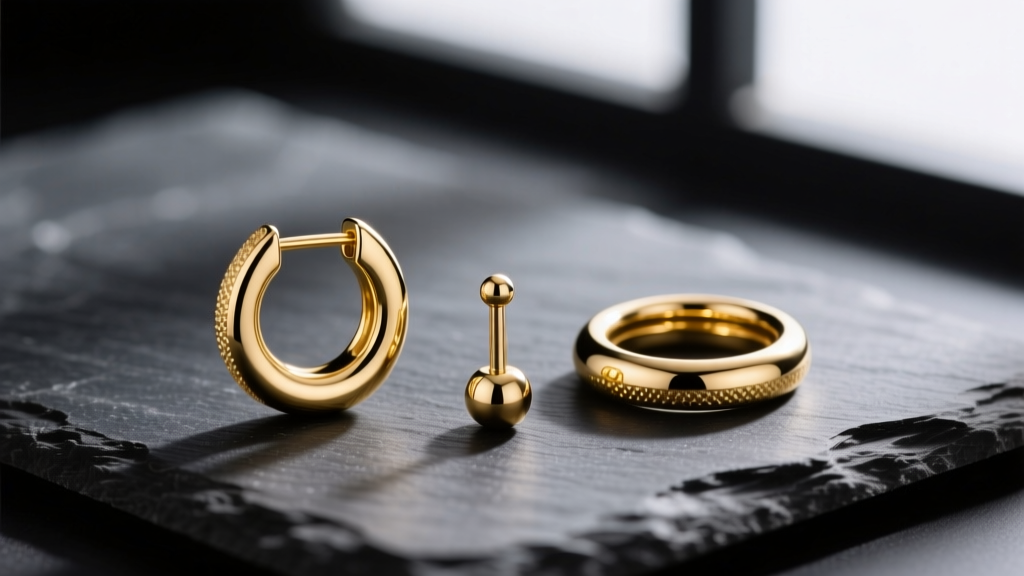
The concept of the traditional gold earring set has evolved drastically. In 2026, consumers are no longer purchasing simple matching pairs for standard lobe piercings. Instead, the market is dominated by "curated ear projects"—multi-piece sets designed to span the lobe, helix, tragus, and conch. However, this shift from single-lobe wear to multi-cartilage styling introduces severe structural and metallurgical challenges that most commercial jewelers ignore. When you buy a multi-piece gold set, you are not just buying aesthetics; you are introducing foreign metals into distinct biological environments with varying healing statuses and tissue densities.
To evaluate a gold earring set from an expert perspective, we must strip away the marketing terminology and examine the Vickers hardness, alloy composition, gauge tolerances, and threading mechanics. According to the Association of Professional Piercers, the majority of jewelry-related complications in healed cartilage piercings stem from improper gauge matching and poor surface finishes, both of which are prevalent in mass-produced earring sets.
The Alloy Matrix: 14k vs. 18k Gold
Pure 24k gold is entirely unsuitable for body jewelry. With a Vickers hardness (HV) of roughly 25, it will deform under the slightest pressure, leading to warped posts and lost gemstones. Therefore, a high-quality gold earring set will rely on either 18k or 14k alloys. The Gemological Institute of America (GIA) notes that the specific alloy metals used to dilute the gold dictate not only the color but the biocompatibility and tensile strength of the piece.
18k Gold (75% Au)
An 18k gold set offers a rich, saturated color and excellent biocompatibility, provided it is alloyed with silver and copper (for yellow gold) or palladium (for white gold). However, 18k gold sits at approximately 125 HV. This makes it ideal for low-impact lobe studs and decorative drops, but it is technically suboptimal for hinged cartilage clickers or huggies, where the hinge mechanism requires higher tensile strength to prevent warping over time.
14k Gold (58.3% Au)
For a comprehensive curated set that includes cartilage hoops, flatback labrets, and huggies, 14k gold is the engineering sweet spot. At roughly 155 HV, 14k gold provides the necessary rigidity for secure hinge closures and internal threading. Beware of 14k white gold sets that utilize nickel as a whitening agent; nickel allergies can trigger severe contact dermatitis, particularly in humid environments or during sleep. Always verify that the white gold in your set is palladium-based or rhodium-plated over a nickel-free substrate.
| Karat | Gold % | Common Alloys | Hardness (HV) | Best Application in a Set |
|---|---|---|---|---|
| 24k | 99.9% | None | ~25 HV | Decorative only (avoid for piercings) |
| 18k | 75.0% | Silver, Copper, Palladium | ~125 HV | Lobe studs, low-impact drop earrings |
| 14k | 58.3% | Copper, Zinc, Silver | ~155 HV | Cartilage clickers, huggies, labrets |
| 10k | 41.7% | Copper, Nickel, Zinc | ~180 HV | High-friction ear wires (budget sets) |
Gauge Discrepancies and Fistula Trauma
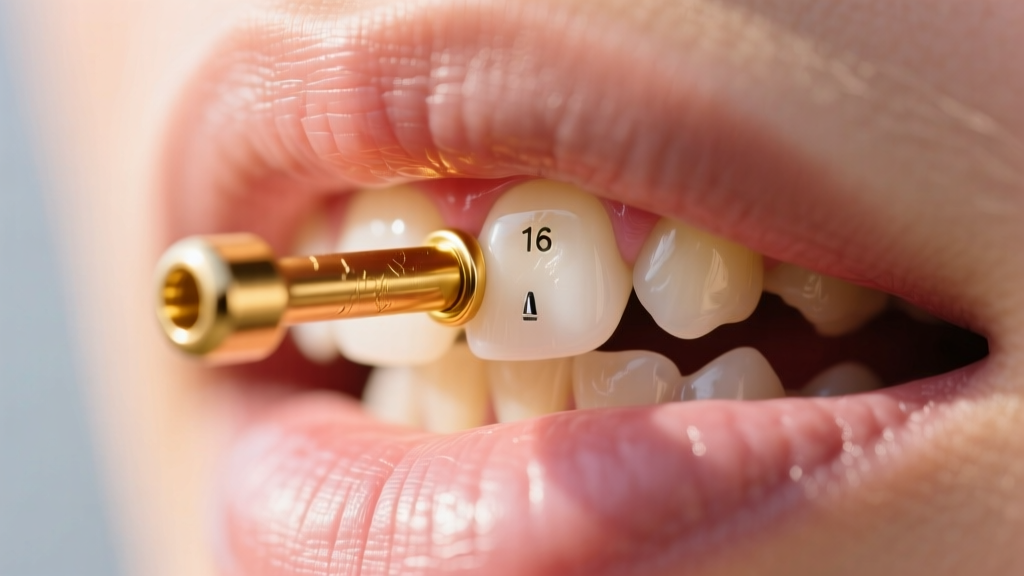
The most critical technical failure in commercial gold earring sets is uniform gauge sizing. To minimize manufacturing costs and reduce precious metal weight, many brands produce every piece in a curated set at 18-gauge (1.02mm) or even 20-gauge (0.81mm). While 20g and 18g are standard for lobe piercings, they are dangerously thin for cartilage.
The Cheese-Cutter Effect
Standard helix, conch, and tragus piercings are typically performed at 16-gauge (1.29mm) or 14-gauge (1.63mm). If you purchase a gold earring set that features 18g wires for the cartilage pieces, you will face two severe issues. First, forcing a thinner post into a thicker fistula can cause micro-tearing and introduce bacteria. Second, and more dangerously, the thin 18g wire resting in a 16g hole creates a mechanical leverage issue known in the piercing industry as the "cheese-cutter effect." The thin wire acts like a blade against the softer tissue, slowly migrating through the cartilage over time, leading to irreversible rejection and scarring.
"A true curated gold earring set must feature variable gauge sizing. Lobe pieces should be 18g or 16g, while helix and conch pieces must be machined to a true 16g or 14g to maintain fistula integrity and prevent migration."
Closure Mechanisms: Where Sets Fail
The longevity of your gold earring set is entirely dependent on its closure mechanisms. The friction and tension required to keep heavy solid gold secure in the ear often exceed the limits of traditional jewelry engineering.
Threading Tolerances
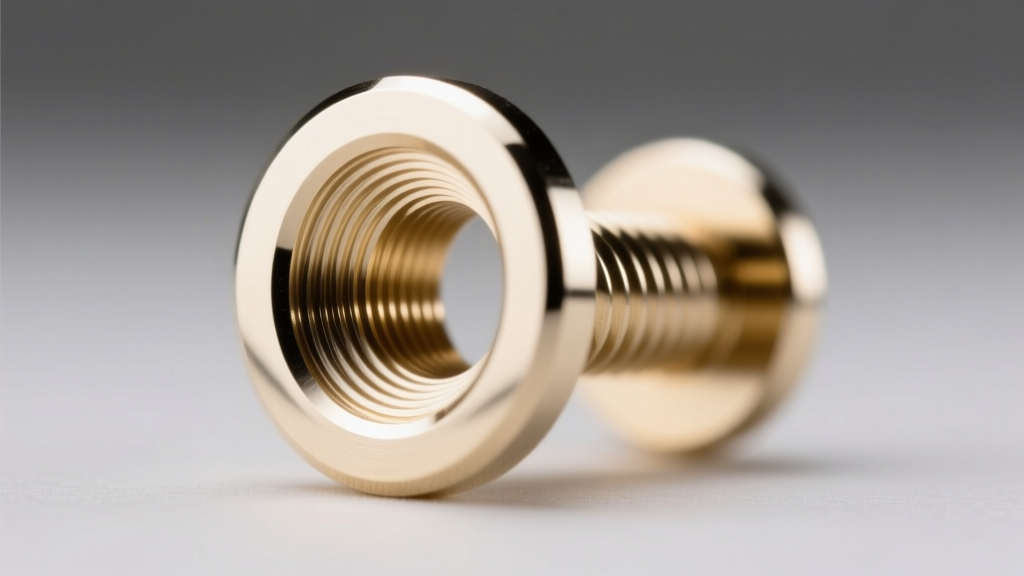
For any threaded flatback labrets or barbells included in your set, external threading is entirely obsolete. External threads (where the screw is on the post) act like a file, shredding the delicate epithelial lining of the fistula every time the jewelry is inserted or removed. A premium gold earring set will exclusively feature internal threading. For 16g and 14g posts, look for M1.2 threading (1.2mm diameter). For 18g posts, M1.0 is standard. The threads should be machined into the decorative end or the backing, allowing the post to remain completely smooth and mirror-polished.
Hinge and Clicker Integrity
For huggies and segment rings, the hinge tolerance is paramount. In lower-quality 14k gold sets, the hinge pin is often soldered poorly, leading to lateral play (wobble). Over months of wear, this wobble causes the clasp to misalign with the receiving groove, resulting in the earring snapping open during sleep or when brushing hair. High-end sets utilize precision CNC-machined hinges with a distinct, audible "click" upon closure, indicating a tolerance of less than 0.05mm.
Structural Failure Modes to Inspect
Before committing to a high-ticket gold earring set, conduct a physical inspection for these specific structural vulnerabilities:
- Hollow-Core Hoops: Many large-diameter gold hoops in curated sets are electroformed or made from seamless tubing to save on gold weight. While lightweight, these are highly susceptible to denting. If squeezed, they cannot be perfectly rounded again. Always opt for solid cast or die-struck gold for hoops under 20mm in diameter.
- Micro-Pave Prong Snagging: Sets featuring micro-pave diamond or moissanite accents often use shared-prong settings. In a multi-piercing setup, these prongs will aggressively snag on hair, sweaters, and towels, eventually lifting and losing stones. Look for bezel-set or flush-set (burnish-set) stones for cartilage pieces.
- Galvanic Corrosion Risks: If you are mixing your new gold earring set with existing implant-grade titanium jewelry in the same ear, ensure the gold is at least 14k. Lower karat golds mixed with titanium in the presence of sweat (an electrolyte) can theoretically trigger minor galvanic reactions, leading to localized skin discoloration or irritation.
Investment Framework: Pricing a True Set
Understanding the pricing structure of solid gold sets prevents you from overpaying for hollow or gold-plated imitations. Based on 2026 precious metal markets, here is the expected pricing framework for a 3-piece solid gold curated set (e.g., one lobe stud, one huggie, one cartilage labret):
- 10k - 14k Hollow/Lightweight Sets ($250 - $450): Often feature thin wire gauges, friction backs, and hollow tubing. Acceptable for temporary styling, but poor for long-term cartilage health.
- 14k Solid Commercial Sets ($500 - $900): Features solid cast pieces, standard butterfly or screw backs, and accurate gauges. The standard for most reputable online jewelry retailers.
- 14k/18k Internally Threaded Artisan Sets ($1,000 - $2,500+): CNC-machined flatbacks, M1.2 internal threading, bezel-set genuine diamonds, and precise hinge tolerances. This is the tier required for permanent, healthy curated ear projects.
Final Verification Checklist
When evaluating a gold earring set, demand the following specifications from the jeweler:
- Verify the exact karat and ensure white gold is nickel-free.
- Confirm the gauge of each individual piece matches your specific piercing fistulas (do not accept a universal 18g set for cartilage).
- Inspect the posts under a loupe for a mirror finish—no tool marks or burrs.
- Test the threading for smooth engagement without cross-threading.
- Ensure all gemstones are bezel or flush-set if the pieces are intended for helix or tragus placements.
By prioritizing metallurgical integrity and anatomical compatibility over mere visual matching, you ensure your gold earring set remains a permanent, comfortable, and biologically safe addition to your curated ear.


