2026 Gift Guide: The Best Keloid Earrings for Sensitive Piercings
Discover the 2026 gift guide for keloid earrings. Learn which implant-grade metals, gauges, and brands prevent scarring for sensitive piercings.

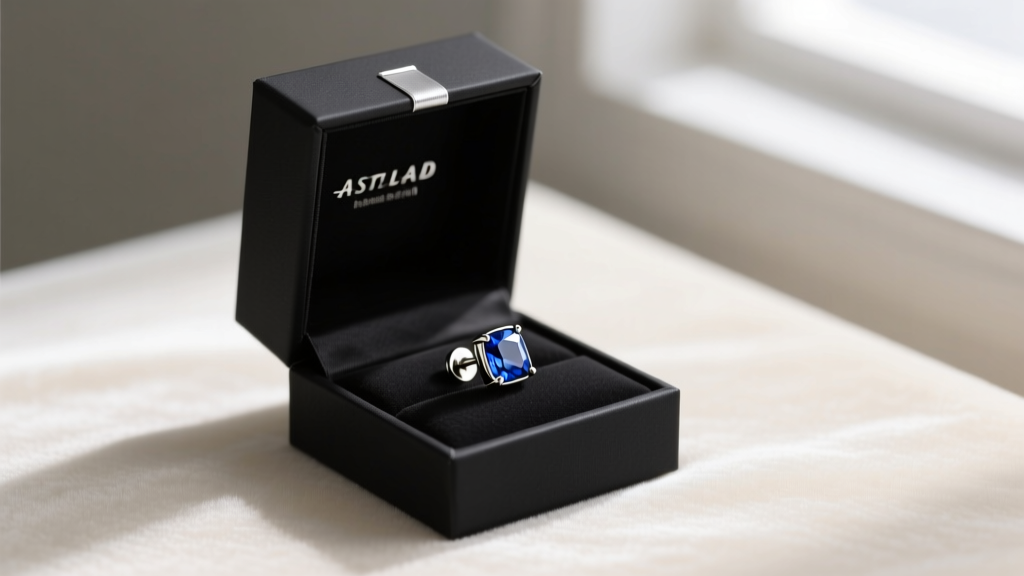
Gifting jewelry is a timeless gesture, but for the estimated 10% of the global population prone to abnormal scar tissue formation, a thoughtless jewelry gift can trigger months of frustration, hypertrophic scarring, or severe keloid flare-ups. When shopping for someone with hyper-reactive skin, the term keloid earrings doesn't refer to a specific aesthetic style; rather, it defines a strict standard of biocompatibility, mechanical precision, and material purity.
As we move into 2026, the body jewelry industry has seen massive advancements in metallurgy and threading technology, making it easier than ever to gift stunning, safe pieces that won't compromise the wearer's fistula health. Whether you are shopping for a milestone birthday, a holiday present, or a "just because" treat, this comprehensive guide will help you navigate the complex world of keloid-safe ear jewelry.
The Science of Keloid Triggers: Why Material Matters More Than Style
According to the American Academy of Dermatology, keloids are an overgrowth of scar tissue that develops around a wound or piercing site, extending beyond the original boundaries of the injury. While genetics play the primary role in whether someone develops a keloid, chronic irritation is the most common environmental trigger.
Standard commercial jewelry often contains nickel, copper, or porous plating that degrades over time. When these metals interact with the body's natural moisture and pH levels, they create microscopic corrosion, leading to contact dermatitis. For a keloid-prone individual, this persistent inflammation signals the body's fibroblasts to overproduce collagen, resulting in a keloid. Therefore, true keloid earrings must be crafted from inert, implant-grade materials that the body recognizes as completely neutral.
The 2026 Material Safety Matrix for Sensitive Ears
| Material | Industry Standard | Keloid Safety Rating | Best Occasion / Use Case |
|---|---|---|---|
| Implant-Grade Titanium | ASTM F136 | Excellent (10/10) | Fresh piercings, daily wear, highly reactive skin |
| Niobium | 99.9% Pure (No ASTM) | Excellent (9/10) | Hoops, clickers, and cartilage rings |
| Solid 14k/18k Gold | Nickel-Free Alloy | Very Good (8/10) | Milestone gifts, healed piercings only |
| Borosilicate Glass | Lead-Free Quartz | Excellent (10/10) | Stretching, sleeping, MRI-safe retainers |
| Surgical Steel | ASTM F138 | Poor (2/10) | Avoid entirely for keloid-prone recipients |
Expert Insight: Never gift "surgical steel" or "sterling silver" to someone with a history of keloids. Silver tarnishes rapidly and releases sulfur compounds, while surgical steel contains up to 10% nickel, which is a primary catalyst for piercing-related contact dermatitis and subsequent scarring.
Occasion-Based Gifting: Curating the Perfect Safe Piece
Matching the right biocompatible material to the occasion ensures your gift is both emotionally resonant and medically safe. Here is how to approach gifting keloid earrings for specific 2026 milestones.
Milestone Birthdays & Anniversaries: The High-End Gold Route
For major milestones like a 30th birthday or a 10-year anniversary, titanium might feel too "clinical." In these cases, solid gold is appropriate, provided it is alloyed correctly. Brands like BVLA (Body Vision Los Angeles) and Maria Tash are the gold standards for luxury body jewelry. They use 14k and 18k solid gold that is strictly alloyed with palladium or silver, completely eliminating nickel and zinc.
Gift Idea: A BVLA 14k solid gold threadless end featuring a bezel-set diamond or sapphire. Pair it with an ASTM F136 titanium threadless post. This gives the luxury of gold on the visible exterior while keeping the most biocompatible metal inside the piercing channel.
Holidays & Winter Gifting: The Threadless Titanium Upgrade
Winter holidays are the perfect time to gift an "upgrade kit" for a loved one's standard lobe or cartilage piercings. Neometal and Anatometal produce some of the finest implant-grade titanium ends on the market. Because these pieces use a push-pin (threadless) mechanism, they are incredibly secure and eliminate the micro-tearing associated with traditional screw-on jewelry.
Gift Idea: A curated set of three Neometal threadless ends (e.g., a 3mm opal, a 4mm aquamarine, and a classic titanium bead) paired with 16-gauge titanium labret posts. This allows the recipient to swap their jewelry for different outfits without ever visiting a piercer.
The "Fresh Piercing" or Self-Care Gift: Glass and Bioplast
If your recipient is currently healing from a new piercing, or if they suffer from seasonal allergy flare-ups that cause their ears to swell and reject metal, glass is the ultimate savior. Glasswear Studios creates stunning, hand-blown borosilicate glass eyelets and plugs that are entirely inert, non-porous, and autoclave-safe.
Gift Idea: A pair of polished borosilicate glass crescents or lightweight glass plugs. These are exceptional for sleeping, as they remove the pressure points that metal posts create against the pillow, drastically reducing the chance of irritation bumps that can evolve into keloids.
Mechanical Triggers: Why Threading and Gauge Dictate Healing
Material is only half the battle. The physical construction of the earring post can cause mechanical trauma, which is just as dangerous as a nickel allergy for someone prone to keloids. The Association of Professional Piercers (APP) strictly advises against externally threaded jewelry for this exact reason.
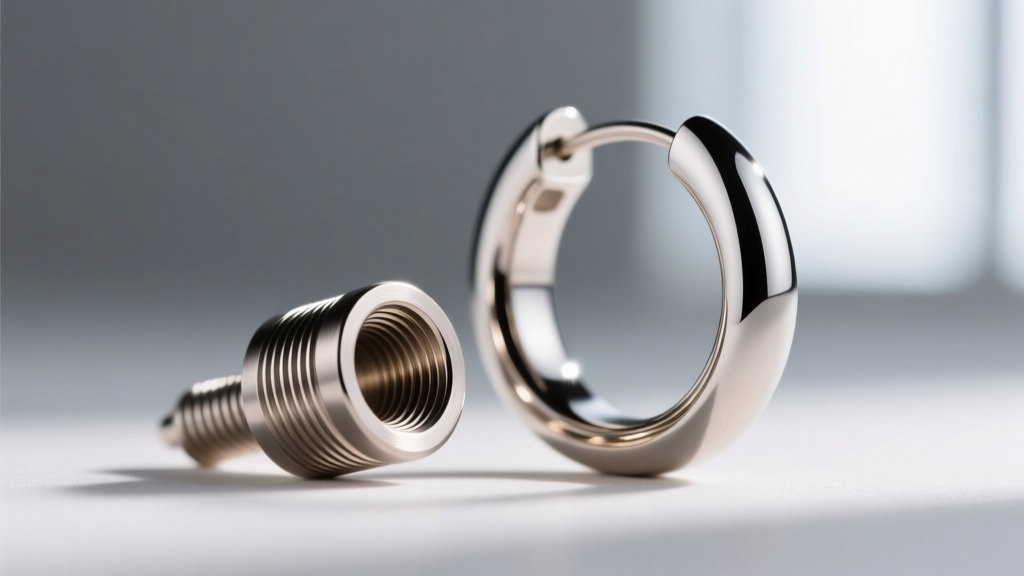
- Externally Threaded (Avoid): The screw pattern is on the post. Every time the jewelry is inserted, those sharp metal threads scrape the delicate fistula tissue, causing micro-tears and inviting scar tissue formation.
- Internally Threaded (Safe): The screw pattern is on the decorative end, and the post is perfectly smooth. This glides through the piercing without causing trauma.
- Threadless / Push-Pin (Safest): Utilizes tension to stay in place. There are no threads whatsoever, making it the absolute best choice for keloid-prone ears that require frequent jewelry changes or downsizing.
The "Cheese Cutter" Effect and Gauge Sizing
Another hidden trigger for keloids is wearing jewelry that is too thin. A 20-gauge or 22-gauge earring post acts like a cheese wire against the earlobe, especially if the wearer sleeps in them or accidentally snags them on clothing. This constant downward pressure causes tissue migration and chronic inflammation.
When gifting keloid earrings, always default to 16-gauge (1.2mm) or 14-gauge (1.6mm) for standard lobe piercings. The thicker surface area distributes weight evenly, stabilizing the piercing channel and preventing the micro-movements that trigger collagen overproduction.
2026 Sizing Guide: Post Lengths and Fistula Health
If you are buying labret posts (flat-back earrings) for cartilage or lobes, post length is critical. A post that is too long will snag and pull; a post that is too short will compress the tissue, restricting blood flow and causing necrosis or severe irritation bumps.
- 1/4" (6mm): The standard length for fully healed, settled earlobes and most flat cartilage piercings.
- 5/16" (8mm): Ideal for forward helixes, thicker earlobes, or piercings that experience mild seasonal swelling.
- 3/8" (10mm): Strictly reserved for fresh piercings or active flare-ups. Gifting this size is only recommended if the recipient is currently healing.
Pro-Tip for Gifting: If you are unsure of their exact post length, purchase a "threadless end and post kit" that includes one decorative end and three varying post lengths (6mm, 8mm, 10mm). This guarantees a perfect, custom fit without the need for a return exchange.
How to Package and Present Biocompatible Jewelry
Because high-end, implant-grade jewelry is often sold in sterile, medical-style packaging (like Tyvek pouches or glass vials), it can sometimes lack the "unboxing" experience of traditional mall-store jewelry. Elevate your gift by placing the sterile pouch inside a high-quality, velvet-lined wooden jewelry box. Include a handwritten note explaining why you chose this specific piece: detail the ASTM F136 titanium, the threadless mechanics, and the brand's reputation among professional piercers.
By demonstrating that you understand the unique medical and aesthetic needs of their sensitive ears, you transform a simple accessory into a deeply thoughtful, highly personalized gift. In 2026, true luxury isn't just about the sparkle of the gemstone; it's about the peace of mind that comes with flawless, irritation-free wear.


