2026 Earring Gift Guide: How to Get a Stuck Earring Out
Discover our 2026 earring gift guide for every occasion, plus expert troubleshooting on how to get a stuck earring out safely without damaging the lobe.

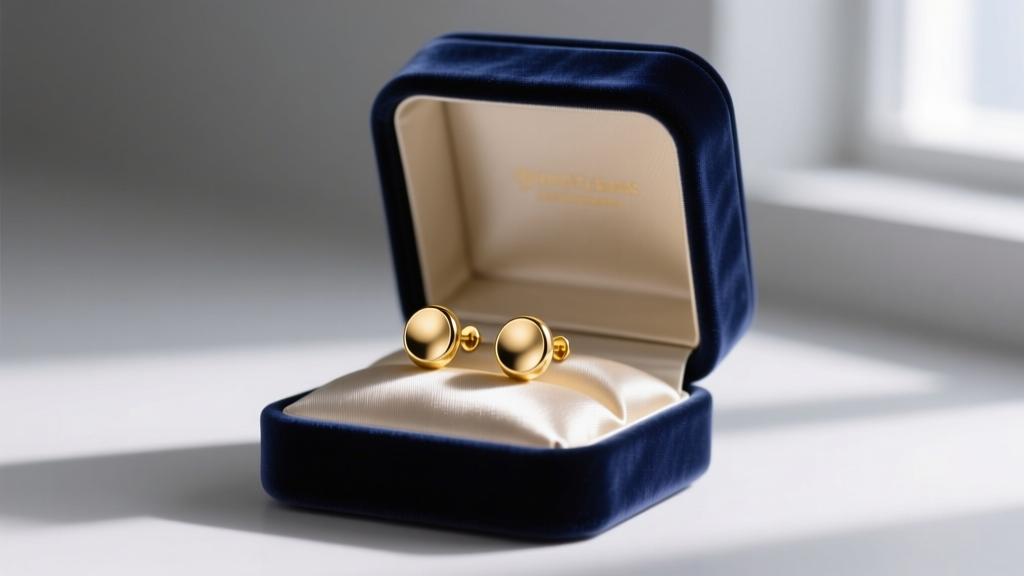
Gifting earrings is a deeply personal and timeless gesture, but the joy of receiving a beautiful piece of jewelry can quickly turn into panic if the hardware fails. Whether you are gifting a pair of diamond studs for an anniversary or delicate huggies for a birthday, understanding the mechanics of earring hardware is just as important as selecting the perfect gemstone. In this comprehensive 2026 gift guide, we will match specific occasions to ideal earring styles, and then dive deep into a crucial troubleshooting skill every jewelry lover needs: how to get a stuck earring out without causing tissue damage or ruining the piece.
The 2026 Earring Gift Matrix: Matching Occasions to Styles
When selecting earrings as a gift, you must consider the recipient's lifestyle, piercing gauge, and the formality of the occasions they will attend. A common gifting mistake is buying heavy dangles for someone with stretched or sensitive lobes, or purchasing 20-gauge studs for a recipient who exclusively wears 16-gauge cartilage jewelry. Below is our expert matrix for occasion-based gifting.
| Occasion | Recommended Style | Ideal Material Grade | Standard Gauge Size |
|---|---|---|---|
| Anniversary / Milestone | Bezel-Set Diamond Studs | 18k Yellow or White Gold | 18G (1.0mm) or 20G (0.8mm) |
| Everyday / Office Wear | Seamless Clicker Huggies | ASTM F136 Implant-Grade Titanium | 16G (1.2mm) or 18G (1.0mm) |
| Black-Tie / Formal Event | Chandelier or Drop Earrings | Platinum or 14k Solid Gold | 18G (1.0mm) with secure screw-backs |
| Graduation / New Job | Flat-Back Labret Cartilage Studs | Niobium or 14k Gold | 16G (1.2mm) Internally Threaded |
Why Earrings Get Stuck: The Mechanics of Friction and Thread Failure
Before we explain how to get a stuck earring out, it is vital to understand why they get stuck in the first place. Earring hardware failure generally falls into three distinct categories, each requiring a different removal approach.
1. Sebum and Keratin Compaction (The Friction Lock)
Standard push-back earrings (commonly known as butterfly backs) rely on tension slits to grip the post. Over time, natural skin oils (sebum), dead skin cells, and soap residue compact inside the clutch. This creates a biological cement that locks the metal tension slits onto the post groove. Pulling harder will only bruise the earlobe.
2. Cross-Threading and Stripped Grooves
High-end earrings often use screw-backs to prevent loss. However, if a recipient forces a 1.0mm or 1.2mm screw back at a slight angle, the metal threads cross and strip. According to the Association of Professional Piercers, externally threaded jewelry (where the threads are on the post itself) is highly prone to causing micro-tears in the fistula and jamming inside the tissue, whereas internally threaded jewelry (threads on the backing) is vastly superior for long-term wear and safe removal.
3. Allergic Contact Dermatitis and Tissue Swelling
If the gifted earrings contain nickel or low-grade alloys, the recipient's immune system may trigger allergic contact dermatitis. The Mayo Clinic notes that this reaction causes rapid localized swelling, redness, and weeping. The earlobe tissue literally swallows the earring post and the butterfly back, making standard removal impossible and dangerous.
Step-by-Step: How to Get a Stuck Earring Out Safely
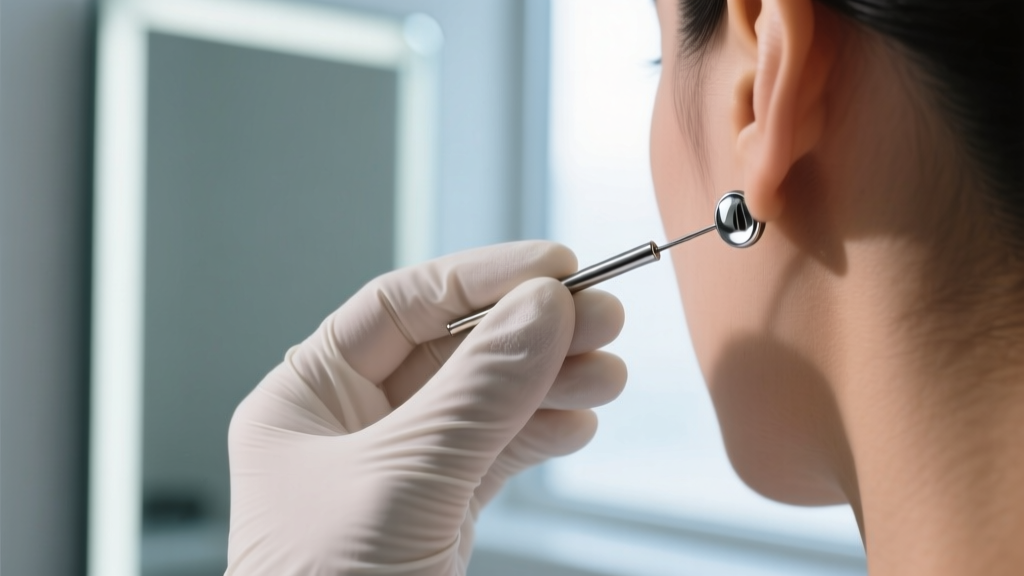
If you or your gift recipient are facing a jammed earring, do not resort to brute force. Follow this clinical, step-by-step protocol to safely remove the hardware.
- Prep Your Grip with Nitrile Gloves: Bare fingers lack the friction needed to twist small metal components, and latex gloves can trigger secondary allergies. Put on a pair of powder-free nitrile gloves to ensure a micro-grip on the earring back.
- Apply Targeted Temperature Therapy:
- If the earring is stuck due to sebum buildup: Apply a warm, damp compress soaked in sterile saline to the earlobe for 3 to 5 minutes. The heat will soften and melt the compacted oils inside the butterfly clutch.
- If the earlobe is swollen and red: Apply a wrapped ice pack for 10 minutes to constrict the blood vessels and reduce tissue swelling, shrinking the lobe away from the backing.
- The Twist-and-Pull Method (For Push-Backs): Grip the front stud firmly with one hand to stabilize the post. With your gloved dominant hand, grip the butterfly back. Do not pull straight out. Instead, apply a gentle wiggling and twisting motion while pulling outward. This breaks the vacuum seal created by the compacted sebum.
- The Counter-Torque Method (For Screw-Backs): If a screw back is cross-threaded, grip the front of the earring with needle-nose pliers padded with medical tape (to prevent scratching the gold or gemstone). Use your fingers to turn the back counter-clockwise. If it resists, stop immediately to avoid snapping the post inside the ear.
- Seek Professional Intervention: If the tissue is bleeding, if the post is embedded in the skin, or if the metal has snapped, stop immediately and visit a professional piercer or urgent care clinic. They possess specialized hemostats and taper tools to extract embedded jewelry safely.
"Never use unsterilized household tools like sewing needles or safety pins to pry off a stuck butterfly back. This introduces staphylococcus bacteria directly into the piercing channel, risking a severe perichondritis infection, especially in cartilage piercings."
Gifting Upgrades: Hardware That Prevents Sticking
The best way to handle a stuck earring is to gift jewelry that is engineered never to stick. When shopping for your 2026 gifts, look for these premium hardware upgrades:
- Internally Threaded Posts: The threads are hidden inside the backing or decorative end, leaving the post completely smooth. This prevents tissue irritation and eliminates the risk of cross-threading inside the ear canal.
- Threadless (Push-Pin) Hardware: Highly popular in modern cartilage and lobe piercings, threadless jewelry uses a slight bend in the pin to create tension inside a hollow post. They are incredibly secure but can be removed with a simple, firm pull without any twisting or sebum traps.
- Flat-Back Labrets: Instead of a sharp post and a butterfly back that digs into the neck while sleeping, flat-back labrets sit flush against the ear. They are typically secured with a threaded front bead, eliminating the back-clutch entirely.
Post-Gift Care: Maintaining the Hardware
To ensure the gifted earrings remain functional and beautiful, include a small care kit with your present. A bottle of sterile wound wash (0.9% sodium chloride) and a soft-bristled cleaning brush can work wonders. Advise the recipient to remove push-back earrings at least once a week, soaking the butterfly clutches in warm soapy water to dissolve sebum before it hardens into a friction lock.
By understanding both the aesthetic requirements of different occasions and the mechanical realities of jewelry hardware, you elevate your gift from a simple accessory to a thoughtfully curated, lifelong treasure. And should the worst happen, you now possess the exact, expert-backed knowledge on how to get a stuck earring out safely, preserving both the precious metal and the delicate tissue of the ear.


