2026 Gift Guide: Matching 2 ct Earrings to Every Milestone
Discover the perfect 2 ct earrings for every milestone. Our 2026 gift guide covers diamond grades, settings, and occasion matching for timeless gifting.

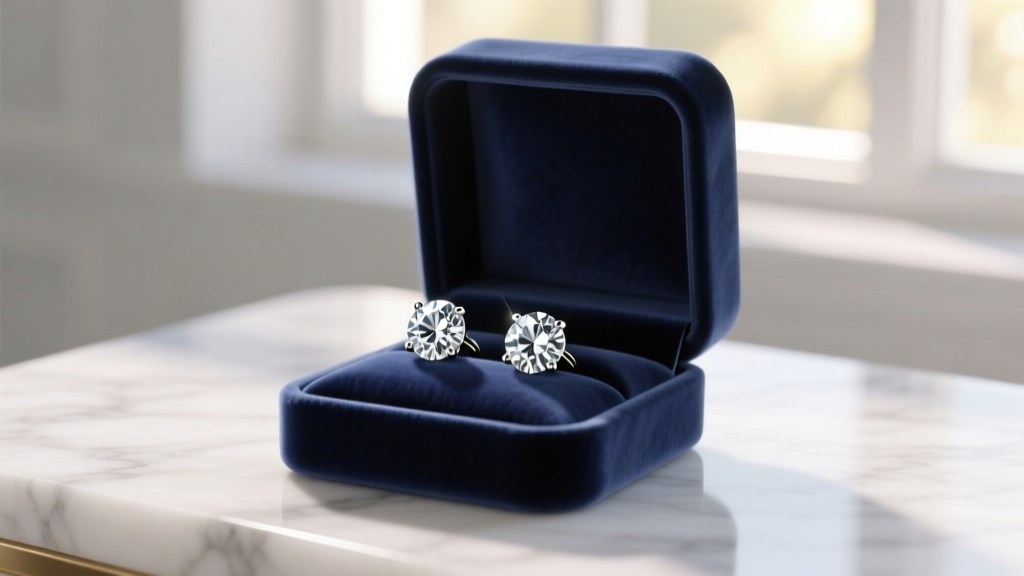
Gifting diamond jewelry is a timeless gesture, but navigating the modern market requires a precise understanding of carat weights, grading, and lifestyle compatibility. As we move through 2026, the landscape of diamond gifting has evolved dramatically. The rise of premium lab-grown diamonds, alongside enduring natural stones, means that buyers have more options—and more potential pitfalls—than ever before. When a buyer searches for 2 ct earrings, they are usually looking for a significant, milestone-worthy gift. However, the terminology surrounding carat weight is notoriously misunderstood, often leading to mismatched expectations and regrettable purchases.
This comprehensive gift guide is engineered to help you decode the specifications, match the perfect pair to the right occasion, and select the hardware that ensures your gift is worn with pride and comfort for decades.
Decoding the "2 ct" Label: CTTW vs. Per Ear
The most critical E-E-A-T distinction in diamond earring shopping is understanding the difference between Carat Total Weight (CTTW) and Carat Per Ear. This single misunderstanding accounts for the vast majority of buyer remorse in the fine jewelry sector.
Carat Total Weight (CTTW)
When a jeweler advertises "2 ct CTTW" earrings, they are referring to the combined weight of both stones. This means each individual earring weighs 1.00 carat. A standard 1.00-carat round brilliant diamond measures approximately 6.5 millimeters in diameter. This is the classic, elegant size that sits beautifully on the earlobe without overwhelming the face, making it the gold standard for versatile, everyday luxury.
Carat Per Ear
If a listing specifies "2.00 carats per ear," the total weight of the pair is 4.00 CTTW. Each stone will measure roughly 8.2 millimeters in diameter. This is a bold, high-impact size that requires careful consideration of the recipient's earlobe anatomy and personal style. It is also exponentially more expensive due to the rarity of large natural diamonds.
"Always verify whether the carat weight listed is CTTW or per-ear. A 2 ct CTTW pair is a classic milestone gift, while a 4 ct CTTW pair is a statement piece reserved for grand, high-budget gestures."
Occasion Matching: When to Gift 2 Carat Earrings
Diamond studs are not a one-size-fits-all gift. The occasion dictates the appropriate origin (natural vs. lab-grown), color grade, and setting style. Here is how to align your purchase with the milestone.
The 10th Anniversary & Milestone Birthdays
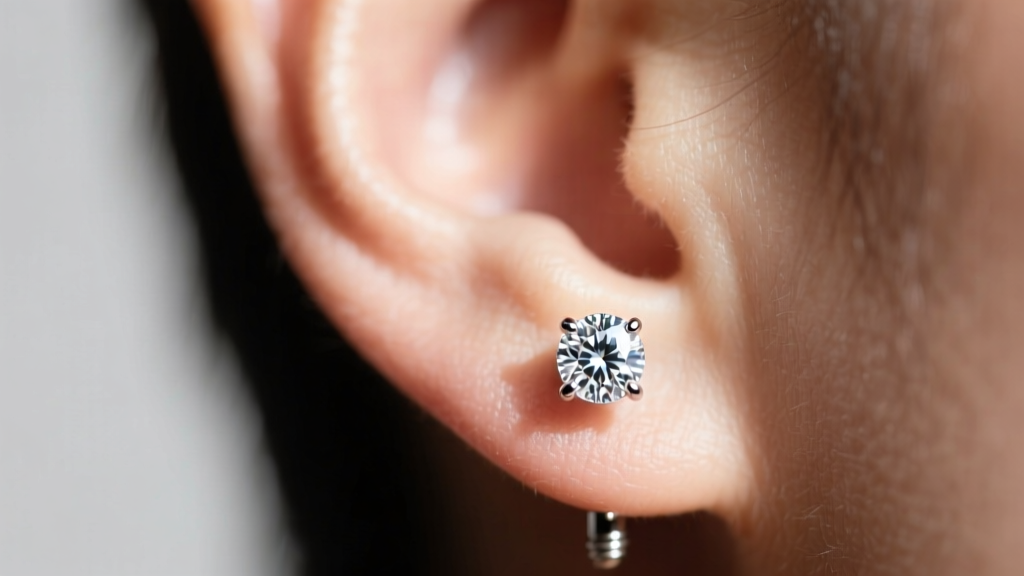
Diamonds are the traditional gift for the 10th wedding anniversary. A 2 ct CTTW pair (1 ct per ear) is the quintessential choice here. For a 10th anniversary, buyers traditionally lean toward natural diamonds to symbolize the enduring, earth-forged nature of a decade-long marriage. Opt for a G-H color range with VS1 or VS2 clarity. This ensures the stones face up completely white and eye-clean, offering exceptional value without paying the premium for flawless grades that are invisible to the naked eye.
Graduation & Career Milestones
Gifting diamond earrings for a college graduation or a major career promotion (such as making partner or reaching an executive tier) calls for versatility. The recipient needs a pair that transitions seamlessly from a boardroom presentation to an evening gala. In 2026, lab-grown diamonds are the undisputed champions of this category. A 2 ct CTTW lab-grown pair in a bezel setting offers a modern, snag-free profile that appeals to younger professionals, while freeing up budget for a higher color grade (D-F) and superior cut quality.
The "Push Present" and New Beginnings
For the birth of a child or a significant personal triumph, the emotional weight of the gift is paramount. Many buyers choose to engrave the custom setting baskets with a date or initial. Platinum is the mandatory metal choice here due to its hypoallergenic properties and extreme durability, ensuring the earrings can be worn daily without the risk of nickel allergies or bent prongs.
The 2026 Buyer’s Matrix: Diamond Grades & Budgets
Pricing in the diamond market has shifted significantly with the maturation of the lab-grown sector. The table below outlines realistic 2026 retail pricing for a 2 ct CTTW (1.00 ct per ear) pair, factoring in excellent cut grades, which are non-negotiable for maximizing brilliance.
| Grade (Color / Clarity) | Origin | Estimated 2026 Price (2ct CTTW) | Best Occasion Match |
|---|---|---|---|
| D-F / VVS1 | Natural | $14,000 - $18,500 | 20th+ Anniversary, Heirloom |
| G-H / VS1 | Natural | $8,500 - $12,000 | 10th Anniversary, Milestone Birthday |
| D-F / VVS1 | Lab-Grown | $1,800 - $2,600 | Push Present, Major Promotion |
| G-H / VS1 | Lab-Grown | $1,200 - $1,700 | Graduation, Holiday Gifting |
Note: Prices assume an Excellent/Ideal cut grade and a standard 14k or 18k gold setting. Platinum settings will add approximately $300 to $500 to the final cost.
Setting Styles: Matching the Mount to Her Lifestyle
The setting is just as critical as the stone. A poorly chosen setting will cause the earrings to droop, snag on clothing, or fall out entirely. When gifting 2 ct earrings, you must evaluate the recipient's daily habits.
Martini vs. Crown vs. Bezel Settings
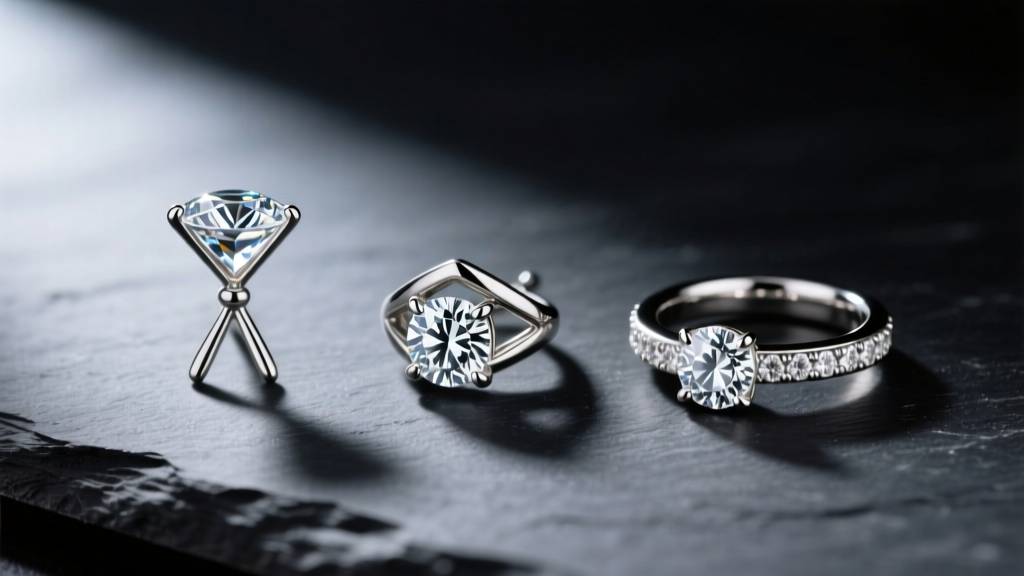
- The Martini (3-Prong): This setting uses three prongs, allowing more light to enter the stone from the sides. It sits lower on the earlobe, which is excellent for preventing droop. However, the three prongs can be sharp and may snag on delicate fabrics like silk or lace.
- The Crown / Basket (4-Prong): The traditional choice. It offers excellent security and a classic silhouette. However, the basket can sometimes sit slightly higher, which on heavier 1-carat stones might cause the earring to tilt forward if the earlobe is thin.
- The Bezel: A continuous rim of metal surrounds the diamond. This is the ultimate choice for active women, medical professionals, or anyone who wears high-collared clothing. It adds a slight halo of metal, making the stone appear marginally larger, and completely eliminates snagging.
The Hardware: Why Standard Backings Fail
Never gift 1-carat-per-ear diamonds with standard "butterfly" friction backs. The weight of a 6.5mm diamond will cause a friction back to slowly slide down the post, leading to the earring drooping or, worse, falling off and being lost. For a gift of this caliber, you must upgrade the hardware:
- Screw Backs: These thread onto the post, making them highly secure. The downside is that they require manual dexterity and patience to put on, which some wearers find frustrating.
- La Pousette (Locking) Backs: The gold standard for fine jewelry. These feature a spring-loaded locking mechanism that clicks securely into a grooved post. They are easy to put on, impossible to accidentally pull off, and provide the perfect counterweight to keep heavy studs sitting perfectly upright on the earlobe.
Sourcing & Certification: Protecting Your Investment
When spending thousands on a milestone gift, independent certification is your only protection against inflated grading and synthetic misrepresentation. According to the Jewelers of America, consumers should always demand a grading report from a reputable, independent laboratory—not an in-house jeweler's certificate.
For natural diamonds, the Gemological Institute of America (GIA) remains the global benchmark for strict, consistent grading. For lab-grown diamonds, which dominate the 2026 market for stones under $5,000, the International Gemological Institute (IGI) and GCAL provide highly reliable, laser-inscribed reports. Furthermore, the Federal Trade Commission (FTC) strictly mandates that lab-grown diamonds must be clearly disclosed as such; always verify the laser inscription on the girdle of the diamond matches the digital certificate provided at checkout.
Final Gifting Checklist
Before you finalize your purchase, run through this expert checklist to ensure your gift is flawless:
- Confirm the Weight: Is it 2 ct CTTW (1 ct each) or 2 ct per ear? Ensure the product description explicitly states this.
- Verify the Cut: Never compromise on cut. Ensure the certificate lists the cut as "Excellent" or "Ideal."
- Check the Metal: Is it stamped 14k, 18k, or PT950? Avoid gold-plated or vermeil settings for milestone gifts.
- Upgrade the Backs: Swap out friction backs for La Pousette locking backs or secure screw backs.
- Secure the Documentation: Ensure the GIA, IGI, or GCAL report is included in the packaging, alongside a comprehensive appraisal for insurance purposes.
By focusing on these precise details, you elevate your gift from a simple piece of jewelry to a thoughtfully engineered, deeply meaningful heirloom that will be cherished for a lifetime.


