Why Was The Girl With The Pearl Earring Considered Obscene? Heavy Pearl Fixes
Discover why the girl with the pearl earring was considered obscene, plus modern troubleshooting tips for styling and supporting heavy pearl earrings.

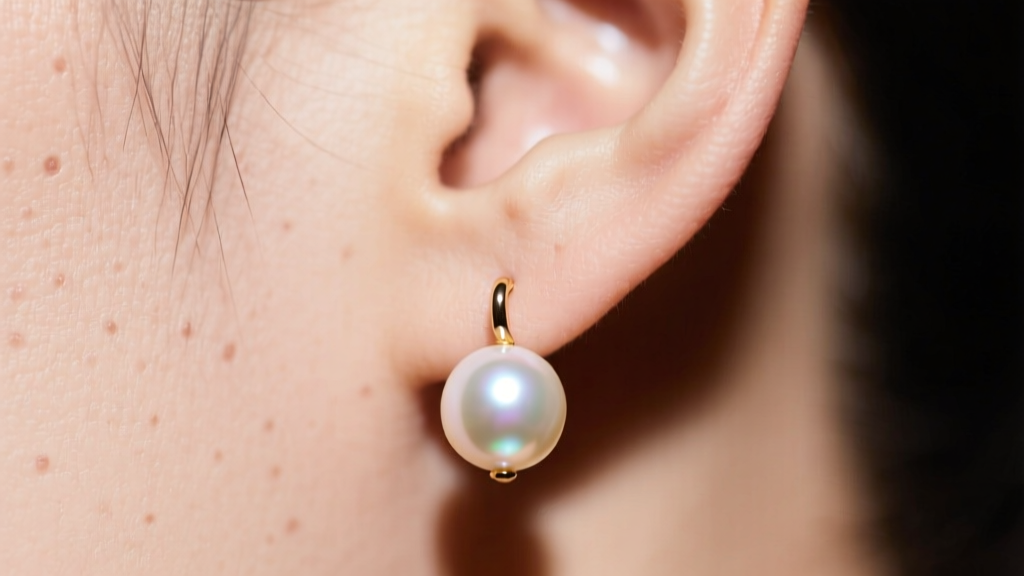
The Historical Controversy: Why Was The Girl With The Pearl Earring Considered Obscene?
When art historians and jewelry enthusiasts ask, 'why was the girl with the pearl earring considered obscene?', the answer requires a deep dive into 17th-century Dutch societal norms, class structures, and the visual language of sensuality. Johannes Vermeer’s masterpiece, painted around 1665, does not feature explicit nudity or scandalous actions. Instead, the 'obscenity' or transgressive nature of the painting lies in its profound class disruption and intimate focal tension.
During the Dutch Golden Age, pearls were ultimate status symbols, reserved exclusively for the wealthy elite. The subject of the painting, however, is widely believed to be a servant girl or a generic 'tronie' (a study of a facial type), not an aristocrat. Adorning a working-class girl with an impossibly large, teardrop pearl earring was a subversive act. It blurred the lines of sumptuary expectations and suggested an illicit intimacy between the subject and the viewer. Furthermore, the exposed neck, the direct, over-the-shoulder gaze, and the slightly parted lips drew the male gaze directly to the ear and jawline. The Mauritshuis museum notes that the painting's power lies in this intense, almost voyeuristic intimacy. The pearl acts as a visual anchor, highlighting the vulnerability of the bare neck and the sensual curve of the jaw, making the piece feel scandalously private for its time.
The Modern Dilemma: Troubleshooting Heavy Statement Pearls
While wearing a massive pearl is no longer a societal taboo, it presents a significant physical challenge. The very earring that caused a 17th-century scandal now causes 21st-century earlobe trauma. Large teardrop pearls, particularly those mimicking the proportions seen in Vermeer's work (12mm to 15mm), carry substantial weight. A high-quality 14mm South Sea pearl can weigh between 4 to 7 grams per earring.
The standard earring post manufactured today is 20-gauge (0.81mm thick). According to guidelines referenced by the Association of Professional Piercers (APP), a 20-gauge wire is entirely insufficient for supporting dynamic, pendulum-like weight. When a heavy teardrop pearl swings, it creates a lever effect against the earlobe's delicate collagen matrix. Over time, this results in the 'droop' effect, where the piercing hole stretches downward, causing the earring to face the floor rather than hanging elegantly. In severe cases, the thin wire bends, or the lobe tears completely.
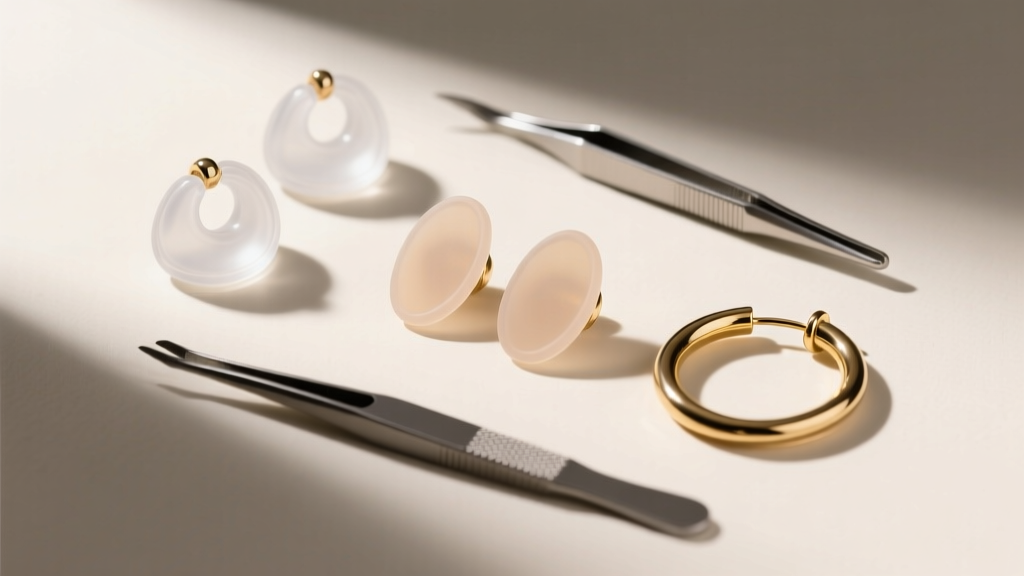
Engineering Solutions for Earlobe Strain
To wear heavy, statement-making pearls without sacrificing your earlobe's structural integrity, you must troubleshoot the mechanics of your jewelry. Here are the professional solutions we recommend at Jewel Style Radar for managing oversized drops.
1. Upgrade Your Wire Gauge
If you are having custom pearl earrings made, or if you are buying high-end vintage pieces, always check the post thickness. Request an 18-gauge (1.02mm) or, ideally, a 16-gauge (1.29mm) post. This slight increase in metal thickness exponentially increases the wire's yield strength, preventing the post from bending under the pearl's pendulum motion.
2. Utilize Polyurethane Lobe Patches
For existing 20-gauge earrings, adhesive support patches (often sold under brand names like Lobe Wonder) are essential. These clear, medical-grade polyurethane stickers adhere to the back of the earlobe. The earring post passes through both the skin and the patch, distributing the 5-gram load across a 15mm surface area rather than a single 0.81mm puncture point. This completely eliminates the downward pull and keeps the teardrop pearl facing forward.
3. Switch to Omega or Leverback Closures
Friction push-backs (butterfly backs) are the enemy of heavy pearls. They slip, and they offer zero vertical support. Swap your closures for Omega clip-backs or thick leverback hooks. An Omega back features a hinged, curved paddle that grips the wider, more structurally sound cartilage base of the ear, transferring the weight away from the soft, fatty tissue of the lower lobe.
Pearl Weight & Lobe Strain Matrix
| Pearl Type & Size | Average Weight | Strain Level | Required Support Mechanism |
|---|---|---|---|
| Akoya (8mm - 9mm) | 1.0 - 1.5g | Low | Standard 20G post + jumbo silicone back |
| Edison Freshwater (11mm - 13mm) | 2.5 - 4.0g | Moderate | 18G post + adhesive lobe patch |
| South Sea Teardrop (13mm - 15mm) | 4.5 - 7.0g | Severe | 16G leverback + Omega cartilage grip |
Styling the Asymmetrical 'Single Pearl' Look
In 2026, the asymmetrical single-earring trend dominates high-fashion runways, echoing the singular focal point Vermeer created centuries ago. Wearing one massive teardrop pearl on a single ear draws the eye exactly as the painter intended, but it requires careful styling to avoid looking unbalanced.
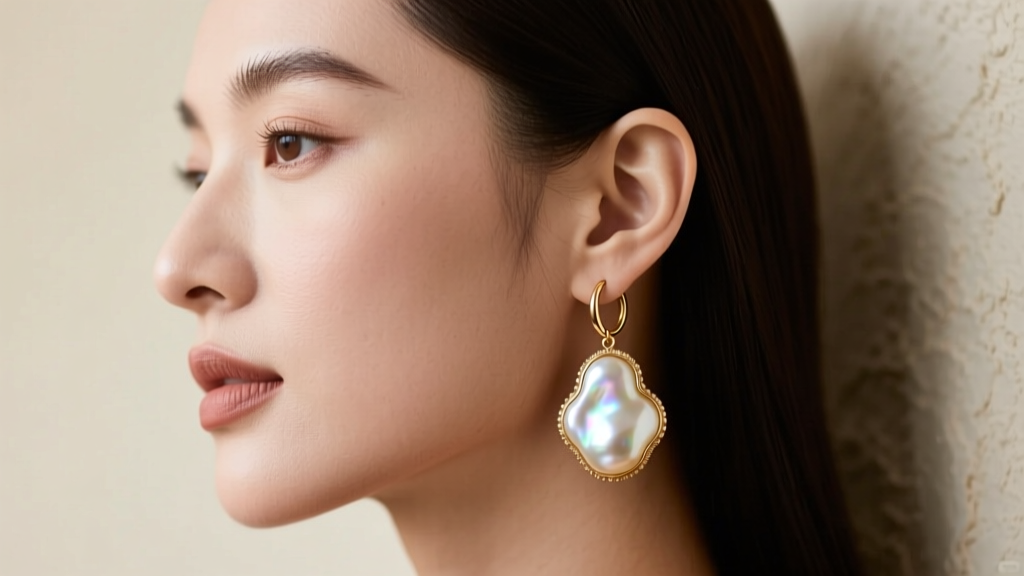
Troubleshooting Face Shapes:
- Round Faces: Avoid perfectly spherical, oversized single pearls, as they will emphasize facial width. Instead, opt for an elongated, 15mm baroque teardrop pearl. The vertical line elongates the neck and jawline, countering the historical 'heaviness' of the stone.
- Angular/Square Faces: A single, large spherical pearl (12mm-14mm) softens sharp jawlines. The curved geometry of the pearl provides a necessary visual contrast to strong bone structure.
- Balancing the Opposite Ear: Never leave the opposite ear entirely bare when wearing a 5-gram statement pearl; the visual weight will look like a mistake. Anchor the non-pearl ear with a minimalist, flush-fitting gold huggie hoop or a tiny 3mm diamond stud. This provides structural grounding without competing for attention.
Sourcing Large Pearls: South Sea vs. Edison Freshwater
If you are hunting for a pearl large enough to recreate this historical look, you will encounter two primary market options. According to the Gemological Institute of America (GIA), understanding the origin and treatment of these stones is critical for both your budget and the jewelry's longevity.
White South Sea Pearls are the traditional choice for luxury drops. They naturally grow to 12mm-15mm and possess a deep, satiny luster. However, they command premium prices, often exceeding $1,500 for a single, high-quality teardrop. Edison Freshwater Pearls, nucleated to mimic saltwater growth, offer identical 12mm-14mm sizes for a fraction of the cost (often $150-$300). While Edison pearls are a brilliant budget-friendly alternative, they suffer from a specific structural flaw: inconsistent drilling.
Because heavy pearls rely on gravity to hang straight, the drill hole must be perfectly centered at the apex of the teardrop. When sourcing large Edison pearls, always inspect the drill hole under a jeweler's loupe. If the hole is drilled even two degrees off-axis, the heavy pearl will perpetually twist on the post, refusing to face forward. A poorly drilled heavy pearl is a troubleshooting nightmare that no amount of lobe-patching can fix. Always demand a return policy when buying loose, oversized pearls for custom settings.
Final Thoughts on Historical Weight
The girl with the pearl earring may have caused a scandal in the 1660s due to the sensual and class-defying implications of her jewelry, but today, the true scandal is wearing heavy pearls without proper structural support. By understanding the physics of your jewelry, upgrading your wire gauges, and utilizing modern support patches, you can confidently wear massive, historical-scale pearls without the earlobe trauma. The intimacy and focal power of the teardrop pearl remain just as captivating today as they were in Vermeer's studio—provided you engineer the fit correctly.


