Gold Bugadi Earrings: A 2026 Gift & Occasion Guide
Discover the perfect gold bugadi earrings for every occasion. Our 2026 gift guide covers cartilage styles, karat weights, and styling tips.

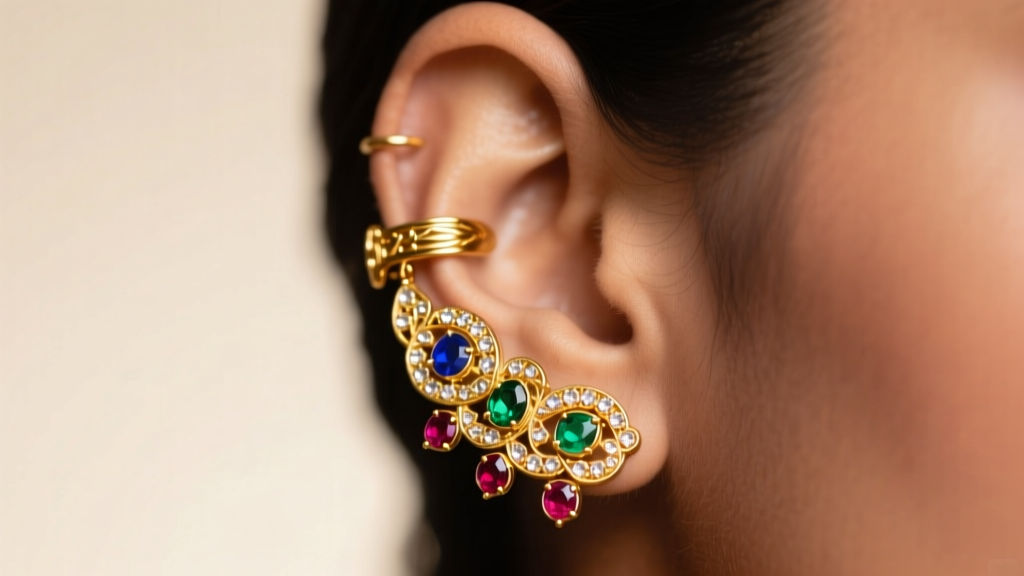
Gifting fine jewelry is an exercise in translating emotion into metal and stone. When it comes to cartilage adornments, few pieces carry the cultural weight, intricate craftsmanship, and visual drama of the gold bugadi earring. Originating in the western Indian states of Maharashtra and Karnataka, the bugadi (sometimes spelled bugri) was traditionally worn by brides on the upper ear cartilage. Today, as we navigate the 2026 jewelry market, the bugadi has transcended its regional roots to become a globally coveted statement piece, blending heritage artistry with modern bohemian and high-fashion aesthetics.
Whether you are shopping for a bride, a lover of South Asian heritage jewelry, or a trendsetter who favors curated ear stacks, selecting the right gold bugadi requires a deep understanding of metallurgy, ear anatomy, and mechanical engineering. This comprehensive gift guide will walk you through the exact specifications, karat considerations, and occasion-matching frameworks needed to gift a piece that is as structurally sound as it is beautiful.
The Anatomy of a Bugadi: Beyond the Basic Cuff
To gift a bugadi with confidence, you must first understand its architecture. According to the Victoria and Albert Museum's extensive Asian jewelry archives, traditional Indian cartilage ornaments were designed not just to decorate the ear, but to integrate with the wearer's overall bridal styling. A complete bugadi setup often consists of three distinct elements:
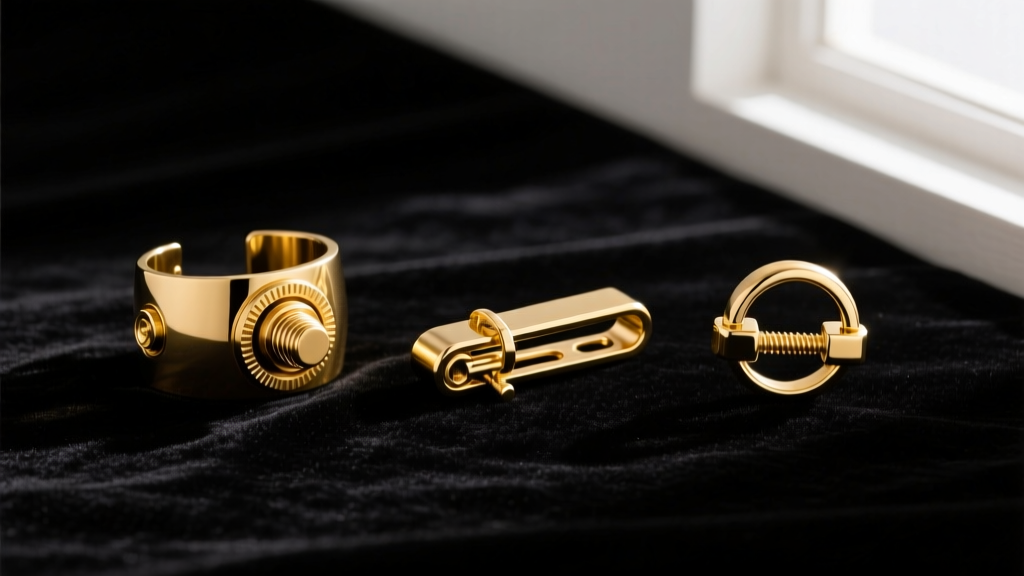
- The Cuff or Clicker: The primary anchor that sits on the upper helix cartilage. This can be a tension clip, a screw-on cuff, or a hinged clicker ring for pierced ears.
- The Motif: The decorative face of the earring, often featuring Kundan (uncut glass/stone set in gold foil), Polki (uncut diamonds), or intricate repoussé gold work depicting temple motifs and florals.
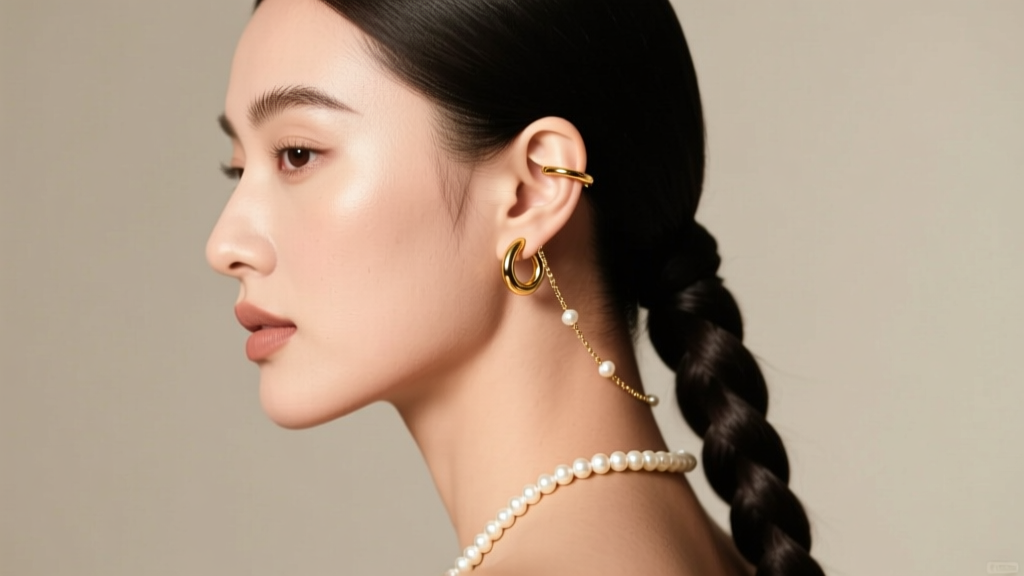
- The Sahara (Chain): A delicate gold chain that connects the bugadi to the hair, a secondary earlobe earring (like a jhumka), or a headpiece (maang tikka). This chain serves a dual purpose: it distributes the weight of heavy gold away from the delicate cartilage and prevents the earring from being lost if the clip fails.
When gifting, determining whether the recipient has a pierced helix or requires a non-pierced clip-on mechanism is the most critical first step.
The Metallurgy of Cartilage Jewelry: 22K vs. 18K Gold
One of the most common mistakes buyers make when purchasing heritage jewelry is assuming that a higher karat weight always equates to a better gift. When it comes to the mechanical parts of a gold bugadi earring, this assumption can lead to structural failure.
The Problem with 22K (916) Gold in Cartilage Cuffs
Pure gold is exceptionally malleable. Traditional 22K gold (91.6% pure, alloyed with silver and copper) is the standard for Indian bridal jewelry because of its rich, buttery yellow hue and investment value. However, 22K gold is too soft for mechanical tension. If you gift a 22K screw-on or spring-loaded clip bugadi, the most common failure mode is tension fatigue. The spring mechanism will lose its temper after repeated use, and screw threads can easily strip if the wearer over-tightens them against their cartilage. Furthermore, 22K gold is heavy; a solid 22K cuff can cause cartilage sagging or piercing migration over time.
The Expert Choice: 18K (750) Gold for Mechanics
For a bugadi that relies on a clip, screw, or hinged clicker mechanism, 18K gold (75% pure) is vastly superior. The higher alloy content (often mixed with zinc, silver, or copper) provides the necessary tensile strength for the clasp to grip the ear securely without warping. As noted by the Gemological Institute of America (GIA), 18K gold offers the perfect balance between the luxurious color of high-karat gold and the durability required for everyday mechanical wear. Many master jewelers now craft the decorative face in 22K gold for color matching, but engineer the hidden clips and clicker hinges in 18K or even 14K gold to ensure longevity.
Occasion Matching: Which Bugadi to Gift?
Matching the style of the bugadi to the recipient's specific occasion ensures your gift feels deeply personal and highly relevant. Use the matrix below to guide your purchasing decision.
| Occasion | Recommended Style | Ideal Karat & Mechanism | Estimated Price Range (USD) |
|---|---|---|---|
| Traditional Bridal | Heavy Kundan/Polki with Sahara chain | 22K Face / 18K Screw-on | $2,500 - $6,000+ |
| Festive / Diwali | Temple motif with ruby/emerald accents | 22K Solid with Tension Clip | $800 - $2,200 |
| Everyday Boho-Chic | Minimalist floral or geometric clicker | 18K or 14K Hinged Clicker | $250 - $750 |
| Reception / Party | Diamond-set helix cuff with detachable chain | 18K White/Yellow Gold | $1,200 - $3,500 |
Gifting Tip: If you are buying for a modern, everyday wearer who loves the 'curated ear' trend, opt for an 18K gold hinged clicker ring featuring a subtle bugadi-inspired motif. These snap securely into a standard helix piercing and eliminate the anxiety of losing a clip-on piece during a night out.
Sizing, Gauges, and Mechanical Failure Modes
Jewelry is not one-size-fits-all, and cartilage jewelry requires precise measurements. Gifting a beautifully crafted bugadi that physically cannot fit the recipient's ear is a frustrating experience. Here is the technical data you need to gather before purchasing:
For Non-Pierced Screw-On and Clip Cuffs
Cartilage thickness varies wildly from person to person, typically ranging from 2mm to 5mm. A high-quality screw-on bugadi will feature an adjustable threaded post. However, if the recipient's cartilage is exceptionally thin (under 2mm), even a fully tightened screw may slide off. Conversely, thick cartilage (over 4mm) might be pinched painfully by standard tension clips. If you are unsure of their cartilage thickness, a bugadi with a sahara chain is mandatory—the chain can be pinned to the hair, bearing the weight and keeping the cuff in place even if the grip is imperfect.
For Pierced Helix Clickers
If the recipient has a pierced helix, you must know their gauge size. Standard helix piercings are usually done at 16G (1.2mm)18G (1.0mm). Gifting a 14G (1.6mm) clicker to someone with an 18G piercing will force them to stretch the fistula, causing insertion trauma and potential blowouts. Always verify the gauge or purchase from a jeweler who offers interchangeable clicker bars.
Moisture and Kundan Foil Damage
If you gift a traditional Kundan bugadi, you must include a care card. Kundan stones are set using gold foil and natural lac (resin). Exposure to moisture, perfumes, or sweat can cause the foil to oxidize and turn black, ruining the piece. Advise the recipient to store the bugadi in an airtight ziplock bag with a silica gel packet when not in use.
Final Gifting Checklist for 2026
Before you finalize your purchase, run through this expert checklist to ensure your gold bugadi earring gift is flawless:
- Piercing Status: Do they have a pierced helix (needs a clicker) or unpierced cartilage (needs a screw/clip)?
- Gauge/Thickness: Is the clicker 16G/18G compatible? Is the screw adjustable for 2-4mm cartilage?
- Weight Distribution: If the piece is over 8 grams, does it include a sahara (chain) to prevent cartilage sagging?
- Mechanical Integrity: Are the moving parts (hinges, screws) crafted in 18K or 14K gold for durability?
- Hallmark Verification: Does the piece carry a proper BIS 916 (22K) or 750 (18K) hallmark stamp?
A gold bugadi earring is more than just an accessory; it is a wearable artifact that bridges centuries of goldsmithing tradition with contemporary style. By prioritizing structural integrity, precise sizing, and occasion-appropriate design, your gift will become a cherished, wearable heirloom that sits perfectly on the ear and securely in the heart.


