Gold Clam Shell Earrings: A Beginner's Guide to Oceanic Glamour
Discover everything about gold clam shell earrings. Learn about materials, shell types, gauge sizes, and care tips in this beginner's guide.

The Anatomy of Gold Clam Shell Earrings
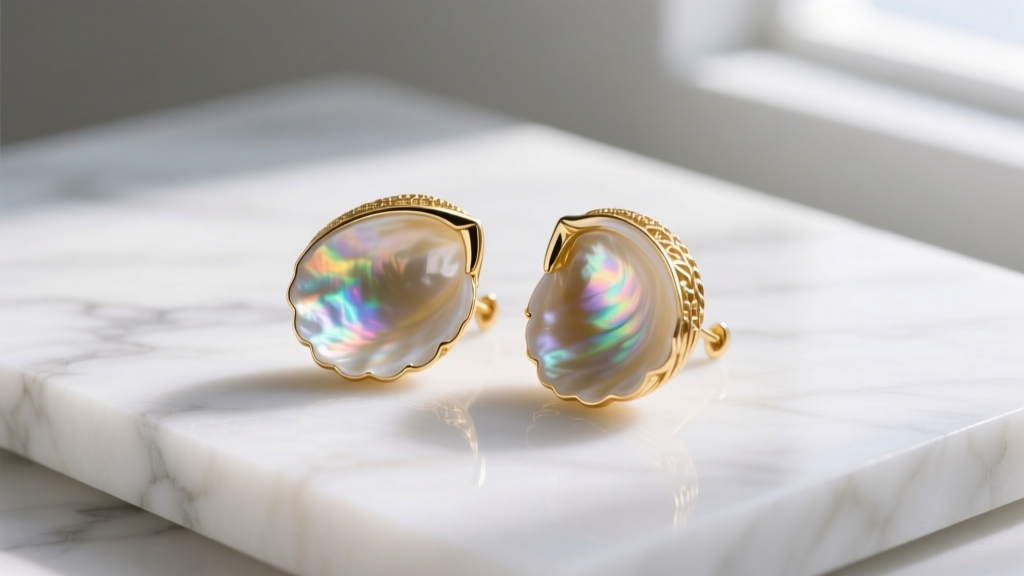
Gold clam shell earrings have transitioned from niche coastal souvenirs to high-end jewelry staples, driven by a resurgence in organic, nature-inspired minimalism. For beginners, navigating the market can be overwhelming. The term "clam shell" refers to the motif, but the actual execution varies wildly in craftsmanship, material integrity, and price. At their core, these earrings consist of two primary components: the precious metal framework (usually gold) and the decorative shell element, which can be either cast in solid metal or inlaid with genuine marine nacre.
Genuine Shell Inlay vs. Solid Gold Casting
When shopping, you will encounter two distinct manufacturing methods. The first is solid gold casting, where the clam shell shape is carved into wax, cast in gold, and textured by hand to mimic the ridges of a real shell. The second, and often more sought-after method, is nacre inlay. This involves precision-cutting genuine marine shells—most commonly Mother of Pearl or Abalone—and setting them into a gold bezel or prong framework. The inlay method provides a striking, iridescent contrast against the warm tones of yellow or rose gold, but it requires specialized lapidary skills to prevent the fragile shell from fracturing during setting.
Decoding the Shell: Mother of Pearl vs. Abalone
Not all shells are created equal. The visual appeal and durability of your earrings depend heavily on the specific marine species used for the inlay. Understanding these differences is crucial for making an informed purchase.
- Mother of Pearl (Nacre): Sourced primarily from the Pinctada maxima oyster, Mother of Pearl offers a milky, luminous white sheen with subtle pastel overtones. It is the classic choice for elegant, understated clam shell earrings.
- Abalone (Paua): Harvested from the Haliotis gastropod, abalone features dramatic, swirling patterns of deep blues, vibrant greens, and purples. It is highly prized for statement pieces and catches the light with a fiery, almost holographic intensity.
From a durability standpoint, both materials are composed of calcium carbonate and conchiolin. According to the Gemological Institute of America (GIA), nacre ranks between 2.5 and 4.5 on the Mohs scale of hardness. This makes it significantly softer than traditional gemstones like quartz or sapphire, meaning your clam shell earrings require specific handling to avoid surface scratching.
Understanding the "Gold": Solid, Vermeil, or Plated?
The metal framework dictates the longevity, hypoallergenic properties, and price point of your earrings. The Federal Trade Commission (FTC) Jewelry Guides strictly regulate how gold jewelry can be marketed, yet confusing terminology still plagues the beginner market. Here is a precise breakdown of what you are actually buying.
| Material Type | Composition & Standards | Expected Lifespan | Price Range (Studs) |
|---|---|---|---|
| Solid 14k / 18k Gold | 58.5% to 75% pure gold alloyed with metals like copper or silver for strength. Tarnish-resistant and hypoallergenic. | Lifetime (Heirloom) | $250 - $800+ |
| Gold Vermeil | A thick layer of gold (minimum 2.5 microns) electroplated over a Sterling Silver (925) base. Safe for sensitive ears. | 2 - 5 Years (with care) | $80 - $180 |
| Gold Plated / Dipped | A microscopically thin layer of gold (under 0.5 microns) over a base metal like brass or copper. High allergy risk. | Months (Wears off quickly) | $20 - $60 |
Sizing, Gauges, and Piercing Compatibility
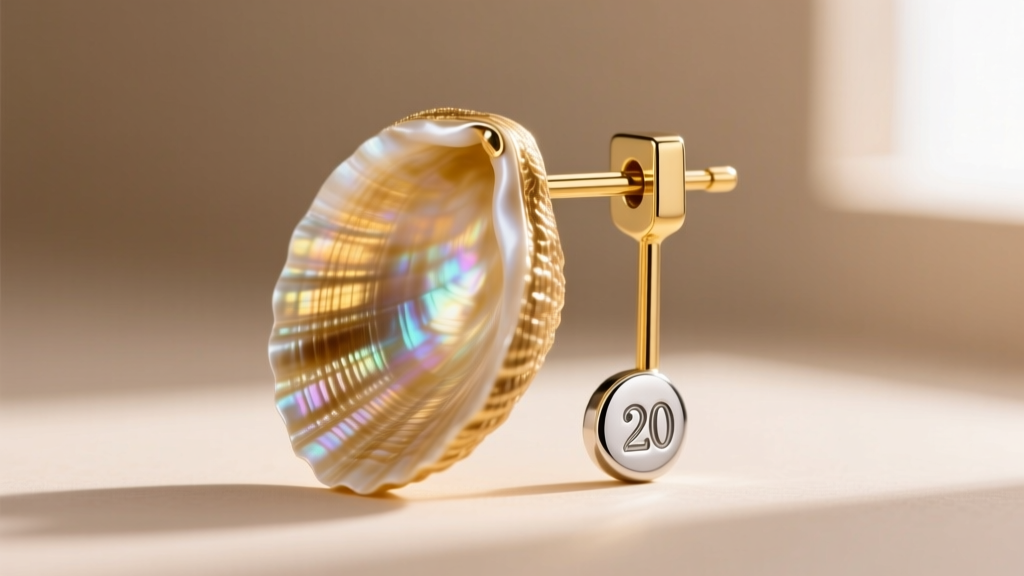
A common beginner mistake is ignoring the earring post gauge—the thickness of the metal wire that passes through your piercing. Standard earlobe piercings are typically done at 20-gauge (0.81mm) or 18-gauge (1.02mm). Most gold clam shell earrings are manufactured with 20-gauge posts to accommodate the widest range of healed lobes.
The Weight Factor: Clutches and Backings
Genuine shell inlays, especially in larger drop or dangle clam shell designs, add unexpected weight to the earring. A standard butterfly friction back often fails to support this weight, causing the earring to droop forward and stretch the piercing over time. For shell earrings weighing more than 4 grams, upgrade to La Pousette backs (which lock securely like a watch clasp) or jumbo silicone disc backs that distribute the weight evenly across the back of the earlobe.
Lobe vs. Cartilage Considerations
While the clam shell motif is overwhelmingly designed for the earlobe, some contemporary jewelers offer flat-back versions for the helix or conch. If you intend to wear these in cartilage, you must verify the post length (standard cartilage requires 6mm to 8mm posts) and the gauge (often 16-gauge or 1.29mm for cartilage). However, due to the flat, wide nature of the shell design, cartilage placements can easily snag on hair and clothing, making lobes the vastly superior and safer choice for beginners.
The Beginner's Buying Checklist
Before adding a pair of gold clam shell earrings to your cart, run them through this rigorous quality-assurance checklist to ensure you are getting a piece that will last.
- Verify the Hallmark: Look for "14k", "18k", or "925" stamped on the post or clutch. Absence of a hallmark usually indicates unregulated base metals.
- Inspect the Bezel Setting: If the earrings feature shell inlay, the gold bezel wrapping the shell should be flush and smooth. Any gaps will trap moisture and degrade the conchiolin in the shell.
- Check the Nacre Quality: High-quality Mother of Pearl should have a deep, mirror-like luster. Chalky or dull patches indicate low-grade shell harvested from the outer, non-nacreous layers of the oyster.
- Assess the Post Welding: The point where the post meets the shell backing should be laser-welded or soldered cleanly. A weak solder joint is the most common failure point in drop-style shell earrings.

Care and Maintenance: Protecting the Nacre
The organic nature of clam shell inlays demands a specific care regimen that differs vastly from standard diamond or gemstone jewelry. Because nacre is composed of calcium carbonate, it is highly reactive to acids and harsh chemicals.
Expert Rule of Thumb: Never wear your gold clam shell earrings in chlorinated pools, hot tubs, or while applying acidic skincare products (like Vitamin C serums or glycolic acid). The acid will literally dissolve the microscopic aragonite platelets that give the shell its iridescent luster, leaving it permanently dull and chalky.
To clean your earrings, avoid ultrasonic cleaners and commercial jewelry dips entirely. Instead, use a soft, lint-free microfiber cloth dampened with distilled water and a single drop of pH-neutral castile soap. Gently wipe the gold framework and the shell surface, then dry immediately with a separate soft cloth. Store them in a fabric-lined jewelry box away from direct sunlight and extreme heat, which can cause the organic shell to dehydrate and crack over time. By respecting the organic origins of the materials, your gold clam shell earrings will retain their oceanic brilliance for decades.


