2026 Gift Guide: Decoding the Gold Earrings Rate by Occasion
Discover how the gold earrings rate fluctuates by karat and weight. Our 2026 gift guide matches pricing tiers to milestones for the perfect present.

The Anatomy of the Gold Earrings Rate: What You Are Actually Paying For
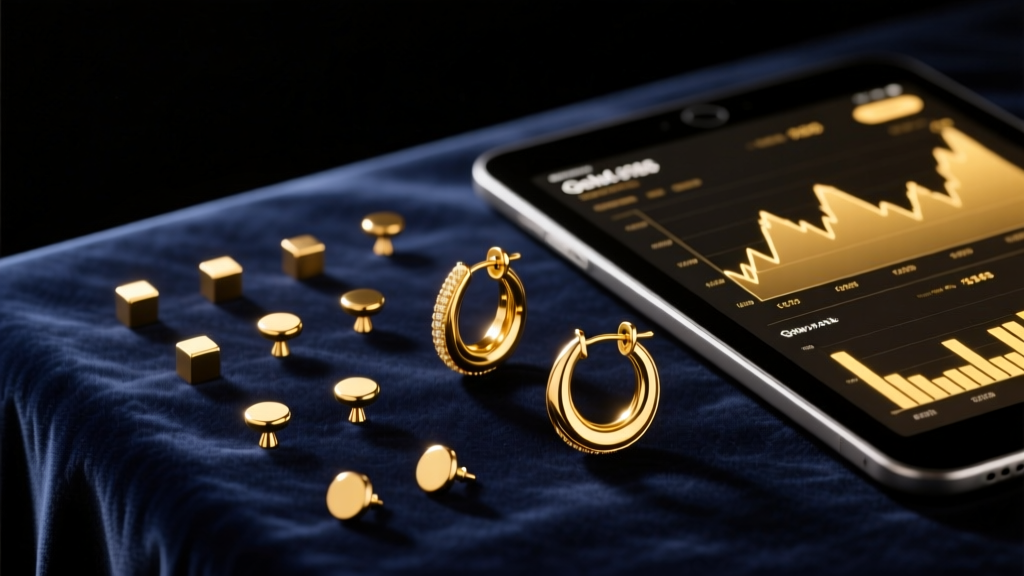
Gifting gold earrings is a timeless gesture, but navigating the 2026 jewelry market requires more than just picking a pretty design. With precious metal markets experiencing significant volatility over the last few years, understanding the true gold earrings rate is essential for matching your budget to the gravity of the occasion. Whether you are celebrating a high school graduation, a major career milestone, or a diamond anniversary, the price you pay is dictated by a complex matrix of karat purity, gram weight, and structural engineering.
According to the Gemological Institute of America (GIA), the baseline value of any gold jewelry piece starts with its purity. However, the retail rate you see on a tag includes fabrication costs, the complexity of the earring findings (the post and backing), and brand premiums. A standard 20-gauge friction post uses significantly less gold than an 18-gauge threaded post equipped with a secure la pousette backing. Therefore, when evaluating the gold earrings rate, you must look beyond the aesthetic and examine the metallurgy and mechanics.
| Karat | Purity | Alloy Mix | Durability | Avg. Retail Rate Multiplier |
|---|---|---|---|---|
| 10k Gold | 41.7% | High Copper/Zinc | Very High (Scratch Resistant) | 1.2x Spot Melt Value |
| 14k Gold | 58.3% | Balanced Copper/Silver | High (Ideal for Daily Wear) | 1.5x - 1.8x Spot Melt Value |
| 18k Gold | 75.0% | High Gold Content | Moderate (Prone to Bending) | 2.0x - 2.5x Spot Melt Value |
| 22k Gold | 91.6% | Trace Silver/Copper | Low (Soft, Heavy Drape) | 3.0x+ Spot Melt Value |
Milestone Matching: Which Gold Rate Fits the Occasion?
Matching the gold earrings rate to the specific milestone ensures your gift feels appropriate, valuable, and deeply considered. Here is how to align pricing tiers with life’s biggest moments in 2026.
Sweet 16 & High School Graduations: The $150 - $400 Rate Tier
For younger recipients or early milestones, durability and everyday wearability are paramount. At this price point, you are looking at 14k solid gold threadless studs or small 10mm huggies. The gold earrings rate in this tier is heavily influenced by the labor required to create secure, low-profile settings rather than the raw gold weight. Look for 16-gauge or 18-gauge posts, which are standard for both lobe and upper cartilage piercings. A pair of 3mm 14k gold ball studs typically weighs around 0.15 grams per pair, meaning the rate you pay is almost entirely based on the precision machining of the threadless pin and the brand's craftsmanship guarantee.
College Grads & Early Career Milestones: The $400 - $900 Rate Tier
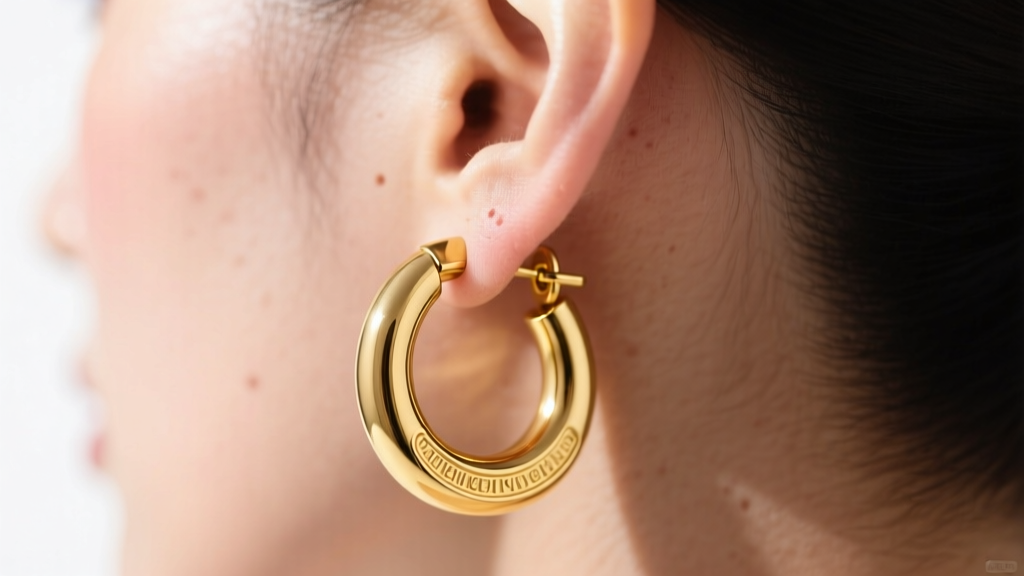
As the recipient enters the professional world, the jewelry should reflect a polished, sophisticated aesthetic. This tier unlocks substantial 14k and 18k gold huggies (12mm to 15mm in diameter) and medium-sized drop earrings. When evaluating the gold earrings rate here, pay close attention to the closure mechanism. Hinged clicker closures with a seamless snap shut require advanced engineering, which justifies a higher rate compared to simple latch-back hoops. A solid 14k yellow gold huggie in this tier should weigh between 2.5 and 4.0 grams per pair. If the earrings feel suspiciously light for their size, they may feature hollow tubing—a manufacturing shortcut that drastically lowers the intrinsic value and makes the earrings prone to denting.
Major Anniversaries & Push Presents: The $1,200+ Rate Tier
For monumental occasions, the gold earrings rate shifts from everyday practicality to heirloom-quality luxury. This tier introduces 18k and 22k gold, often featuring intricate chandelier designs, heavy solid-cast drops, or integrated diamond pavé. According to market data tracked by Kitco, the premium on high-karat gold jewelry has widened in 2026 due to the rising costs of specialized artisanal casting. In this bracket, expect to pay for substantial gram weight (often 8 to 15 grams per pair) and premium findings, such as oversized omega clips or custom-fitted screw backs designed to support the heavy drape of the gold without stretching the earlobe.
Navigating the 2026 Market: Solid Gold vs. Gold Vermeil Rates
When shopping for gifts, it is crucial to distinguish between solid gold and gold vermeil, as their rate structures are entirely different. Gold vermeil consists of a thick layer of gold (legally required to be at least 2.5 microns in the US) plated over a sterling silver base. The gold earrings rate for vermeil is generally 70% to 85% lower than its solid gold counterpart.
Vermeil is an excellent choice for trend-driven gifts, such as chunky sculptural ear cuffs or oversized geometric drops, where the solid gold rate would be prohibitively expensive due to the sheer volume of metal required. However, for milestone gifts meant to last a lifetime, solid gold is mandatory. Vermeil will eventually wear down to the silver core, especially on high-friction areas like the earring post, whereas solid 14k or 18k gold can be polished and restored indefinitely.
Pro-Tips for Evaluating Gold Earring Pricing Before You Buy
To ensure you are getting a fair gold earrings rate for your chosen occasion, keep these expert evaluation criteria in mind:
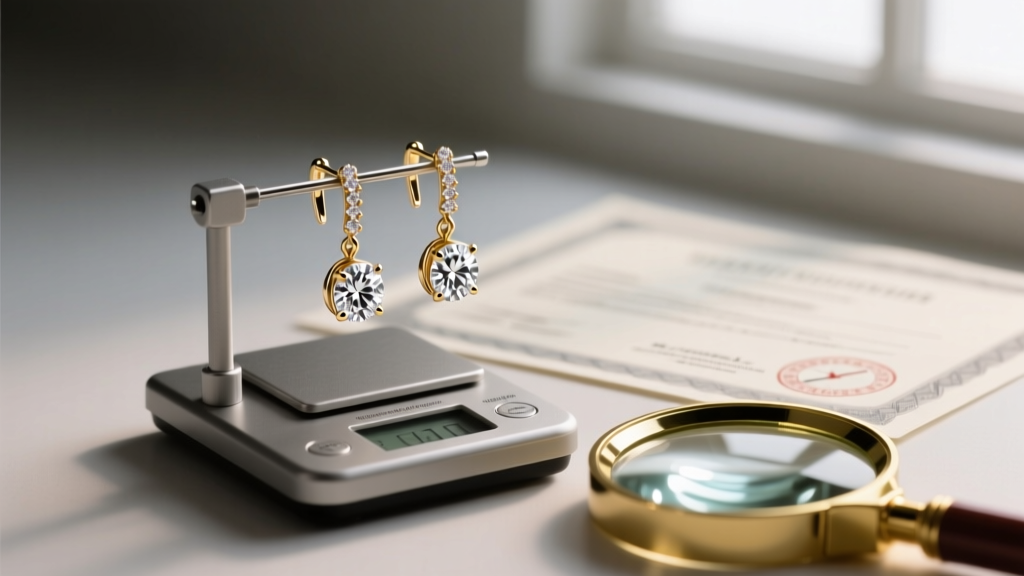
- Check the Stamping: Authentic pieces will be stamped with their purity (e.g., 585 for 14k, 750 for 18k). In the US, a maker's mark is also legally required alongside the purity stamp.
- Weigh the Findings: For drop earrings, the post and backing must be robust. A flimsy 22-gauge post on a heavy 18k drop earring is a structural failure waiting to happen and indicates poor rate-to-quality ratio.
- Beware of 'Gold Plated' Confusion: Gold plated (over brass or copper) has a negligible gold content and a correspondingly low rate. Never gift gold-plated earrings for a major milestone, as the base metals can cause severe contact dermatitis and the plating will tarnish quickly.
- Factor in the Alloy Color: White gold requires rhodium plating to achieve its bright, silvery finish, which adds a slight maintenance cost over time. Rose gold gets its hue from a higher copper content, which is generally less expensive to produce than the palladium or nickel alloys used in white gold, slightly affecting the final retail rate.
By understanding the mechanics behind the gold earrings rate, you can confidently select a piece that not only fits your budget but also honors the significance of the occasion, ensuring your gift is cherished for decades to come.


