Choosing Gold Earrings Star Shapes: 14k vs 18k Alloys
Compare 14k vs 18k gold for star-shaped earrings. Learn how alloy hardness, Vickers ratings, and casting methods affect the durability of sharp points.


The Geometry of Star Earrings: Why Metal Hardness Matters
When evaluating gold earrings star motifs, most buyers focus exclusively on the carat weight and the visual brilliance of the metal. However, the geometric reality of a star shape introduces severe structural vulnerabilities that do not exist in smooth hoops or simple dome studs. A standard five-pointed star features acute angles—typically 36 degrees at each tip. These sharp extremities act as high-friction contact points that constantly interact with hair, clothing, and pillows.
Because of this unique geometry, the metallurgical properties of the gold alloy are paramount. Pure gold is notoriously malleable. If a star earring is crafted from high-purity gold, the acute points will bend, warp, or snap off entirely under minimal lateral pressure. To understand how to choose the right pair, we must look beyond the karat stamp and examine the Vickers hardness (HV) scale, alloy compositions, and manufacturing techniques that dictate the lifespan of your jewelry.
14k vs. 18k Gold: The Ultimate Alloy Breakdown
The debate between 14k and 18k gold is the most common dilemma for fine jewelry buyers. While 18k gold offers a richer, more saturated yellow hue, 14k gold provides the structural integrity required for intricate shapes. According to the World Gold Council, the addition of alloy metals like copper, silver, and zinc fundamentally alters the tensile strength and scratch resistance of the final piece.
14k Gold: The Structural Champion for Sharp Points
14k gold consists of 58.5% pure gold and 41.5% alloy metals. This specific ratio yields a Vickers hardness rating of approximately 140 to 160 HV, depending on the exact alloy mix and whether the metal has been work-hardened. For star-shaped earrings, 14k is widely considered the optimal choice. The higher alloy content creates a denser crystalline grain structure that resists deformation. When a 14k gold star point catches on a knit sweater, the metal is far more likely to snap back to its original position or hold firm, rather than bending permanently.
18k Gold: Rich Color but Higher Deformation Risk
18k gold contains 75% pure gold, resulting in a softer metal with a Vickers hardness of roughly 120 to 130 HV. While it boasts a luxurious, deep yellow color that is highly prized in 2026 fine jewelry markets, it is inherently more susceptible to the "snag-and-bend" failure mode. If you prefer 18k gold for your star earrings, you must opt for designs with slightly blunted or rounded star tips, as needle-sharp 18k points will inevitably warp during daily wear.
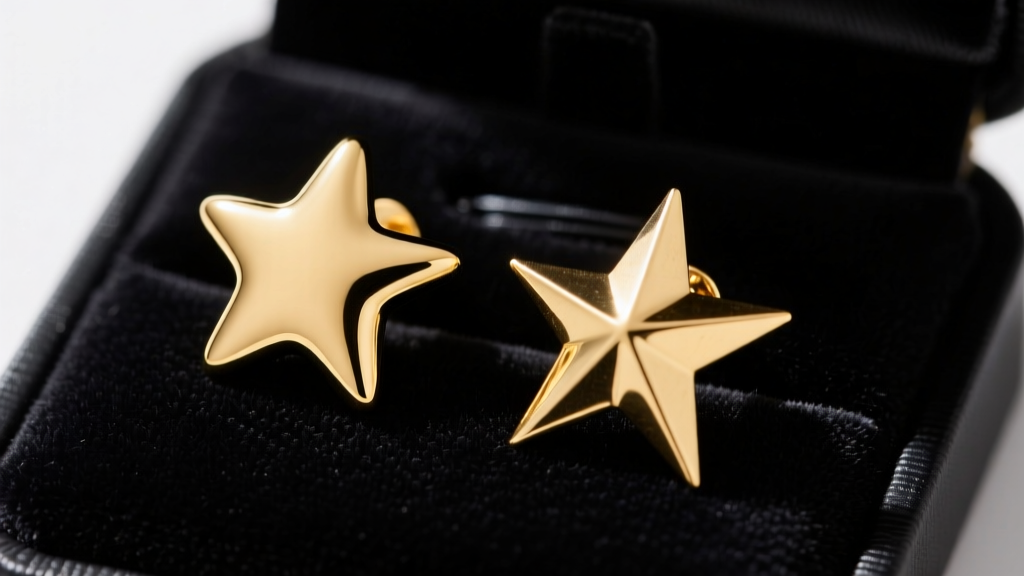
Material Properties Comparison Chart
To make an informed decision, it is crucial to compare the physical properties of different gold purities specifically in the context of star-shaped geometry. The following table outlines the critical metrics for structural durability and current market pricing.
| Karat | Gold Content | Vickers Hardness (HV) | Point Durability | Approx. Price Range (2026) |
|---|---|---|---|---|
| 10k | 41.7% | 170 - 190 HV | Excellent (Highly rigid, prone to brittleness) | $80 - $150 |
| 14k | 58.5% | 140 - 160 HV | Very Good (Ideal balance of strength and malleability) | $180 - $400 |
| 18k | 75.0% | 120 - 130 HV | Fair (Requires rounded tips, bends easily if sharp) | $450 - $900+ |
| 24k | 99.9% | 25 - 30 HV | Poor (Will deform under its own weight, avoid for stars) | N/A (Not used for cast stars) |
White, Yellow, and Rose: How Alloy Mixes Affect Star Points
The color of your gold earrings star design is not just an aesthetic choice; it is a direct indicator of the alloy metals used, which in turn dictates the physical hardness of the star points.
- Yellow Gold: Alloyed with a balanced mix of copper and silver. It offers standard durability and is the most common choice for classic star motifs.
- Rose Gold: Achieves its pinkish hue through a significantly higher copper content. Copper is a remarkably strong metal, meaning 14k rose gold is often slightly harder and more resistant to bending than 14k yellow gold. This makes rose gold an exceptional, albeit underutilized, choice for sharp star points.
- White Gold: Alloyed with nickel or palladium to strip the yellow color. Nickel-based white gold is exceptionally hard, providing great structural support for star tips. However, as noted by the Gemological Institute of America (GIA), white gold requires rhodium plating to achieve a bright white finish. This plating will wear off the high-friction star points first, revealing the slightly yellowish underlying alloy and requiring periodic re-plating.
Manufacturing Methods: Casting vs. Die-Striking
The way your star earrings are manufactured is just as critical as the karat of the gold. Most mass-market gold star earrings are created through investment casting. In this process, molten gold is poured into a plaster mold. While casting allows for intricate, three-dimensional star designs, it can introduce microscopic porosity—tiny air bubbles trapped inside the metal. If porosity occurs near the thin tips of a star, the point becomes a structural weak spot and can snap off cleanly.
Conversely, die-striking involves using immense hydraulic pressure to stamp star shapes out of a solid sheet of gold. This process compresses the metal's grain structure, eliminating porosity and significantly increasing the tensile strength of the star points. If you are buying sharp, flat star studs, always ask the jeweler if the pieces are die-struck. The superior density of die-struck 14k gold will ensure your star points remain razor-sharp and intact for decades.
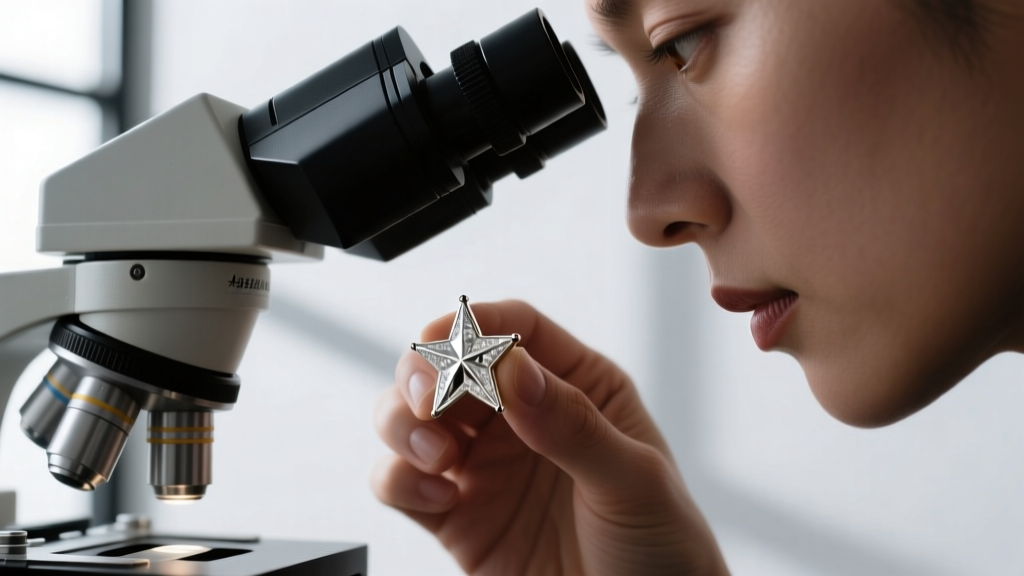
The Verdict: Avoiding Plated and Vermeil Star Shapes
When shopping for star-shaped earrings, you will inevitably encounter gold vermeil (thick gold plating over sterling silver) and standard gold-plated brass options. From a materials science perspective, plated star earrings are a poor investment. The sharp points of a star experience the highest concentration of mechanical wear. Within weeks of daily use, the microscopic layer of gold on the star tips will wear away completely, exposing the base metal underneath.
Once the base metal is exposed, two things happen: first, the aesthetic is ruined as the silver or brass tarnishes rapidly at the tips. Second, if the base metal contains copper or nickel, the exposed points will react with your skin's moisture, causing localized allergic contact dermatitis or leaving green marks on your earlobes. For star shapes, solid gold is not just a luxury; it is a functional necessity to ensure the high-wear points remain inert and beautiful.
Troubleshooting and Care for Intricate Star Motifs
Even with the optimal 14k die-struck gold, accidents happen. If a star point bends, do not attempt to bend it back into place with your fingers or standard steel pliers. Steel is significantly harder than 14k gold and will instantly mar the polished surface, leaving deep, irreversible scratches.
Instead, take the earring to a professional jeweler. They will use a rawhide mallet and a specialized steel mandrel to gently tap the point back into alignment without damaging the finish. Furthermore, when storing your star earrings, never toss them loosely into a jewelry box. The sharp points will scratch adjacent pieces, and the points themselves can become blunted. Always store star earrings in individual soft pouches or dedicated compartments with the points facing upward or protected by a soft fabric barrier.
Post Gauge Considerations for Heavy Stars
Finally, consider the earring post. A standard 20-gauge (0.81mm) post is sufficient for small, delicate 6mm star studs. However, if you are purchasing larger 12mm to 15mm solid gold stars, the weight of the metal will cause a 20-gauge post to droop, altering the angle of the star and increasing the likelihood of the points catching on your hair. For larger star motifs, insist on an 18-gauge (1.02mm) or 16-gauge (1.29mm) post to ensure the earring sits flush and secure against the earlobe.


