Gold Fashion Earrings Buying Guide: Alloys & Quality in 2026
Discover how to buy gold fashion earrings in 2026. Our expert guide breaks down vermeil, gold-filled, and solid alloys, pricing, and hardware tips.

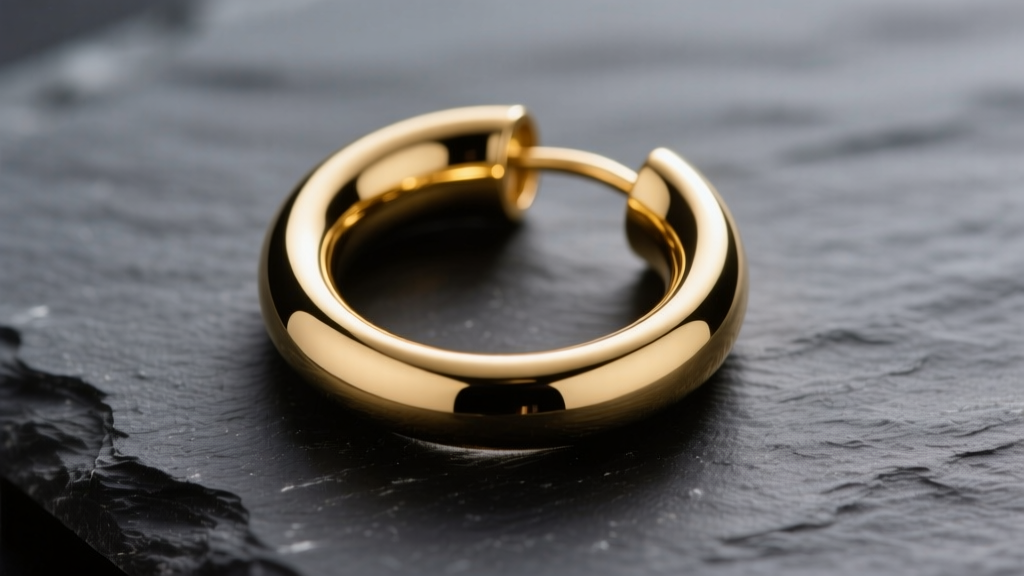
The line between fine jewelry and costume accessories has completely blurred in 2026, giving rise to the booming category of gold fashion earrings. These pieces offer the luxurious aesthetic of solid gold without the prohibitive price tag of high-jewelry collections. However, the term 'fashion' is frequently exploited by fast-fashion brands to mask poor metallurgy, resulting in earrings that tarnish, bend, or cause contact dermatitis within weeks. As a buyer, understanding the precise differences between gold plating, vermeil, gold-filled, and solid alloy constructions is the only way to protect your investment and your earlobes.
This comprehensive buying guide cuts through the marketing jargon. We will examine the exact micron counts, alloy compositions, and hardware mechanics you must scrutinize before adding gold fashion earrings to your collection.
The 'Gold Fashion' Spectrum: Decoding the Terminology
When shopping for gold fashion earrings, you will encounter four primary categories of gold application. The Federal Trade Commission (FTC) Jewelry Guides strictly regulate these terms, yet many overseas manufacturers ignore them. Here is what you are actually buying:
1. Gold Plated (Flash Plated)
Flash plating involves electroplating a microscopic layer of gold (usually less than 0.5 microns) over a base metal like brass or copper. While incredibly cheap, the gold layer wears off rapidly, exposing the base metal to oxygen and skin oils. Verdict: Avoid for everyday wear; reserve strictly for occasional, trend-driven statement pieces.
2. Gold Vermeil
Vermeil (pronounced ver-may) is a significant step up. By legal definition, vermeil must feature a sterling silver (.925) base coated with a minimum of 2.5 microns of gold that is at least 10 karats. Because the base is silver, it is inherently hypoallergenic. Verdict: Excellent for intricate drop earrings and ear cuffs where solid gold would be too heavy or expensive.
3. Gold-Filled
Gold-filled jewelry is created by mechanically bonding a thick layer of solid gold to a brass core using heat and pressure. The gold layer must constitute at least 5% (or 1/20th) of the total weight of the item. This results in a gold layer that is up to 100 times thicker than standard plating. Verdict: The undisputed champion of gold fashion earrings for everyday hoops and huggies.
4. Solid Gold Alloys
While technically 'fine' jewelry, many minimalist solid gold studs and small huggies are priced and marketed within the fashion tier. These are cast or forged entirely from gold mixed with strengthening alloys.
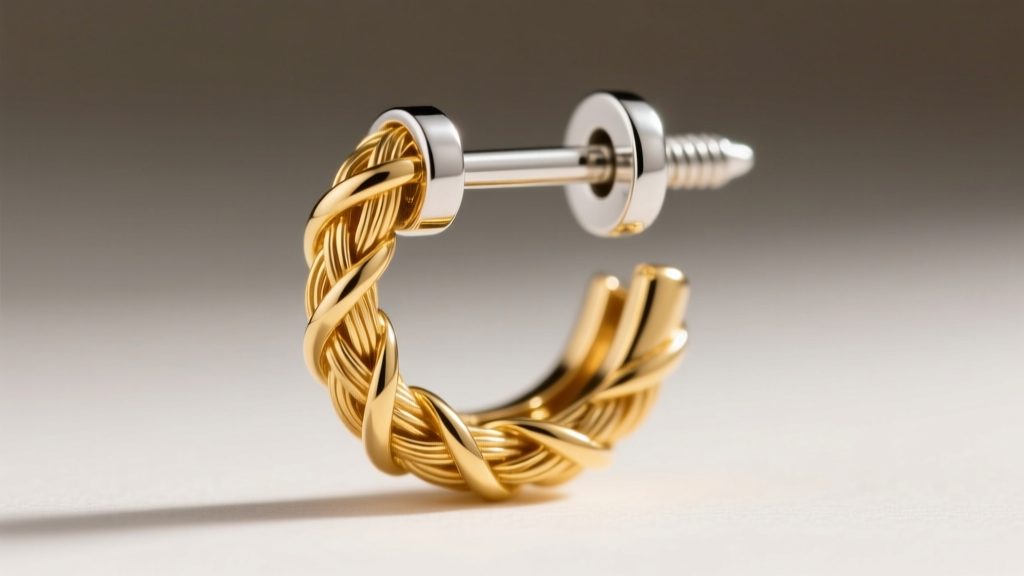
Metallurgy Matters: Karats, Alloys, and Skin Sensitivities
Pure 24-karat gold is far too soft for earring posts, clasps, or structural hoops. It will bend under the weight of a dangle or snap inside a piercing. Therefore, gold is alloyed with other metals. The Gemological Institute of America (GIA) notes that the specific alloy mix drastically affects both the color and the biocompatibility of the earring.
- 10k Gold (41.7% Gold): Highly durable but lacks the rich yellow hue of higher karats. Often alloyed with higher copper or nickel content, making it a common culprit for allergic contact dermatitis.
- 14k Gold (58.3% Gold): The industry sweet spot for fashion earrings. It offers an optimal balance of structural integrity, tarnish resistance, and a warm color profile. Most high-quality gold-filled and vermeil pieces use 14k gold layers.
- 18k Gold (75% Gold): Prized for its deep, buttery yellow color and hypoallergenic properties (as it contains less base metal). However, 18k gold is softer, making it less ideal for thin wire hooks or friction-back posts that require tension to stay in the ear.
Expert Tip: If you have nickel sensitivities, always verify the base metal of gold fashion earrings. Even if the gold layer is thick, a micro-scratch down to a nickel-containing brass core will trigger an immediate allergic reaction.
Hardware & Failure Points: What Breaks First?
The most common reason gold fashion earrings end up in the trash is not the gold wearing off, but catastrophic hardware failure. When evaluating a pair, inspect the following mechanical components:
The Post and Clasp Mechanism
Standard 'butterfly' friction backs rely on the tension of the metal scroll. In cheaper fashion earrings, this metal fatigues within months, leading to lost earrings. For any gold fashion earring costing over $50, demand secure screw-backs or locking la-poussette backs. If buying hoops, look for continuous clickers with a satisfying, audible 'snap' that indicates a precisely machined hinge, rather than a loose snap-hinge that will eventually warp open.
Hollow vs. Solid Tubing
Large gold fashion hoops are frequently made from hollow tubing to keep the weight (and material cost) down. While comfortable, hollow tubing is highly susceptible to denting and crushing. If you sleep in your hoops or lead an active lifestyle, opt for solid wire hoops or heavily reinforced semi-hollow designs.

2026 Pricing Benchmarks: What Should You Actually Pay?
Pricing in the fashion earring market is notoriously opaque. To help you identify fair market value versus inflated brand markups, we have compiled a pricing matrix based on current 2026 precious metal markets and standard manufacturing costs for mid-tier independent jewelers.
| Earring Style | Material Construction | Fair Price Range (2026) | Expected Lifespan |
|---|---|---|---|
| Simple Studs (4mm-6mm) | Gold Vermeil (Sterling Base) | $35 - $65 | 1 - 3 Years |
| Classic Hoops (20mm-30mm) | 14k Gold-Filled | $60 - $110 | 5 - 10+ Years |
| Intricate Drop/Dangle | 18k Gold Plated over Brass | $25 - $45 | 6 - 12 Months |
| Textured Huggies | Solid 14k Gold | $180 - $350 | Lifetime |
The Pre-Purchase Inspection Checklist
Before clicking 'checkout' or handing over your credit card in a boutique, run the gold fashion earrings through this five-point physical or digital inspection:
- Verify the Stamp: Look for '14k GF' (Gold Filled), '925' with a gold hallmark (Vermeil), or '14k'/'18k' (Solid). Unstamped items are almost always flash-plated brass.
- Check the Weight: Pick up the earrings. If a large hoop feels impossibly light, it is hollow tubing. If a solid-looking drop earring feels unusually heavy, it is likely dense brass or steel beneath a thin gold veneer.
- Inspect the Joints: Look at where the earring post meets the decorative head. It should be a clean solder joint or laser weld. Visible glue or messy, porous casting bubbles indicate mass-produced, low-quality manufacturing.
- Test the Clasp Tension: Open and close the clasp three times. It should offer smooth, consistent resistance. A clasp that feels gritty or wiggles laterally will fail quickly.
- Read the Return Policy on Tarnish: Reputable fashion jewelry brands will offer a minimum 1-year warranty against plating loss or tarnishing under normal wear conditions. If the brand considers tarnish 'normal wear and tear' after 30 days, walk away.
By prioritizing material transparency and mechanical integrity over fleeting trends, you can curate a collection of gold fashion earrings that look luxurious, feel comfortable, and stand the test of time.


