Gold Filigree Earrings: 2026 Trend Analysis & Styling Guide
Discover the 2026 trends for gold filigree earrings. Learn how to style intricate lace-like gold designs, choose the right karat, and avoid snagging.

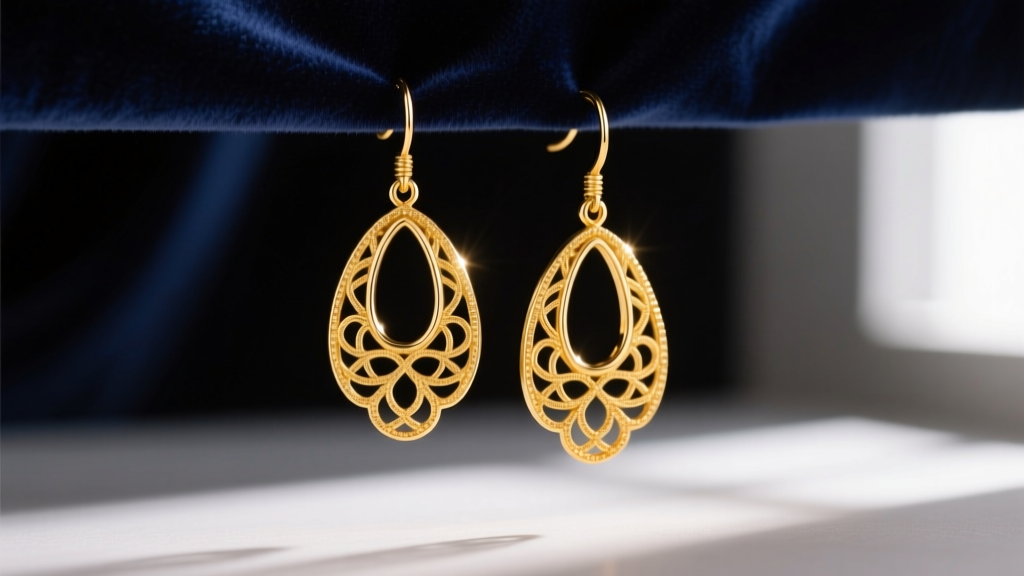
The jewelry landscape of 2026 has decisively pivoted away from the heavy, maximalist gold chunks that dominated the early 2020s. In their place, a renaissance of meticulous, lace-like metalwork has taken center stage. Gold filigree earrings—characterized by their delicate, openwork wire patterns and vintage-inspired motifs—are now the definitive statement piece for the discerning collector. But beyond their ethereal beauty, filigree represents a complex intersection of metallurgical science, artisanal craftsmanship, and structural engineering. As a style radar analyst, I am breaking down the definitive trends, manufacturing realities, and styling frameworks you need to know before investing in this intricate category.
The 2026 Shift: From Maximalist Bulk to Intricate Openwork
According to industry trend forecasters at JCK Online, the 2026 consumer is prioritizing 'quiet complexity' over overt weight. Gold filigree earrings perfectly encapsulate this ethos. Rather than relying on the sheer mass of a solid gold hoop, modern filigree leverages negative space. The interplay of light passing through microscopic gold wires creates a visual texture that solid metal simply cannot replicate. This year, we are seeing a surge in neo-Victorian and Art Deco revival patterns, but with a distinctly modern, streamlined edge. Think geometric Etruscan scrolls paired with bezel-set lab-grown diamonds, or elongated teardrop silhouettes that mimic the fragility of a spiderweb while maintaining structural rigidity.
Decoding Filigree Manufacturing: Cast vs. Die-Struck vs. Hand-Wrought
Not all gold filigree earrings are created equal. The method used to form the intricate wires drastically dictates the piece's longevity, detail, and price point. Understanding these manufacturing techniques is critical for evaluating quality.
| Method | Process | Durability | Detail Level | Price Range |
|---|---|---|---|---|
| Cast | Molten gold poured into a mold | Low (prone to porosity) | Muddy, rounded edges | $150 - $400 |
| Die-Struck | Gold sheet stamped under immense pressure | High (dense grain structure) | Sharp, crisp wires | $400 - $1,200 |
| Hand-Wrought | Artisan solders individual wires by hand | Variable (depends on solder joints) | Unmatched, unique | $1,500 - $5,000+ |
Mass-market brands often use casting to mimic the filigree look. However, cast 'filigree' is essentially solid gold with holes cut out, resulting in thick, rounded edges and a high risk of internal porosity (tiny air bubbles that weaken the metal). For genuine, lace-like delicacy, you want die-struck or hand-wrought pieces. Die-striking compresses the gold molecules, increasing tensile strength and allowing for razor-sharp wire edges that catch the light brilliantly.
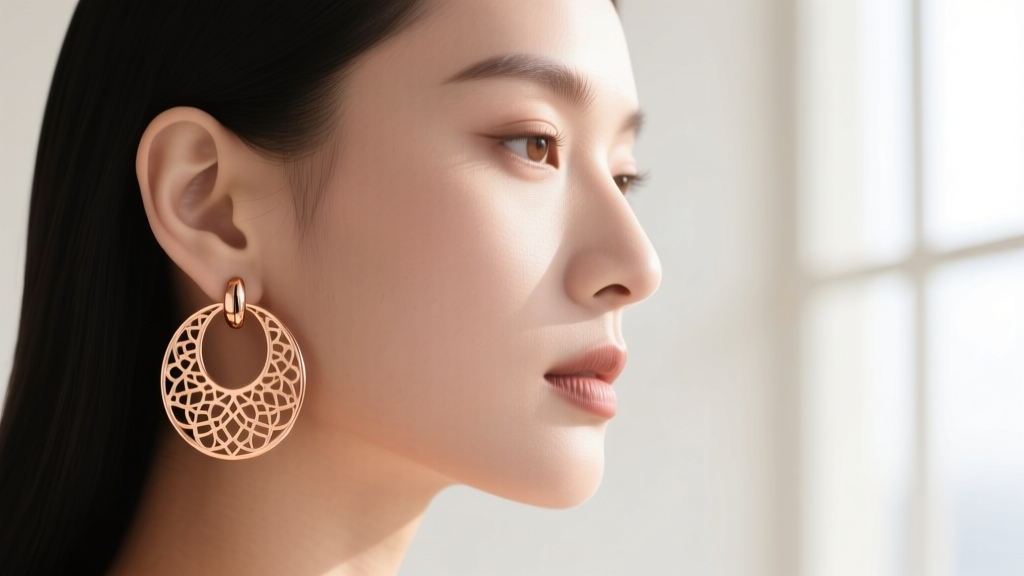
Metallurgical Realities: Why 14K Outperforms 18K in Openwork
When browsing luxury jewelers, the instinct is often to seek out 18-karat gold for its richer color and higher purity. However, in the realm of openwork filigree, 18K gold is often a structural liability. Pure gold is inherently soft. An 18K alloy (75% gold) has a Vickers hardness rating of approximately 110-125 HV. When spun into wires thinner than 0.5mm—the standard for high-quality filigree—18K gold lacks the tensile strength to resist warping when snagged on clothing or hair.
Conversely, 14-karat gold (58.5% gold, alloyed with copper, silver, and zinc) boasts a Vickers hardness of 130-150 HV. This slight increase in alloy content provides the vital rigidity required to maintain the geometric integrity of intricate webs and scrolls over decades of daily wear. As noted by the gemological experts at the Gemological Institute of America (GIA), the alloy composition must always be matched to the structural demands of the jewelry design. For filigree dangles and hoops that experience high kinetic movement, 14K gold is the superior, expert-recommended choice.
Face Shape Dynamics and Placement Strategy
Because filigree introduces intense visual complexity, scaling and placement are paramount. The negative space within the earring interacts directly with your facial geometry.
- Round Faces: Opt for elongated filigree drop earrings or chandeliers. The vertical lines and openwork draw the eye downward, creating a slimming, lengthening illusion. Avoid wide, circular filigree hoops that echo the face's natural curvature.
- Square Faces: Soften angular jawlines with curved filigree huggies or oval-shaped dangles featuring organic, floral scrollwork. The intricate curves contrast beautifully with sharp bone structure.
- Heart-Shaped Faces: Balance a narrower chin with teardrop or pear-shaped filigree designs that carry more visual weight at the bottom of the lobe.
- Cartilage & Helix Placements: Filigree ear cuffs and flat-back studs are trending heavily in 2026. A 16-gauge or 18-gauge filigree shield placed on the upper helix adds a 'lace veil' effect to the ear profile without requiring additional piercings.
The 'Snag Factor': Real-World Wearability and Maintenance
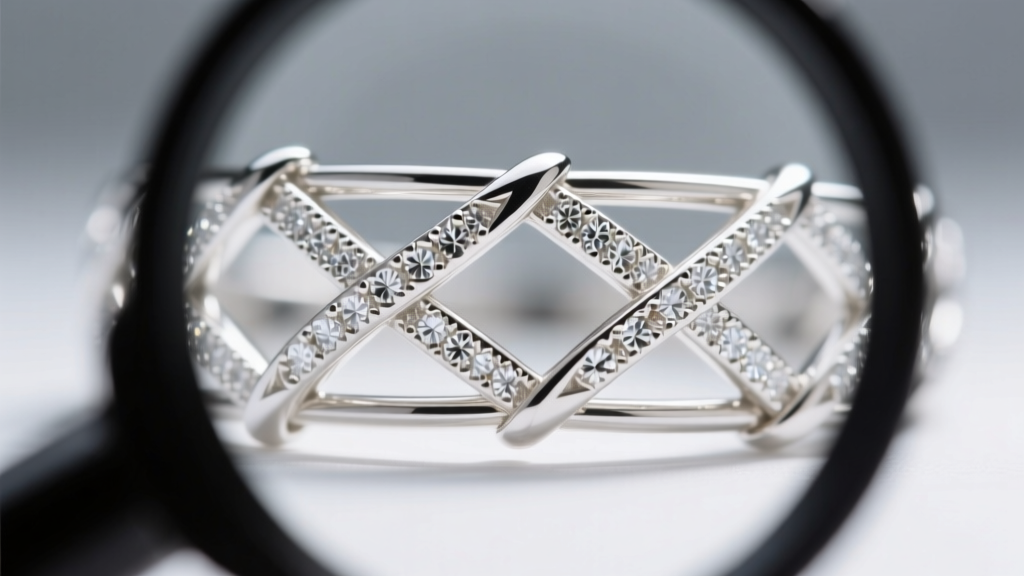
The Achilles heel of any openwork jewelry is its propensity to snag. Filigree wires act like microscopic hooks that can easily catch on cashmere sweaters, lace blouses, and loose hair. To mitigate this, look for designs that feature a 'sealed backplate' or bezel-set accent stones that anchor the outer wires, reducing exposed endpoints.
Maintenance also requires a paradigm shift. Never place gold filigree earrings in an ultrasonic cleaner. The high-frequency vibrations can easily fracture the delicate solder joints where the microscopic wires meet the main frame. Instead, clean your filigree pieces using a soft-bristled baby toothbrush, warm water, and a drop of mild dish soap, gently sweeping through the negative spaces to remove skin oils and lotion buildup that can dull the gold's luster.
Final Verdict: Is Filigree Right for Your Daily Rotation?
Gold filigree earrings are not merely a fleeting 2026 trend; they are a testament to the enduring appeal of master craftsmanship. They demand a more mindful wearer—someone willing to navigate the snag factor and commit to gentle cleaning routines. However, the reward is a level of sophistication, light-play, and historical resonance that solid gold simply cannot achieve. Whether you choose a pair of die-struck 14K yellow gold drops for the office or hand-wrought 18K rose gold huggies for evening wear, filigree offers a masterclass in the art of wearable sculpture.


