A Beginner's Guide to Choosing and Styling Van Gogh Earrings
Discover how to choose, style, and care for Van Gogh earrings. Learn about enamel types, hypoallergenic posts, and face-shape matching in our guide.

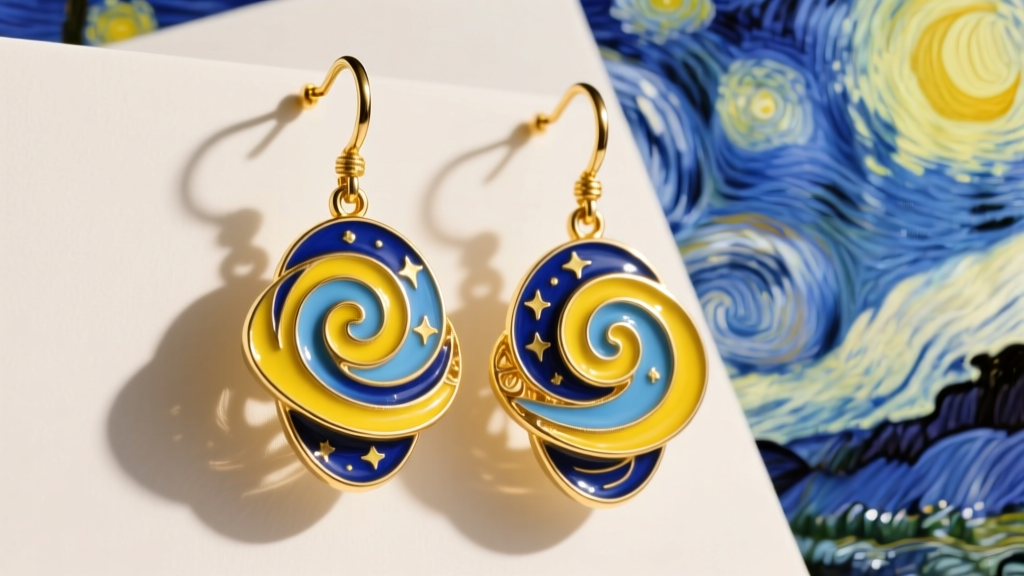
Art-inspired jewelry has transcended museum gift shops to become a staple in everyday fashion. Among the most coveted pieces are Van Gogh earrings, which translate the post-impressionist master’s iconic brushstrokes into wearable art. Whether you are drawn to the swirling blues of The Starry Night or the vibrant yellows of Sunflowers, these earrings offer a unique way to express your aesthetic. However, navigating the world of enameled and painted jewelry requires an understanding of materials, metal allergies, and structural quality. This beginner-friendly explainer will guide you through everything you need to know to choose, style, and maintain your art-inspired earrings.
Decoding the Materials: Enamel and Base Metals
The defining feature of most Van Gogh earrings is the use of enamel to replicate the painter's vivid color palettes. But not all enamel is created equal. Understanding the difference between hot and cold enamel is crucial for assessing durability and price.
- Vitreous (Hot) Enamel: This is glass powder fused to metal at extremely high temperatures (around 1,500°F). It is highly durable, scratch-resistant, and possesses a luminous, translucent quality. High-end art jewelry often uses this technique, but it is more expensive and fragile if dropped on hard surfaces.
- Epoxy (Cold) Enamel: A resin-based alternative that is painted onto the metal and cured at lower temperatures. It is the standard for most affordable, mass-market Van Gogh earrings. While it offers brilliant, opaque colors, it is prone to chipping and can yellow over time if exposed to UV light and harsh chemicals.
The base metal beneath the enamel also dictates the earring's weight and longevity. Brass and copper are excellent bases for hot enamel because they can withstand the kiln's heat. Conversely, zinc alloys are commonly used for cold enamel fashion jewelry but can feel heavy and are prone to corrosion if the plating wears off.
Post Gauge, Backings, and Allergy Safety
The most beautiful enamel work is useless if the earring post causes contact dermatitis. When shopping for Van Gogh studs or dangles, you must pay close attention to the post material and gauge size.
Understanding Gauge Sizes
The standard thickness for lobe earring posts is 20-gauge (0.81mm). Some heavier dangle styles may use a slightly thicker 18-gauge (1.02mm) post for structural integrity. If you have recently pierced ears or sensitive fistulas, stick to 20G or 18G to avoid stretching or irritating the tissue. Avoid novelty earrings with unusually thick or thin posts that might not fit standard butterfly clutches.
Hypoallergenic Metals
According to the Mayo Clinic, nickel allergy is one of the most common causes of allergic contact dermatitis. Many cheap fashion earrings use nickel-heavy base metals for the post, leading to itchy, swollen earlobes. Always look for the following materials:
- ASTM F-136 Titanium: The gold standard for sensitive ears. It is entirely nickel-free, lightweight, and biocompatible.
- 316L Surgical Stainless Steel: Contains trace amounts of nickel, but it is tightly bound in the alloy and generally safe for most people unless they have a severe allergy.
- 925 Sterling Silver: A classic choice, though some people react to the copper alloyed within it. Ensure it is plated with rhodium for extra protection.
| Post Material | Nickel Risk | Durability | Price Range |
|---|---|---|---|
| ASTM F-136 Titanium | None | Excellent (Will not bend easily) | $25 - $60 |
| 316L Surgical Steel | Very Low | High (Can bend under pressure) | $15 - $40 |
| 925 Sterling Silver | Low/Moderate | Moderate (Soft, bends easily) | $20 - $50 |
| Brass / Zinc Alloy | High | Poor (Corrodes, causes reactions) | $5 - $15 |
Matching Motifs to Face Shapes and Styles
Van Gogh’s diverse body of work lends itself to various earring silhouettes. Choosing the right shape can enhance your facial features while showcasing the art.
Studs for Round and Oval Faces
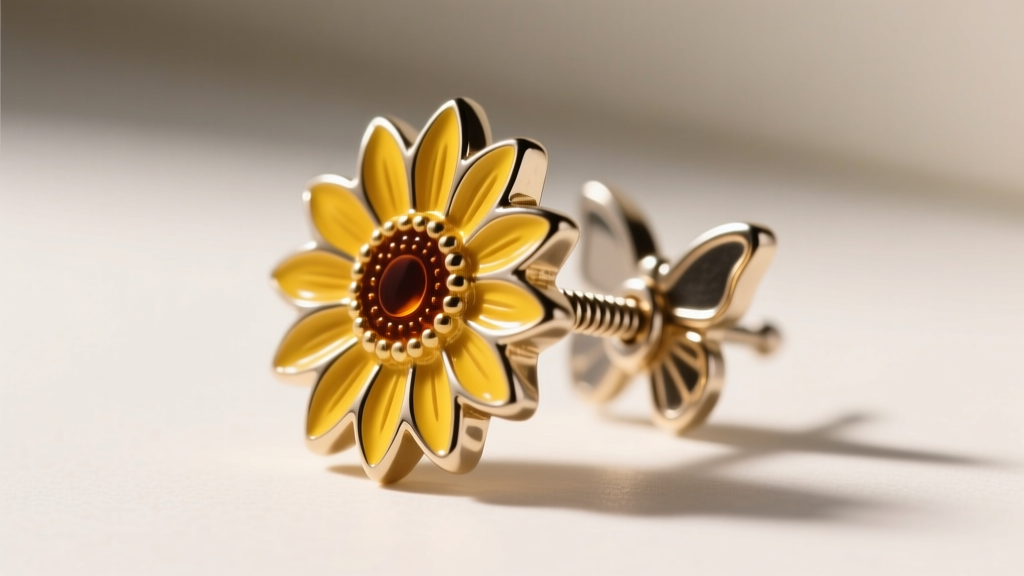
Round enamel studs featuring Sunflowers or The Bedroom are universally flattering but work exceptionally well for oval faces that can pull off any proportion. For round faces, geometric studs (like square or rectangular palettes) help add subtle angles and structure to soft jawlines.
Dangles and Drops for Square and Heart Faces
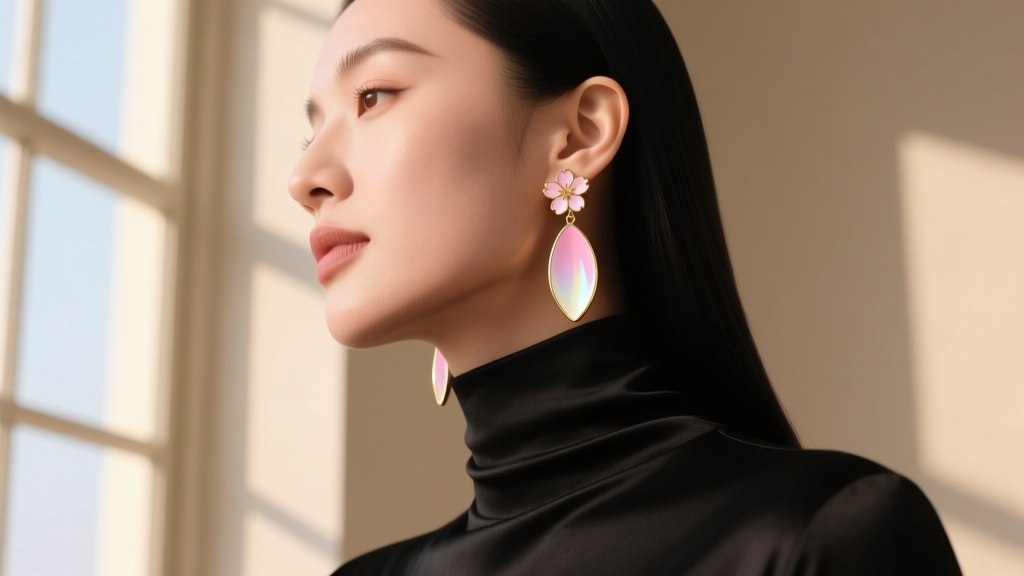
Long, teardrop-shaped dangles featuring the delicate branches of Almond Blossom or the sweeping strokes of Wheatfield with Crows create a vertical line that elongates the face. This is highly recommended for square or heart-shaped faces, as the downward movement softens angular jawlines and balances a wider forehead.
Huggies and Hoops for Diamond Faces
Small, enameled huggie hoops that hug the earlobe provide width at the ear, which beautifully balances the narrow forehead and chin characteristic of diamond face shapes. Look for huggies that feature continuous Starry Night swirls wrapping around the metal.
Spotting Quality and Avoiding Fast-Fashion Fakes
The market is flooded with unauthorized, low-quality replicas of museum jewelry. To ensure you are getting a piece that honors the artwork and will last, look for official licensing. Authentic collaborations are typically found through institutions like the Van Gogh Museum Shop or the MoMA Design Store.
"Authentic museum-licensed jewelry not only ensures a portion of your purchase supports the arts, but it also guarantees that the color-matching of the enamel has been overseen by curators to accurately reflect the original painting's palette."
Inspect the hardware closely. High-quality Van Gogh earrings will have smooth, flush enamel with no bleeding over the gold or silver cloisons (the metal lines separating colors). The jump rings connecting dangles to the ear wire should be soldered shut or perfectly flush to prevent the earring from pulling apart.
Care and Maintenance for Enameled Jewelry
Enamel, whether vitreous glass or epoxy resin, requires specific care to prevent dulling, chipping, or chemical damage. Follow these actionable maintenance steps to preserve your art earrings:
- The 'Last On, First Off' Rule: Always put your earrings on after applying perfume, hairspray, and lotions. The alcohol and chemicals in cosmetics can dissolve the protective top-coat on cold enamel, causing it to become tacky or cloudy.
- Avoid Ultrasonic Cleaners: Never put enameled jewelry in an ultrasonic cleaner. The high-frequency vibrations can shatter vitreous enamel or cause resin enamel to separate from the metal base.
- Gentle Cleaning: Use a soft, lint-free microfiber cloth dampened with warm water and a drop of mild dish soap to gently wipe the enamel surface. Dry immediately with a separate soft cloth to prevent water spots on the metal plating.
- Storage: Store your earrings in a soft pouch or a lined jewelry box. Enamel can be scratched by harder gemstones or diamonds if tossed loosely into a jewelry dish.
By understanding the materials, prioritizing hypoallergenic posts, and matching the silhouette to your face shape, you can confidently wear Van Gogh earrings as a sophisticated, everyday statement piece.


