Gold Earrings Knots: Ultimate Buying Guide & What to Look For
Discover what to look for when buying gold earrings knots. Our expert guide covers karat weights, casting quality, snag risks, and pricing.

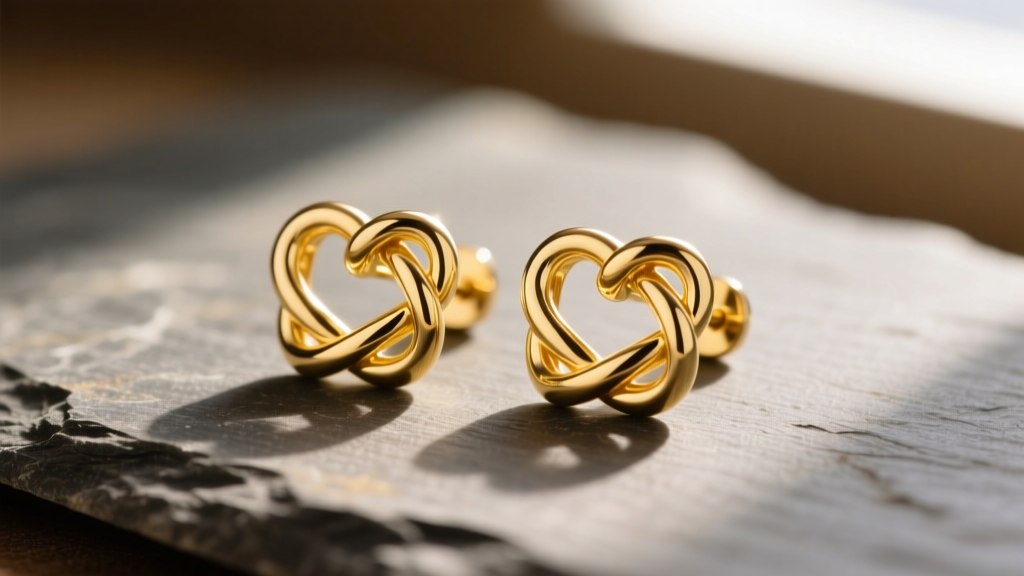
Knot earrings have long been revered as symbols of eternity, loyalty, and unbreakable connections. However, when shopping for gold earrings knots, the romantic symbolism must be balanced with rigorous metallurgical and structural scrutiny. The intricate overlapping loops, tight crevices, and complex geometries inherent to knot designs introduce unique vulnerabilities that simpler stud or hoop earrings do not possess.
As we navigate the jewelry market in 2026, mass-produced cast pieces often mask structural flaws beneath high-polish finishes. This comprehensive buying guide will equip you with the expert-level knowledge required to evaluate craftsmanship, select the optimal gold alloy for intricate knotwork, and avoid costly design failures.
Decoding Knot Styles: Love, Sailor, and Celtic
Before evaluating the metal, you must understand the structural implications of the specific knot design you are considering. Not all gold earrings knots are created equal regarding daily wearability and snag resistance.
- The Love Knot (Infinity Knot): Characterized by interlocking, asymmetrical loops. While visually dynamic, the protruding loops are highly susceptible to catching on hair and knitwear. Look for designs where the loops are tightly nested rather than loosely sprawling.
- The Sailor Knot (Reef Knot): A flat, symmetrical design that lies flush against the earlobe. This is the most practical choice for active lifestyles, as its low-profile geometry minimizes snagging while maintaining a classic nautical aesthetic.
- The Celtic Knot: Features continuous, unbroken lines with complex over-under weaving. These require master-level casting or meticulous wire-wrapping. The tight internal angles are notorious for trapping sebum and cosmetics, demanding rigorous maintenance.
Metallurgy Matters: 14K vs. 18K Gold for Intricate Knots
When dealing with complex shapes, the purity of the gold directly impacts the structural integrity of the earring. According to the Gemological Institute of America (GIA), pure 24K gold is far too malleable for jewelry, necessitating the use of alloyed metals. But which alloy is best for knots?
The Case for 14K Gold (58.5% Pure Gold)
For intricate knot designs featuring thin wire sections or sharp bends, 14K gold is often the superior choice. The higher concentration of alloy metals (such as copper, silver, and zinc) increases the tensile strength and hardness of the metal. If a love knot earring is accidentally bent out of shape, 14K gold is more likely to hold its form and is easier for a jeweler to reshape without fracturing the metal's crystalline structure.
The Case for 18K Gold (75% Pure Gold)
18K gold offers a richer, warmer yellow hue and is hypoallergenic for most wearers. However, its softer nature means that delicate, elongated knot drops can warp under the tension of heavy wear. If you opt for 18K gold earrings knots, ensure the design features a thicker gauge wire or a solid, cast body rather than thin, hollow tubing.
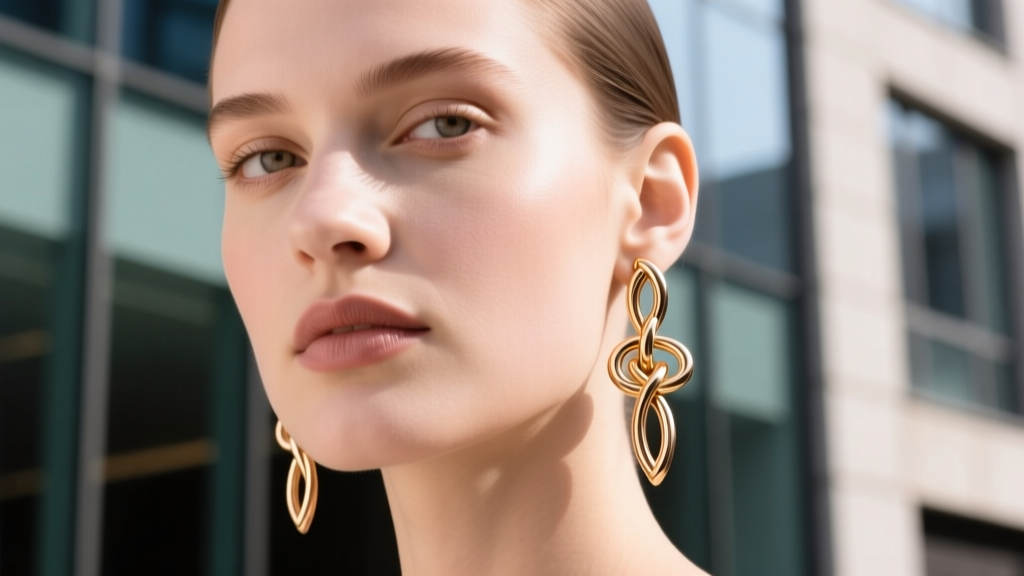
Craftsmanship Red Flags: Porosity and Solder Joints
The majority of gold knot earrings on the market are created via investment casting. While this allows for complex 3D shapes, it introduces specific failure modes that you must inspect before purchasing.
Spotting Casting Porosity
Porosity occurs when microscopic gas bubbles become trapped in the molten gold as it cools in the mold. In knot earrings, these bubbles frequently surface in the tight, hidden crevices where the metal loops overlap. Inspect the inner curves of the knot with a jeweler's loupe. If you see tiny pits or a 'grainy' texture in the shadows of the knot, the piece has high porosity. Over time, these microscopic holes will trap dirt and weaken the structural integrity of the loop.
Evaluating Solder Joints
Some knot designs are not cast as a single piece but are constructed from multiple wire segments soldered together. Run your fingernail gently over the intersections of the knot. You should not feel any rough bumps, ridges, or color mismatches. A poorly flushed solder joint will not only snag on delicate fabrics but also represents a weak point where the earring could eventually snap.
Post Thickness and Backing Security
A common oversight when buying gold earrings knots is ignoring the post and backing mechanism. Knot designs, particularly drops and dangles, carry more weight and experience more rotational torque than simple studs.
| Component | Standard Specification | Expert Recommendation for Knots |
|---|---|---|
| Post Gauge | 20G (0.81mm) | 18G (1.02mm) to prevent the 'cheese-cutter' effect on the earlobe caused by the weight of the knot. |
| Backing Type | Standard Friction Push | Screw-backs or Omega clips to counteract the rotational pull of asymmetrical knot designs. |
| Post Length | 10mm | 11mm - 12mm to accommodate thicker earring backs required for heavier knot drops. |
Proportion and Face Shape Matrix
The visual weight of a gold knot can easily overwhelm delicate facial features or get lost on larger face shapes. Use this framework to select the correct scale and orientation of your knot earrings.
- Round Faces: Avoid wide, horizontal love knots. Opt for elongated sailor knot drops or vertical infinity pendants to create a lengthening illusion.
- Square Faces: Soften strong jawlines with curved, organic Celtic knots or rounded love knot hoops. Avoid geometric, angular knot variations.
- Heart-Shaped Faces: Balance a narrower chin with wider, horizontally oriented knot studs or huggies that feature knot motifs at the base.
- Oval Faces: The universal shape. You can confidently wear any knot style, from tight micro-knot studs to dramatic, oversized interlocking drop earrings.
Real-World Pricing: What to Expect in 2026
Pricing for gold earrings knots varies wildly based on manufacturing techniques (die-struck vs. cast), gold weight, and brand prestige. Below is a realistic pricing matrix for solid gold knot earrings (excluding pave diamond accents).
| Style & Karat | Average Gold Weight | Expected Retail Price Range |
|---|---|---|
| 14K Yellow Gold Micro Love Knot Studs | 0.8g - 1.2g | $85 - $140 |
| 18K Rose Gold Sailor Knot Drops | 2.5g - 3.5g | $350 - $550 |
| 14K White Gold Celtic Knot Huggies | 3.0g - 4.5g | $280 - $420 |
| 18K Yellow Gold Oversized Infinity Hoops | 6.0g - 9.0g | $700 - $1,100+ |
Note: Prices reflect intrinsic metal value plus standard craftsmanship markups. Designer or heritage brands will command a 100% to 300% premium over these baselines.
Maintenance: Cleaning the Crevices
The overlapping nature of knot earrings makes them magnets for lotion, hairspray, and dead skin cells. Proper maintenance is non-negotiable to preserve the brilliance of the gold.
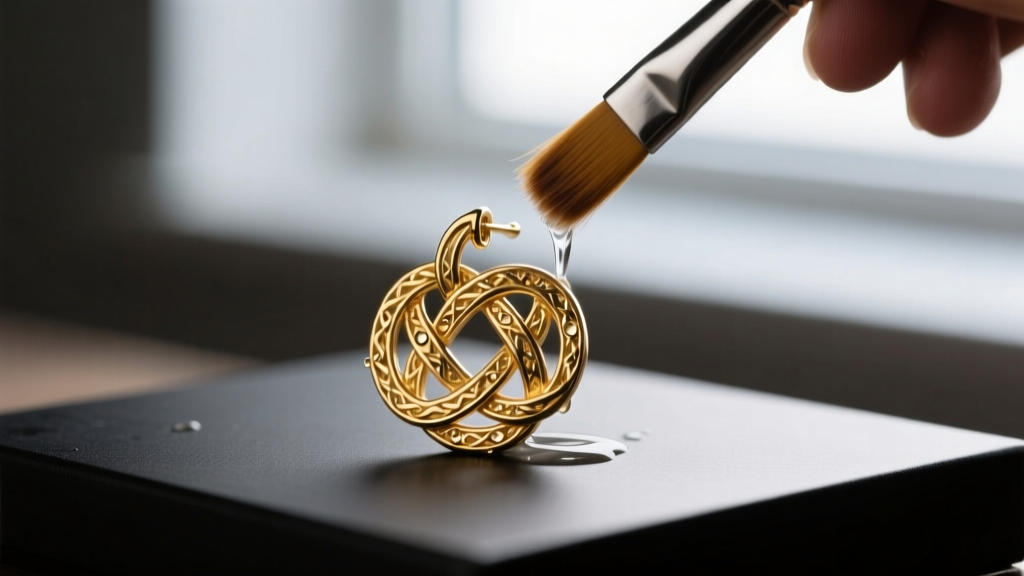
According to Jewelers of America, regular at-home cleaning is essential for intricate pieces. Here is the expert-approved protocol for cleaning gold knot earrings:
- The Soak: Mix a few drops of phosphate-free dish soap into a bowl of lukewarm (not hot) water. Let the earrings soak for 15 minutes to loosen sebum trapped in the undercuts.
- The Agitation: Use a baby toothbrush or a specialized jewelry brush with ultra-soft bristles. Gently brush the crevices where the knot loops intersect. Never use hard bristles, as they will leave micro-scratches on the gold alloy.
- The Rinse and Dry: Rinse thoroughly under lukewarm running water. Pat dry with a lint-free microfiber cloth. Avoid tissue paper, which can leave fibers caught in the intricate knotwork.
Expert Warning: Avoid placing knot earrings with pave-set diamonds into ultrasonic cleaners. The high-frequency vibrations can easily loosen the tiny prongs holding the melee diamonds, especially in the flexible, overlapping loops of a love knot design.
Final Verdict: Investing in Timeless Symbolism
When shopping for gold earrings knots, prioritize structural integrity over sheer carat weight. A meticulously cast 14K sailor knot with an 18G post will outlast and outperform a porous, flimsy 18K design every time. By scrutinizing the alloy composition, inspecting the crevices for casting flaws, and matching the knot geometry to your lifestyle and face shape, you secure a piece of jewelry that truly embodies the eternal bond it represents.


