Why Your Earring Smells Bad and How to Clean It Safely
Discover why your earring smells bad and follow our step-by-step guide to eliminate odor, clean your jewelry, and heal your piercing safely.

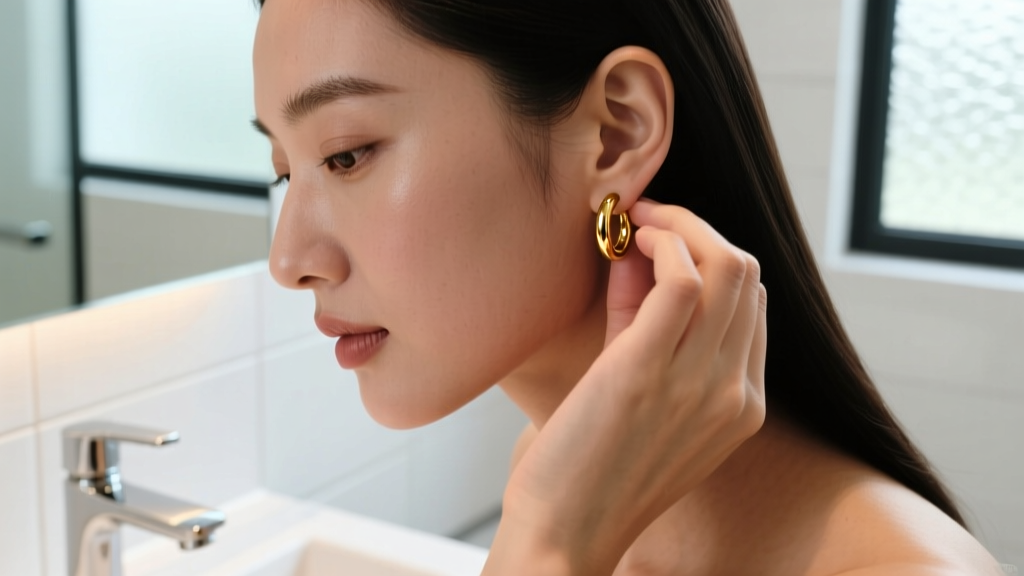
The Biology of Piercing Odor: What is "Ear Cheese"?
When you notice that your earring smells bad, you are experiencing a very common biological phenomenon colloquially known in the body modification community as "ear cheese." This distinct, often pungent odor is not a sign of poor personal hygiene, but rather a natural byproduct of how your skin interacts with foreign objects. The fistula—the tube of skin that forms around your piercing jewelry—is a living organ that continuously sheds dead skin cells and secretes sebum (natural body oil).
When sebum and dead keratinocytes become trapped between the jewelry and the fistula wall, they create an ideal breeding ground for naturally occurring skin flora, particularly Staphylococcus hominis and Corynebacterium species. These bacteria break down the trapped proteins and lipids, releasing isovaleric acid. This specific acid is the exact same compound responsible for the smell of certain aged cheeses and foot odor. The thicker the gauge of your earring—such as a 14G (1.6mm) or 12G (2.0mm) piece—the more surface area exists for this debris to accumulate, making larger jewelry significantly more prone to developing an odor if not cleaned properly.
Step-by-Step Guide: How to Clean Smelly Earrings and Piercings
Eliminating the odor requires a two-pronged approach: deep-cleaning the jewelry itself and irrigating the fistula. Follow this professional protocol to safely reset your piercing environment without causing micro-tears or contact dermatitis.
Step 1: Preparation and Safe Removal
Wash your hands thoroughly with an antibacterial soap or a chlorhexidine-based surgical scrub. If your piercing is fully healed (minimum 6-8 weeks for lobes, 6-12 months for cartilage), gently remove the earring. If you feel resistance, do not force it; apply a drop of sterile saline to the entry and exit points to soften any dried lymph or sebum crusts. Forcing jewelry through a dry fistula causes micro-trauma, which triggers inflammation and excess sebum production.
Step 2: The Jewelry Soak (Ultrasonic vs. Chemical)
Do not use rubbing alcohol or hydrogen peroxide to clean your jewelry, as these degrade certain gemstones and can warp acrylic or silicone components. Instead, use one of the following methods:
- Ultrasonic Cleaning (Best for intricate designs): Place your metal earrings (titanium, niobium, or solid gold) in a 40kHz ultrasonic cleaner filled with warm water and a few drops of mild, fragrance-free dish soap (like Dawn). Run it for 3 minutes. The cavitation bubbles will dislodge microscopic sebum plugs from threading and gemstone settings.
- Chemical Soak (Best for simple studs and hoops): Submerge the jewelry in a small glass bowl of warm, sterile 0.9% isotonic saline solution for 10 minutes. Use a clean, soft-bristled toothbrush dedicated only to jewelry cleaning to gently brush the posts and clasps.
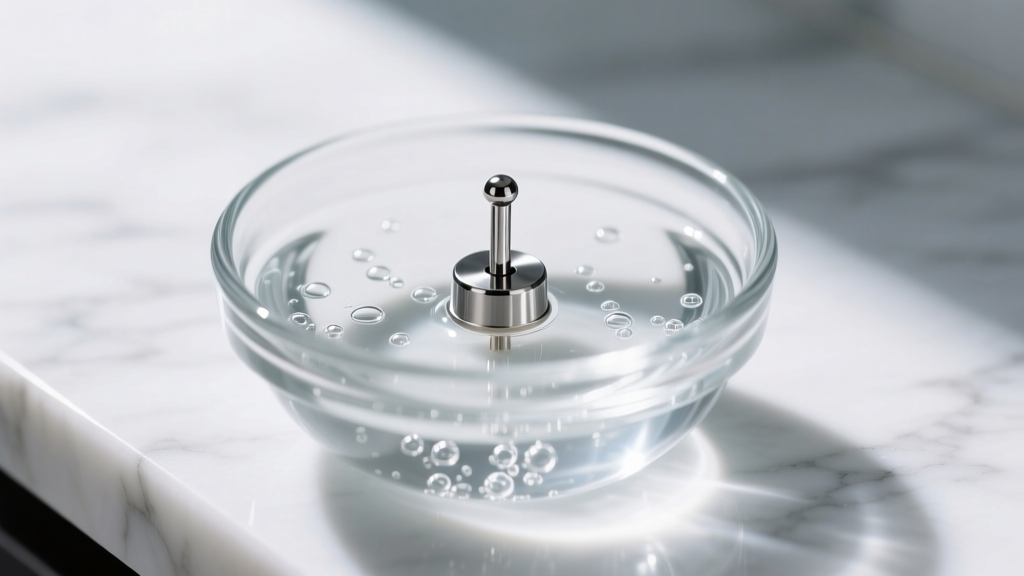
Step 3: Fistula Irrigation
While the jewelry is soaking, clean the piercing site. Saturate a sterile, non-woven gauze pad with 0.9% sterile saline wound wash (ensure the only ingredients are water and sodium chloride, with no benzalkonium chloride or aloe additives). Gently wipe the entry and exit points of the piercing. Avoid using cotton swabs (Q-tips), as they can leave microscopic fibers inside the fistula that trap bacteria and exacerbate the smell.
Step 4: Drying and Reinsertion
Moisture trapped in the fistula breeds yeast and bacteria. Use a hairdryer on the "cool" setting to completely dry the piercing site from a distance of 6 inches. Ensure your jewelry is completely dry and polished with a microfiber cloth before reinserting it. If the post feels dry or sticky, lubricate it with a microscopic drop of pure, cold-pressed jojoba oil or vitamin E oil to help it glide through the fistula smoothly.
Material Science: Which Metals Prevent Earring Odor?
If your earring smells bad despite regular cleaning, the culprit is often the metal itself. Many commercial earrings are made from "surgical steel" or brass alloys plated in silver or gold. These metals are highly porous at a microscopic level, harboring bacteria deep within their grain structure. Furthermore, the nickel content in lower-grade steels triggers mild allergic contact dermatitis, causing the fistula to weep clear fluid that rapidly turns foul-smelling when it degrades.
According to the Association of Professional Piercers (APP), only specific, highly polished, implant-grade materials should be worn in long-term piercings to maintain a neutral biological environment.
| Metal Grade | Odor Resistance | Porosity & Biocompatibility | Average Price Range (Per Pair) |
|---|---|---|---|
| Implant-Grade Titanium (ASTM F136) | Excellent | Non-porous, 100% nickel-free, mirror polish | $30 - $80 |
| Niobium (Un-anodized or Anodized) | Excellent | Highly inert, hypoallergenic, soft but safe | $25 - $60 |
| Solid 14k / 18k Gold (Nickel-Free) | Very Good | Dense, but requires regular polishing to prevent micro-scratches | $100 - $400+ |
| Surgical Stainless Steel (316L) | Poor | Contains 8-10% nickel, microscopic pitting traps sebum | $10 - $30 |
| Sterling Silver (925) | Terrible | Oxidizes rapidly, reacts with sulfur in sebum to smell like rotten eggs | $15 - $50 |
Troubleshooting: Normal Sebum vs. Bacterial Infection
It is vital to distinguish between standard sebum buildup (which smells bad but is harmless) and a localized piercing infection. The Cleveland Clinic notes that piercing infections require immediate medical or professional piercer intervention to prevent cartilage necrosis or systemic spread.
Signs of Harmless Sebum Buildup
- Odor resembles aged cheese or wet dog.
- Grayish-white, paste-like substance on the jewelry post.
- No pain, swelling, or heat radiating from the earlobe or cartilage.
- Skin around the fistula is normal in color and texture.
Signs of a Bacterial Infection (Staph or Pseudomonas)
- Odor is sweet, sickly, or smells like rotting fruit (common with Pseudomonas).
- Discharge is thick, yellow, green, or blood-tinged.
- The piercing site is hot to the touch, swollen, and highly tender.
- You experience a fever or swollen lymph nodes in your neck.
Note: If you suspect an infection, do not remove the jewelry. Removing the earring allows the entry and exit holes to close, trapping the abscess inside the tissue. Leave the jewelry in place and consult a physician immediately.
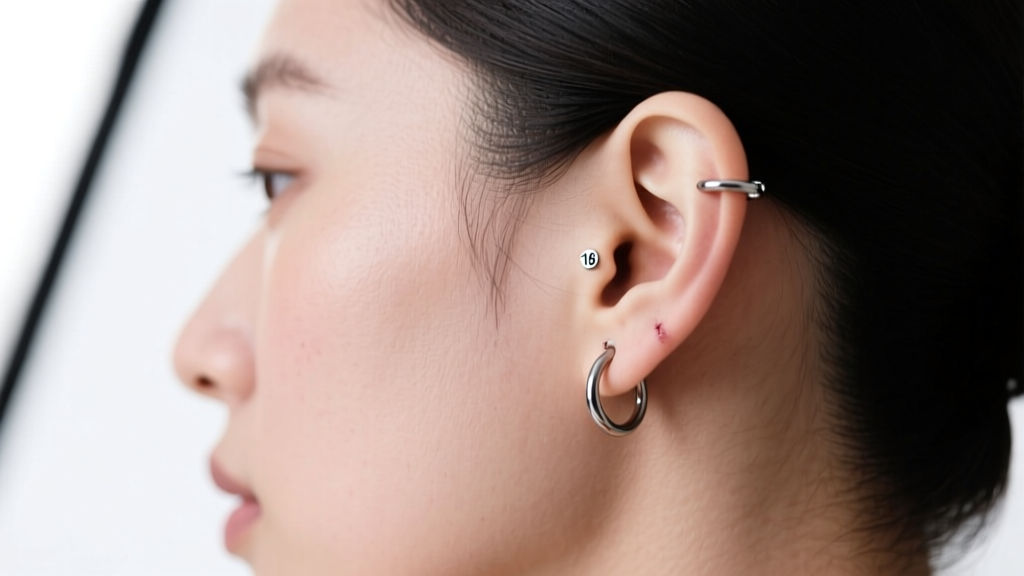
Special Considerations for Cartilage and Stretched Lobes
Different piercing locations and sizes require nuanced maintenance to prevent odor.
Cartilage Piercings (Helix, Conch, Tragus)
Cartilage piercings are typically done at 16G (1.2mm) or 14G (1.6mm) and feature tighter fistulas with less airflow than standard lobes. Because cartilage lacks its own blood supply, it heals slower and is more prone to trapping moisture. If you wear huggies or tight clicker rings in your cartilage, you must regularly "floss" the piercing. To do this, take a piece of clean, unwaxed dental floss, thread it through the gap between the jewelry and the skin, and gently pull it back and forth to dislodge hidden sebum plugs that saline alone cannot reach.
Stretched Earlobes (Gauges 8G to 00G)
When you stretch your lobes, the surface area of the fistula increases exponentially. Large silicone or acrylic plugs are notorious for absorbing sebum and becoming permanently foul-smelling. To combat this, stretchers should remove their jewelry daily and massage the lobes with pure, unrefined jojoba oil. Jojoba oil closely mimics human sebum, helping to moisturize the fistula, prevent dry flaking, and naturally push out dead skin cells without clogging the pores. Avoid wearing silicone tunnels 24/7; switch to glass or steel eyelets for daily wear to allow the tissue to breathe.
Daily Maintenance Routine for Odor-Free Piercings
Preventing the "earring smells bad" dilemma is significantly easier than deep-cleaning a neglected fistula. Incorporate these micro-habits into your daily routine:
- The Shower Rinse: Let warm water run over your ears during your daily shower. Do not apply shampoo or body wash directly to your piercings, as the surfactants strip the fistula of its natural moisture barrier, prompting it to overproduce sebum to compensate.
- The Nightly Wipe: If you sweat heavily during the day or live in a humid climate, wipe the back of your earlobes with a saline-soaked gauze pad before bed.
- Rotate with Purpose: While the old advice was to constantly spin your earrings, modern dermatology advises against this if your hands are dirty. Only gently move the jewelry after washing your hands to break up any forming keratin seals.
"The fistula is a delicate mucous membrane environment. Treating it with harsh chemicals like tea tree oil, rubbing alcohol, or antibacterial ointments destroys the beneficial microbiome and guarantees a rebound effect of excess oil and odor. Stick to sterile saline and high-quality implant metals."
Final Thoughts on Piercing Hygiene
Ultimately, an odorous earring is a mechanical and biological issue, not a reflection of your overall cleanliness. By upgrading your jewelry collection to ASTM F136 titanium or solid 14k gold, utilizing ultrasonic cleaning for intricate pieces, and maintaining a gentle saline irrigation routine, you can permanently eliminate piercing odor. Listen to your body, respect the healing process, and your piercings will remain as fresh and beautiful as the day they were done.


