The 2026 Gift Guide: Choosing the Ideal Pearl Earring Claw Setting
Discover the perfect pearl earring claw setting for every occasion in our 2026 gift guide. Learn prong styles, metal grades, and nacre protection tips.

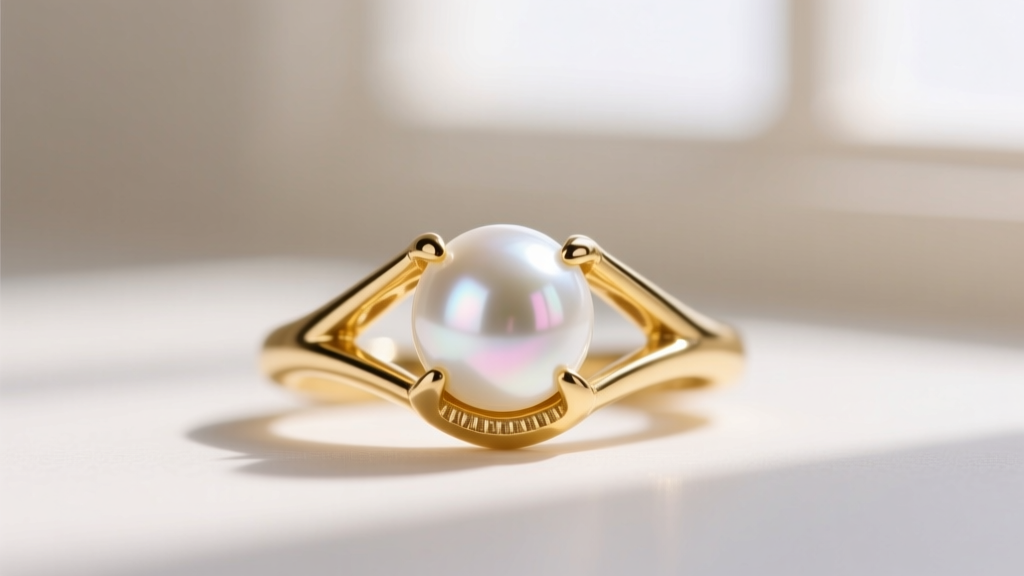
The Hidden Importance of the Pearl Earring Claw in Fine Gifting
When gifting pearl jewelry, most buyers obsess over the gemstone’s luster, overtone, and surface grade. Yet, the structural hardware that secures these organic gems is frequently overlooked. In fine jewelry design, the pearl earring claw (commonly referred to as the prong setting) is the unsung hero that dictates both the aesthetic elegance and the long-term survival of the piece. Unlike diamonds, which rank a 10 on the Mohs hardness scale, pearls are remarkably delicate, ranging between 2.5 and 4.5. A poorly designed or improperly finished claw can easily abrade the nacre, leading to irreversible dulling or, worse, the catastrophic loss of a valuable gem.
As we navigate the 2026 gifting season, understanding the nuances of pearl settings elevates you from a casual shopper to an informed connoisseur. Whether you are selecting a pair of classic studs for a bride or dramatic drops for an anniversary, the architecture of the claw setting must align with the recipient's lifestyle, the pearl's specific morphology, and the formality of the occasion. According to the GIA Pearl Care Guidelines, proper mounting is the first line of defense against environmental and mechanical damage, making the choice of metal and prong style a critical decision.
Anatomy of a Secure Pearl Mounting
Before selecting a style, it is vital to understand how a pearl earring claw actually functions. Unlike faceted stones that are gripped solely by the tension of the prongs over the girdle, pearls are typically mounted using a hybrid system: a central peg and a supportive cup or basket. The pearl is drilled (usually between 0.7mm and 0.9mm for fine gems) and adhered to the central post using a specialized two-part jeweler's epoxy. The claws then wrap over the equator of the pearl to prevent lateral movement. If a jeweler uses cyanoacrylate (superglue) instead of flexible epoxy, the bond will become brittle over time, leading to a common failure mode where the pearl snaps off the post upon minor impact.
Decoding Claw Architectures for the Perfect Gift
The 3-Prong Martini Claw
The Martini setting features three slender prongs that taper down to a single point, resembling a cocktail glass. This minimalist design is highly prized for its ability to maximize light exposure and minimize the visual footprint of the metal. For gifting, the 3-prong claw is ideal for smaller, perfectly round pearls (6mm to 8mm), such as high-grade Japanese Akoyas. However, because the structural load is distributed across only three points, the prongs must be crafted from a stiff metal like platinum or 14k gold to prevent bending. Pricing for high-quality 14k gold Martini settings typically starts around $120 to $250, excluding the pearls.
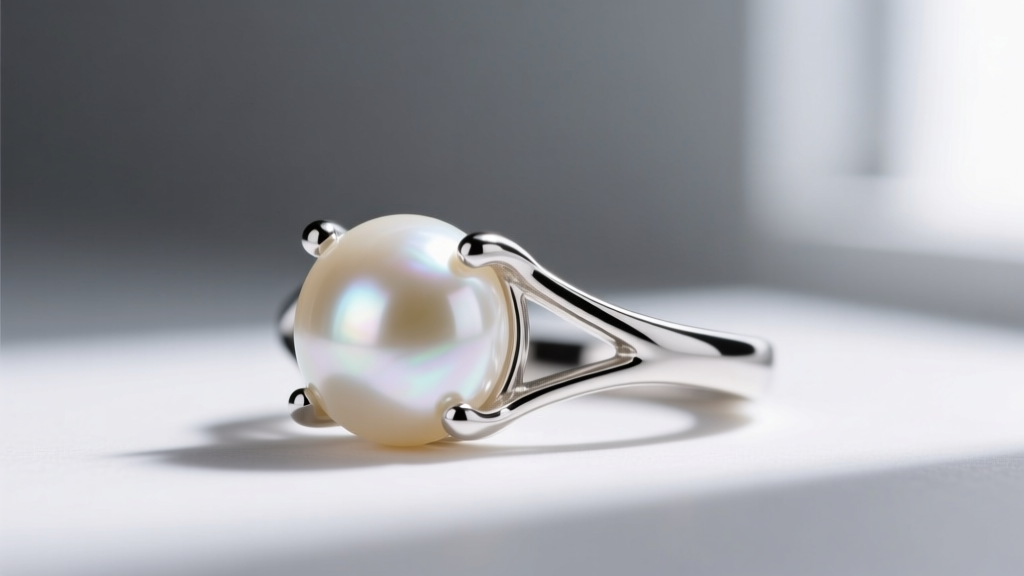
The 4-Prong Basket Claw
For larger, heavier pearls—particularly South Sea pearls ranging from 10mm to 15mm—the 4-prong basket claw is the industry standard. The basket base provides a wide, supportive cradle that bears the gem's weight, relieving stress from the central glue joint. The four prongs offer superior lateral security, making this the ultimate choice for an active recipient who needs everyday durability. When gifting a luxury South Sea pearl earring set, insist on a basket setting with an 18-gauge (1.02mm) wire thickness to ensure the claws do not warp if the earring is accidentally snagged on clothing.
The V-Tip Claw for Asymmetrical Drops
Teardrop, pear, and baroque pearls possess a delicate, tapered point that is highly susceptible to chipping. A standard rounded prong cannot adequately protect this extremity. The V-tip claw features a specialized prong shaped like a 'V' that completely caps the vulnerable tip of the pearl. If you are gifting dramatic drop earrings for a red-carpet event or a milestone gala, the V-tip claw is non-negotiable for preserving the stone's structural integrity while providing a sharp, modern aesthetic contrast to the pearl's organic curves.
Metallurgy and Tension: What Holds the Pearl Best?
The metal chosen for the pearl earring claw directly impacts both the security of the setting and the overall price point of the gift. According to the Gemological Institute of America (GIA), the interplay between metal hardness and pearl softness requires careful balancing.
- Platinum: The undisputed king of prong settings. Platinum's natural stiffness allows jewelers to craft incredibly fine, elegant claws that grip tightly without the risk of metal fatigue or springing back. It is the best choice for heirloom-quality gifts, though it commands a 40-60% premium over gold.
- 18k Yellow/White Gold: Contains 75% pure gold, making it softer and more malleable. Claws in 18k gold must be slightly thicker to maintain grip tension. It offers a rich, warm aesthetic that beautifully complements cream or golden South Sea pearls.
- 14k Gold: Alloyed with stronger metals like copper and zinc, 14k gold offers excellent durability for everyday wear at a more accessible price point, making it a practical choice for graduation or birthday gifts.
Occasion Matching Matrix: The 2026 Gifting Guide
Matching the claw setting to the occasion ensures the gift feels both thoughtful and appropriate. Use the table below to align your hardware choice with the recipient's needs.
| Occasion | Ideal Claw Style | Recommended Pearl Type | Metal Preference |
|---|---|---|---|
| Wedding / Bridal | 4-Prong Basket | Akoya (Hanadama) or South Sea | Platinum or 18k White Gold |
| Milestone Anniversary | 3-Prong Martini | Tahitian Black Pearl | 18k Yellow Gold |
| Everyday Luxury | Low-Profile Basket | Freshwater Edison | 14k Rose Gold |
| Red Carpet / Gala | V-Tip Drop Claw | Baroque or Teardrop South Sea | Platinum with Diamond Accents |
E-E-A-T Insight: Preventing Nacre Abrasion and Failure Modes
As a domain expert, I must highlight a critical manufacturing detail that separates mass-produced jewelry from fine craftsmanship: prong tipping. When a jeweler finishes a pearl earring claw, the tip of the prong that rests against the pearl must be perfectly smooth. The best jewelers use a technique called 'bead-tipping' or 'ball-tipping,' where a microscopic sphere of metal is soldered to the end of the prong before it is rubbed over the pearl. This rounded surface glides against the nacre without scratching it.
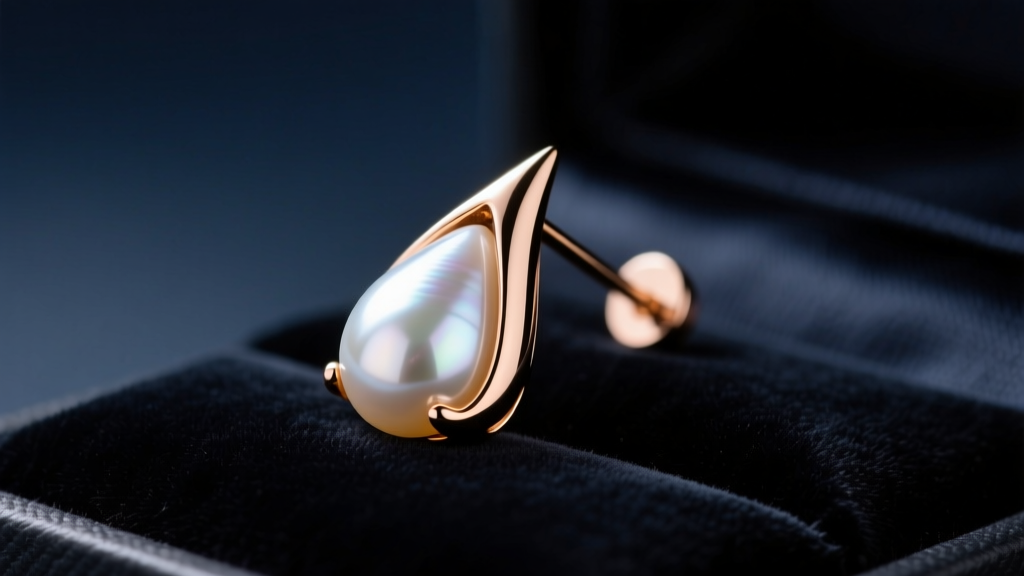
Conversely, flat-tipped or poorly filed prongs act like microscopic chisels. Every time the wearer touches their earlobe or removes the earring, a flat prong can micro-abrade the nacre, eventually wearing through the pearl's surface layers. When inspecting a potential gift, use a jeweler's loupe to verify that the prong tips are rounded and polished. Furthermore, ensure the claws do not exert excessive inward pressure; pearls should be held snugly, but overtightening can cause the nacre to crack, especially in thinner-skinned freshwater varieties.
The Final 2026 Gifting Checklist
Before finalizing your purchase, run through this quick diagnostic checklist to ensure your pearl earring claw setting meets the highest standards of quality and wearability:
- Verify the Peg and Cup: Ensure the setting features a supportive base cup, not just a bare wire post, to distribute the pearl's weight.
- Inspect the Prong Tips: Confirm they are bead-tipped and highly polished to prevent nacre abrasion.
- Check the Metal Gauge: For pearls over 9mm, ensure the prongs are at least 18-gauge to prevent bending.
- Confirm the Adhesive: Ask the jeweler to confirm the use of flexible, two-part jeweler's epoxy rather than brittle superglue.
- Evaluate the Profile: For everyday wear, choose a low-profile basket that sits close to the earlobe to minimize snagging risks.
By focusing on the intricate details of the pearl earring claw, you transform a simple jewelry purchase into a masterclass in thoughtful gifting. The right setting not only enhances the gem's natural beauty but ensures it remains a secure, cherished heirloom for decades to come. For further reading on evaluating pearl quality, consult the American Gem Society resources on gemstone mounting and care.


