The Pearl Earring Theory: A Step-by-Step Styling Guide
Learn how to apply the pearl earring theory to elevate your style. This step-by-step guide covers luster grades, face shapes, and ear stacking.

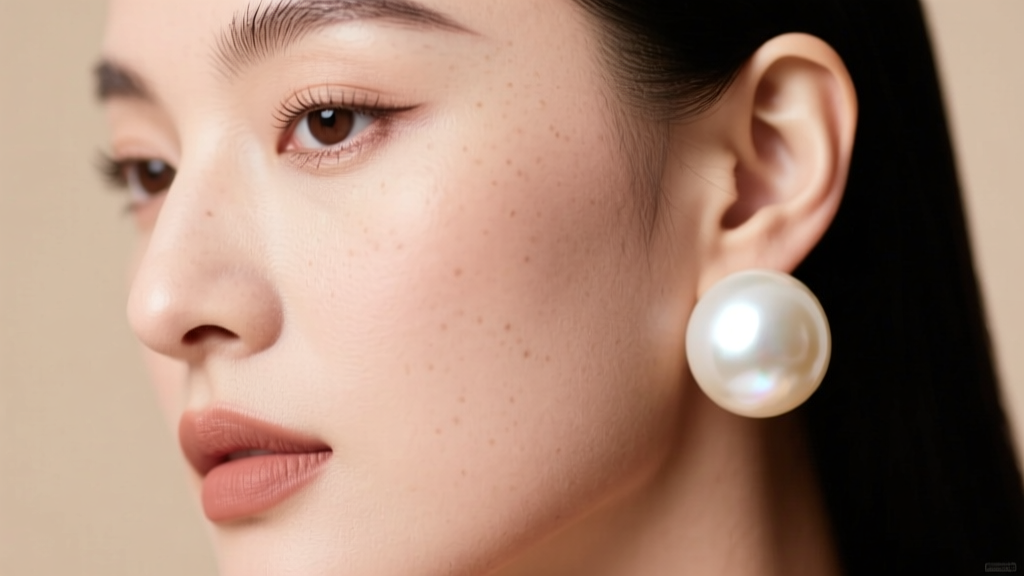
What is the Pearl Earring Theory?
In the world of advanced personal styling, the pearl earring theory posits that a carefully selected pair of pearl earrings acts as the ultimate sartorial anchor. Unlike trend-driven accessories that date an outfit, pearls function as a "visual reset" for the face. The theory suggests that the spherical geometry and unique light-reflecting properties of nacre draw the eye upward, soften angular jawlines, and seamlessly bridge the gap between casual daytime wear and formal evening attire. Rather than viewing pearls as strictly traditional or bridal, modern stylists use them as a foundational capsule accessory.
Applying this theory requires moving beyond basic department store studs. It demands a deep understanding of gemology, facial geometry, and hardware engineering. This step-by-step guide will teach you how to curate, wear, and maintain pearl earrings with the precision of a master jeweler.
Step 1: Decode Pearl Grading and Nacre Thickness
The foundation of the pearl earring theory relies on selecting stones with exceptional luster, which is entirely dependent on nacre quality. According to the Gemological Institute of America (GIA), luster is the most critical quality factor in determining a pearl's value and visual impact. Nacre is the crystalline substance secreted by the mollusk, and its thickness dictates both the longevity and the optical depth of the earring.
Many commercial pearls are bead-nucleated, meaning a mother-of-pearl bead is implanted into the oyster, and the mollusk secretes nacre over it. If the nacre layer is too thin (under 0.4mm), the pearl will appear chalky, lack deep reflections, and eventually peel or flake. For investment-grade earrings, you must look for specific grading certifications:
- Hanadama (Akoya): The highest grade of Japanese Akoya pearls, requiring a minimum nacre thickness of 0.4mm, though top-tier Hanadama often exceeds 0.8mm, yielding a mirror-like, high-contrast luster.
- AAA Freshwater (Edison): Modern tissue-nucleated Edison pearls are solid nacre throughout. While they historically lacked the sharp luster of saltwater pearls, premium Edison pearls now rival Akoya at a fraction of the cost.
- Gem-Grade South Sea & Tahitian: These larger pearls naturally develop much thicker nacre layers, typically ranging from 2.0mm to over 4.0mm, resulting in a deep, velvety, or metallic luster.
2026 Pearl Type Comparison Matrix
| Pearl Type | Nucleation | Nacre Thickness | Luster Profile | 2026 Price Range (Stud Pair) |
|---|---|---|---|---|
| Akoya | Bead | 0.4mm - 0.8mm+ | Mirror-like, sharp | $400 - $1,500 |
| Freshwater (Edison) | Tissue | Solid Nacre | Satiny to metallic | $80 - $400 |
| Tahitian | Bead | 0.8mm - 2.0mm+ | Dark, metallic, peacock | $600 - $3,500+ |
| South Sea | Bead | 2.0mm - 4.0mm+ | Deep, velvety, luxurious | $1,500 - $10,000+ |
Step 2: Match Pearl Undertones to Your Skin
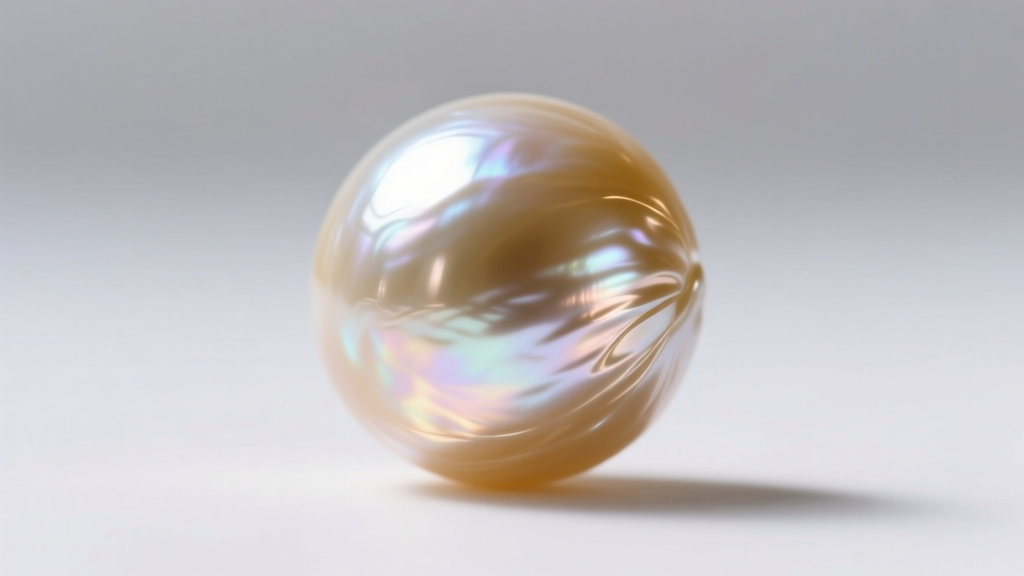
A common failure mode when applying the pearl earring theory is ignoring the stone's overtone. A pearl's bodycolor is its primary hue (e.g., white, silver, black), but its overtone is the translucent secondary color that floats just above the surface. Matching the overtone to your skin's undertone is what creates the "glow" effect central to the theory.
The Undertone Matrix
- Cool Skin Undertones: Opt for white Akoya or South Sea pearls with rosé or silver overtones. The pinkish-red secondary hue complements the natural blue/pink base of cool skin, preventing the pearls from looking washed out.
- Warm Skin Undertones: Choose pearls with cream, ivory, or gold overtones. Golden South Sea pearls or cream-colored Freshwater pearls will harmonize with yellow or peachy skin bases, creating a rich, cohesive warmth.
- Olive and Neutral Undertones: This skin type can handle high-contrast, exotic overtones. Tahitian pearls with "peacock" (green-purple) or "aubergine" overtones look exceptionally striking against olive skin, providing a modern, edgy alternative to classic white studs.
Step 3: Hardware and Gauge Selection for Longevity
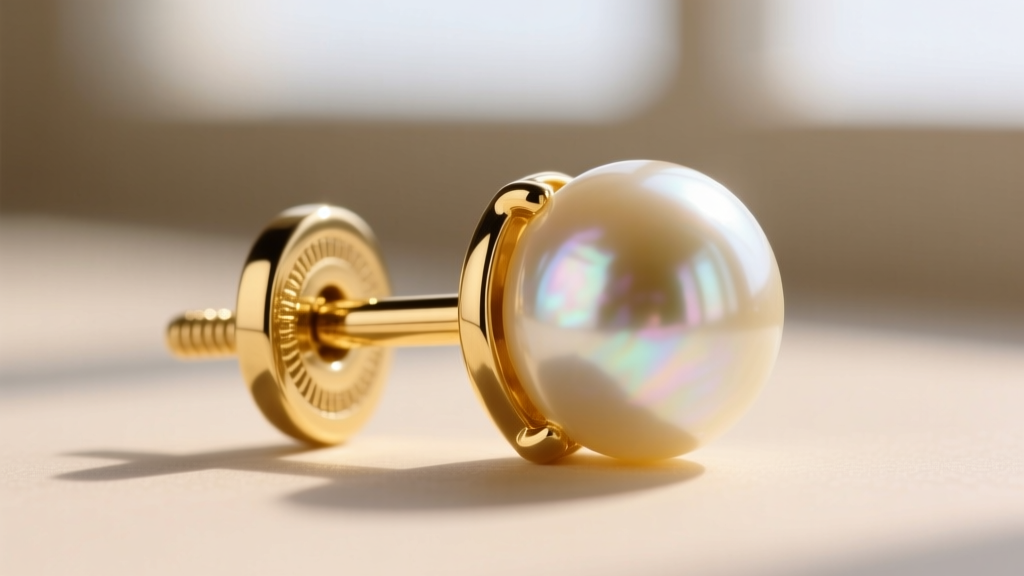
The most overlooked aspect of pearl jewelry is the hardware. A heavy 12mm South Sea pearl exerts significant downward leverage on the earlobe. Standard 20-gauge (0.81mm) posts paired with cheap friction backs (butterfly clutches) will inevitably fail. The weight distribution causes the earring to tilt downward, stretching the piercing channel, exposing the post, and creating an unflattering droop.
To execute the pearl earring theory flawlessly, you must upgrade your hardware specifications:
- Post Gauge: For pearls 9mm and larger, insist on 18-gauge (1.02mm) or even 16-gauge (1.29mm) posts. This added thickness provides the structural rigidity needed to keep the pearl sitting perfectly parallel to the ground.
- Backing Mechanism: Ditch standard push-backs. Use La Pousette backings (a mechanical locking clutch that clicks securely into a grooved post) or screw-backs. These ensure the heavy pearl remains flush against the lobe without slipping.
- Metallurgy: Pearls are an investment; the metal should be too. Require 14k or 18k solid gold, or ASTM F138 implant-grade titanium for sensitive piercings. Avoid gold-plated brass, which will eventually corrode and stain the pearl's drill hole.
Step 4: Execute the Ear Stack (Lobe to Helix)
The pearl earring theory is not limited to single studs; it is highly effective in curated ear stacks. The golden rule of pearl stacking is the Rule of Diminishing Scale. Because pearls possess high visual weight due to their luster, stacking identically sized pearls will overwhelm the ear's anatomy.
"When building a pearl-heavy ear stack, treat the lobe as the anchor. A 10mm pearl on the primary lobe piercing demands that subsequent piercings decrease in size by at least 30% to maintain visual harmony." — Master Piercer & Ear Curator
Example Stack Configuration:
- Primary Lobe: 10mm White Akoya Stud (18G post, La Pousette back)
- Upper Lobe / Mid-Lobe: 6mm Cream Freshwater Stud or a 6mm Pearl Huggie Hoop
- Helix / Flat: 3mm or 4mm Micro-Pearl Threadless End on a titanium labret post
This gradient effect draws the eye upward along the ear's natural curve, fulfilling the theory's promise of lifting the facial features.
Step 5: Care and Maintenance Protocol
Pearls are organic gemstones composed primarily of calcium carbonate and conchiolin. They rank a mere 2.5 to 3.0 on the Mohs hardness scale, making them highly susceptible to chemical degradation and scratching. The American Gem Society (AGS) emphasizes that everyday cosmetics are the primary enemy of pearl luster.
To maintain the optical properties required by the pearl earring theory, implement this strict maintenance protocol:
- The "Last On, First Off" Rule: Always put your pearl earrings on after applying perfume, hairspray, and makeup. The alcohol and aerosol propellants in these products will dissolve the pearl's delicate nacre layers over time, leaving them permanently dull.
- Post-Wear Wiping: After removing your earrings, wipe the pearls gently with a clean, untreated microfiber cloth. This removes the day's accumulation of natural skin oils and sweat, which are mildly acidic and can etch the surface.
- Storage Isolation: Never store pearl earrings in a communal jewelry box where they can rub against diamonds, sapphires, or metal chains. Store them in a soft, breathable silk pouch. Avoid airtight plastic bags, as pearls require trace amounts of ambient moisture to prevent the conchiolin from drying out and cracking.
Final Thoughts
The pearl earring theory is more than a fleeting fashion trend; it is a calculated approach to personal styling that leverages gemological science and visual psychology. By understanding nacre thickness, matching overtones to your biology, engineering your hardware for heavy stones, and stacking with mathematical precision, you transform a simple accessory into a powerful stylistic anchor. Invest in quality, respect the organic nature of the gem, and let the luster do the heavy lifting.


