Gold Prom Earrings: 14k vs 18k vs Vermeil Material Guide
Discover the best gold prom earrings for sensitive ears and heavy styles. Compare 14k, 18k, vermeil, and plated gold for durability and comfort.

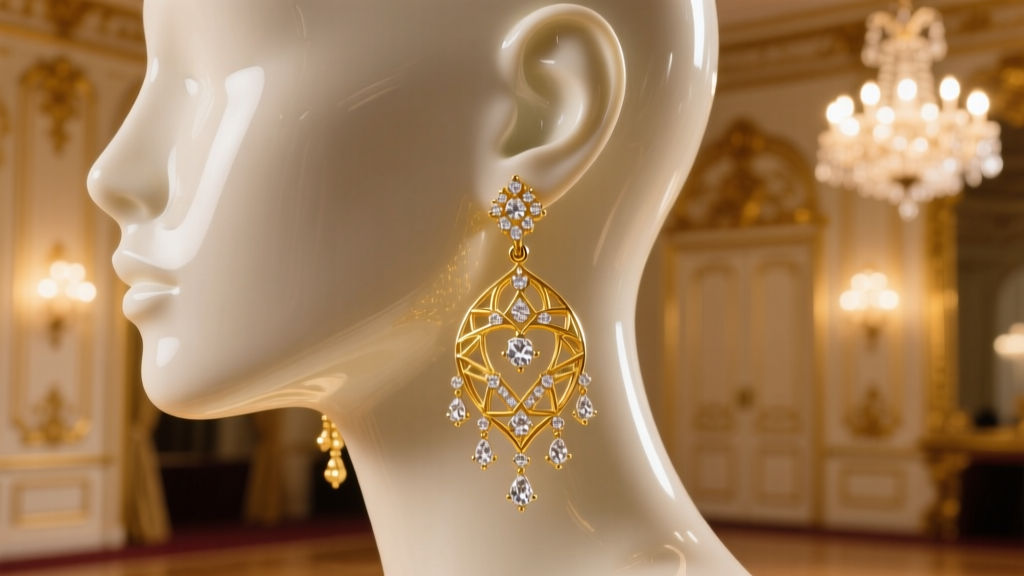
The Hidden Metallurgy of Prom Night Jewelry
Prom night is less of a brief photo opportunity and more of a six-hour endurance event. Between the elevated body temperature on the dance floor, the friction of formal updos, and the inevitable perspiration, the material composition of your jewelry is pushed to its physical limits. When selecting gold prom earrings, most shoppers focus entirely on the aesthetic silhouette—cascading chandeliers, geometric drops, or vintage-inspired cuffs. However, as a senior metallurgist and jewelry stylist, I can tell you that ignoring the alloy composition, gold thickness, and structural gauge is a fast track to contact dermatitis, bent posts, and lost heirlooms.
In 2026, with the massive resurgence of heavy, maximalist statement pieces dominating formalwear trends, understanding the physical properties of gold is no longer optional. It is essential for both comfort and structural safety. This guide breaks down the exact material science behind gold alloys, plating standards, and engineering tolerances to ensure your earrings survive the night intact.
Solid Gold Karats: 14k vs. 18k vs. 24k for Statement Pieces
Pure gold (24k) is virtually useless for functional jewelry. According to the Gemological Institute of America (GIA), 24k gold has a Vickers Hardness (HV) of roughly 25, making it as soft as butter. If you were to wear a 24k gold chandelier earring, the sheer weight of the dangles would stretch the jump rings and snap the post within an hour. Therefore, gold must be alloyed with metals like copper, silver, zinc, or palladium to increase its tensile strength.
18k Gold (75% Pure)
With a Vickers Hardness of approximately 120 HV, 18k gold offers a rich, buttery yellow hue and excellent hypoallergenic properties. However, it remains relatively soft. For heavy gold prom earrings exceeding 6 grams per ear, 18k gold posts are prone to bending if snagged on a dress or hair. It is best reserved for moderate-weight drops or huggies where structural stress is minimal.
14k Gold (58.3% Pure)
Boasting a Vickers Hardness of around 160 HV, 14k gold is the undisputed champion for heavy, intricate prom earrings. The higher alloy content provides the rigidity needed to support multi-tiered chandelier designs without the jump rings warping. The trade-off is a slightly paler yellow color and a higher risk of metal sensitivities, depending on the specific alloy mix used by the manufacturer.
The Nickel Threat in White Gold Alloys
White gold is not naturally white; it is created by alloying yellow gold with white metals. Historically, nickel was the primary bleaching agent. According to the National Institutes of Health (NIH), nickel is the leading cause of allergic contact dermatitis. When you sweat on the dance floor, the slightly acidic pH of your perspiration can leach nickel ions from 14k white gold, resulting in itchy, red, and weeping earlobes. If you desire the look of white gold, specifically seek out palladium-alloyed white gold or ensure the piece has a fresh, thick rhodium plating to act as a barrier.
Gold Vermeil vs. Gold Filled vs. Gold Plated: The Budget Tier
Not everyone has the budget for solid gold statement pieces, and that is perfectly fine. However, the terminology used in the fashion jewelry market is often deliberately confusing. Understanding the Federal Trade Commission (FTC) Jewelry Guides is critical to avoiding cheap knockoffs that will turn your skin green or tarnish mid-prom.
| Material Type | Base Metal Core | Gold Layer Thickness | Sweat Resistance | Est. Price Range (Pair) |
|---|---|---|---|---|
| Solid 14k Gold | N/A (Homogenous Alloy) | Solid | Excellent | $250 - $800+ |
| Solid 18k Gold | N/A (Homogenous Alloy) | Solid | Excellent | $400 - $1,500+ |
| Gold Vermeil | Sterling Silver (.925) | Minimum 2.5 microns | Moderate to High | $80 - $200 |
| Gold Filled | Jeweler's Brass | 5% of total weight | High | $60 - $150 |
| Gold Plated | Brass, Copper, or Nickel | Less than 0.5 microns | Poor | $20 - $60 |
Gold Vermeil (pronounced ver-may) is the safest budget option for sensitive ears. Because the FTC mandates a sterling silver base, even if the 2.5-micron gold layer wears through due to friction, you are left with hypoallergenic silver against your skin, not raw brass or nickel.
Gold Filled wire involves mechanically bonding a thick sheet of gold to a brass core using heat and pressure. It contains vastly more gold than vermeil and is incredibly resistant to prom-night sweat, but it is generally limited to simpler wire-wrapped or hoop designs rather than complex cast chandeliers.
Gold Plated jewelry is a gamble. The gold layer is a microscopic flash (often less than 0.1 microns) applied via electroplating. Heavy sweating will penetrate this layer in minutes, causing the base metals to oxidize and potentially trigger severe allergic reactions.
Weight, Gauge, and the 'Cheese-Cutter' Effect
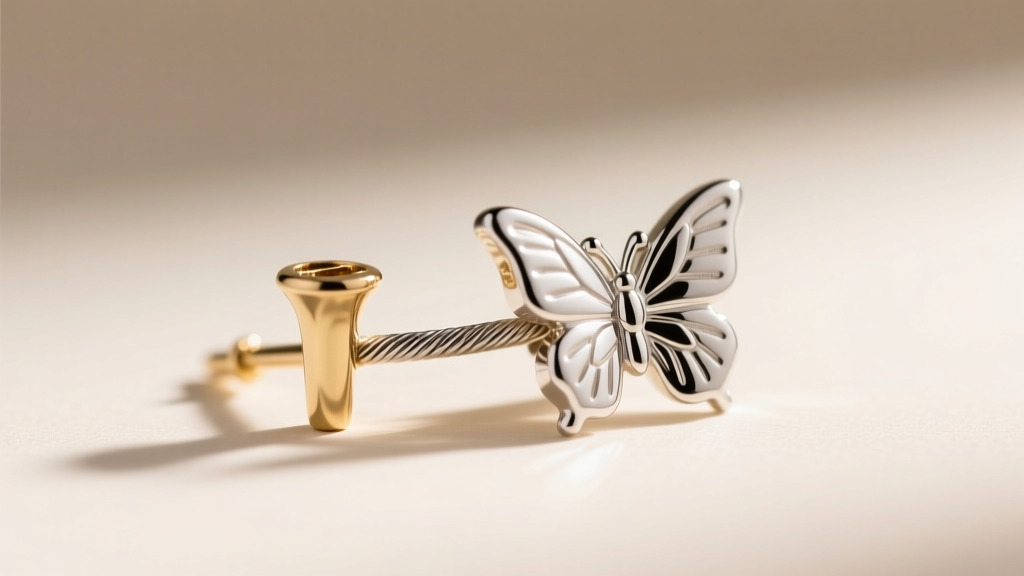
The structural failure of gold prom earrings rarely happens to the decorative elements; it happens at the point of contact with the earlobe. Standard earring posts are manufactured in 22-gauge (0.64mm) or 20-gauge (0.81mm) wire. When you hang a heavy 18k gold drop earring weighing 8 grams on a delicate 22-gauge post, you create an extreme high-pressure point on the piercing hole.
Over the course of a six-hour prom, the combination of gravity, dancing movements, and the lubricating effect of sweat causes the thin wire to slowly slice downward through the earlobe tissue. Jewelers call this the 'cheese-cutter effect.' It leads to micro-tears, stretched piercings, and immense discomfort.
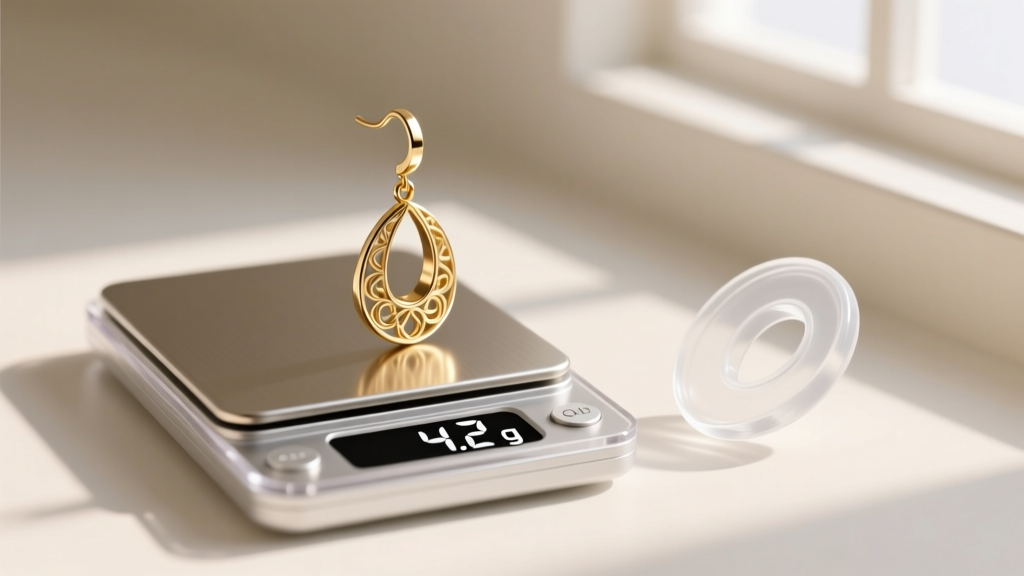
Stylist Pro-Tip: If your dream gold prom earrings are heavy but feature thin 22-gauge posts, apply a clear silicone earring support patch (like BlingDots) to the back of your earlobe before inserting the earring. This distributes the 8-gram weight across a 15mm surface area, reducing point-pressure by over 80% and preventing lobe fatigue.
Whenever possible, select heavy statement earrings that explicitly feature 18-gauge (1.02mm) or 20-gauge posts. The slightly thicker wire provides the necessary structural rigidity to support the gold's density without compromising the earlobe.
Care and Failure Modes: What Ruins Gold on the Dance Floor
Even high-quality solid gold is susceptible to specific environmental failure modes unique to a formal event. Understanding these will help you troubleshoot issues before they ruin your evening.
- Friction Clutch Failure: Standard metal butterfly earring backs rely on friction to stay in place. Perspiration drastically reduces the coefficient of friction between the metal post and the clutch. For heavy gold drops, swap standard backs for silicone O-rings or locking La Pousette backs, which mechanically grip the post's groove.
- Rose Gold Oxidation: Rose gold achieves its pink hue through a high copper content (often up to 20% in 14k alloys). If you have highly acidic sweat, the copper can oxidize rapidly, leaving a harmless but unsightly green/black smudge on your neck or earlobe. Wiping the posts with a microfiber cloth and applying a microscopic layer of clear nail polish to the post shaft can prevent this.
- Jump Ring Snagging: Chandelier earrings feature dozens of tiny jump rings connecting the tiers. If these rings are not soldered shut, snagging them on a lace dress or a partner's tuxedo can pull them open, dropping the lower tiers of the earring onto the dance floor. Inspect all connection points with a jeweler's loupe before the event; if you see a gap, take them to a bench jeweler for a quick laser soldering.
Final Verdict: Engineering Your Perfect Prom Look
Selecting the perfect gold prom earrings requires balancing aesthetic desires with metallurgical realities. If you are investing in an heirloom piece or have highly reactive skin, solid 14k or 18k yellow gold remains the gold standard, provided the gauge thickness matches the weight of the design. For fashion-forward, budget-conscious shoppers, high-quality gold vermeil over a sterling silver core offers the best compromise of luxury aesthetics and skin safety.
By paying attention to the microscopic details—micron thickness, alloy composition, and post gauge—you ensure that your jewelry remains a beautiful enhancement to your formalwear, rather than a painful distraction. Respect the material science, engineer your comfort, and enjoy the night.


