Snakes and Earrings: A Step-by-Step Serpent Guide
Master the art of snakes and earrings with our step-by-step guide to styling, cleaning, and choosing the perfect serpent motif jewelry.

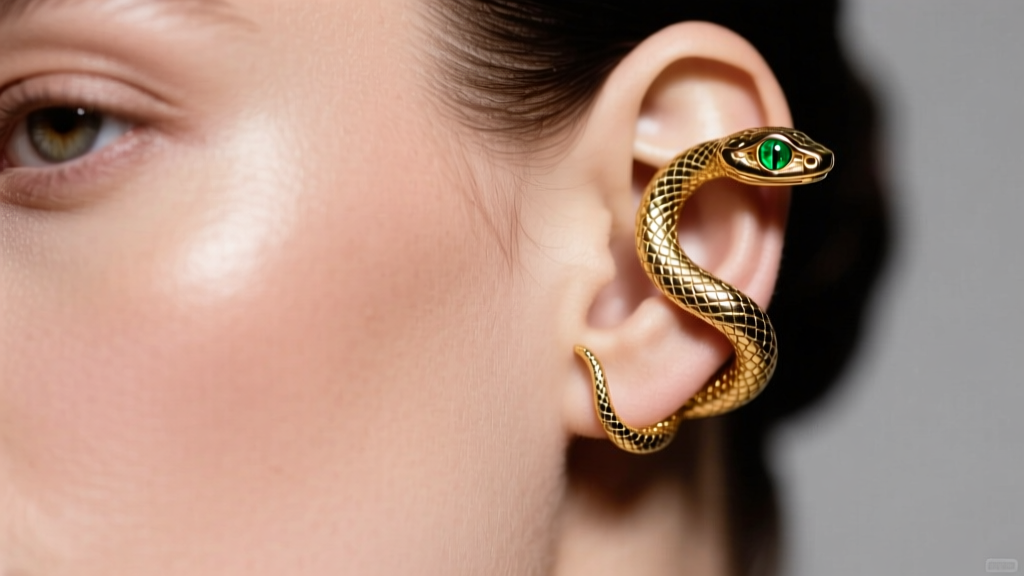
The intersection of snakes and earrings represents one of the most enduring and captivating motifs in jewelry history. From the Ouroboros symbolizing eternity in ancient Egypt to the romantic serpent engagement ring of Queen Victoria, snake jewelry has always carried an aura of mystery, rebirth, and fierce elegance. In 2026, the trend has evolved from chunky, overt designs to 'quiet luxury' serpent motifs—think minimalist cobra huggies, micro-pavé ear cuffs, and ultra-fine snake chain drops. However, styling and maintaining these intricate pieces requires specific knowledge. Whether you are dealing with delicate snake chains that kink if you look at them wrong, or oxidized silver scales that lose their patina with improper cleaning, this step-by-step guide will help you master the art of wearing serpent earrings safely and stylishly.
Step 1: Match the Serpent Style to Your Piercing Anatomy
Not all snake designs work for every part of the ear. The anatomy of your piercing dictates the gauge, backing, and structural integrity required for serpent jewelry.
Helix and Conch: The Wrapping Cuff
For cartilage piercings, the serpent ear cuff is a standout choice. Look for cuffs cast in 14k gold or brass with a 20-gauge (0.81mm) wire thickness. This allows the metal to be gently squeezed to conform to the helix ridge without snapping. If you have a conch piercing, a snake head stud with a flat-back labret post (typically 16-gauge or 1.29mm) provides a secure fit that won't interfere with your hair or headphones.
Tragus, Daith, and Lobe: The Cobra Stud and Huggie
The tragus is a small, dense piece of cartilage that requires low-profile jewelry. A micro-cobra head stud with a 2.5mm bezel-set diamond or black onyx eye sits flush and minimizes snagging. For the daith, a captive bead ring featuring a textured snake scale pattern (usually 16-gauge) offers an edgy, secure fit. For the standard lobe, snake huggies (small, tight hoops that 'hug' the earlobe) are incredibly popular. Ensure the huggie features a hinged clicker closure with a minimum 1.0mm (18-gauge) wire to prevent the hoop from warping out of its circular shape over time.
Step 2: Selecting the Right Metal for Skin and Longevity
When exploring the world of snakes and earrings, material choice is critical. Snake motifs rely heavily on texture (scales) and color contrast, which different metals handle in unique ways. According to the Association of Professional Piercers (APP), nickel-free metals are essential for cartilage and fresh piercings to avoid contact dermatitis.
| Material | Best For | Pros | Cons | Avg. Price Range |
|---|---|---|---|---|
| 14k/18k Solid Gold | Everyday lobe & cartilage studs | Hypoallergenic, won't tarnish, retains value | Higher upfront cost, softer metal (18k) | $150 - $600 |
| Oxidized 925 Silver | Statement scale cuffs & dangles | Dark patina enhances scale details beautifully | Oxidation wears off on high-friction areas | $45 - $150 |
| Gold Vermeil | Trend-driven ear parties | Affordable luxury look over sterling base | Must be at least 2.5 microns thick to last | $60 - $180 |
| Implant-Grade Titanium | Fresh piercings & sensitive skin | Biocompatible, lightweight, highly durable | Limited ornate casting options for scales | $30 - $120 |
Expert Note: The Gemological Institute of America (GIA) notes that true gold vermeil must have a sterling silver base and a gold plating of at least 2.5 microns. Anything less is standard gold plating, which will quickly wear off the raised 'scales' of a snake earring due to daily friction.
Step 3: How to Clean and Maintain Snake Chain Drops
Snake chains are a staple in dangle and drop earrings. They are constructed from tightly interlocked metal rings that form a smooth, tubular, and highly flexible surface. While they drape beautifully like liquid metal, they are notoriously fragile and prone to kinking or catching on fine hair.
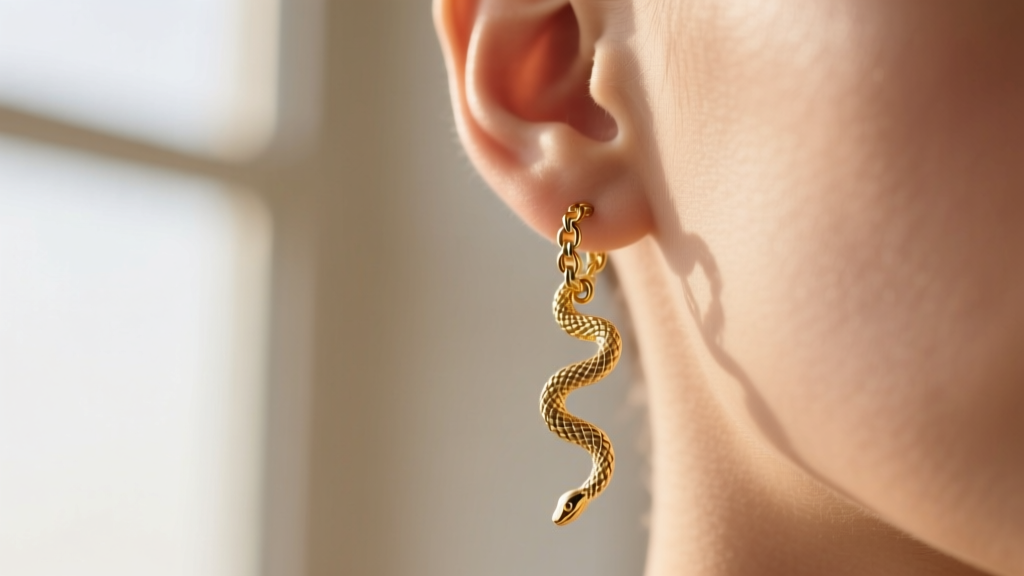
The Baby Powder Untangling Method
If your snake chain earring has kinked or tangled in your hair, do not pull it. The tight links will collapse and permanently break. Instead, follow this step-by-step rescue process:
- Detach the earring: Remove the drop from the ear hook or stud if possible.
- Apply baby powder: Dust the tangled section generously with talc-free baby powder or cornstarch. This reduces friction between the microscopic metal links.
- Use two needles: Place the chain on a flat, white surface. Use two fine sewing needles to gently work the center of the knot outward, allowing the powder to lubricate the links.
- Clean the residue: Once untangled, wash the chain in a mild dish soap bath and pat dry with a microfiber cloth. Never use ultrasonic cleaners on snake chains, as the high-frequency vibrations can weaken the interlocked joints.
Protecting Oxidized Silver Scales
If your serpent earrings feature oxidized sterling silver (where the crevices between scales are intentionally darkened), you must avoid traditional silver polish or liquid silver dips. These chemicals will strip the black patina, leaving you with a flat, uniform silver earring. Instead, use a soft, damp makeup brush with a drop of mild castile soap to gently clean only the raised 'scales', avoiding the darkened grooves entirely.
Step 4: Styling Your Ear Party Around a Statement Serpent
Styling snakes and earrings requires balance. A heavily detailed, gem-encrusted serpent ear cuff is a statement piece that demands a curated supporting cast. In 2026, the 'ear party' trend leans toward asymmetrical, textured pairings rather than perfectly matched sets.
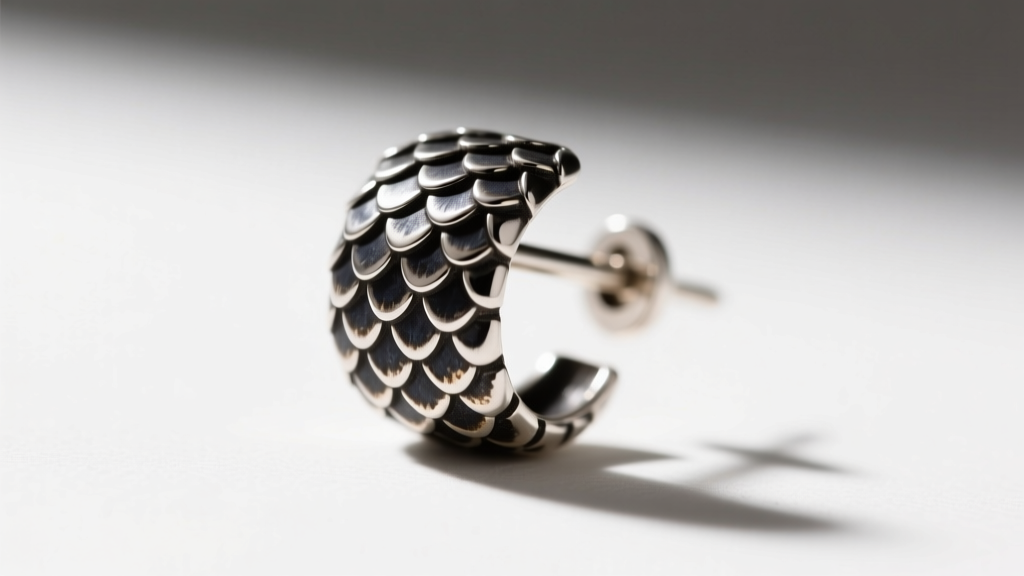
The Asymmetrical Balance Framework
- The Focal Point (Upper Ear): Place your largest serpent piece here. A gold snake wrapping from the mid-helix down to the lobe acts as the anchor.
- The Supporting Cast (Mid/Lower Ear): Complement the snake with minimalist, geometric studs. A simple 2mm bezel-set diamond or a plain gold ball stud (18-gauge) keeps the look grounded without competing with the snake motif.
- The Conch Anchor: If you have a conch piercing, a subtle serpent scale-patterned flat-back stud ties the theme together without overwhelming the ear's real estate.
- Hair Placement: When wearing long snake chain dangles, sweep your hair up or behind the ear on the side of the dangle. Snake chains are notorious hair-snaggers, and keeping the hairline clear prevents accidental yanking and broken links.
Expert Rules for Wearing Snakes and Earrings Safely
To ensure your jewelry lasts a lifetime, adhere to these strict wear-and-care protocols:
- Never sleep in snake chains or cuffs: The pressure of your head against a pillow will permanently bend a cuff and crush the microscopic links of a snake chain.
- Watch the gemstone eyes: Serpent designs often use micro-prong settings for ruby or emerald 'eyes'. Check these prongs every six months with a jeweler's loupe, as the raised nature of snake heads makes them prone to knocking against doors and phones.
- Avoid chemical exposure: Hairspray, perfume, and chlorine will degrade the finish of gold vermeil and accelerate the tarnishing of sterling silver. Always put your serpent earrings on after applying beauty products.
By understanding the specific mechanical and material needs of serpent jewelry, you can confidently incorporate this timeless, powerful motif into your daily wardrobe. Whether you opt for a subtle 14k gold snake chain drop or a bold, oxidized silver ear cuff, proper care and strategic styling will ensure your jewelry remains as captivating as the mythology that inspired it.


