Gold and Sapphire Earrings: 2026 Value & Budget Guide
Discover how to evaluate gold and sapphire earrings in 2026. Compare natural vs. lab stones, gold karats, and price tiers to maximize your jewelry budget.

The True Cost of Gold and Sapphire Earrings in 2026
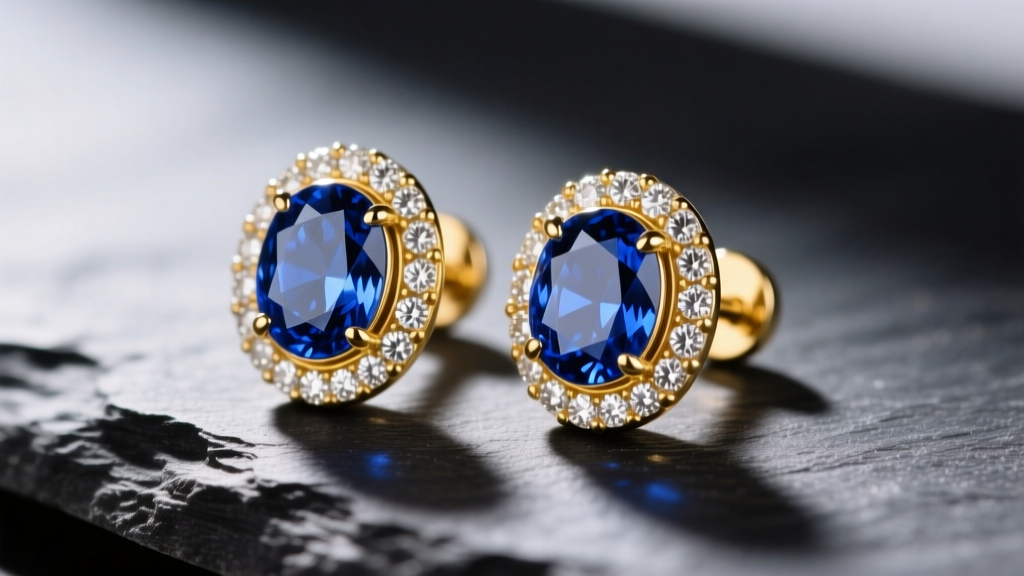
Navigating the fine jewelry market requires a sharp eye, especially when evaluating pieces that combine precious metals with colored gemstones. As we move through 2026, the pricing landscape for gold and sapphire earrings has shifted dramatically. Surging gold spot prices and increased demand for ethically sourced, traceable gemstones mean that buyers can no longer rely on outdated pricing heuristics. Whether you are looking for everyday 14k gold sapphire studs or high-carat unheated Ceylon sapphire drops, understanding the exact breakdown of material costs, treatment premiums, and retail markups is essential to securing true value.
This comprehensive budget and value assessment strips away the marketing fluff. We will dissect the metallurgical realities of gold alloys, the gemological nuances of sapphire treatments, and the specific price tiers you should expect to pay in the current market. By the end of this guide, you will possess the exact framework needed to evaluate any pair of sapphire earrings and instantly identify whether they are priced fairly or inflated.
Sapphire Grading: Where Your Money Actually Goes
Unlike diamonds, which are graded on a strict, universally standardized scale, colored gemstones like sapphires rely heavily on visual color assessment and origin. Sapphires are a variety of the mineral corundum, ranking a 9 on the Mohs hardness scale, making them exceptionally durable for daily-wear earrings. However, the price variance between two seemingly identical blue sapphires can be astronomical based on what has been done to them beneath the surface.
Natural vs. Lab-Created vs. Treated
The most critical value determinant in 2026 is the stone's treatment status. According to the Gemological Institute of America (GIA), the vast majority of natural sapphires on the market undergo standard heat treatment to improve clarity and color saturation. This is an accepted, permanent practice that does not destroy the stone's inherent value, though unheated natural sapphires command a massive 30% to 50% premium due to their rarity.
Conversely, lab-created sapphires (grown via the Verneuil flame-fusion or flux-growth methods) are chemically, physically, and optically identical to natural corundum. Flux-grown lab sapphires take months to crystallize and closely mimic natural inclusions, offering incredible visual beauty at roughly 10% to 15% of the cost of their natural counterparts. For budget-conscious buyers prioritizing size and color saturation over geological origin, high-quality lab-created sapphires set in solid gold represent the absolute best value proposition in today's market.
The Origin Premium and Beryllium Diffusion
If you are investing in natural stones, origin matters. Kashmir and Burmese sapphires carry historical premiums that often price them out of the standard consumer market. Today, high-quality Madagascar and Ceylon (Sri Lankan) sapphires offer the best balance of vivid 'cornflower' or 'royal blue' hues and accessible pricing.
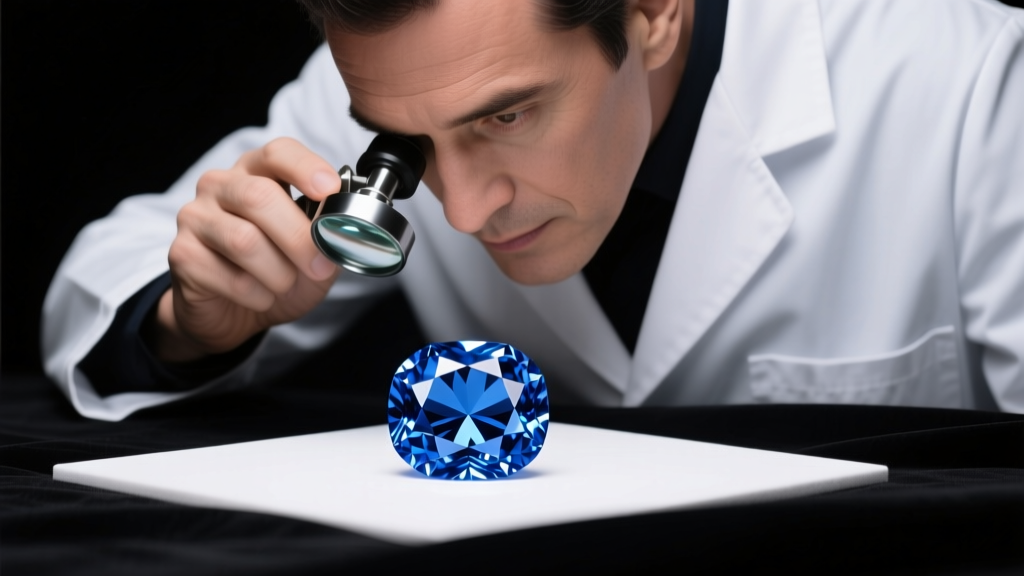
Value Trap Alert: Always check for beryllium diffusion. This is a lattice-level treatment where beryllium is introduced during heating to artificially enhance or alter the stone's color. While legal if disclosed, diffusion drastically reduces a sapphire's resale value. Reputable labs like the American Gemological Laboratories (AGL) will explicitly note beryllium diffusion on their reports. Never pay natural, untreated prices for a diffused stone.
Gold Alloys: Finding the Sweet Spot for Earrings
The gold setting is not just a backdrop; it is a structural necessity. Pure 24k gold is entirely unsuitable for earring posts or prongs because it is too soft and will bend, risking the loss of your sapphire. In 2026, with gold prices hovering at historic highs, choosing the right karat weight is a major budget lever.
- 10k Gold (41.7% Pure): The most affordable and durable option, but it lacks the rich, warm luster associated with fine jewelry. It can also cause contact dermatitis in sensitive ears due to higher nickel or copper content.
- 14k Gold (58.5% Pure): The undisputed champion for earring posts and structural components. It offers an excellent balance of rich color, high tensile strength (preventing bent posts), and reasonable pricing. Standard earring posts are typically 20-gauge (0.81mm) or 18-gauge (1.02mm), and 14k holds these gauges perfectly under the weight of heavy drop earrings.
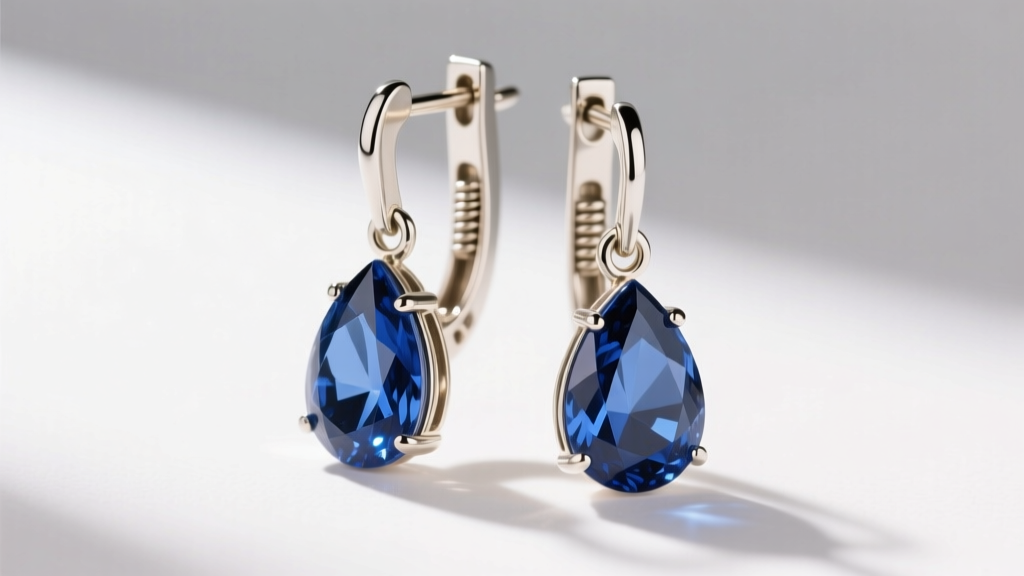
- 18k Gold (75% Pure): The luxury standard. It provides a deep, buttery yellow hue and is highly hypoallergenic. However, it is softer than 14k. If you are buying heavy sapphire dangles, ensure the 18k posts are reinforced or opt for 18k leverback closures rather than simple friction posts.
2026 Pricing Matrix: What You Should Actually Pay
To help you benchmark your purchases, we have compiled a realistic retail pricing matrix for 2026. These ranges assume direct-to-consumer online pricing or fair independent jeweler rates, excluding the 300%+ markups typical of traditional mall-brand chain stores.
| Sapphire Category | Gold Purity | Total Carat Weight (ctw) | 2026 Fair Retail Range |
|---|---|---|---|
| Lab-Created (Flux-Grown) | 14k Solid Gold | 1.00 - 1.50 ctw | $350 - $600 |
| Lab-Created (Flux-Grown) | 18k Solid Gold | 2.00 - 3.00 ctw | $800 - $1,400 |
| Natural (Standard Heat) | 14k Solid Gold | 1.00 - 1.50 ctw | $900 - $1,800 |
| Natural (Standard Heat) | 18k Solid Gold | 2.00 - 3.00 ctw | $2,500 - $5,500 |
| Natural (Unheated, Ceylon) | 18k Solid Gold | 2.00 - 3.00 ctw | $6,000 - $12,000+ |
Note: Prices fluctuate based on the exact color saturation, clarity (eye-clean is expected), and the complexity of the gold setting (e.g., adding a diamond halo will increase the base price by $400-$800).
Value Traps: How Retailers Inflate Sapphire Prices
When shopping for gold and sapphire earrings, be highly skeptical of vague terminology. The Federal Trade Commission (FTC) strictly regulates jewelry marketing, but retailers still use confusing language to obscure value. The term 'Genuine Sapphire' simply means the stone is not made of glass or plastic; it does not mean it is naturally mined. A lab-created sapphire can legally be marketed as 'genuine' if not properly qualified.
Another common trap is the 'composite' or 'doublet' sapphire. These are thin slices of low-grade natural sapphire glued to a synthetic or glass backing to simulate a larger, higher-quality stone. While cheap, they are highly prone to delamination if exposed to ultrasonic cleaners or harsh chemicals, making them a terrible long-term value. Always inspect the girdle of the stone for a visible glue line if the price seems impossibly low for a large natural sapphire.
Certification: The Ultimate Budget Protection
If you are spending over $1,500 on natural sapphire earrings, a third-party gemological report is non-negotiable. Do not rely on in-house 'certificates of authenticity' generated by the retailer. You need a report from a globally recognized, independent laboratory.
For natural sapphires, the AGL (American Gemological Laboratories) is widely considered the gold standard for colored stone grading, particularly for determining origin and identifying advanced treatments like beryllium diffusion or lead-glass filling. The GIA also provides excellent identification reports. Paying an extra $150 to $250 for an independent lab report protects your investment and ensures you are actually paying for the geological rarity you were promised.
Final Verdict: Maximizing Your Investment
The smartest way to buy gold and sapphire earrings in 2026 depends entirely on your primary goal. If your objective is maximum visual impact, deep blue saturation, and everyday wearability on a strict budget, choose flux-grown lab-created sapphires set in 14k gold. You will get flawless, richly colored stones that will last a lifetime for under $800.
If you are buying as an heirloom investment or prioritize geological rarity, focus your budget on natural, standard-heat Ceylon or Madagascar sapphires in 18k gold. Prioritize stones with AGL certification, ensure the color is evenly distributed without heavy zoning, and always verify that the earring backs are secure enough to handle the weight of the gold and gemstones. By understanding the exact mechanics of sapphire valuation and gold purity, you can confidently navigate the market and secure exceptional value.