Gold Unicorn Earrings: A Material & Hypoallergenic Safety Guide
Discover the truth behind gold unicorn earrings. We compare solid gold, vermeil, and plated alloys to help you avoid metal allergies and irritation.

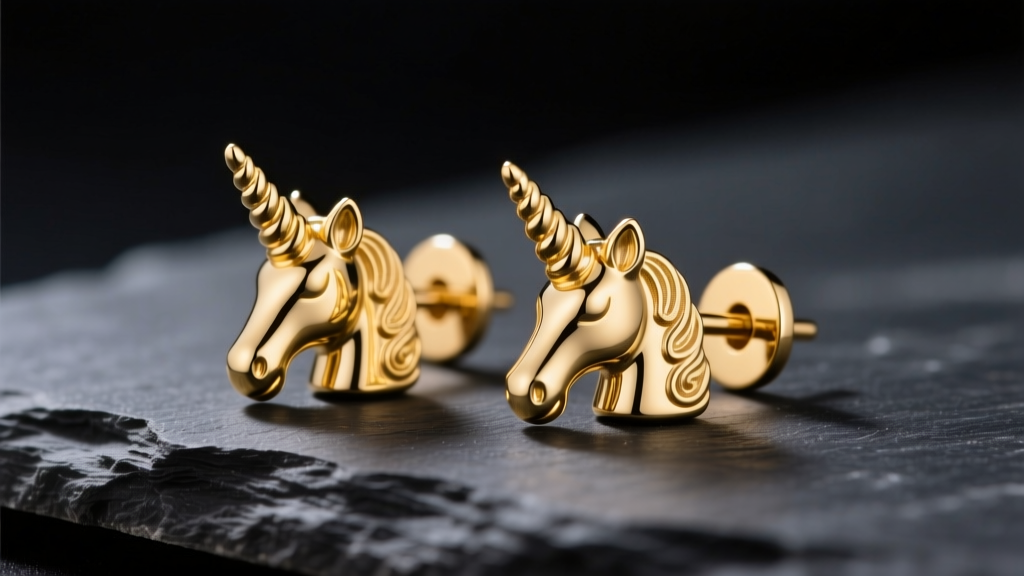
The Whimsy vs. Wearability Dilemma in Novelty Jewelry
The allure of whimsical, fantasy-inspired jewelry has cemented the popularity of gold unicorn earrings across all age demographics. However, the intricate geometries required to cast a detailed unicorn head, spiral horn, or flowing mane present unique metallurgical challenges. When consumers prioritize the aesthetic of a novelty shape over its material composition, they frequently encounter rapid tarnishing, structural failure, and severe contact dermatitis. As we navigate the jewelry market in 2026, understanding the material science behind these specific earrings is no longer optional; it is a critical health and financial decision.
Novelty shapes require complex mold injections and precise casting temperatures. If a manufacturer uses low-grade base metals to cut costs on a complex unicorn design, the resulting cast is often porous, brittle, and laden with allergenic trace elements. This guide dissects the material properties, structural requirements, and safety standards you must evaluate before purchasing gold unicorn earrings.
Decoding the 'Gold' in Unicorn Earrings
The term 'gold' is frequently manipulated in the novelty jewelry sector. To ensure your earrings are both safe for sensitive earlobes and durable enough to hold intricate shapes, you must understand the distinction between solid alloys, vermeil, and flash plating.
Solid Gold Alloys: Why 14k Reigns Supreme for Intricate Shapes
Pure 24-karat gold is far too soft for the delicate spiral of a unicorn horn or the thin edges of a winged ear cuff. It will bend under minimal pressure. Therefore, jewelers alloy gold with metals like copper, silver, and zinc. For gold unicorn earrings, 14k solid gold (58.5% pure gold) is the optimal choice. The higher copper and silver content in 14k gold increases its tensile strength and Vickers hardness compared to 18k gold. This ensures that the fine details of the unicorn's mane and the sharp point of the horn remain crisp and resist deformation during daily wear. Furthermore, high-quality 14k yellow or rose gold alloys are generally nickel-free, making them highly biocompatible for fresh piercings and sensitive skin.
Gold Vermeil vs. Standard Flash Plating
If solid gold is outside your budget, gold vermeil is the only acceptable alternative for sensitive ears. According to the Federal Trade Commission Jewelry Guides, true vermeil must consist of a sterling silver (925) base coated with a minimum of 2.5 microns of gold plating. This thick layer provides a durable, hypoallergenic barrier. Conversely, standard 'gold-plated' unicorn earrings usually feature a brass or nickel-silver base with a flash plating of just 0.175 microns. This microscopically thin layer wears away within weeks, exposing the reactive base metals to your skin's natural oils and sweat.
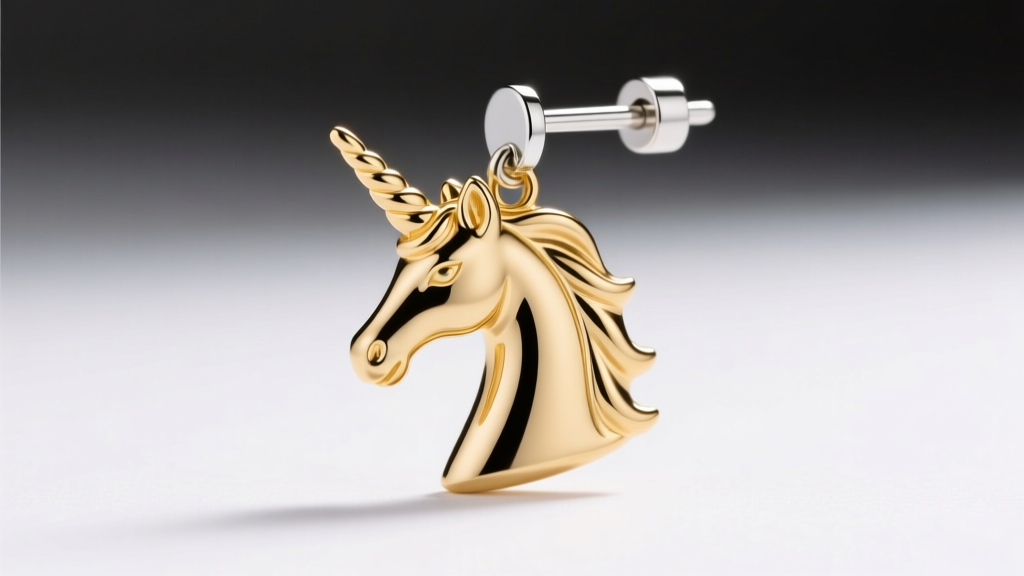
Material Comparison Chart: What You Are Actually Buying
Use this structured comparison to evaluate the material claims of any gold unicorn earring listing you encounter online or in-store.
| Material Type | Base Metal | Gold Layer Thickness | Hypoallergenic? | Estimated Lifespan | Price Range (USD) |
|---|---|---|---|---|---|
| Solid 14k Gold | Gold/Copper/Silver Alloy | Solid throughout | Yes (Usually) | Lifetime | $150 - $450+ |
| Gold Vermeil | Sterling Silver (925) | ≥ 2.5 microns | Yes | 2 - 5 Years | $60 - $120 |
| Gold-Filled | Brass (usually) | ≥ 5% of total weight | Mostly | 5 - 10 Years | $40 - $90 |
| Standard Plated | Brass or Copper | 0.5 - 1.0 microns | No | 6 - 12 Months | $20 - $40 |
| Flash Plated | Nickel Alloy / Pewter | < 0.175 microns | High Risk | Weeks | $5 - $15 |
The Hidden Dangers: Nickel, Cadmium, and Base Metal Reactions
The most significant risk associated with cheap, novelty-shaped earrings is exposure to toxic and allergenic base metals. Nickel is the most common culprit for allergic contact dermatitis, a condition that affects approximately 18% of the population, according to data from the American Academy of Dermatology. When the flash plating on a cheap unicorn earring wears off, the nickel alloy beneath reacts with sweat to form nickel salts, leading to severe itching, blistering, and hyperpigmentation of the earlobe.
Furthermore, because unicorn earrings are frequently purchased for children, heavy metal toxicity is a paramount concern. Unregulated marketplaces are often flooded with novelty jewelry that exceeds safety limits for cadmium and lead. When shopping for children, always verify that the manufacturer explicitly complies with ASTM F2923 (the Standard Specification for Consumer Product Safety for Children's Jewelry), which strictly limits cadmium content to 300 parts per million (ppm). Solid 14k gold and certified sterling silver vermeil inherently bypass these heavy metal risks.
Structural Integrity: Gauge Sizes and Weight Distribution
Material composition is only half the battle; the physical mechanics of the earring post dictate its longevity. Unicorn designs are inherently front-heavy. A solid metal unicorn head can easily weigh between 2.5 and 4 grams. If this weight is supported by a standard 20-gauge (0.81mm) post, the lever-action caused by a snag on a sweater or even the friction of sleeping will permanently bend the wire.
For heavy novelty studs and dangles, you must look for specific gauge specifications:
- 18-Gauge (1.02mm): The minimum acceptable thickness for solid gold or silver unicorn studs. It offers a 56% larger cross-sectional area than 20-gauge, drastically improving yield strength.
- 16-Gauge (1.29mm): Highly recommended for large unicorn dangle earrings or ear cuffs that require structural rigidity to maintain their shape against the cartilage.
- Friction Backs vs. Screw Backs: For heavy 14k gold unicorn studs, standard butterfly clutch backs often fail to provide enough grip, leading to lost earrings. Opt for designs featuring secure screw-backs or jumbo silicone friction backs that distribute the weight across a wider surface area of the earlobe.
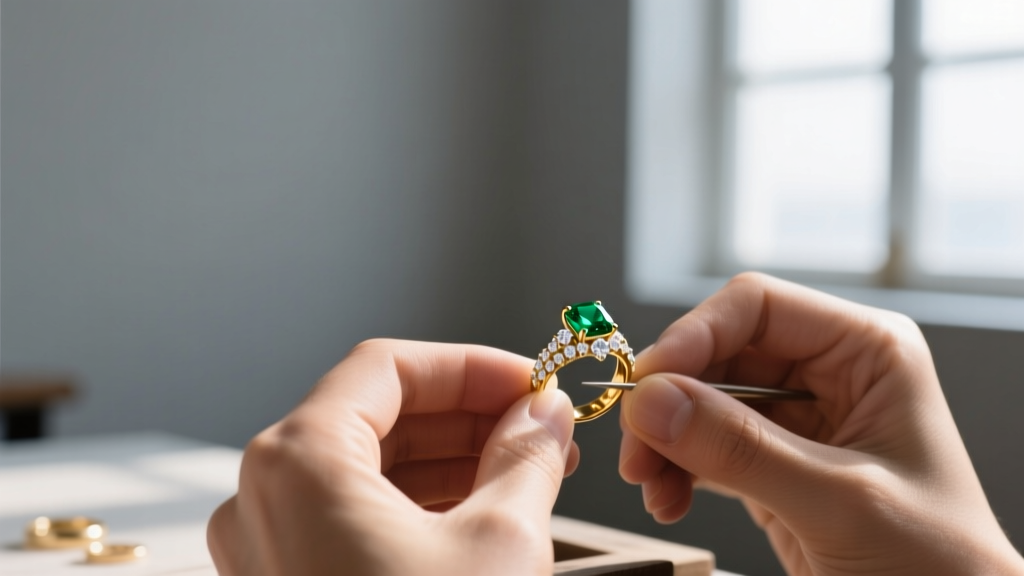
How to Verify Material Claims Before Purchasing
Do not rely solely on product titles that claim 'Gold Unicorn Earrings.' Implement this verification checklist before completing your purchase:
- Hallmark Inspection: Request macro photos of the earring post or backing. Look for '14k', '585' (solid gold), or '925' (sterling silver base for vermeil). Beware of stamps like '14k HGE' (Heavy Gold Electroplate) or '14k GP', which indicate a brass core.
- Weight Inquiries: Ask the seller for the exact gram weight. If a pair of medium-sized solid 14k gold unicorn studs weighs less than 1.5 grams combined, they are likely hollow-cast or heavily alloyed with cheaper metals to reduce costs.
- Nickel-Free Guarantees: If buying white gold unicorn earrings, ensure they are alloyed with palladium rather than nickel, and check if they are rhodium-plated to prevent white gold tarnishing.
- Magnet Test (Post-Purchase): While gold and silver are non-magnetic, many cheap base metals used in counterfeit novelty earrings contain iron or steel cores. A strong neodymium magnet can quickly expose a fraudulent 'solid' piece.
Final Thoughts on Material Selection
Gold unicorn earrings represent a beautiful intersection of childhood whimsy and adult elegance, but only when executed with proper metallurgical standards. By prioritizing 14k solid gold or high-micron vermeil over deceptive flash plating, you protect your skin from severe allergic reactions and ensure the intricate details of the design survive years of wear. Always demand transparency regarding gauge thickness, base metal composition, and safety compliance. True luxury in novelty jewelry is defined not just by the shape it takes, but by the integrity of the metal from which it is forged.


