Golden Earring Lead Singer Death Myths & Gold Hoop Value
Separating rock myths from real jewelry investments. A 2026 budget guide to assessing the true value, weight, and purity of solid gold hoop earrings.

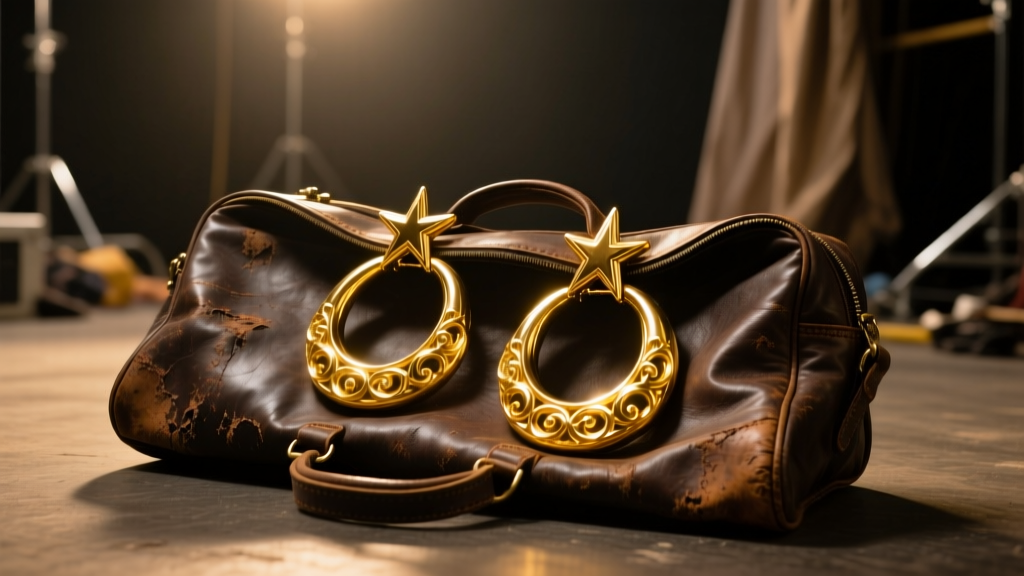
If you have ever tumbled down a bizarre internet rabbit hole and typed the phrase golden earring lead singer death into a search engine, you have witnessed the strange, algorithmic collision of classic rock trivia and fine jewelry nomenclature. Fans of the legendary Dutch rock band Golden Earring—famous for 1970s anthems like 'Radar Love' and 'Twilight Zone'—often spiral into search engines over lineup changes, health rumors regarding frontman Barry Hay or guitarist George Kooymans, or the metaphorical 'death' of the classic rock era. However, when search algorithms mash up the band's name with actual jewelry, it creates a unique opportunity to pivot from internet myths to a highly tangible reality: the true market value of golden earrings in today's economy.
As a senior appraiser and style guide for Jewel Style Radar, I am here to separate the rock-and-roll rumors from hard metallurgical facts. In 2026, with precious metal markets experiencing unprecedented volatility, understanding the budget and value assessment of gold hoop earrings, huggies, and statement drops is more critical than ever. Whether you are channeling a 1970s rockstar aesthetic or simply looking for a safe-haven asset you can wear on your lobes, this guide will break down exactly what you are paying for.
The 2026 Gold Market: Budgeting for Solid Hoops
To assess the value of any golden earring, you must first understand the baseline cost of the raw material. As of early 2026, gold spot prices have surged, frequently testing record highs that exceed $2,400 per troy ounce. According to data from the World Gold Council, this sustained elevation in gold prices has fundamentally shifted the budget requirements for solid gold jewelry.
When you purchase a pair of solid gold hoops, you are paying for two distinct elements: the melt value (the intrinsic worth of the gold itself) and the fabrication premium (the cost of labor, design, and retail markup). To calculate the baseline melt value of a pair of earrings, use this formula:
- Step 1: Weigh the earrings in grams.
- Step 2: Multiply by the purity percentage (e.g., 0.585 for 14k, 0.750 for 18k).
- Step 3: Multiply by the current spot price of gold per gram.
For example, a substantial pair of 14k yellow gold rockstar-style hoops weighing 8 grams contains approximately 4.68 grams of pure gold. If the spot price is $75 per gram, the intrinsic melt value is roughly $351. Any retail price above this reflects the brand premium, craftsmanship, and retail overhead. A fair market markup for artisan or mid-tier heritage brands typically ranges from 1.5x to 2.5x the melt value, whereas luxury designer houses can markup pieces by 4x to 10x.
Purity and Alloys: 14k vs. 18k for Everyday Wear
Not all gold is created equal, and the alloy composition drastically affects both the budget and the structural integrity of the earring. Pure 24k gold is far too soft for jewelry; it will easily bend, warp, and lose its shape, especially in the thin wires required for ear piercings. Therefore, gold must be alloyed with metals like copper, silver, zinc, or nickel.
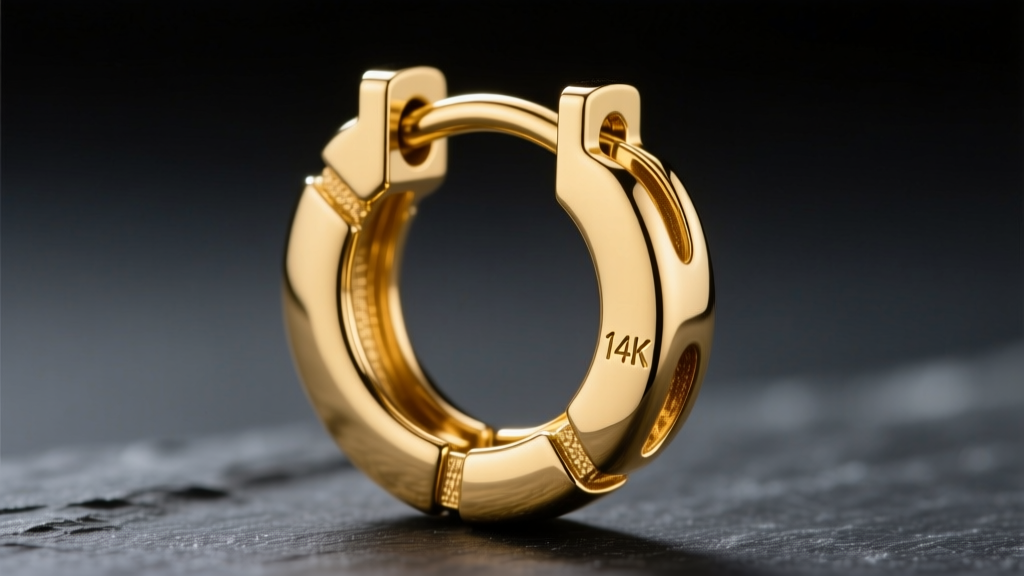
The Gemological Institute of America (GIA) notes that the karatage system dictates the ratio of pure gold to alloy metals. Here is how the two most common earring materials stack up in a value assessment:
14k Gold (58.5% Pure Gold)
14k gold is the undisputed champion of durability. Because it contains a higher percentage of alloy metals, it scores higher on the Vickers hardness scale. For thin wire hoops (18-gauge or 16-gauge) and huggies with complex hinge mechanisms, 14k is vastly superior. It resists bending when you sleep in it and holds the tension of a clicker closure much better than higher-karat gold. From a budget perspective, 14k offers a significantly lower entry price while retaining excellent long-term value.
18k Gold (75% Pure Gold)
18k gold offers a richer, deeper yellow hue and a higher intrinsic melt value. However, it is softer and more prone to scratching and warping. 18k is best reserved for thicker, heavier statement pieces—such as 10-gauge or 8-gauge chunky hoops or solid cast drops—where the sheer mass of the metal compensates for its softer nature. Expect to pay a 30% to 40% premium over 14k equivalents purely based on gold weight.
Gauge Sizes and the 'Rockstar' Proportions
The visual impact and the budget of a gold hoop are heavily dictated by its gauge (the thickness of the wire or tube). Standard earlobe piercings are typically done at 20-gauge (0.8mm) or 18-gauge (1.0mm). However, the classic 'rockstar' aesthetic popularized in the 1970s and 80s demands much thicker proportions.
| Gauge Size | Millimeter (mm) | Style Profile | Budget Impact |
|---|---|---|---|
| 18g - 16g | 1.0mm - 1.2mm | Classic, lightweight, everyday hoops | Lowest (Uses minimal gold) |
| 14g - 12g | 1.6mm - 2.0mm | Chunky huggies, vintage rock aesthetics | Moderate to High |
| 10g - 8g | 2.4mm - 3.2mm | Heavy statement hoops, requires stretching | Premium (High gold weight) |
| 6g and below | 4.0mm+ | Solid cast tubes, extreme statement | Luxury Investment Tier |
If you are buying thick, 12-gauge hoops, be aware that many budget brands will use hollow tubing rather than solid wire to keep the price down. While hollow hoops look massive, they dent easily and cannot be repaired by a jeweler if crushed. Always verify with the retailer that the piece is 'solid wire' or 'cast solid' before committing to a high-ticket purchase.
Clasp Mechanics: Where Value is Won or Lost
A gold earring is only as valuable as its ability to stay securely in your ear. The clasp mechanism is a critical point of value assessment that many budget-conscious buyers overlook. Cheap manufacturing leads to lost earrings, which is the ultimate failure of any jewelry investment.
- Saddleback / Hinged Snap: Common in huggies and medium hoops. Look for a distinct, audible 'click' when closing. The hinge must be seamlessly integrated, not soldered on as an afterthought.
- Omega Back: Frequently used for heavy, vintage-style gold drops. The omega clip grips the earlobe tightly, but the tension spring inside can wear out over decades. Ensure the post is thick enough (at least 16g) to support the weight of the earring without drooping.
- Continuous (Endless) Hoops: A thin wire that threads through the hollow tube of the hoop. While sleek, these are notorious for bending and losing their tension. Avoid these for high-value, heavy gold pieces.
Vintage and Estate Markets: Hunting for True Value
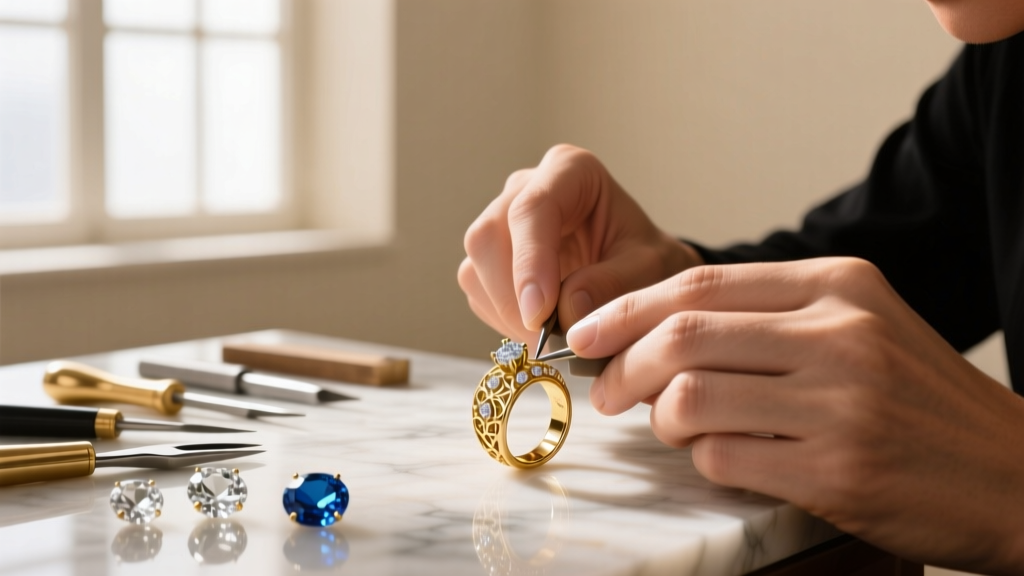
If the modern retail markups of 2026 are giving you sticker shock, the vintage and estate jewelry market is your best avenue for acquiring high-quality golden earrings at or near their intrinsic melt value. The 1970s and 1980s were golden eras for heavy, textured gold jewelry—the exact aesthetic that aligns with the classic rock vibes of bands like Golden Earring.
When hunting in estate markets, look for specific hallmarks. A simple '14k' stamp is common, but European pieces from the mid-century will often feature a '585' (for 14k) or '750' (for 18k) stamp, sometimes accompanied by an eagle's head or a maker's mark. Buying vintage allows you to bypass the modern fabrication premium entirely. You are paying for the gold weight and a modest dealer margin, making it an incredibly smart budget move for building a capsule jewelry wardrobe.
Final Verdict: Invest in the Metal, Ignore the Myths
Whether you are dodging internet rumors about a golden earring lead singer death or simply trying to navigate the complex landscape of precious metal pricing, the rules of jewelry valuation remain steadfast. Focus on the gram weight, verify the karatage, inspect the clasp mechanics, and always calculate the melt value before handing over your credit card. A well-chosen pair of solid 14k or 18k gold hoops is not just a nod to rock-and-roll history; it is a wearable, enduring asset that will outlast any fleeting internet myth.