Golden Earring Radar Love: 2026 Budget & Value Guide
Discover how to find your golden earring radar love in 2026. We break down gold karats, vermeil, and construction to maximize your jewelry budget.

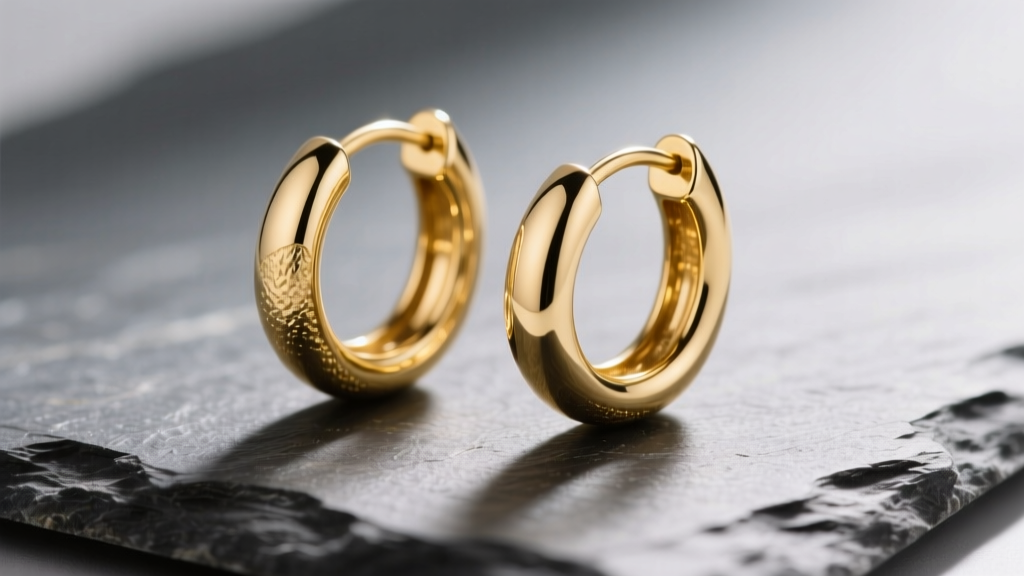
Finding your ultimate 'golden earring radar love'—that perfect, forever pair of gold earrings you never want to take off—has always been a matter of personal style. However, in 2026, it is equally a matter of strict financial strategy. With global gold prices sustaining record highs, the jewelry market has seen a massive shift in how consumers evaluate budget, intrinsic value, and long-term wearability. According to the World Gold Council, the sustained demand for gold as a safe-haven asset has fundamentally altered the baseline pricing for solid gold jewelry, pushing entry-level solid 14k pieces into what was previously considered premium territory.
Whether you are hunting for everyday 14k gold huggies, statement 18k drop earrings, or budget-friendly gold vermeil studs, navigating the modern market requires a sharp eye for material science and construction. This comprehensive value assessment will help you tune your radar, separate marketing hype from genuine metallurgical value, and make a purchase that aligns with both your aesthetic desires and your financial boundaries.
Decoding the Gold Spectrum: Solid vs. Alternative Alloys
The first step in assessing value is understanding exactly what you are paying for. The Federal Trade Commission (FTC) maintains strict guidelines on how gold jewelry can be marketed, yet consumer confusion between 'gold plated,' 'gold vermeil,' and 'gold-filled' remains rampant. When gold prices surge, alternative gold options become highly attractive, but they carry vastly different lifespans and hidden maintenance costs.
Below is a detailed breakdown of the most common gold earring materials available in 2026, analyzed for budget-conscious buyers seeking maximum value.
| Material Type | Gold Content / Thickness | Base Metal | 2026 Price Range (Studs/Small Hoops) | Estimated Lifespan & Value |
|---|---|---|---|---|
| Gold Plated | < 0.5 microns | Brass or Copper | $15 - $35 | 3-6 months. Poor value; high skin irritation risk. |
| Gold Vermeil | Min. 2.5 microns | Sterling Silver (925) | $45 - $110 | 1-3 years. Great budget option; requires eventual re-plating. |
| Gold-Filled | 5% gold by weight (12k or 14k) | Jeweler's Brass | $35 - $85 | 3-5+ years. Excellent daily-wear budget alternative. |
| 10k Solid Gold | 41.7% pure gold | Alloy (Copper/Zinc/Silver) | $130 - $280 | Lifetime. Highly durable, but lower intrinsic melt value. |
| 14k Solid Gold | 58.3% pure gold | Alloy mix | $220 - $550 | Lifetime. The ultimate sweet spot for durability and value. |
| 18k Solid Gold | 75.0% pure gold | Minimal alloy | $450 - $1,200+ | Lifetime. Premium investment; softer, prone to scratching. |
Weight, Gauge, and Construction: The Hidden Value Metrics
If your golden earring radar love is pointing toward solid gold hoops or huggies, you must look beyond the karat stamp. Jewelers price solid gold primarily by gram weight plus a labor markup. Two pairs of 14k gold 20mm hoop earrings can have a $200 price difference based entirely on their internal construction and wire gauge.
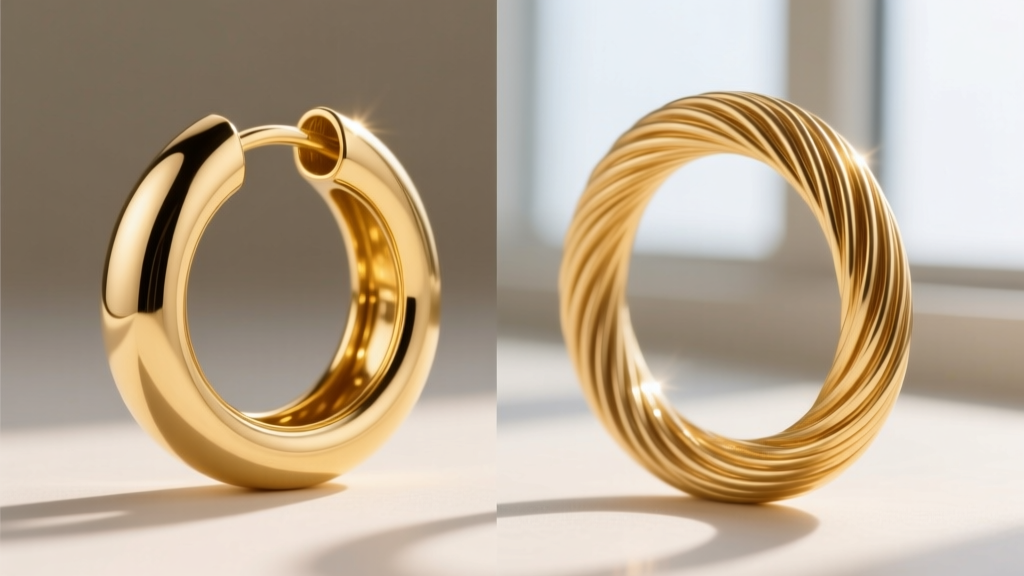
Tubular (Hollow) vs. Solid Wire Hoops
Many mid-tier jewelry brands utilize tubular gold—essentially a hollow tube of 14k gold—to create lightweight, oversized hoops that don't stretch the earlobe. While comfortable, tubular earrings are highly susceptible to denting and cannot be easily repaired if crushed. A 20mm tubular hoop might weigh just 1.2 grams, retailing for around $110. Conversely, a solid 14k wire hoop of the exact same diameter will weigh roughly 3.5 grams, pushing the price to $320 or more based on current spot prices. If your goal is generational longevity and intrinsic value, solid wire is the superior investment, despite the higher upfront cost.
Understanding Gauge Thickness
The thickness of the wire, measured in gauges, drastically impacts both the durability and the price of your earrings. According to the Gemological Institute of America (GIA), the alloy mix in 14k gold provides excellent tensile strength, but only if the physical dimensions are adequate for the design.
- 20-Gauge (0.81mm): Standard for lightweight stud posts and delicate ear wires. Not recommended for structural hoops as it bends easily.
- 18-Gauge (1.02mm): The industry standard for most huggies and medium hoops. Offers a perfect balance of earlobe comfort and structural integrity.
- 16-Gauge (1.29mm): Used for statement hoops and cartilage jewelry. Significantly heavier, which increases the gold weight and the final price, but offers near-indestructible durability.
Brand Tax vs. Intrinsic Melt Value
When evaluating your budget, you must decide if you are paying for a brand name or the metal itself. In 2026, luxury designer brands are marking up solid gold earrings by 400% to 800% over their intrinsic 'melt' value. A pair of designer 14k gold diamond studs with a total diamond weight of 0.25 carats might retail for $1,800, while the raw materials (gold and diamonds) are worth less than $350.
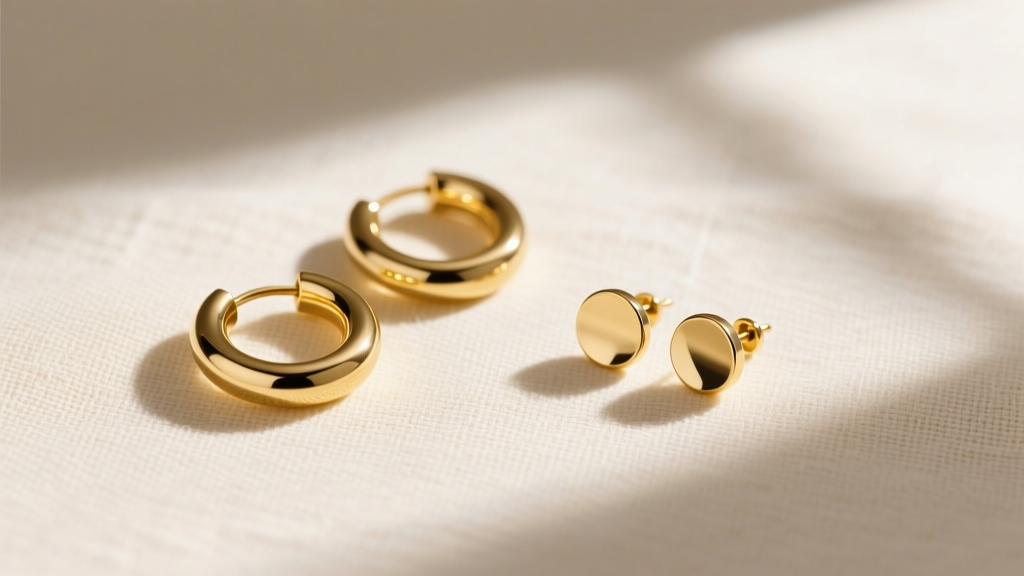
To maximize your budget, tune your radar toward direct-to-consumer artisan jewelers, estate jewelry, or bullion-backed jewelry houses. These vendors typically price their solid gold earrings using a transparent formula: (Current Gold Spot Price × Weight) + Fixed Labor Fee + Gemstone Cost. By bypassing traditional retail markups and luxury branding, you can often acquire 18k gold pieces for the price of mall-brand 14k gold.
Long-Term Maintenance: The Hidden Cost of Budget Gold
A true value assessment must factor in the total cost of ownership over a decade. While gold vermeil and gold-filled earrings are kinder to your wallet on day one, they carry hidden maintenance costs. When the gold layer on vermeil eventually wears away from friction and skin oils, you are left with a sterling silver base that will tarnish. Re-plating vermeil earrings at a local jeweler typically costs between $30 and $60 per session. If you plan to wear your earrings daily, you may pay for re-plating every 18 months, effectively negating your initial savings within five years.
Solid gold, on the other hand, requires zero re-plating. A 14k or 18k solid gold earring can be polished indefinitely, retaining its structural integrity and color forever. Furthermore, solid gold earrings hold resale value. If you ever decide to upgrade or liquidate, a scrap gold buyer will pay you based on the exact weight and karat of your earrings—a financial safety net that alternative gold options simply cannot provide.
Final Verdict: Investing in Your Forever Pair
Locking onto your golden earring radar love requires a clear understanding of your personal wear habits. If you are a trend-hopper who changes styles every season, high-quality 14k gold-filled or heavy gold vermeil offers the best aesthetic value for your budget. However, if you are seeking a 'buy it for life' signature piece—like a classic pair of 15mm solid gold huggies or perfectly proportioned 20mm hoops—stretching your budget to acquire 14k or 18k solid gold is mathematically and emotionally the soundest investment. By prioritizing solid wire construction, optimal gauge thickness, and transparent pricing models over luxury brand names, you ensure that your golden earrings remain a beloved, valuable staple in your collection for decades to come.


