Guardian Earring Backs: Material Properties & Metal Comparison
Compare materials for guardian earring backs. Discover how titanium, gold, and platinum locking mechanisms impact durability, tension, and skin safety.

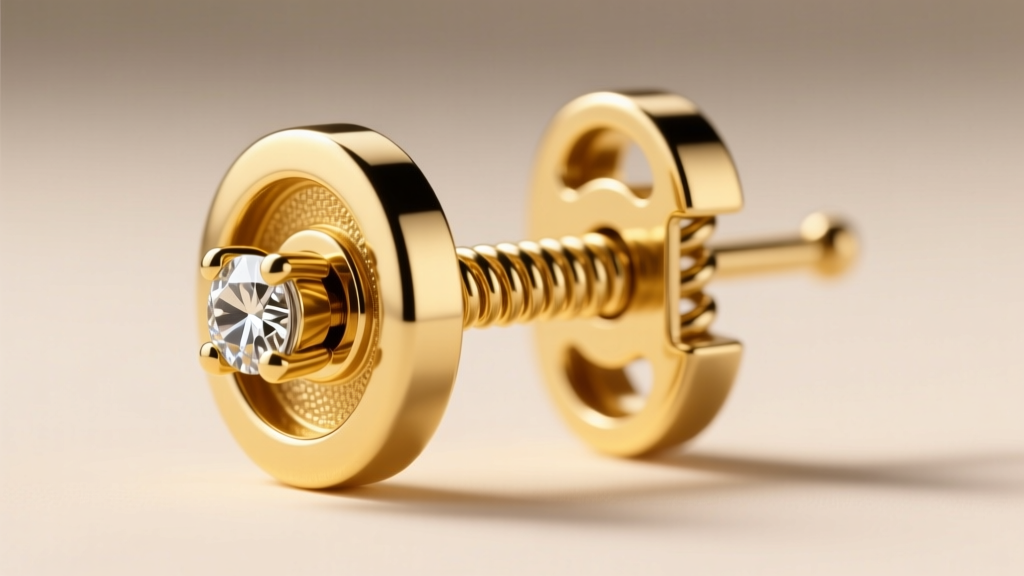
When securing high-value diamond studs or sentimental heirloom earrings, standard friction backs often fall short. Enter the guardian earring back (often referred to generically by the original patent name, La Pousette). These locking mechanisms utilize an internal spring-loaded collar that snaps securely into a precision-milled notch on the earring post. However, the security of a guardian back is entirely dependent on the metallurgical properties of the materials used to construct it.
As we navigate the jewelry market in 2026, CNC-milled precision has improved, but material science remains the ultimate deciding factor in longevity, skin safety, and mechanical fatigue. Below, we break down the exact material properties, alloy grades, and failure modes of the metals used in premium guardian earring backs.
The Mechanics of Guardian Earring Backs
Before evaluating materials, it is crucial to understand the mechanical stress these components endure. A guardian back consists of three main parts: the outer barrel, the internal tension spring (often a microscopic leaf spring or coil), and the locking pins that engage with the earring post notch.
Every time you push the collar back to remove the earring, the internal spring undergoes compressive stress. If the metal lacks adequate yield strength and elastic memory, the spring will permanently deform, resulting in a loose back that fails to lock. Therefore, the ideal material must balance malleability for manufacturing with high tensile strength for long-term mechanical function.
Metal-by-Metal Material Comparison
14K and 18K Gold (The Industry Standard)
Gold is the most common material for guardian backs, but not all gold alloys are created equal. Pure 24K gold is far too soft (Vickers Hardness of ~25 HV) and would fail mechanically in days.
- 18K Gold (75% Gold): Typically alloyed with copper and silver or zinc. 18K gold has a Vickers Hardness of roughly 110-125 HV. It offers excellent corrosion resistance and a rich color, but the internal springs made from 18K gold are prone to fatigue over 5-7 years of daily use.
- 14K Gold (58.3% Gold): With a higher proportion of alloying metals, 14K gold achieves a Vickers Hardness of 120-140 HV. From a purely mechanical standpoint, 14K gold is superior for the internal springs of guardian backs because it resists deformation better than 18K. Many high-end manufacturers use 18K gold for the outer barrel but engineer the internal spring components from a hardened 14K or even 10K white gold alloy to ensure lasting tension.
Platinum (The Heavy-Duty Choice)
Platinum is exceptionally dense and highly resistant to wear, making it a favorite for securing massive carat-weight diamonds. However, platinum's metallurgical behavior under stress is unique. Unlike gold, which loses metal when scratched, platinum merely displaces.
The critical factor for platinum guardian backs is the specific alloy. Pt950/Ru (Platinum alloyed with 5% Ruthenium) is significantly harder and more springy than the traditional Pt950/Ir (Iridium) alloy. Ruthenium-alloyed platinum offers superior elastic memory, meaning the internal locking pins will snap back into place with consistent force for decades. If you are purchasing platinum guardian backs, always verify the alloy; Pt950/Ir is too malleable and will result in a loose-fitting collar over time.
Implant-Grade Titanium (The Hypoallergenic Hero)
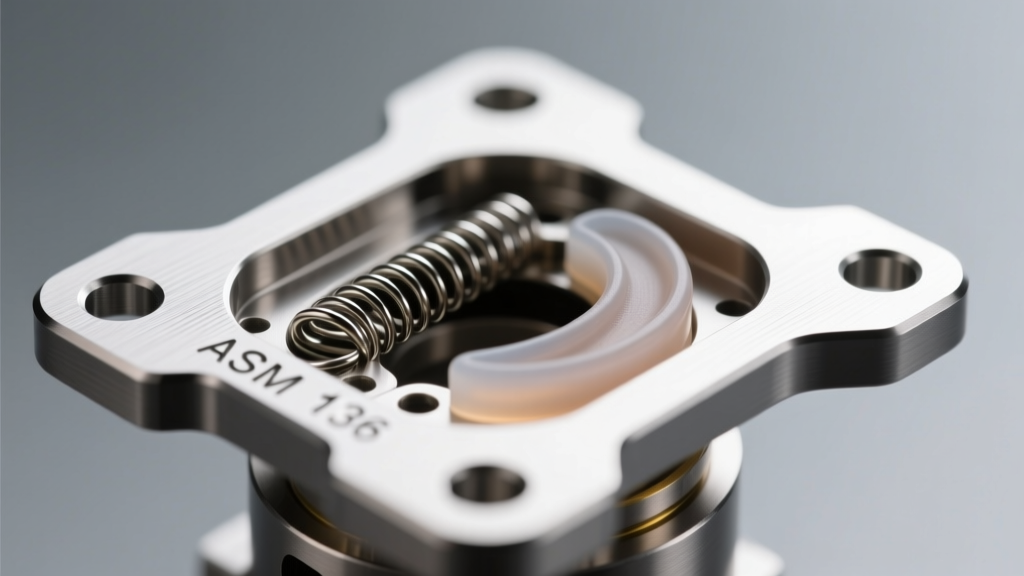
For individuals with nickel allergies or sensitive earlobes, titanium is the undisputed champion. However, commercial "titanium" is often a red flag. For guardian earring backs, you must look for ASTM F136 (Ti6Al4V ELI), also known as Grade 23 implant-grade titanium.
Grade 23 titanium has an elastic modulus that provides phenomenal "springback" properties. It will not fatigue or lose its mechanical tension, even after thousands of compression cycles. Furthermore, the naturally occurring titanium dioxide layer on its surface makes it entirely biocompatible and immune to tarnishing. The primary drawback is aesthetic; titanium cannot be easily cast into the intricate, decorative floral or ribbed patterns often seen on gold or platinum La Pousette backs, limiting design options to sleek, machined barrels.
Material Properties Comparison Matrix
The following table summarizes how the most common guardian back materials perform across critical mechanical and dermatological metrics.
| Material / Alloy | Vickers Hardness (HV) | Spring Fatigue Resistance | Hypoallergenic Rating | Relative Cost |
|---|---|---|---|---|
| 14K Yellow/White Gold | 120 - 140 | Good | Moderate (Watch for Nickel in White Gold) | $$ |
| 18K Yellow Gold | 110 - 125 | Fair | High | $$$ |
| Pt950/Ru (Ruthenium) | 130 - 150 | Excellent | Excellent | $$$$ |
| ASTM F136 Titanium | 330 - 350 | Superior | Superior (Biocompatible) | $ |
| Surgical Steel (316L) | 150 - 190 | Good | Poor (Contains Nickel) | $ |
The Hidden Components: Springs and Silicone O-Rings
A common misconception is that a "14K Gold Guardian Back" is made entirely of 14K gold. In reality, the microscopic internal spring is frequently manufactured from surgical-grade stainless steel or a specialized beryllium-copper alloy to guarantee mechanical longevity, even if the outer casing is solid gold.
Additionally, modern 2026 designs frequently incorporate medical-grade silicone O-rings inside the barrel. These silicone inserts provide secondary friction against the earring post, dampening the mechanical click and preventing the metal-on-metal wear that eventually degrades the post notch. When evaluating a guardian back, check if the internal spring is accessible for replacement by a bench jeweler, as the spring is the most common failure point.
Failure Modes and Post Compatibility
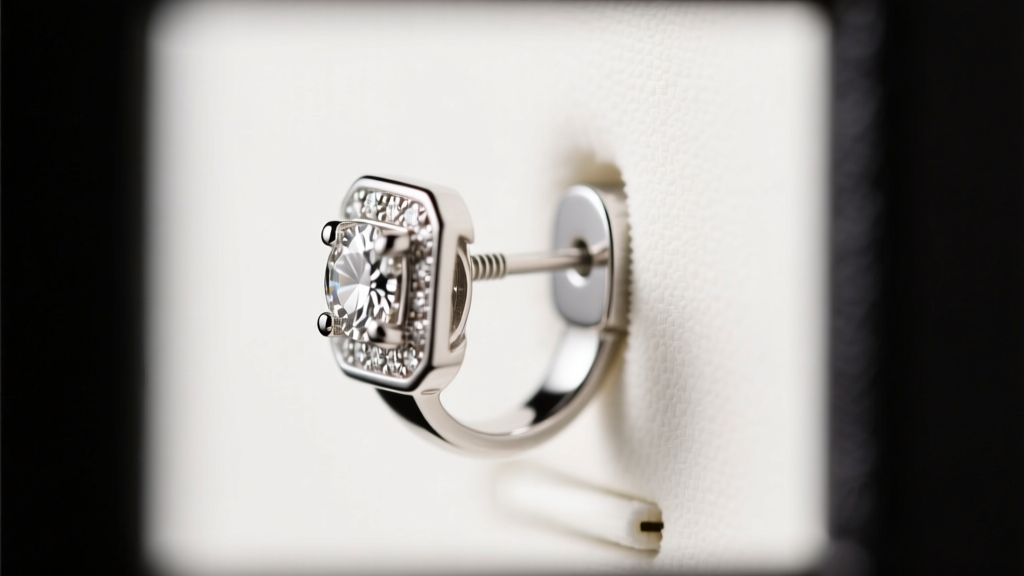
Even the highest-grade platinum guardian back will fail if paired with an improperly machined earring post. The mechanical lock relies on a specific notch geometry.
Gauge Sizing and Notch Depth
Guardian backs are typically engineered for 18-gauge (1.0mm) or 20-gauge (0.8mm) posts. The notch on the post must be precisely milled to a depth of 0.5mm to 0.6mm. If the notch is too shallow (a common issue with mass-produced, cast earring posts), the locking pins of the guardian back will only graze the surface, leading to accidental dislodging. Conversely, if the notch is too deep, it compromises the structural integrity of the post, risking a shear fracture if the earring is snagged on clothing.
Common Failure Modes
- Spring Fatigue: The internal leaf spring loses its elastic memory, requiring the user to push the collar further to release the post.
- Notch Degradation: Repeated metal-on-metal friction wears down the earring post notch, turning a sharp 90-degree locking edge into a smooth slope.
- Debris Infiltration: Skin oils, lotions, and environmental dust pack into the barrel, calcifying and preventing the spring from fully extending. Ultrasonic cleaning every 6 months is mandatory for maintenance.
Expert Verdict: Which Material Should You Choose?
If you are securing heavy, high-value diamonds (over 2.0 carats) and want a lifetime heirloom piece, Pt950/Ru platinum is the ultimate choice due to its density and wear resistance. For everyday diamond studs where budget and traditional aesthetics are paramount, 14K gold offers the best balance of mechanical spring tension and precious metal value. Finally, for newly pierced ears, cartilage piercings, or severe metal sensitivities, ASTM F136 Titanium is non-negotiable.
Always ensure your guardian backs are paired with precision-milled, threaded, or properly notched posts, and consult the Association of Professional Piercers guidelines on metal biocompatibility if you have a history of contact dermatitis. For deeper insights into precious metal durability, the Gemological Institute of America (GIA) provides excellent foundational data on jewelry alloy properties.


